गीत विंग · गीत-पट्टिका · Song Plate
घड़ी घड़ी मोरा दिल डोले
Ghadi Ghadi Mora Dil Dole
त्रासदी से पहले, प्रेतों से पहले — यह मधुमती शुद्ध आनंद में है, और लता की आवाज़ एक लहर की तरह तुम्हें उसमें ले जाती है।
भावआनंदित · चुलबुला · रोमांटिक
भाषाBraj · Hindi गतिModerate-Fast स्वरूपएकल महिला
श्रेय
The Creditsबोल · The Lyrics
बोल — झलक · Lyrics Preview
मोरा जिया डोले, मेरा मन डोले
साजन की ओर झुके, झुके मोरा तन
Mora jiya dole, mera man dole
Saajan ki or jhuke, jhuke mora tan
कॉपीराइट के कारण केवल झलक — पूरे बोल आधिकारिक मंचों पर।
शब्दकोश
Word Meaningsसूत्र-वाक्य · The Hook
सूत्र-वाक्य
त्रासदी से पहले, प्रेतों से पहले — यह मधुमती शुद्ध आनंद में है, और लता की आवाज़ एक लहर की तरह तुम्हें उसमें ले जाती है।
In EnglishBefore the tragedy, before the ghosts — this is Madhumati in pure joy, and Lata's voice carries you into it like a wave.
पट्टिका-लेख
The Monographपरिचय Overview
मधुमती के उदासी भरे गीतों के विपरीत, 'घड़ी घड़ी मोरा दिल डोले' सलिल चौधरी की प्रसन्न लोक-संगीत पर समान महारत दिखाता है। दादरा ताल पर ढोलक और बाँसुरी के साथ, यह गीत प्रेम की शारीरिक अनुभूति को पकड़ता है — दिल का डोलना, शरीर का प्रिय की ओर झुकना। ब्रज बोली में लिखे शैलेन्द्र के बोल गीत को उत्तर भारत की लोक-प्रेम परंपरा में स्थापित करते हैं। यह वह गीत है जो याद दिलाता है कि मधुमती की प्रेम-कहानी त्रासदी से पहले शुद्ध आनंद में शुरू हुई थी।
अंग्रेज़ी में पढ़ें · Read in English
The exuberant folk-dance counterpart to Madhumati's melancholic songs, 'Ghadi Ghadi Mora Dil Dole' shows Salil Chowdhury's equal mastery of joyful folk music. Set in Dadra taal with dholak and flute, the song captures the physical sensation of love — the heart swaying, the body leaning toward the beloved. Lata Mangeshkar's voice has an unusually earthy, physical quality here — all her vocal technique deployed for exuberance rather than pathos. Written in Braj dialect, Shailendra grounds the song in the folk-love tradition of North Indian village culture. It is the song that reminds you Madhumati's love story begins in pure joy before becoming tragic.
संगीत The Music
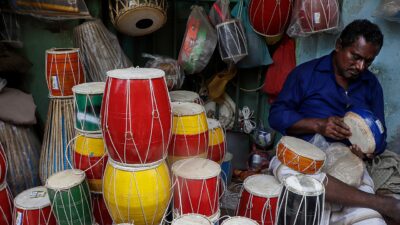
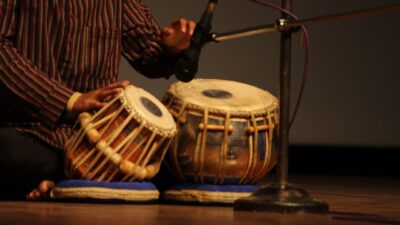
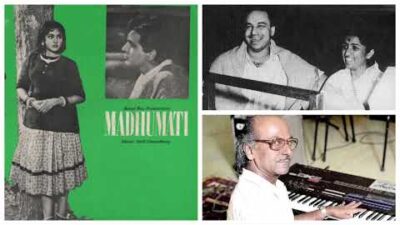
IPTA के दिनों से सलिल चौधरी की लोक संगीत की जड़ें यहाँ सबसे स्पष्ट हैं। ढोलक पहले बार से ही एक मिट्टी-सी, शारीरिक नाड़ी स्थापित करती है। दादरा ताल (6 मात्राएँ) गीत को एक झूमती, थोड़ी असममित गति देती है जो बंगाल-असम क्षेत्र के लोक संगीत में आम है। लता की आवाज़ यहाँ उनके उदासी भरे काम से अलग है — अधिक सामने, अधिक शारीरिक, ब्रज लोक-गायन की एक झलक के साथ।
अंग्रेज़ी में पढ़ें · Read in English
Salil Chowdhury's folk credentials from his IPTA days are most visible here. The dholak establishes an earthy, physical pulse from the first bar — this is music you can dance to, and Bimal Roy's choreography for Vyjayanthimala makes that explicit. The dadra taal (6 beats) gives the song a swinging, slightly asymmetric quality that folk music of the Bengal-Assam region often has. The flute melody has a simple pentatonic structure. Lata's voice in this song has a different quality than her melancholic work — more forward, more physical, with a hint of Braj folk singing technique.
काव्य The Poetry
शैलेन्द्र ने यह गीत ब्रज में लिखा — कृष्ण की भूमि (मथुरा-वृंदावन) की बोली जो सदियों से लोक-प्रेम काव्य में इस्तेमाल होती है। 'मोरा' (मेरा की जगह), 'जिया' (प्राण के लिए), 'साजन' — सब ब्रज शब्दावली है। यह गीत के प्रेम को उत्तर भारतीय भक्ति और लोक-कविता की उस प्राचीन परंपरा में स्थापित करती है जहाँ प्रेम की शारीरिकता — डोलना, झुकना — मानवीय और पावन दोनों है।
अंग्रेज़ी में पढ़ें · Read in English
Shailendra wrote this song in Braj — the dialect of Krishna's land (Mathura-Vrindavan region) used in folk love poetry for centuries. The use of 'mora' instead of 'mera', 'jiya' for the soul, and 'saajan' for the beloved are all Braj vocabulary. This grounds the song's love in a ancient tradition of North Indian bhakti and folk poetry where love's physicality — the swaying, the leaning — is both human and sacred.
कहानी The Story
बिमल रॉय ने मधुमती का चरित्र और संसार दो बिल्कुल अलग प्रकार के गीतों से स्थापित किया: उदासी के विरह-गीत और यह प्रसन्न लोक-नृत्य गीत। बाद वाला फ़िल्म के शुरुआती हिस्से में है ताकि मधुमती को उसकी प्राकृतिक, प्रसन्न अवस्था में दिखाया जा सके — त्रासदी से पहले। खुद प्रशिक्षित भरतनाट्यम नृत्यांगना व्यजयंतीमाला ने नृत्य-दृश्य को असाधारण गुणवत्ता दी।
अंग्रेज़ी में पढ़ें · Read in English
Bimal Roy used two very different types of songs to establish Madhumati's character and world: the melancholic separation songs and this joyful folk-dance song. The latter was filmed in the film's early reels to show Madhumati in her natural, happy state — before the tragedy of her love story unfolds. Vyjayanthimala, herself a trained Bharatanatyam dancer, gave the dance sequence exceptional quality. The combination of her dance and Lata's folk-inflected singing created a complete vision of the tribal world Bimal Roy had imagined.
विरासत The Legacy
यह गीत शास्त्रीय और लोक संगीत समारोहों में खमाज-आधारित फ़िल्मी लोक रचना के उदाहरण के रूप में नियमित प्रस्तुत होता है। इसने जयपूर्ण प्रेम-नृत्य पर कई हिंदी फ़िल्म गीतों को प्रेरित किया। व्यजयंतीमाला का नृत्य-दृश्य फ़िल्म कोरियोग्राफी पाठ्यक्रमों में पढ़ाया जाता है।
अंग्रेज़ी में पढ़ें · Read in English
This song is regularly performed at classical and folk music festivals as an example of Khamaj-based filmi folk composition. It has inspired numerous Hindi film songs about joyful love-dance — its physical, celebratory energy was influential on later directors. Vyjayanthimala's dance sequence is studied in film choreography courses.
वर्गीकरण
Classification- Tempo
- Moderate-Fast
Genre
अन्य विवरण
More Details- Hindi Film Geet Kosh Vol. 4 (1958)
- Wikipedia: Madhumati (film)
- Wikipedia: Vyjayanthimala
- Wikipedia: Salil Chowdhury
References
रोचक तथ्य
Margin Notesइस गीत में वैजयंतीमाला का नृत्य हिंदी सिनेमा में लोकनृत्य के समावेश के सबसे उत्कृष्ट उदाहरणों में से एक माना जाता है।
अंग्रेज़ी में पढ़ें · Read in English
Vyjayanthimala's dance in this song is considered one of the finest examples of folk dance integration in Hindi cinema.
सलिल चौधरी ने स्टूडियो में बनावटी ध्वनियों के बजाय असली लोक ताल वाद्यों (ढोलक) का प्रयोग किया — यह यथार्थवाद 1950 के दशक के बॉम्बे फ़िल्म स्टूडियो के लिए असामान्य था।
अंग्रेज़ी में पढ़ें · Read in English
Salil Chowdhury used real folk percussion instruments (dholak) rather than studio approximations — a realism that was unusual for Bombay film studios of the 1950s.
शैलेंद्र ने इस गीत के लिए ब्रज बोली को विशेष रूप से चुना ताकि मधुमती के किरदार को उत्तर भारतीय लोक परंपरा में जड़ें दी जा सकें।
अंग्रेज़ी में पढ़ें · Read in English
The song's Braj dialect was specifically chosen by Shailendra to anchor Madhumati's character in North Indian folk tradition.
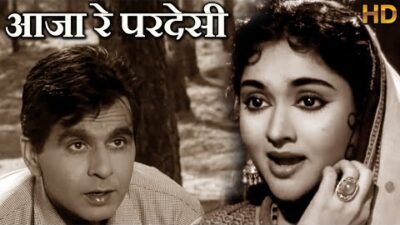
यह गीत और 'आजा रे परदेसी' मिलकर सलिल चौधरी की बहुमुखी प्रतिभा दर्शाते हैं: जिस संगीतकार ने वह मार्मिक लोक-विलाप रचा, उसी ने यह उल्लासपूर्ण लोक-उत्सव भी रचा।
अंग्रेज़ी में पढ़ें · Read in English
This song and 'Aaja Re Pardesi' together show Salil Chowdhury's range: the same composer who wrote the haunting folk lament also wrote this exuberant folk celebration.
नमूना-पट्टी
The Specimen Table| शीर्षक | घड़ी घड़ी मोरा दिल डोले · Ghadi Ghadi Mora Dil Dole |
|---|---|
| वर्ष · युग | 1958 — Golden Era |
| गायक | Lata Mangeshkar |
| गीतकार | Shailendra |
| संगीतकार | Salil Chowdhury |
| स्वरूप | एकल महिला |
| गति | Moderate-Fast |
| अवधि | 3:40 |
| भाषा | Braj · Hindi |
| वाद्य | dholak · instrument-flute · harmonium · tabla |
| भाव | आनंदित · चुलबुला · रोमांटिक |
| लोकप्रियता | Popular |
| बोल-स्थिति | केवल झलक |
जुड़े हुए पन्ने
Connected Plates · The Graph Made Visibleअटलस में कोई पन्ना अकेला नहीं — इस गीत से जुड़े गीत, कलाकार, फ़िल्म, राग-ताल-विधा, सब यहाँ से खुलते हैं।
मिलते-जुलते गीत · Related Songs
कलाकार · The Artists
युग · The Era
साझा कीजिए · Share this Plate
यह पन्ना आगे बढ़ाइए
लता एक गीत में रुला देती थीं और अगले में नचा देती थीं — और दोनों बार हर शब्द पर यक़ीन होता था।
Lata could make you cry with one song and make you dance with the next — and both times you believed every word.
— Vyjayanthimala
सवाल-जवाब
Questions & Answersक्या 'घड़ी घड़ी मोरा दिल डोले' 'मधुमती' का गीत है? · Is 'Ghadi Ghadi Mora Dil Dole' from Madhumati?
हाँ, यह बिमल रॉय की 'मधुमती' (1958) के प्रसन्न लोक-नृत्य गीतों में से एक है। लता मंगेशकर ने इसे ब्रज बोली में गाया।
Yes, it is one of the joyful folk-dance songs from Bimal Roy's Madhumati (1958), contrasting with the film's more melancholic songs. Lata Mangeshkar sang it in Braj dialect.
यह गीत किस भाषा में है? · What language is this song in?
यह गीत ब्रज बोली में है — उत्तर भारत के मथुरा-वृंदावन क्षेत्र की बोली जो सदियों से लोक-प्रेम काव्य में इस्तेमाल होती है।
The song is in Braj — the dialect of the Mathura-Vrindavan region of North India, used in folk love poetry for centuries. Words like 'mora' (my), 'jiya' (soul), and 'saajan' (beloved) are Braj vocabulary.