गीत विंग · गीत-पट्टिका · Song Plate
आसमाँ पे है ख़ुदा और ज़मीन पे हम
Asmaan Pe Hai Khuda Aur Zameen Pe Hum
ख़ुदा आसमान पर है, हम ज़मीन पर — और उन दोनों के बीच की दूरी पूरी ग़रीबी का इतिहास है।
भावप्रेरणादायक · तीव्र · उदास · दार्शनिक
भाषाUrdu · Hindi गतिधीमी स्वरूपएकल पुरुष
श्रेय
The Creditsबोल · The Lyrics
बोल — झलक · Lyrics Preview
आज उसकी रहमतें तकते हैं हम
ज़िंदगी का बोझ कंधों पर उठाए
जाने किसकी राह में चलते हैं हम
Aaj uski rahmatein takte hain hum
Zindagi ka bojh kaandhon par uthaye
Jaane kiski raah mein chalte hain hum
कॉपीराइट के कारण केवल झलक — पूरे बोल आधिकारिक मंचों पर।
शब्दकोश
Word Meaningsसूत्र-वाक्य · The Hook
सूत्र-वाक्य
ख़ुदा आसमान पर है, हम ज़मीन पर — और उन दोनों के बीच की दूरी पूरी ग़रीबी का इतिहास है।
In EnglishGod is in the sky, we are on the earth — and the distance between them is the entire history of poverty.
पट्टिका-लेख
The Monographपरिचय Overview
'फिर सुबह होगी' (1958) के प्रसिद्ध गान के अधिक अंतरंग साथी के रूप में, 'आसमाँ पे है ख़ुदा और ज़मीन पे हम' साहिर लुधियानवी का ग़रीब के ईश्वर से सीधा संवाद है — कच्चा, बिना किसी भव्यता के। ख़य्याम ने मुकेश की आवाज़ को लगभग नंगे हारमोनियम पर रखा, एक असाधारण सीधेपन का गीत बनाकर। 'वो सुबह कभी तो आएगी' जहाँ भविष्य की आशा पर देखती है, यह गीत दर्दनाक वर्तमान में रहता है — आज का बोझ, अभी का अनिश्चित रास्ता। यह 1958 का वह अनदेखा रत्न है जो कहीं अधिक व्यापक पहचान का अधिकारी है।
अंग्रेज़ी में पढ़ें · Read in English
The more intimate companion to Phir Subah Hogi's (1958) famous anthem, 'Asmaan Pe Hai Khuda Aur Zameen Pe Hum' is Sahir Ludhianvi's direct address from the poor to God — raw, unmediated, without the grandeur of 'Woh Subah Kabhi To Aayegi'. Khayyam sets Mukesh's voice against a near-bare harmonium, creating a song of almost unbearable directness. While the film's other famous song looks to a hoped-for future, this one stays in the painful present — the burden carried today, the path unclear now. It is the overlooked gem of 1958, a song that deserves far wider recognition.
संगीत The Music
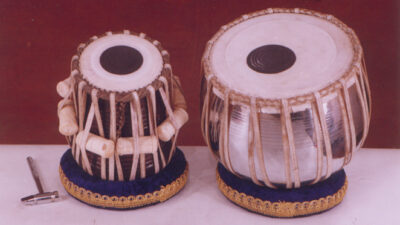
ख़य्याम का न्यूनतावाद यहाँ अपने सबसे शुद्ध रूप में है — बस हारमोनियम और थोड़े तार-वाद्य, मापे हुए कहरवे पर तबला। कोई वाद्य-अंतराल नहीं, कोई सुर-विकास नहीं जो आवाज़ से परे जाए। यह नंगापन ही बात है: ग़रीब के ईश्वर-संवाद में कोई अलंकरण नहीं, कोई बिचौलिया नहीं, कोई दिखावा नहीं। मुकेश, जिनकी आवाज़ में एक ईमानदार कमज़ोरी है, यहाँ सटीक चुनाव थे।
अंग्रेज़ी में पढ़ें · Read in English
Khayyam's minimalism reaches its most austere in this song — just harmonium and sparse strings, with table in a measured Keherwa. There are no instrumental interludes to speak of, no melodic development beyond what the voice carries. This nakedness is the point: the poor man's address to God has no ornamentation, no intermediary, no pretense. Mukesh, whose voice carries a quality of honest vulnerability, was the perfect choice. The composition's Bhairavi tonality ensures emotional depth while keeping it accessible.
काव्य The Poetry
यह गीत साहिर को अपनी सबसे सीधी धर्मशास्त्रीय स्थिति में दिखाता है। उनकी अधिक प्रसिद्ध कविताओं के रूपक और बिम्बों के बजाय, यहाँ वे सिर्फ़ स्थिति बताते हैं: ख़ुदा ऊपर है, हम नीचे, ज़िंदगी का बोझ उठाते हैं, रास्ता नहीं मालूम। 'रहमतें' के साथ 'तकते हैं' — ग़रीब के ईश्वर-संबंध का सार: आत्मविश्वासी प्रार्थना नहीं, बल्कि धैर्यपूर्ण, अनसुलझा इंतज़ार।
अंग्रेज़ी में पढ़ें · Read in English
This song represents Sahir at his most theologically direct. Rather than the allegory and imagery of his more famous poems, here he simply states the condition: God is above, we are below, we carry the burden of life, we walk without knowing the path. The word 'rahmatein' (mercies/blessings) used with 'takte hain' (we look toward, we wait for) captures the essence of the poor's relationship with God — not confident prayer, but patient, unresolvable waiting.
कहानी The Story
यह गीत 'फिर सुबह होगी' (1958) में शुरुआत में आता है, फ़िल्म की ग़रीबी और प्रश्नांकन की विषय-दुनिया स्थापित करता है। राज कपूर — सामाजिक यथार्थवाद की मुद्रा में — को एक ऐसे गीत की ज़रूरत थी जो उनके चरित्र की अस्तित्वगत स्थिति को बिना रोमांटिसिज्म के व्यक्त करे। ख़य्याम ने इसे एक बैठक में बनाया, बचपन में लाहौर के मोहल्लों में सुनी असली दुआओं से प्रेरित होकर। यह 'वो सुबह कभी तो आएगी' की छाया में रहा, पर कुछ संगीत विद्वान इसे दोनों में अधिक भावनात्मक रूप से प्रामाणिक मानते हैं।
अंग्रेज़ी में पढ़ें · Read in English
This song appears early in Phir Subah Hogi (1958), establishing the film's thematic world of poverty and questioning. Raj Kapoor, in a social realist mode far from his usual romance films, required a song that would express his character's existential position without romanticism. Khayyam composed it in a single sitting, reportedly inspired by actual prayers he had heard in the mohallas of Lahore during his childhood. The song was overshadowed by 'Woh Subah Kabhi To Aayegi' but considered by some music scholars to be the more emotionally authentic of the two.
विरासत The Legacy
यह गीत उर्दू काव्य-प्रेमियों और मुकेश के प्रशंसकों में उन्हीं लोगों में पसंदीदा है जो इसे इसलिए मूल्य देते हैं क्योंकि यह फ़िल्म के दूसरे प्रसिद्ध गीत से कम जाना-माना रहा। छोटे, अंतरंग उर्दू मुशायरों और प्रगतिशील सांस्कृतिक समारोहों में यह नियमित आता है। कुछ साहिर-विद्वान इसे सिनेमा में उनकी श्रेष्ठ नज़्मों में गिनते हैं।
अंग्रेज़ी में पढ़ें · Read in English
This song has a cult following among Urdu poetry lovers and Mukesh admirers who value it precisely because it remains less well-known than the film's other famous song. It is a staple at small, intimate Urdu mushairas and progressive cultural gatherings. Some Sahir scholars rank it among his finest nazms in cinema.
वर्गीकरण
Classification- Tempo
- Slow
Genre
अन्य विवरण
More Details- Hindi Film Geet Kosh Vol. 4 (1958)
- Wikipedia: Phir Subah Hogi
- Wikipedia: Sahir Ludhianvi
- Wikipedia: Khayyam (composer)
References
रोचक तथ्य
Margin Notesइस गीत को 'फिर सुबह होगी' का 'दूसरा महान साहिर-ख़य्याम गीत' माना जाता है — 'वो सुबह कभी तो आएगी' जितना मशहूर नहीं, पर भावनात्मक रूप से शायद उससे भी अधिक गहरा।
अंग्रेज़ी में पढ़ें · Read in English
This song is considered the 'other great Sahir-Khayyam song' from Phir Subah Hogi — less famous than 'Woh Subah Kabhi To Aayegi' but arguably more emotionally raw.
कहा जाता है कि ख़य्याम ने कहा था कि केवल हारमोनियम पर आधारित यह संगीत-व्यवस्था जानबूझकर रखी गई थी — 'एक ग़रीब आदमी को भगवान से बात करने के लिए ऑर्केस्ट्रा की ज़रूरत नहीं होती।'
अंग्रेज़ी में पढ़ें · Read in English
Khayyam reportedly said the harmonium-only arrangement was deliberate — 'a poor man doesn't need an orchestra to speak to God'.
इस गीत में धार्मिक विषयों को जिस सीधेपन से उठाया गया है — ग़रीबों के प्रति ईश्वर की स्पष्ट उदासीनता पर सवाल — वह हिंदी सिनेमा के लिए असामान्य था, जो आमतौर पर सीधे धार्मिक प्रश्नों से बचता रहा है।
अंग्रेज़ी में पढ़ें · Read in English
The theological directness of this song — addressing God's apparent indifference to the poor — was unusual for Hindi cinema, which typically avoided direct religious questioning.
साहिर लुधियानवी के साम्यवादी विचार इस गीत में सबसे स्पष्ट रूप से झलकते हैं, जहां वर्ग-असमानता के प्रति ईश्वरीय उदासीनता पर परोक्ष रूप से सवाल उठाया गया है।
अंग्रेज़ी में पढ़ें · Read in English
Sahir Ludhianvi's communist beliefs are most visible in this song's implicit accusation of divine indifference to class inequality.
नमूना-पट्टी
The Specimen Table| शीर्षक | आसमाँ पे है ख़ुदा और ज़मीन पे हम · Asmaan Pe Hai Khuda Aur Zameen Pe Hum |
|---|---|
| वर्ष · युग | 1958 — Golden Era |
| गायक | Mukesh |
| गीतकार | Sahir Ludhianvi |
| संगीतकार | ख़य्याम |
| स्वरूप | एकल पुरुष |
| गति | धीमी |
| अवधि | 4:45 |
| भाषा | Urdu · Hindi |
| वाद्य | harmonium · violin · tabla |
| भाव | प्रेरणादायक · तीव्र · उदास · दार्शनिक |
| लोकप्रियता | Known |
| बोल-स्थिति | केवल झलक |
जुड़े हुए पन्ने
Connected Plates · The Graph Made Visibleअटलस में कोई पन्ना अकेला नहीं — इस गीत से जुड़े गीत, कलाकार, फ़िल्म, राग-ताल-विधा, सब यहाँ से खुलते हैं।
मिलते-जुलते गीत · Related Songs
कलाकार · The Artists
युग · The Era
साझा कीजिए · Share this Plate
यह पन्ना आगे बढ़ाइए
साहिर ने दुआएँ नहीं लिखीं — उन्होंने सवाल लिखे। यह गीत ईश्वर से उनका सबसे सीधा सवाल है।
Sahir did not write prayers — he wrote interrogations. This song is his most direct question to God.
— Kaifi Azmi
सवाल-जवाब
Questions & Answers'आसमाँ पे है ख़ुदा' किसने गाया? · Who sang 'Asmaan Pe Hai Khuda'?
मुकेश ने 'फिर सुबह होगी' (1958) से यह गीत गाया, संगीत ख़य्याम का और बोल साहिर लुधियानवी के।
Mukesh sang this song from Phir Subah Hogi (1958), with music by Khayyam and lyrics by Sahir Ludhianvi.
यह गीत 'वो सुबह कभी तो आएगी' से कम प्रसिद्ध क्यों है? · Why is this song less famous than 'Woh Subah Kabhi To Aayegi'?
दोनों एक ही फ़िल्म के हैं, पर 'वो सुबह कभी तो आएगी' में एक जोशीला, गान-जैसा गुण था। यह गीत अधिक अंतरंग, अधिक प्रश्नात्मक है और उस आगे देखने वाली आशावादिता का अभाव है जो दूसरे को गान बनाती है।
Both songs are from the same film, but 'Woh Subah Kabhi To Aayegi' had a more stirring, anthem-like quality that made it more broadly adoptable. This song is more intimate, more questioning, and lacks the forward-looking optimism that made the other an anthem.