गीत विंग · गीत-पट्टिका · Song Plate
आफ़रीन आफ़रीन
Afreen Afreen
एक ही लफ़्ज़ — 'आफ़रीन!' — और सुरैया की आवाज़ में यह लगता है कि सारा ब्रह्मांड इसी एक पल के लिए बना था।
भावउत्सव · आनंदित · रोमांटिक
भाषाUrdu · Hindi · Persian गतिमध्यम स्वरूपएकल महिला
श्रेय
The Creditsबोल · The Lyrics
बोल — झलक · Lyrics Preview
कैसे बनाया तुझे, क्यों बनाया तुझे
देखकर तुझको हैरान हूँ मैं
इस जहाँ में नई जान हूँ मैं
Kaise banaya tujhe, kyun banaya tujhe
Dekh kar tujhko hairan hun main
Is jahan mein nayi jaan hun main
कॉपीराइट के कारण केवल झलक — पूरे बोल आधिकारिक मंचों पर।
शब्दकोश
Word Meaningsसूत्र-वाक्य · The Hook
सूत्र-वाक्य
एक ही लफ़्ज़ — 'आफ़रीन!' — और सुरैया की आवाज़ में यह लगता है कि सारा ब्रह्मांड इसी एक पल के लिए बना था।
In EnglishOne word — 'Afreen!' — said twice, and Suraiya makes you feel the entire universe has been created just for this moment of wonder.
पट्टिका-लेख
The Monographपरिचय Overview
दर्द (1947) की सबसे उल्लासमय रचनाओं में से एक 'आफ़रीन आफ़रीन' में सुरैया सबसे जीवंत अंदाज़ में मिलती हैं — नौशाद की खमाज-आधारित धुन को एक लयात्मक ऊर्जा के साथ गाते हुए जो फ़िल्म के अधिक दुखद गीतों से बिल्कुल अलग है। 'आफ़रीन' एक फ़ारसी विस्मयादिबोधक है — प्रशंसा और आश्चर्य का उद्गार। शकील बदायूँनी इसे अपने प्रिय की प्रशंसा की एक अजेय लहर बनाने के लिए बार-बार दुहराते हैं। HMV पर रिलीज़, यह गीत दर्द के सबसे लोकप्रिय नंबरों में था।
अंग्रेज़ी में पढ़ें · Read in English
One of the more jubilant compositions from Dard (1947), 'Afreen Afreen' features Suraiya at her most exuberant — singing Naushad's Khamaj-based melody with a rhythmic energy that contrasts sharply with the film's more sorrowful numbers. The title word 'afreen' is a Persian exclamation of wonder and admiration (the equivalent of 'bravo!' or 'what a creation!'), and Shakeel Badayuni uses it as a refrain to build an irresistible crescendo of admiration for the beloved. Released on HMV, the song was one of Dard's most popular numbers at a time when Suraiya's voice was reaching its expressive peak.
संगीत The Music
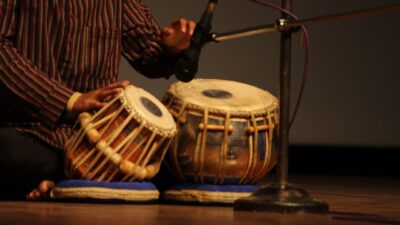
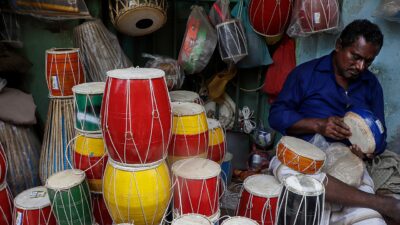
नौशाद ने 'आफ़रीन आफ़रीन' को राग खमाज में रचा — प्रशंसा के भाव को व्यक्त करने के लिए वसंत-संध्या के इस रोमांटिक राग का चुनाव। अपने अधिक गंभीर शास्त्रीय उपचारों के विपरीत, यहाँ उन्होंने धुन को एक लोकप्रिय झूम दी है — मध्यम गति की लय में तबला और ढोलक एक उत्सव का एहसास बनाते हैं। सुरैया की मध्यम श्रेणी की आवाज़ यहाँ सबसे आत्मविश्वासी है — 'आफ़रीन आफ़रीन' का मनचला अंदाज़ गीत की सबसे यादगार बात बन गई।
अंग्रेज़ी में पढ़ें · Read in English
Naushad set 'Afreen Afreen' in Raag Khamaj — choosing the romantic, spring-evening raag to carry the song's mood of rapturous admiration. Unlike his more austere classical treatments, here he gives the melody a popular swing — the tabla and dholak driving a medium-tempo rhythm that makes the song feel like a celebration. The harmonium provides a constant rhythmic-harmonic base, while the strings offer colour rather than weight. Suraiya's voice in the medium register is at its most confident here — she ornaments the high notes with grace without straining, and the playful quality she brings to the refrain 'Afreen Afreen' made it the song's most memorable hook. This is Naushad at his most democratically melodic — not sacrificing classical grammar, but wearing it lightly.
काव्य The Poetry
'आफ़रीन' फ़ारसी से आया शब्द है — अखंड प्रशंसा का उद्गार, जब भाषा सुंदरता के सामने असमर्थ हो जाए। शकील बदायूँनी दोहराव ('आफ़रीन आफ़रीन') का उपयोग शीर्षक-रेफ्रेन और भावनात्मक उत्कर्ष दोनों के रूप में करते हैं — पहली बार आश्चर्य से, दूसरी बार समर्पण से। 'किसने बनाया? कैसे? क्यों?' के लफ़्ज़ गीत को एक दार्शनिक आयाम देते हैं। यह श्रृंगार रस अपने सबसे उल्लासमय रूप में — प्रेम दुःख नहीं, बल्कि आनंदमय अचंभे के रूप में।
अंग्रेज़ी में पढ़ें · Read in English
The word 'afreen' comes from Persian and is an expression of pure, unreserved admiration — used by Persian and Urdu poets when language fails in the face of beauty. Shakeel Badayuni uses the repetition ('Afreen afreen') as both a title refrain and an emotional escalation device — saying it once in wonder, twice in surrender. The rhetorical questions ('Who made you? How? Why?') that follow give the song its poetic structure — not decorative flourishes, but genuine metaphysical wonder at the beloved's existence. This is the shringara rasa at its most exuberant — love not as suffering, but as joyful astonishment.
कहानी The Story
A.R. करदार की दर्द (1947) अपनी नायिका के भावनात्मक जीवन की पूरी श्रृंखला दिखाने के लिए बनाई गई थी — ग़म से ख़ुशी तक, उदासी से आश्चर्य तक। 'आफ़रीन आफ़रीन' फ़िल्म में उस पल पर आता है जब नायिका (सुरैया द्वारा अभिनीत) वास्तविक ख़ुशी अनुभव करती है। नौशाद ने यह धुन एक ही दोपहर में रचा होगा। बंबई में एक जीवित वाद्यवृंद के साथ रिकॉर्डिंग हुई — उस युग की मानक प्रथा।
अंग्रेज़ी में पढ़ें · Read in English
A.R. Kardar's Dard (1947) was structured to show the full range of its protagonist's emotional life — from grief to joy to wonder. 'Afreen Afreen' comes at a moment when the heroine (played by Suraiya) experiences genuine happiness, making its exuberance feel earned within the film's emotional arc. Naushad reportedly wrote this melody in a single afternoon after A.R. Kardar showed him the scene and asked for 'something that sounds like the world is new.' The song was recorded in Bombay with a live ensemble — a standard practice of the era when musicians and singers recorded together in a single session.
विरासत The Legacy
नोट: 'आफ़रीन आफ़रीन' आज राहत फ़तेह अली ख़ान और मोमिना मुस्तेहसान (2016, कोक स्टूडियो पाकिस्तान) के गीत के रूप में सबसे प्रसिद्ध है। 1947 की फ़िल्म का यह गीत उसी अरबी-फ़ारसी विस्मयादिबोधक का उपयोग करने वाली एक अलग रचना है। 1947 का संस्करण आज लोकप्रिय संस्कृति में शायद ही संदर्भित होता है, लेकिन यह भारतीय फ़िल्म संगीत में 'आफ़रीन' रेफ्रेन के शुरुआती महत्त्वपूर्ण उपयोग का प्रतिनिधित्व करता है।
अंग्रेज़ी में पढ़ें · Read in English
Note: 'Afreen Afreen' is most widely known today as a song by Rahat Fateh Ali Khan and Momina Mustehsan (2016, Coke Studio Pakistan). The 1947 film song is a separate composition using the same Arabic-Persian exclamation as its title. The 1947 version is rarely referenced in popular culture today, but represents an important early use of the 'afreen' refrain in Indian film music. The Dard soundtrack as a whole is a landmark in the Naushad-Suraiya collaboration.
वर्गीकरण
Classification- Tempo
- Medium
Genre
अन्य विवरण
More Details- Hindi Film Geet Kosh — Vol. 3, entries for Dard (1947)
- Wikipedia: Suraiya — https://en.wikipedia.org/wiki/Suraiya_(actress)
- Wikipedia: Naushad — https://en.wikipedia.org/wiki/Naushad
- Wikipedia: A.R. Kardar — https://en.wikipedia.org/wiki/A._R._Kardar
References
रोचक तथ्य
Margin Notes'आफ़रीन' शब्द शास्त्रीय फ़ारसी काव्य (रूमी, हाफ़िज़) में दैवीय विस्मय की अभिव्यक्ति के रूप में आता है — शकील का इसे फिल्मी गीत में प्रयोग इस शास्त्रीय उद्गार को जन-जन तक ले आया।
अंग्रेज़ी में पढ़ें · Read in English
The word 'afreen' appears in classical Persian poetry (Rumi, Hafez) as an expression of divine wonder — Shakeel's use of it in a film song brought this classical exclamation to mass audiences.
कोक स्टूडियो 2016 का गीत 'आफ़रीन आफ़रीन' (राहत फ़तेह अली ख़ान द्वारा) पूर्णतः एक अलग रचना है — पर शीर्षक का चुनाव इस शब्द को संगीतमय टेक के रूप में उपयोग करने की इस पुरानी परंपरा को प्रतिध्वनित करता है।
अंग्रेज़ी में पढ़ें · Read in English
The Coke Studio 2016 song 'Afreen Afreen' by Rahat Fateh Ali Khan is a completely different composition — but the title choice echoes this older tradition of using the word as a musical refrain.
दर्द (1947) अपने वर्ष के सबसे भावनात्मक रूप से विविध साउंडट्रैकों में से एक के लिए उल्लेखनीय था — गहरे विलाप से लेकर आनंदमय उत्सव तक, सभी एक सुसंगत शास्त्रीय ढाँचे के भीतर।
अंग्रेज़ी में पढ़ें · Read in English
Dard (1947) was notable for having one of the most emotionally diverse soundtracks of its year — ranging from deep laments to joyful celebrations, all within a consistent classical framework.
उत्सवी फिल्मी गीतों के लिए नौशाद द्वारा राग खमाज के प्रयोग ने एक मिसाल कायम की जिसका अनुसरण 1950 और 60 के दशक के कई संगीतकारों ने किया।
अंग्रेज़ी में पढ़ें · Read in English
Naushad's use of Raag Khamaj for celebratory film songs set a precedent that many composers of the 1950s and 60s would follow.
नमूना-पट्टी
The Specimen Table| शीर्षक | आफ़रीन आफ़रीन · Afreen Afreen |
|---|---|
| फ़िल्म | दर्द · 1947 |
| वर्ष · युग | 1947 — Pre-Independence |
| गायक | Suraiya |
| गीतकार | Shakeel Badayuni |
| संगीतकार | Naushad |
| स्वरूप | एकल महिला |
| गति | मध्यम |
| अवधि | 3:55 |
| भाषा | Urdu · Hindi · Persian |
| वाद्य | harmonium · tabla · dholak · violin |
| भाव | उत्सव · आनंदित · रोमांटिक |
| लोकप्रियता | Popular |
| बोल-स्थिति | केवल झलक |
जुड़े हुए पन्ने
Connected Plates · The Graph Made Visibleअटलस में कोई पन्ना अकेला नहीं — इस गीत से जुड़े गीत, कलाकार, फ़िल्म, राग-ताल-विधा, सब यहाँ से खुलते हैं।
मिलते-जुलते गीत · Related Songs
कलाकार · The Artists
फ़िल्म · The Film
साझा कीजिए · Share this Plate
यह पन्ना आगे बढ़ाइए
आफ़रीन! — फ़ारसी शायरों ने यह लफ़्ज़ तब इस्तेमाल किया जब शब्द कम पड़ जाते थे। सुरैया भी यही करती हैं।
Afreen! — the Persian poets used this word when words failed. Suraiya uses it the same way.
— HindiGeet.in editorial
सवाल-जवाब
Questions & Answersक्या यह 'आफ़रीन आफ़रीन' 2016 के कोक स्टूडियो गीत जैसा है? · Is this 'Afreen Afreen' the same as the 2016 Coke Studio song?
नहीं — दोनों का शीर्षक एक है लेकिन वे बिल्कुल अलग रचनाएँ हैं। 1947 की फ़िल्म 'दर्द' का गीत सुरैया ने नौशाद के संगीत में गाया। 2016 का कोक स्टूडियो संस्करण राहत फ़तेह अली ख़ान और मोमिना मुस्तेहसान की एक आधुनिक रचना है।
No — they share a title but are completely different compositions. The 1947 film song by Suraiya with Naushad's music is from the film Dard. The 2016 Coke Studio version by Rahat Fateh Ali Khan and Momina Mustehsan is a modern composition.
'आफ़रीन' का अर्थ क्या है? · What does 'afreen' mean?
'आफ़रीन' एक फ़ारसी विस्मयादिबोधक है जिसका अर्थ है 'वाह!' या 'शाबाश!' — यह आश्चर्य और प्रशंसा व्यक्त करने के लिए, विशेष रूप से किसी सुंदर या प्रभावशाली चीज़ के लिए। उर्दू शायरी में इसका उपयोग तब होता है जब शब्द सुंदरता का पर्याप्त वर्णन नहीं कर सकते।
'Afreen' is a Persian exclamation meaning 'bravo!' or 'wonderful!' — used to express awe and admiration, especially at something beautiful or impressive. In Urdu poetry, it is used when words cannot adequately describe beauty.