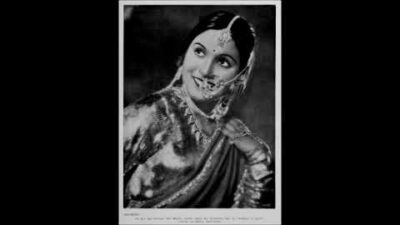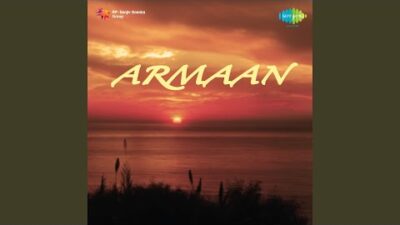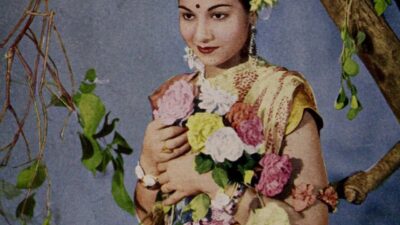
सिनेमा विंग · फ़िल्म-पट्टिका · Film Plate
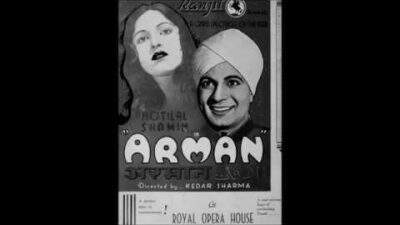
अरमान
Armaan
शैलीSocial Drama · Romance · Musical
भाषाhindi प्रकारकथा-चित्र (फ़ीचर)
गीत9 — नीचे पूरी संगीत-सूची
कथा-सार
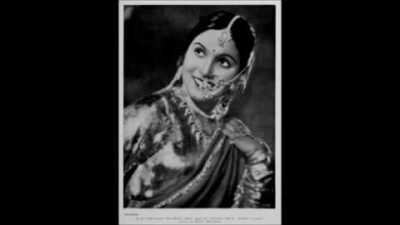
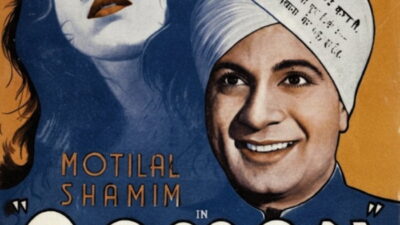
Synopsisएक रोमांटिक मेलोड्रामा जिसमें एक युवा धनी व्यक्ति कँवर साहब (मोतीलाल) अपनी दृष्टि खो देता है, और जब चित्रकार की बेटी मीरा के समर्पण से उसकी आँखों की रोशनी लौटती है, तो वह उसी लड़की को पहचान नहीं पाता जो उससे प्रेम करती है और जिसने उसकी मदद की थी। तड़प और पहचान की भूल के इर्द-गिर्द बुनी यह फ़िल्म कलकत्ता से बम्बई आने के बाद केदार शर्मा की आरंभिक सफलताओं में से एक बनी।
अंग्रेज़ी में पढ़ें · Read in English
A romantic melodrama in which a young, wealthy man, Kanwar Sahib (Motilal), loses his eyesight and, once his sight is restored through the devotion of the artist's daughter Meera, is unable to recognise the very girl who loves and helped him. Built around longing and mistaken recognition, the film became one of Kidar Sharma's early Bombay successes after his move from Calcutta.
संगीत-सूची
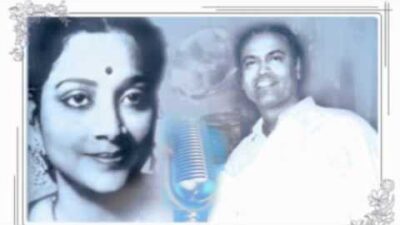
The Soundtrackज्ञान दत्त का संगीत, पूरी तरह केदार शर्मा के बोलों पर आधारित, शमीम और राजकुमारी की आवाज़ों पर टिका था। गीत भक्तिमय मीरा-भजन रंगत ('मीरा के मन में बसो मुरलीधर घनश्याम') से लेकर सावन और रात के मनोभाव वाले गीतों तक फैले हैं, और कम-से-कम एक गीत ('रात सुहानी') अपनी असामान्य चाँदनी-रात की सेरेनेड संरचना के लिए उल्लेखनीय है, जो नाव खेने की लय पर रचा गया और जिसमें पारंपरिक अंतरे के बिना दोहराया जाने वाला मुखड़ा है।
अंग्रेज़ी में पढ़ें · Read in English
Gyan Dutt's score, set entirely to Kidar Sharma's lyrics, leaned on the voices of Shamim and Rajkumari. The songs range from devotional Meera-bhajan colouring ('Mira Ke Mann Me Baso Muralidhar Ghanshyam') to monsoon and night-mood pieces, with at least one number ('Raat Suhani') noted for an unusual moonlight-serenade structure set to a rowing-boat rhythm and a repeated mukhda without a conventional antara.
- दिल की दुनिया जो लुटा दी तेरे दीवाने ने Dil Ki Duniya Jo Luta Di Tere Diwane Ne स्वर: Shamim
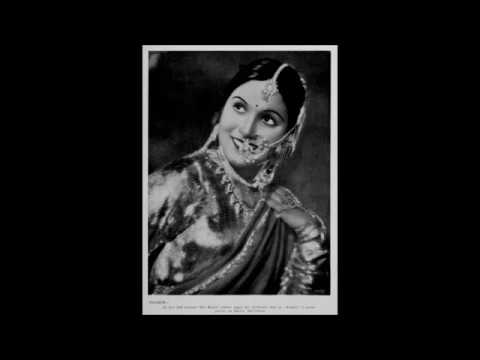
- कबूतर सन्देसा लिये आ रहे हैं Kabutar Sandesa Liye Aa Rahe Hain स्वर: Shamim
- लाओ तो ज़रा दिल को इसे दिल में छिपाऊँ Lao To Zara Dil Ko Ise Dil Me Chhipaun स्वर: Shamim
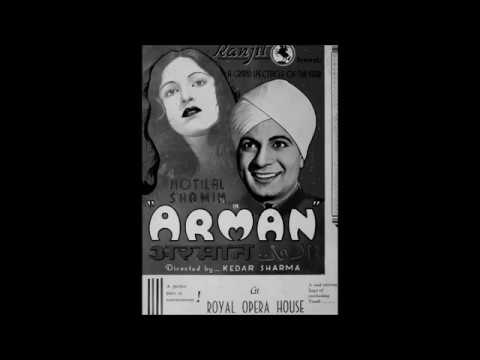
- मीरा के मन में बसो मुरलीधर घनश्याम Mira Ke Mann Me Baso Muralidhar Ghanshyam स्वर: Shamim
- नैनन में अँधियारा Nainan Me Andhiyara
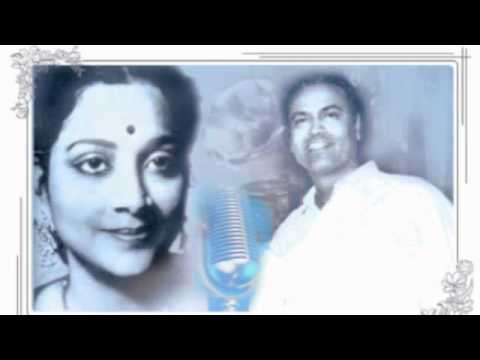
- रात सुहानी रे रात सुहानी Raat Suhani Re Raat Suhani स्वर: Shamim
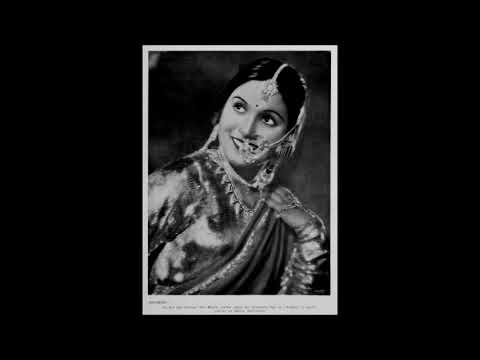
- रुमझुम कर आए बादल Rum Jhum Kar Aaye Badal

- सखियाँ जल भरने आती हैं Sakhiya Jal Bharne Aati Hai
- वो कौन है जो लेता है चुटकियाँ जिगर में Wo Kaun Hai Jo Leta Hai Chutkiya Jigar Me स्वर: Rajkumari

पट्टिका-लेख
The Monographपर्दे के पीछे Behind the Scenes
इस फ़िल्म ने केदार शर्मा के कलकत्ता के न्यू थिएटर्स परिवेश से बम्बई के स्टूडियो तंत्र — रणजीत मूवीटोन — में परिवर्तन को चिह्नित किया, जहाँ उन्होंने निर्देशन भी किया और बोल भी लिखे — यह संयोजन आगे चलकर उनके करियर की पहचान बन गया।
अंग्रेज़ी में पढ़ें · Read in English
The film marked Kidar Sharma's transition from Calcutta's New Theatres milieu to the Bombay studio system at Ranjit Movietone, where he both directed and wrote the lyrics — a combination that would become characteristic of his career.
महत्व Significance
'अरमान' केदार शर्मा द्वारा रणजीत स्टूडियोज़ के लिए निर्देशित पहली फ़िल्म थी और कलकत्ता से बम्बई आने के बाद उनका पहला निर्देशकीय प्रयास। बॉक्स ऑफ़िस पर सफल इस फ़िल्म ने मोतीलाल को 'ससुराल' (1941) और 'परदेसी' (1941) के साथ लगातार हिट दीं, और 1940 के दशक के आरंभिक रणजीत संगीत के लिए ज्ञान दत्त के मधुर, संरचनात्मक रूप से नवीन रचना-कौशल को सामने लाया।
अंग्रेज़ी में पढ़ें · Read in English
Armaan was the first film Kidar Sharma directed for Ranjit Studios and his first directorial venture in Bombay following his move from Calcutta. A box-office success, it gave Motilal a run of back-to-back hits alongside Sasural (1941) and Pardesi (1941), and showcased Gyan Dutt's melodic, structurally inventive composing for the early-1940s Ranjit sound.
विरासत Legacy
'अरमान' केदार शर्मा के प्रभावशाली बम्बई निर्देशकीय करियर के आरंभ में खड़ी है — वही धारा जो आगे चलकर हिन्दी सिनेमा को राज कपूर और मधुबाला के शुरुआती अवसर देगी। इसकी व्यावसायिक सफलता ने मोतीलाल को 1940 के दशक के आरंभ के एक प्रमुख रोमांटिक सितारे के रूप में स्थापित करने में मदद की।
अंग्रेज़ी में पढ़ें · Read in English
Armaan sits at the start of Kidar Sharma's influential Bombay directorial career, the same arc that would later give Hindi cinema Raj Kapoor and Madhubala their early breaks. Its commercial success helped cement Motilal as a leading romantic star of the early 1940s.
नमूना-पट्टी
The Specimen Table| शीर्षक | अरमान · Armaan |
|---|---|
| वर्ष · युग | 1942 — Golden Era Prelude |
| निर्देशक | केदार शर्मा · Kidar Sharma |
| संगीत-निर्देशक | ज्ञान दत्त · Gyan Dutt |
| गीतकार | केदार शर्मा · Kidar Sharma |
| कलाकार-मंडली | मोतीलाल · Motilal · शमीम · Shamim · नागेन्द्र मजूमदार · Nagendra Majumdar · भगवानदास · Bhagwandas · राजकुमारी · Rajkumari · ए. शाह · A. Shah |
| निर्माण-गृह | Ranjit Studios, Bombay |
| शैली | Social Drama · Romance · Musical |
| भाषा | hindi |
| प्रकार | कथा-चित्र (फ़ीचर) |
| गीत | 9 गीत — ऊपर पूरी संगीत-सूची |
जुड़े हुए पन्ने
Connected Plates · The Graph Made Visibleअटलस में कोई पन्ना अकेला नहीं — 'अरमान' से उसके गीत, कलाकार, राग और युग, सब जुड़े हैं।
इस फ़िल्म के गीत · Songs of this Film
कलाकार · Cast & Crew
युग · The Era
साझा कीजिए · Share this Plate