कहानियाँ विंग · कहानी · Music History · 1933
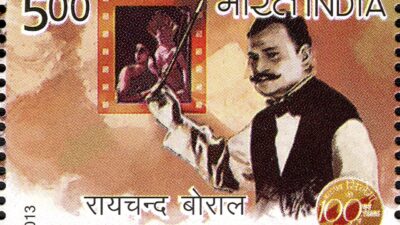
संगीत-निर्देशन का जन्म — न्यू थिएटर्स और राय चाँद बोराल
The Birth of Music Direction — New Theatres and R.C. Boral
प्रकाशित20 June 2026
आमुख
1933 में न्यू थिएटर्स, कलकत्ता से दो फ़िल्में — 'पुरन भगत' (संगीत: राय चाँद बोराल) और 'याहूदी की लड़की' (संगीत: पंकज मुलिक) — ने दिखाया कि हिंदी फ़िल्म-संगीत में एक सोचा-समझा संगीत-निर्देशन क्या कर सकता है: रागों और लोक-सुरों का संगम, पूर्ण ऑर्केस्ट्रा, और K.L. सैगल जैसी आवाज़ को सँवारने की दृष्टि।
अंग्रेज़ी में पढ़ें · Read in English
In 1933, two New Theatres films — Puran Bhagat (music: R.C. Boral) and Yahudi Ki Ladki (music: Pankaj Mullick) — demonstrated what considered music direction could achieve in Hindi cinema: the marriage of ragas and folk melody, a full orchestra, and the vision to shape a voice like K.L. Saigal's.
10 फ़रवरी 1931 — एक स्टूडियो खुलता है
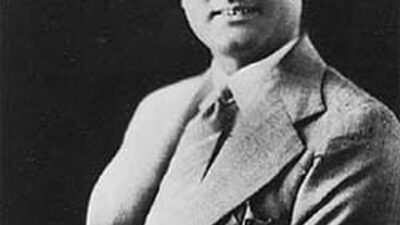
10 February 1931 — a studio opensजब B.N. सरकार ने 10 फ़रवरी 1931 को कलकत्ता में न्यू थिएटर्स की नींव रखी, तो संगीत-विभाग के प्रमुख के लिए उनकी पहली पसंद एक ही नाम था — राय चाँद बोराल। बोराल 1927 से ही कलकत्ता के इंडियन ब्रॉडकास्टिंग कंपनी स्टेशन के संगीत-प्रमुख थे; उनकी तालीम रामपुर और ग्वालियर घरानों के उस्तादों — उस्ताद मुश्ताक़ हुसैन ख़ान और उस्ताद हाफ़िज़ अली ख़ान — से हुई थी। न्यू थिएटर्स में वे अकेले न थे: पंकज मुलिक — धृपद, ख़याल, टप्पा में पारंगत, रवींद्र-संगीत के दूत — उनके साथ संगीत-विभाग सँभालते थे। दो संगीतकार, एक लक्ष्य: भारतीय सिनेमा को वह संगीत-भाषा देना जो अभी तक किसी के पास न थी।
अंग्रेज़ी में पढ़ें · Read in English
When B.N. Sircar founded New Theatres in Calcutta on 10 February 1931, his first choice to head the music department was a single name — Raichand Boral. Boral had been music chief at the Indian Broadcasting Company's Calcutta station since 1927; his training came from masters of the Rampur and Gwalior traditions — Ustad Mushtaq Husain Khan and Ustad Hafiz Ali Khan. He was not alone at New Theatres: Pankaj Mullick — trained in dhrupad, khayal and tappa, the great apostle of Rabindra Sangeet — shared the music department with him. Two composers, one aim: to give Indian cinema a musical language it did not yet possess.
1933 — दो फ़िल्में, दो आवाज़ें, एक दस्तख़त
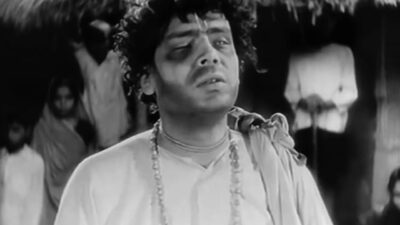
1933 — two films, two voices, one signature1933 में न्यू थिएटर्स ने एक साथ दो अलग-अलग संगीत-संसार खोले। देबकी बोस निर्देशित 'पुरन भगत' में राय चाँद बोराल का संगीत था — और यह बोराल की पहली हिट हिंदी फ़िल्म साबित हुई। K.L. सैगल ने इसमें भक्ति-भजन गाए जो सारे भारत में गूँजे; अंधे कीर्तन-गायक K.C. डे — जिन्होंने 14 बरस की उम्र में आँखें खो दी थीं, पर जिनकी आवाज़ में ईश्वर की तलाश जीवित थी — ने 'जाओ जाओ ऐ मेरे साधु' जैसे भक्ति-गीत गाए। बोराल ने रागों की बुनावट में लोक-सुरों का ताना-बाना बुना — एक नया हिंदुस्तानी-चलचित्र संगीत जन्म लेता दिखा। उसी वर्ष, प्रेमांकुर आतर्थी निर्देशित 'याहूदी की लड़की' में पंकज मुलिक ने स्वतंत्र हिंदी संगीत-निर्देशक के रूप में पहली बार कदम रखा। दोनों फ़िल्में एक ही घराने की थीं, पर दोनों का मिज़ाज अलग — 'पुरन भगत' में भक्ति की गहराई, 'याहूदी की लड़की' में नाटकीय शोख़ी। यही न्यू थिएटर्स की ताक़त थी।
अंग्रेज़ी में पढ़ें · Read in English
In 1933 New Theatres opened two distinct musical worlds at once. Debaki Bose's Puran Bhagat carried R.C. Boral's music — and it became Boral's first hit Hindi film. K.L. Saigal sang devotional bhajans that resonated across India; the blind kirtan singer K.C. Dey — who had lost his sight at fourteen yet whose voice carried an undiminished search for the divine — sang devotional songs including 'Jao Jao Aye Mere Sadhu'. Boral wove folk melody into the fabric of classical ragas, and a new Hindustani-cinematic idiom was heard taking shape. That same year, Premankur Atorthy's Yahudi Ki Ladki saw Pankaj Mullick step out as an independent Hindi music director for the first time. Both films came from the same studio, but their temperaments were different — devotional depth in Puran Bhagat, dramatic vivacity in Yahudi Ki Ladki. That range was New Theatres' true strength.
ऑर्केस्ट्रा, पृष्ठभूमि-संगीत, और एक नई भाषा
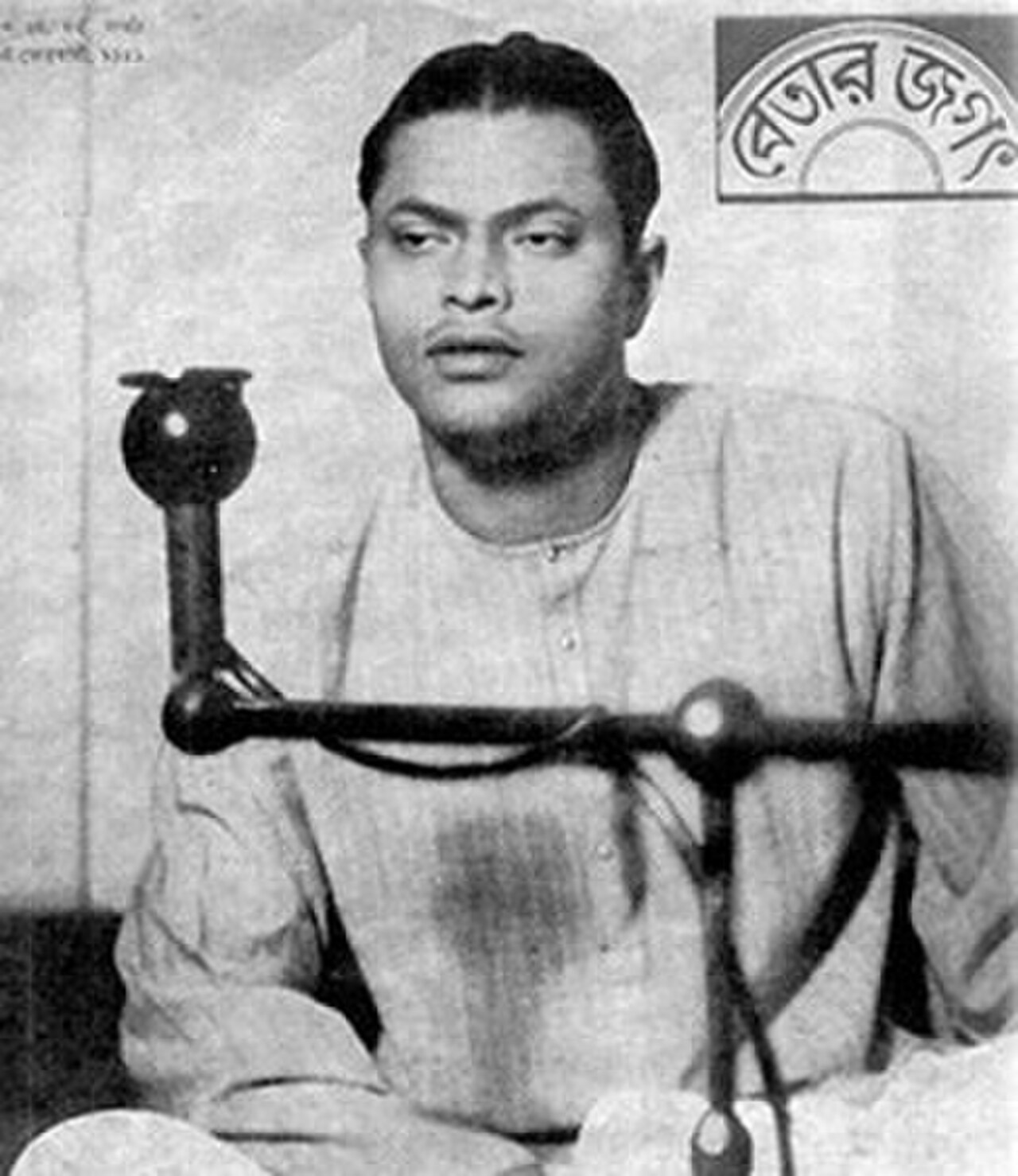
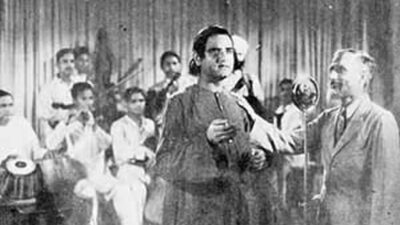
Orchestra, background score, and a new languageराय चाँद बोराल के न्यू थिएटर्स में योगदान को केवल धुनों से नहीं नापा जा सकता। उन्होंने हिंदी फ़िल्मों में वादकों का एक पूर्ण दल — सितार, सारंगी, वायलिन की तारें, और पश्चिमी वाद्य जैसे पियानो, ऑर्गन, चेलो — को एक साथ जोड़ा। उत्तर भारत की ग़ज़ल, ठुमरी और खयाल को 19वीं सदी के बंगाली सुरों से मिलाकर उन्होंने एक ऐसा संगीत बनाया जो न पूरब का था, न पश्चिम का — बल्कि दोनों का था। जो संगीतकार उनके ऑर्केस्ट्रा से निकले — पन्नालाल घोष, जयदेव — वे आगे चलकर भारतीय संगीत के दिग्गज बने। बोराल ने केवल धुनें नहीं बनाईं; उन्होंने संगीत-निर्देशन को एक पेशे के रूप में, एक कला-शाखा के रूप में, परिभाषित किया। इसीलिए संगीत-प्रेमी उन्हें 'भारतीय फ़िल्म-संगीत का भीष्म पितामह' कहते हैं।
अंग्रेज़ी में पढ़ें · Read in English
R.C. Boral's contribution to New Theatres cannot be measured in melodies alone. He assembled a full ensemble for Hindi films — strings of sitar, sarangi and violin alongside western instruments such as piano, organ and cello. By dissolving the ghazal, thumri and khayal of northern India into nineteenth-century Bengali melodic traditions, he created a music that belonged neither wholly to the east nor to the west, but to both at once. Composers who emerged from his orchestra — Pannalal Ghosh, Jaidev — went on to become legends in their own right. Boral did not merely compose tunes; he defined music direction as a profession, as a discipline, as an art form. It is for this reason that connoisseurs call him the 'Bhishma Pitamah of Indian film music' — its founding patriarch.
परिचय
Identity- Epithet
- In a Calcutta studio, Hindi film music found its soul
अन्य विवरण
More DetailsKey Figures
कहानी-नमूना
The Story Specimen| शीर्षक | संगीत-निर्देशन का जन्म — न्यू थिएटर्स और राय चाँद बोराल · The Birth of Music Direction — New Theatres and R.C. Boral |
|---|---|
| श्रेणी | Music History |
| प्रकार | विशेष लेख |
| प्रकाशित | 20 June 2026 — admin |
| वर्ष | 1933 |
और कहानियाँ
More Stories from the Atlas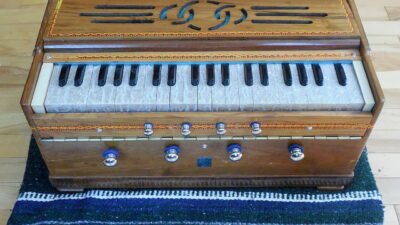

साझा कीजिए · Share this Plate
यह पन्ना आगे बढ़ाइए
सवाल-जवाब
Questions & Answersराय चाँद बोराल को 'भारतीय फ़िल्म-संगीत का पितामह' क्यों कहा जाता है? · Why is R.C. Boral called the patriarch of Indian film music?
बोराल ने न्यू थिएटर्स में पहली बार हिंदी फ़िल्मों के लिए पूर्ण ऑर्केस्ट्रा का प्रयोग किया — सितार, सारंगी, वायलिन के साथ पियानो और चेलो भी। उन्होंने उत्तर भारतीय शास्त्रीय परंपरा को बंगाली सुरों से मिलाया, पृष्ठभूमि-संगीत की नींव रखी, और K.L. सैगल जैसी प्रतिभाओं को सँवारा। 1978 में उन्हें दादासाहेब फाल्के पुरस्कार मिला।
Boral was among the first to deploy a full orchestra for Hindi films at New Theatres — sitar, sarangi and violin alongside piano and cello. He fused the north Indian classical tradition with Bengali melodic forms, laid foundations for background scoring, and shaped talents like K.L. Saigal. He received the Dadasaheb Phalke Award in 1978.
1933 में न्यू थिएटर्स की दो प्रमुख संगीत-फ़िल्में कौन-सी थीं? · What were New Theatres' two landmark music films of 1933?
'पुरन भगत' (निर्देशक देबकी बोस, संगीत राय चाँद बोराल) — K.L. सैगल के भजनों ने पूरे भारत में धूम मचाई; और 'याहूदी की लड़की' (निर्देशक प्रेमांकुर आतर्थी, संगीत पंकज मुलिक) — जो पंकज मुलिक का हिंदी संगीत-निर्देशन में पहला स्वतंत्र क़दम था।
Puran Bhagat (dir. Debaki Bose, music R.C. Boral) — K.L. Saigal's bhajans resounded across India; and Yahudi Ki Ladki (dir. Premankur Atorthy, music Pankaj Mullick) — which marked Pankaj Mullick's debut as an independent Hindi music director.