कहानियाँ विंग · कहानी · Music History · 1933
रंग का सपना: सैरंध्री और प्रभात का जर्मन प्रयोग
A Dream in Colour: Sairandhri and Prabhat's German Experiment
प्रकाशित20 June 2026
आमुख
वी. शांताराम और प्रभात फ़िल्म कंपनी का 1933 का वह दुस्साहसी प्रयास जिसने जर्मनी की UFA प्रयोगशाला में बाइपैक रंग-छाप से भारतीय सिनेमा का पहला रंगीन स्वप्न देखा — और जब रंग चटखे निकले तो श्वेत-श्याम में रिलीज़ हुई, खोई हुई रही।
अंग्रेज़ी में पढ़ें · Read in English
V. Shantaram and Prabhat Film Company's audacious 1933 experiment that sent reels to UFA studios in Germany for Bipack colour printing — India's first colour-film dream — only to release in black and white when the hues proved too garish. The film is now lost.
द्रौपदी की आग और रंग का सपना
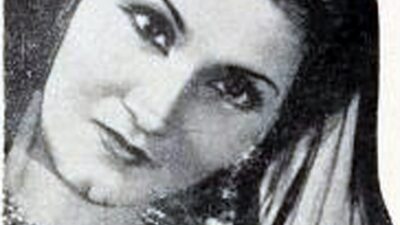
Draupadi's fire and a dream of colour1933 में प्रभात फ़िल्म कंपनी महाभारत के एक दारुण प्रसंग पर काम कर रही थी। वनवास के बारहवें वर्ष में पाण्डव राजा विराट के दरबार में छिपे हुए हैं; द्रौपदी 'सैरंध्री' के वेश में रानी सुदेष्णा की दासी बनी है। वहाँ राजा का साला कीचक उस पर कुदृष्टि डालता है और भीम — रसोइये के भेस में — कीचक का वध करता है। इस अपमान और वीरता की कथा को वी. शांताराम ने न केवल पर्दे पर उतारा, बल्कि उसे रंग में दिखाने का दुस्साहसी स्वप्न भी देखा। फ़िल्म मराठी और हिंदी — दोनों भाषाओं में एक साथ बनाई गई, लीला ने सैरंध्री की भूमिका निभाई और मास्टर विनायक ने राजा विराट का किरदार अदा किया। संगीत गोविंदराव तेंबे का था — वही जो एक वर्ष पहले 'अयोध्येचा राजा' (1932) में राजा हरिश्चंद्र बने थे और संगीत निर्देशन भी किया था।
अंग्रेज़ी में पढ़ें · Read in English
In 1933, the Prabhat Film Company was at work on a harrowing episode from the Mahabharata. In the twelfth year of the Pandavas' exile, Draupadi disguises herself as Sairandhri, servant-maid to Queen Sudeshna in King Virata's palace. There, the king's brother-in-law Kichaka casts an evil eye on her, and Bhima — hidden in the palace as a cook — slays him. V. Shantaram brought this story of humiliation and heroism to screen in a bilingual production — simultaneously in Marathi and Hindi — with Leela as Sairandhri and Master Vinayak as King Virata. Music was by Govindrao Tembe, the same composer-actor who a year earlier had played Raja Harishchandra in Ayodhyecha Raja (1932). The film was also a remake of Baburao Painter's 1920 silent and Prabhat's own 1928 Keechak Vadhan.
अग्फ़ा नेगेटिव, जर्मन रंग — और वह निराशा
Agfa negative, German colour — and the disappointmentशांताराम के मन में एक और महत्त्वाकांक्षा थी — रंग। फ़िल्म अग्फ़ा के श्वेत-श्याम 35-मिलीमीटर नेगेटिव पर शूट की गई, पर रंगीन प्रिंट बनाने के लिए रीलें जर्मनी के UFA स्टूडियो भेजी गईं, जहाँ बाइपैक कलर प्रिंटिंग प्रक्रिया से प्रिंट तैयार होने थे। यह भारतीय सिनेमा का पहला रंगीन प्रयास था। किंतु जब प्रिंट वापस आए तो रंग इतने चटख और भड़कीले थे कि पर्दे पर देखना असह्य लगा। प्रभात के साझेदारों ने निर्णय लिया — यह फ़िल्म रंग में नहीं चलेगी। 'सैरंध्री' श्वेत-श्याम में रिलीज़ हुई; दर्शकों ने उसे नकारा और वह एक सप्ताह से कम चली। भारतीय सिनेमा का पहला रंगीन स्वप्न अपनी पहली झलक दिखाने से पहले ही मुरझा गया।
अंग्रेज़ी में पढ़ें · Read in English
Shantaram harboured a second ambition — colour. The film was shot on Agfa black-and-white 35mm negative, but the reels were dispatched to UFA studios in Germany, where prints were to be made by the Bipack colour printing process. This was Indian cinema's first attempt at colour. But when the prints returned, the hues were so garish and over-saturated that they were deemed unfit for exhibition. Prabhat's partners resolved: the film would not go out in colour. Sairandhri was released in black and white; audiences rejected it and it ran for less than a week. Indian cinema's first dream of colour withered before it could be seen.
खोई हुई दासी — और गोविंदराव का संगीत
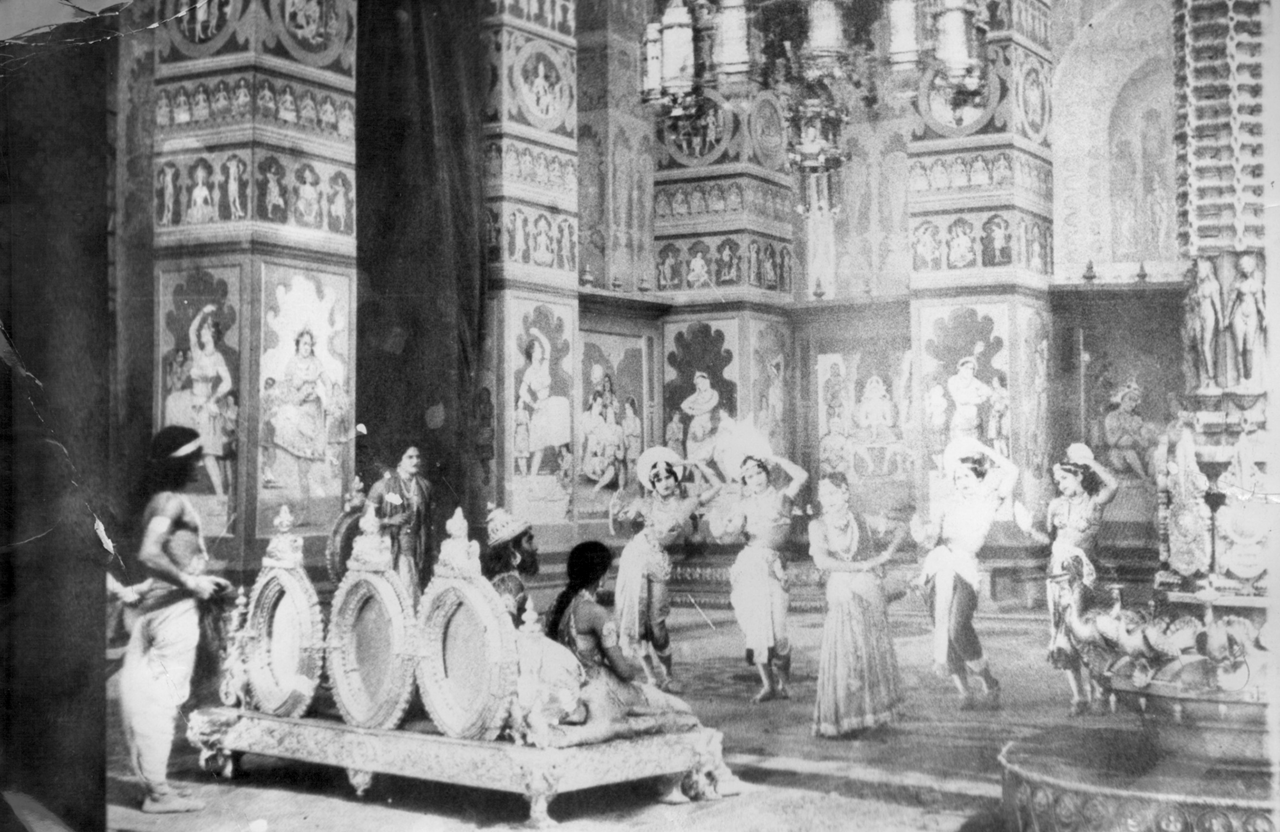
The lost maid — and Govindrao's music'सैरंध्री' आज एक खोई हुई फ़िल्म है — राष्ट्रीय फ़िल्म अभिलेखागार के संस्थापक पी.के. नायर ने इसे भारत की 'सर्वाधिक वांछित गुम फ़िल्मों' में गिना है। जो बचा है वह कुछ तस्वीरें और पोस्टर हैं — और गोविंदराव तेंबे का संगीत, जो अपने स्वर-विरासत में जीवित रहा। कोल्हापुर के संगीत नाटक की परंपरा से आए तेंबे हिंदुस्तानी शास्त्रीय संगीत और हारमोनियम के बीच एक अनूठा सेतु थे। उनकी रचनाओं में भक्ति और नाट्य का संगम था — ऐसा संगीत जो फ़िल्म खो जाने के बाद भी स्मृति में टिका रहा। 1937 में 'किसान कन्या' ने भारत में देशी स्तर पर पहली रंगीन फ़िल्म बनाने का गौरव पाया; 'सैरंध्री' का वह स्वप्न चार वर्ष पहले ही देखा जा चुका था — बस, साकार न हो सका।
अंग्रेज़ी में पढ़ें · Read in English
Sairandhri is today a lost film — P.K. Nair, founder of the National Film Archive of India, listed it among the country's twenty-one most wanted missing films. What survives are a few stills, posters, and the musical legacy of Govindrao Tembe. Tembe, rooted in the Kolhapur Sangeet Natak tradition, built an unlikely bridge between Hindustani classical music and the harmonium; his compositions blended devotion and drama in a way that outlasted the celluloid. When Kisan Kanya (1937) became the first Indian colour film made and processed entirely within India, the honour was genuine — but Sairandhri's dream of colour had already been dreamed four years earlier, and quietly extinguished.
परिचय
Identity- Epithet
- India's first colour film — that was never seen in colour
अन्य विवरण
More DetailsKey Figures
कहानी-नमूना
The Story Specimen| शीर्षक | रंग का सपना: सैरंध्री और प्रभात का जर्मन प्रयोग · A Dream in Colour: Sairandhri and Prabhat's German Experiment |
|---|---|
| श्रेणी | Music History |
| प्रकार | विशेष लेख |
| प्रकाशित | 20 June 2026 — admin |
| वर्ष | 1933 |
और कहानियाँ
More Stories from the Atlas

साझा कीजिए · Share this Plate
यह पन्ना आगे बढ़ाइए
सवाल-जवाब
Questions & Answersक्या 'सैरंध्री' (1933) वास्तव में भारत की पहली रंगीन फ़िल्म थी? · Was Sairandhri (1933) truly India's first colour film?
यह भारतीय सिनेमा का पहला रंगीन प्रयास था — अग्फ़ा नेगेटिव पर शूट और जर्मनी के UFA स्टूडियो में बाइपैक प्रक्रिया से रंगीन प्रिंट बने। किंतु रंग अत्यधिक चटखे निकले और फ़िल्म श्वेत-श्याम में रिलीज़ हुई। पूरी तरह भारत में बनी पहली रंगीन फ़िल्म का श्रेय 'किसान कन्या' (1937) को जाता है।
It was Indian cinema's first colour experiment — shot on Agfa negative and printed in colour at UFA studios in Germany by Bipack process. But the colours proved too garish and the film was released in black and white. The distinction of the first colour film made entirely within India goes to Kisan Kanya (1937).
'सैरंध्री' की कथा महाभारत के किस प्रसंग पर आधारित है? · What episode from the Mahabharata is Sairandhri based on?
वनवास के बारहवें वर्ष में द्रौपदी 'सैरंध्री' के नाम से राजा विराट की रानी सुदेष्णा की दासी बनती है। राजा का साला कीचक उस पर बुरी नज़र डालता है; भीम — रसोइये के वेश में — कीचक का वध करता है। यह अज्ञातवास का सबसे नाटकीय प्रसंग है।
In the twelfth year of exile, Draupadi enters King Virata's palace as Sairandhri, servant-maid to Queen Sudeshna. The king's brother-in-law Kichaka molests her; Bhima, disguised as the palace cook, slays him. It is the most dramatic episode of the Pandavas' incognito year.