कहानियाँ विंग · कहानी · Recording History · 1914
जब जंग ने तवे छीन लिए: 1914 और भारतीय रिकॉर्ड-उद्योग
When the War Took the Discs: 1914 and the Indian Record Trade
अगस्त 1914 में यूरोप की जंग ने भारतीय संगीत के पहले सुनहरे रिकॉर्डिंग-दौर पर परदा गिरा दिया: जर्मन कंपनियाँ रातों-रात दुश्मन हो गईं, शैलक जंगी माल बन गया, और कलकत्ते का सियालदह कारख़ाना अकेला सहारा रह गया। उसी अक्टूबर में फ़ैज़ाबाद के एक घर में एक बच्ची जन्मी — अख़्तरी बाई — जैसे इतिहास एक युग का हिसाब बंद कर अगले का खाता खोल रहा हो।
प्रकाशित19 June 2026 पाठ८ मिनट का पाठ
आमुख
1914 की कथा — पहले विश्वयुद्ध ने भारतीय रिकॉर्ड-व्यापार को कैसे बदला: जर्मन लेबलों (बेका, ओडियन) की विदाई, शैलक की किल्लत, ग्रामोफ़ोन कंपनी का एकछत्र राज, सियालदह कारख़ाने की दूरदर्शिता — और एक युग का अंत जिसकी शुरुआत 1902 में गौहर जान की पहली रिकॉर्डिंग से हुई थी। साथ ही उस जन्म की कहानी, जो इस अंत के ठीक बीच हुआ: बेगम अख़्तर।
अंग्रेज़ी में पढ़ें · Read in English
The story of 1914 — how the First World War remade the Indian record trade: the exit of the German labels (Beka, Odeon), the shellac squeeze, the Gramophone Company's near-monopoly, the foresight of the Sealdah factory — and the end of an era that had begun with Gauhar Jaan's first recording in 1902. And the story of the birth that fell exactly in the middle of that ending: Begum Akhtar.
बारह बरस का सुनहरा दौर
Twelve Golden Years1902 में कलकत्ते के एक होटल के कमरे में गौहर जान के सामने पहली बार भोंपू रखा गया था; 1914 आते-आते भारतीय रिकॉर्ड-व्यापार हज़ारों शीर्षकों, लाखों तवों और दर्जनों लेबलों का संसार बन चुका था। ग्रामोफ़ोन कंपनी की अगुवाई में बाज़ार बढ़ा, पर अकेली वही नहीं थी: जर्मनी की बेका और ओडियन (कार्ल लिंडस्ट्रॉम समूह) भारतीय गायकों को रिकॉर्ड कर यूरोप में तवे ढालकर वापस भारतीय बाज़ार में बेचती थीं; और भी छोटे-बड़े खिलाड़ी आते-जाते रहे। बारह बरस में रिकॉर्ड शहरों के बैठकख़ानों से क़स्बों की दुकानों तक पहुँच गया था। यह पहला सुनहरा दौर था — और किसी को अंदाज़ा नहीं था कि उसका अंत सरहदों के उस पार लिखा जा रहा है।
अंग्रेज़ी में पढ़ें · Read in English
In 1902, in a Calcutta hotel room, a recording horn had been set before Gauhar Jaan for the first time; by 1914 the Indian record trade was a world of thousands of titles, lakhs of discs and a crowd of labels. The Gramophone Company led the market but did not own it alone: Germany's Beka and Odeon (the Carl Lindström group) recorded Indian singers, pressed the discs in Europe and sold them back into India; smaller players came and went. In twelve years the record had travelled from city drawing rooms to small-town shops. It was the first golden era — and no one guessed that its ending was being written beyond the borders.
अगस्त 1914: दुश्मन लेबल
August 1914: Enemy Labels4 अगस्त 1914 को ब्रिटेन ने जर्मनी के विरुद्ध युद्ध की घोषणा की — और उसी क्षण ब्रिटिश भारत में जर्मन कारोबार 'शत्रु-संपत्ति' हो गए। बेका और ओडियन की भारतीय कैटलॉगें ठप; जर्मन प्रेसिंग-कारख़ानों से आने वाले तवों के जहाज़ बंद; एजेंसियाँ ज़ब्ती और निगरानी की ज़द में। समुद्री रास्ते युद्धपोतों के शिकारगाह बन गए, और शैलक — वही लाख की राल जो भारत ही दुनिया को देता था और जिससे दुनिया भर के रिकॉर्ड ढलते थे — सामरिक माल घोषित होकर नियंत्रण में चला गया। विडंबना पूरी थी: रिकॉर्ड का कच्चा माल हिन्दुस्तान से जाता था, पर जंग की पहली चोट हिन्दुस्तान के ही रिकॉर्ड-बाज़ार पर पड़ी। नए तवे घटे, दाम चढ़े, और कैटलॉग सिकुड़कर आज़माए हुए नामों पर टिक गए।
अंग्रेज़ी में पढ़ें · Read in English
On 4 August 1914 Britain declared war on Germany — and in that moment German businesses in British India became enemy property. Beka's and Odeon's Indian catalogues froze; the ships carrying discs from German pressing plants stopped; agencies fell under seizure and surveillance. The sea lanes became hunting grounds for warships, and shellac — the lac resin that India itself supplied to the world, from which the world's records were pressed — was declared strategic material and brought under control. The irony was complete: the raw material of the record came from India, yet the war's first blow landed on India's own record market. New issues shrank, prices climbed, and the catalogue contracted onto proven names.

सियालदह की दूरदर्शिता
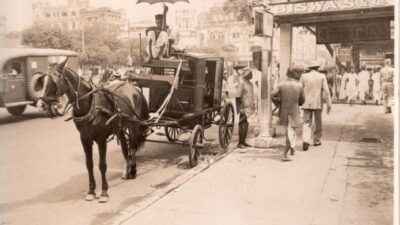
The Foresight of Sealdahइस संकट में ग्रामोफ़ोन कंपनी के पास वह चीज़ थी जो किसी प्रतिद्वंद्वी के पास नहीं थी: कलकत्ते के सियालदह में 1908 से चलता अपना प्रेसिंग-कारख़ाना — एशिया के सबसे आरंभिक रिकॉर्ड-कारख़ानों में से एक। जब यूरोप से आपूर्ति कटी, तो भारतीय कैटलॉग घरेलू ढलाई के बूते ज़िंदा रहा। नतीजा दुहरा निकला: भारतीय बाज़ार पर कंपनी का लगभग एकछत्र राज, और भारतीय रिकॉर्ड-उद्योग की आत्मनिर्भरता का पहला सबूत। जंग के बरसों में गौहर जान, जानकी बाई और पीरा साहब जैसे जमे हुए सितारे ही कैटलॉग की रीढ़ रहे — नए प्रयोगों की जगह भरोसेमंद बिक्री ने ले ली। पहला रिकॉर्डिंग-उत्सव (1902–1914) यहीं सिमट गया; उद्योग अपने युद्धकालीन संस्करण में दाख़िल हो गया।
अंग्रेज़ी में पढ़ें · Read in English
In this crisis the Gramophone Company possessed what no rival did: its own pressing factory at Sealdah, Calcutta, running since 1908 — among the earliest record factories in Asia. When supply from Europe was severed, the Indian catalogue survived on domestic pressing. The result was double: a near-monopoly for the company in the Indian market, and the first proof of the Indian record industry's self-sufficiency. Through the war years the established stars — Gauhar Jaan, Janki Bai, Peara Saheb — formed the catalogue's spine, dependable sales replacing new experiment. The first recording boom (1902–1914) closed here; the industry entered its wartime edition.
फ़ैज़ाबाद में एक जन्म
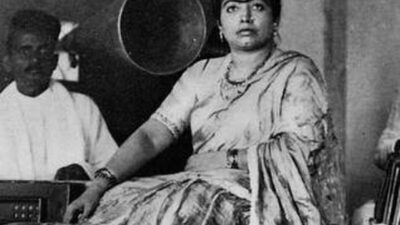
A Birth in Faizabadऔर ठीक इसी मोड़ पर इतिहास ने अपना सबसे सुंदर वाक्य लिखा। 7 अक्टूबर 1914 को — जंग छिड़ने के दो महीने बाद — अवध के फ़ैज़ाबाद में अख़्तरी बाई का जन्म हुआ। जिस तवायफ़-परंपरा का पहला रिकॉर्डिंग-युग बंद हो रहा था, उसी की कोख से वह आवाज़ आई जो ग़ज़ल और ठुमरी को माइक्रोफ़ोन, रेडियो और कचहरी-बंदिशों के पार नए ज़माने में ले जाएगी — बेगम अख़्तर। गौहर जान जिस सदी का दरवाज़ा खोलकर आई थीं, अख़्तरी उसे पार ले जाने के लिए जन्मी थीं। 1914 इसीलिए सिर्फ़ अंत का साल नहीं है: यह वह साल है जिसमें भारतीय संगीत ने एक हाथ से अपना पहला युग विदा किया और दूसरे हाथ से अगले युग को पालने में झुलाया।
अंग्रेज़ी में पढ़ें · Read in English
And at exactly this turning, history wrote its most beautiful sentence. On 7 October 1914 — two months into the war — Akhtari Bai was born at Faizabad in Awadh. From the womb of the very tawaif tradition whose first recording era was closing came the voice that would carry the ghazal and the thumri across into the new age of microphone and radio — Begum Akhtar. Gauhar Jaan had opened the century's door; Akhtari was born to walk it through. That is why 1914 is not merely a year of endings: it is the year Indian music bade farewell to its first era with one hand and rocked the next era's cradle with the other.
परिचय
IdentityEpithet
अगस्त 1914 में यूरोप की जंग ने भारतीय संगीत के पहले सुनहरे रिकॉर्डिंग-दौर पर परदा गिरा दिया: जर्मन कंपनियाँ रातों-रात दुश्मन हो गईं, शैलक जंगी माल बन गया, और कलकत्ते का सियालदह कारख़ाना अकेला सहारा रह गया। उसी अक्टूबर में फ़ैज़ाबाद के एक घर में एक बच्ची जन्मी — अख़्तरी बाई — जैसे इतिहास एक युग का हिसाब बंद कर अगले का खाता खोल रहा हो।
In August 1914 the European war rang the curtain down on Indian music's first golden recording era: German companies became enemies overnight, shellac became war material, and Calcutta's Sealdah factory was left the trade's lone support. That same October, in a house in Faizabad, a girl was born — Akhtari Bai — as if history were closing one era's ledger and opening the next.
अन्य विवरण
More Details- रिकॉर्ड का कच्चा माल हिन्दुस्तान से जाता था — पर जंग की पहली चोट हिन्दुस्तान के ही रिकॉर्ड-बाज़ार पर पड़ी। · The raw material of the record came from India — yet the war's first blow landed on India's own record market.
- ग्रामोफ़ोन कंपनी
- बेका और ओडियन (कार्ल लिंडस्ट्रॉम)
- गौहर जान, जानकी बाई, पीरा साहब
- अख़्तरी बाई फ़ैज़ाबादी (बेगम अख़्तर)
- Michael Kinnear, discographies of early Indian recordings (Bajakhana)
- Histories of the gramophone industry in World War I (Gramophone Company / Carl Lindström AG)
- Begum Akhtar biographical literature (birth, Faizabad, 7 October 1914)
- The Record News — journal of the Society of Indian Record Collectors
Pull Quotes
Key Figures
References
कहानी-नमूना
The Story Specimen| शीर्षक | जब जंग ने तवे छीन लिए: 1914 और भारतीय रिकॉर्ड-उद्योग · When the War Took the Discs: 1914 and the Indian Record Trade |
|---|---|
| श्रेणी | Recording History |
| प्रकार | विशेष लेख |
| पाठ-समय | ८ मिनट का पाठ |
| प्रकाशित | 19 June 2026 — admin |
| वर्ष | 1914 |
| टैग | world_war_1 · gramophone_company · beka_records · odeon · shellac · sealdah_factory · begum_akhtar · 1914 |
और कहानियाँ
More Stories from the Atlas
साझा कीजिए · Share this Plate