कहानियाँ विंग · कहानी · Music History · 1938
बादशाह का विलाप: लखनऊ 1856 से कलकत्ता 1938
The King's Lament: From Lucknow 1856 to Calcutta 1938
बादशाह का विलाप: लखनऊ 1856 से कलकत्ता 1938
प्रकाशित18 June 2026 पाठ७ मिनट का पाठ
आमुख
फ़रवरी 1856 में ब्रिटिश ईस्ट इंडिया कंपनी ने अवध के अंतिम स्वतंत्र नवाब पर अपना हाथ बढ़ाया। वाजिद अली शाह — शायर, संगीतकार, कथक-परंपरा के आयोजक और लखनऊ के शासक — पर कुशासन का आरोप लगाया गया और उन्हें तख़्त सौंपने का हुक्म दिया गया।
अंग्रेज़ी में पढ़ें · Read in English
In February 1856, the British East India Company moved against the last independent Nawab of Awadh. Wajid Ali Shah — poet, musician, choreographer of the Kathak tradition, and ruler of Lucknow — was charged with misgovernance and ordered to surrender his throne.
बादशाह का विलाप: लखनऊ 1856 से कलकत्ता 1938
The King's Lament: From Lucknow 1856 to Calcutta 1938फ़रवरी 1856 में ब्रिटिश ईस्ट इंडिया कंपनी ने अवध के अंतिम स्वतंत्र नवाब पर अपना हाथ बढ़ाया। वाजिद अली शाह — शायर, संगीतकार, कथक-परंपरा के आयोजक और लखनऊ के शासक — पर कुशासन का आरोप लगाया गया और उन्हें तख़्त सौंपने का हुक्म दिया गया। उन्हें एक विकल्प दिया गया: कागज़ात पर दस्तख़त करके जाएँ, या लड़ें और राज्य के साथ सम्मान भी गँवाएँ। उन्होंने दस्तख़त किए। कानपुर में उस ब्रिटिश जहाज़ पर सवार होने से पहले जो उन्हें कलकत्ते (और बाद में गार्डन रीच के सोने के पिंजरे तक) ले जाने वाला था — जहाँ से वे उस शहर में कभी नहीं लौटे जो उन्होंने बनाया था — वाजिद अली शाह ने एक तुमरी गाई जो उन्होंने इसी मौके के लिए रची थी। उन्होंने भैरवी में गाया — विदाई और भोर के राग में — एक दुल्हन की आवाज़ में जो पिता का घर छोड़ रही हो: 'बाबुल मोरा नैहर छूटो ही जाये।' रूपक न तो सूक्ष्म था न उन्होंने ऐसा चाहा। 'नैहर' (पिता का घर) लखनऊ था। डोली उठाने वाले कंपनी के सिपाही थे। पति का घर ब्रिटिश भारत था। वे दुल्हन नहीं थे; वे बादशाह थे। लेकिन तुमरी-परंपरा में बादशाह स्त्री की आवाज़ में बोलते हैं — यह वह परिपाटी है जो समर्पण के बिना विलाप की इजाज़त देती है। वाजिद अली शाह इसके बाद तीस साल कलकत्ते में जिए — विपुल रचना करते, गार्डन रीच में घटे हुए दरबार में, वे कलाओं का संरक्षण जारी रखते जिसने लखनऊ को भारत की सबसे संस्कारित सांस्कृतिक राजधानी बनाया था। उनकी मृत्यु 1887 में हुई, बिना लखनऊ देखे। उस विदाई के बयासी वर्ष बाद, कलकत्ते के एक फ़िल्म स्टूडियो में, के.एल. सहगल ने वही तुमरी कैमरे के सामने गाई। फ़िल्म थी 'स्ट्रीट सिंगर' (1938), फणी मजुमदार का निर्देशन, न्यू थिएटर्स के लिए — वह कलकत्ता स्टूडियो जो दशक की सर्वश्रेष्ठ हिंदी फ़िल्में बना रहा था। सहगल ने भुलवा की भूमिका निभाई, एक प्रतिभाशाली सड़क-गायक जो ग़रीबी और तड़प से लड़ रहा है। यह किरदार, बादशाह की तरह, ऐसा आदमी है जो गाता है क्योंकि नुकसान को थामे रहने का कोई दूसरा तरीक़ा नहीं है। अहम बात यह है कि सहगल ने लाइव गाया। 1938 तक प्लेबैक गायन स्थापित हो चुका था (धूप छाँव, 1935) लेकिन इस ख़ास गीत के लिए, इस दृश्य में, पुरानी पद्धति बरकरार रखी गई: सहगल ने बिना पूर्व-रिकॉर्डेड ट्रैक के कैमरे के सामने प्रस्तुति दी। नतीजा एक ऐसी निर्द्वंद्व उपस्थिति की गुणवत्ता वहन करता है जो उस दौर की स्टूडियो-डब्ड रिकॉर्डिंग में विरले ही मिलती है। आर.सी. बोराल का संगीत-संयोजन सादा था — हारमोनियम, सारंगी, तबला — वे शास्त्रीय साज़ जो वाजिद अली शाह के दरबार में भी थे। कोई ऑर्केस्ट्रल विस्तार नहीं। कमरा वही है जिसने हमेशा इस गीत को रखा है। उस फ़िल्म से 'बाबुल मोरा' अपने जीवन के एक नए दौर में दाखिल हुआ। यह बीसवीं सदी की सबसे अधिक गाई-बजाई जाने वाली ठुमरियों में से एक बन गई। पंडित भीमसेन जोशी ने इसे भैरवी की ठुमरी के रूप में मशहूर किया। जगजीत सिंह और चित्रा सिंह ने फ़िल्म 'अविष्कार' (1973) में इसका एक संस्करण गाया। दशकों तक यह ठुमरी मंच और रिकॉर्डिंग दोनों में लगातार दोहराई जाती रही और नई पीढ़ियों तक पहुँचती गई। गीत 1947 के विभाजन को बिना शक्ति-क्षय के पार कर गया। बल्कि विभाजन ने उसे नए श्रोता दिए जो इतिहास जाने बिना रूपक समझते थे: जो लोग उस चीज़ से विस्थापित हो रहे थे जो उनके बाप का घर था, उन्हें 'नैहर छूटो ही जाये' का अर्थ समझाने की ज़रूरत नहीं थी। शृंखला यह है: वाजिद अली शाह ने 1856 में लखनऊ में तुमरी रची। सहगल ने 1938 में कलकत्ते में गाई। रिकॉर्डिंग उसे हर उस घर तक ले गई जहाँ ग्रामोफ़ोन था। रेडियोग्राम उसे 1950 के दशक तक। कैसेट 1970 तक। MP3 आज तक। बादशाह की अपने शहर से विदाई अब हर उस इंसान की विदाई है जहाँ वे वापस नहीं जा सकते।
अंग्रेज़ी में पढ़ें · Read in English
In February 1856, the British East India Company moved against the last independent Nawab of Awadh. Wajid Ali Shah — poet, musician, choreographer of the Kathak tradition, and ruler of Lucknow — was charged with misgovernance and ordered to surrender his throne. He was given one choice: sign the papers and leave, or fight and lose both kingdom and dignity. He signed.
Before he boarded the British steamer at Kanpur that would take him to Calcutta (and later to a gilded exile at Garden Reach, from which he never returned to the city he had built), Wajid Ali Shah performed a thumri he had composed for the occasion. He sang it in Bhairavi — the raga of morning and farewell — in the voice of a bride leaving her father's house:
'Babul mora naihar chhuto hi jaaye.'
— O my father, my childhood home is slipping away.
The conceit was not subtle and he did not intend it to be. The 'naihar' (father's house) was Lucknow. The palanquin-bearers were the Company's soldiers. The bridegroom's house was British India. He was not a bride; he was a king. But kings in the thumri tradition speak as women — it is the convention that allows grief without surrender.
Wajid Ali Shah lived in Calcutta for thirty years after this, composing prolifically, holding a diminished court at Garden Reach, and maintaining the arts patronage that had made Lucknow India's most refined cultural capital. He died in 1887, having never seen Lucknow again.
Eighty-two years after that farewell, in a Calcutta film studio, K.L. Saigal sang the same thumri before a camera.
The film was Street Singer (1938), directed by Phani Majumdar for New Theatres — the Calcutta studio that had been making the finest Hindi films of the decade. Saigal played Bhulwa, a gifted street musician fighting poverty and longing. The character, like the king, is a man who sings because there is no other way to hold loss.
Crucially, Saigal sang live. By 1938 playback singing had been established (Dhoop Chhaon, 1935) but for this particular song, in this scene, the old method was preserved: Saigal performed before the camera without a pre-recorded track. The result carries a quality of unguarded presence that studio-d믭 recordings of the period rarely achieve.
R.C. Boral's arrangement was spare — harmonium, sarangi, tabla — the classical instruments that Wajid Ali Shah himself would have heard at his court. There is no orchestral elaboration. The room is the same room that has always held this song.
From that film, 'Babul Mora' entered a new phase of its life. It became one of the most frequently performed thumris of the 20th century. Pandit Bhimsen Joshi popularised it as a Bhairavi thumri. Jagjit Singh and Chitra Singh recorded a version for the film Avishkaar (1973). For decades the thumri was carried forward, on stage and on record alike, reaching generations who had never heard the original.
The song crossed the Partition of 1947 without diminishment. If anything, the partition gave it new audiences who understood the metaphor without needing the history: the people being displaced from what had been their father's house did not require explanation of what 'naihar chhuto hi jaaye' meant.
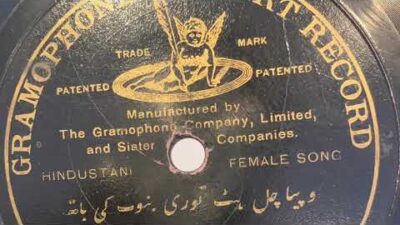
The chain runs: Wajid Ali Shah composed the thumri in Lucknow in 1856. Saigal sang it in Calcutta in 1938. The recording carried it to every home with a gramophone. The radiogram carried it to the 1950s. The cassette to the 1970s. The MP3 to the present.
The king's farewell to his city is now every person's farewell to wherever they cannot return.
परिचय
Identity- Epithet
- बादशाह का विलाप: लखनऊ 1856 से कलकत्ता 1938 · The King's Lament: From Lucknow 1856 to Calcutta 1938
कहानी-नमूना
The Story Specimen| शीर्षक | बादशाह का विलाप: लखनऊ 1856 से कलकत्ता 1938 · The King's Lament: From Lucknow 1856 to Calcutta 1938 |
|---|---|
| श्रेणी | Music History |
| प्रकार | Song History |
| पाठ-समय | ७ मिनट का पाठ |
| प्रकाशित | 18 June 2026 — admin |
| वर्ष | 1938 |
| टैग | babul-mora · wajid-ali-shah · k-l-saigal · new-theatres · lucknow-exile · thumri · bhairavi |
इस कहानी में
In This Story · The Cast & Its Platesकहानी में आए नामों के अटलस में अपने पन्ने हैं — यहीं से यात्रा जारी रखिए।
कलाकार-सूत्र · Artists
विधाएँ-सूत्र · Vidhas
राग-सूत्र · Raags
और कहानियाँ
More Stories from the Atlas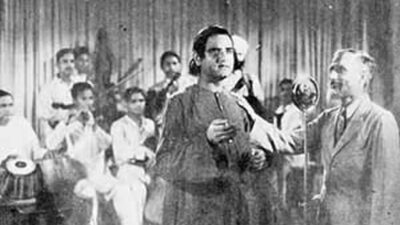
साझा कीजिए · Share this Plate
यह पन्ना आगे बढ़ाइए
सवाल-जवाब
Questions & Answersबादशाह का विलाप: लखनऊ 1856 से कलकत्ता 1938 — यह कथा किस बारे में है? · What is this story about?
फ़रवरी 1856 में ब्रिटिश ईस्ट इंडिया कंपनी ने अवध के अंतिम स्वतंत्र नवाब पर अपना हाथ बढ़ाया। वाजिद अली शाह — शायर, संगीतकार, कथक-परंपरा के आयोजक और लखनऊ के शासक — पर कुशासन का आरोप लगाया गया और उन्हें तख़्त सौंपने का हुक्म दिया गया।
In February 1856, the British East India Company moved against the last independent Nawab of Awadh. Wajid Ali Shah — poet, musician, choreographer of the Kathak tradition, and ruler of Lucknow — was charged with misgovernance and ordered to surrender his throne.