कहानियाँ विंग · कहानी · Film Music · 1955
चंद्रमुखी का दर्द: गीता दत्त और साहिर का देवदास
Chandramukhi's Grief: Geeta Dutt, Sahir, and the 1955 Devdas
साहिर ने चंद्रमुखी को पहली बार एक 'पतित स्त्री' नहीं बल्कि प्रेम से छली गई एक गरिमामयी इनसान के रूप में लिखा — और गीता दत्त ने उस आत्मा को गा दिया।
प्रकाशित3 July 2026
आमुख
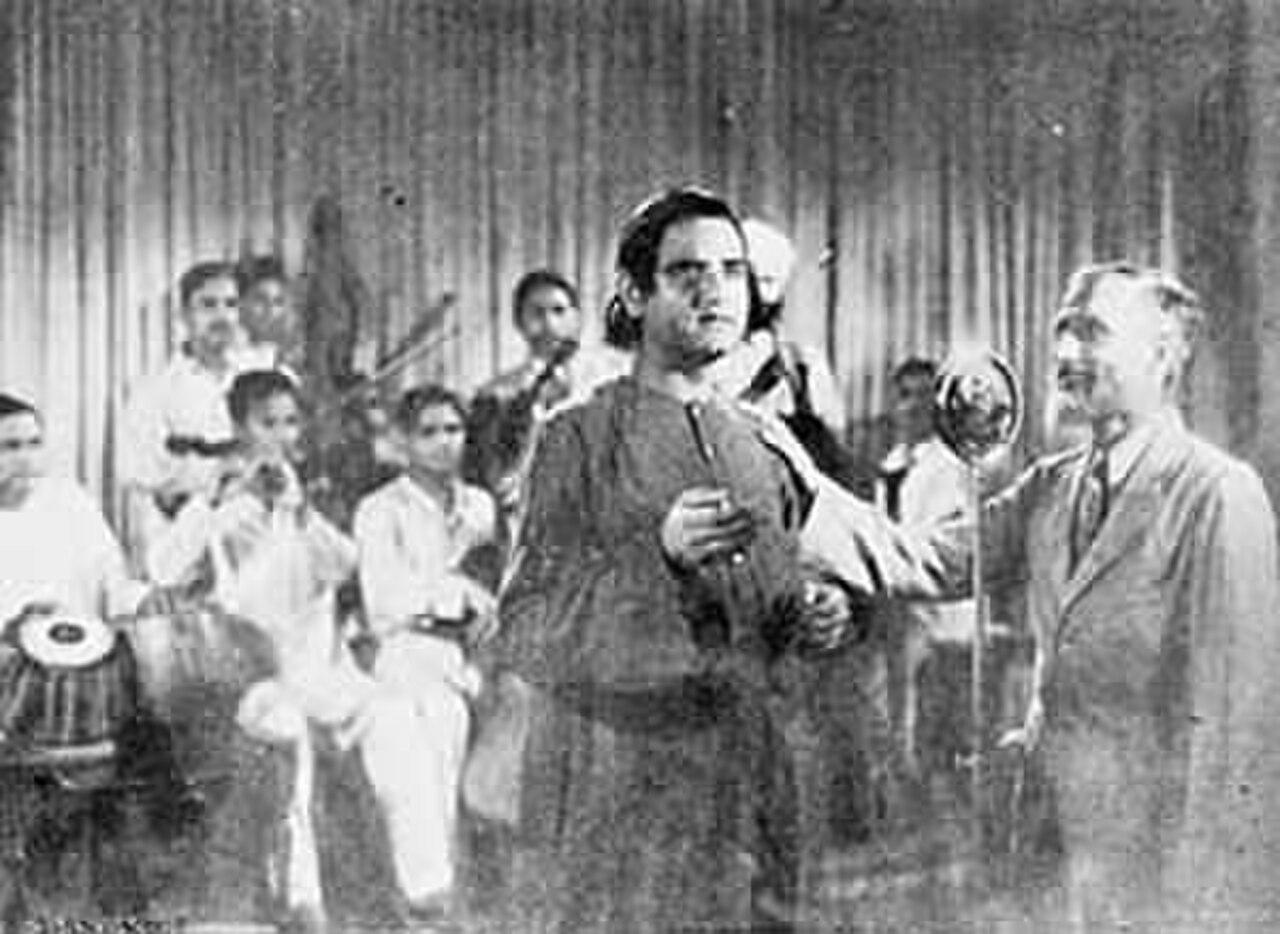
बिमल रॉय की 'देवदास' (१९५५) में साहिर लुधियानवी और गीता दत्त ने मिलकर चंद्रमुखी को एक नई पहचान दी। 'किसी ने अपना बना के मुझे रुलाया' की कहानी — कैसे एक प्रगतिशील शायर और एक अद्वितीय गायिका ने हिंदी सिनेमा की सबसे दुखद नायिकाओं में से एक को नया जीवन दिया।
अंग्रेज़ी में पढ़ें · Read in English
In Bimal Roy's Devdas (1955), Sahir Ludhianvi and Geeta Dutt together gave Chandramukhi a new identity. The story of 'Kisi Ne Apna Bana Ke Mujhe Rulaya' — how a progressive poet and an incomparable singer reframed one of Hindi cinema's most tragic figures.
शरत का उपन्यास और साहिर की दृष्टि
साहिर — प्रगतिशील आंदोलन के शायर — ने चंद्रमुखी में 'वेश्या' नहीं बल्कि प्रेम से छली गई एक स्त्री देखी। 'किसी ने अपना बना के मुझे रुलाया' — यह किसी भी उस स्त्री का दर्द है जिसे प्रेम ने ठगा।
अंग्रेज़ी में पढ़ें · Read in English
Sarat Chandra Chattopadhyay's Devdas novel (1917) is one of Hindi-Bengali literature's oldest sorrows — Devdas's weakness, Paro's helpless strength, and Chandramukhi's impossible love. Sahir Ludhianvi — a poet of the Progressive movement who had written openly about women's exploitation — looked at this novel from a different angle. Sahir did not see Chandramukhi as a 'courtesan' — he saw in her a woman whom love had wronged. 'Kisi ne apna bana ke mujhe rulaya' is not a kotha woman's lament; it is the pain of any woman who was made someone's own and then made to cry.
बिमल रॉय और एस.डी. बर्मन का संगम
बिमल रॉय की फ़िल्मों में भावनाएँ संयमित और सटीक थीं। बर्मन दा की बंगाली-शास्त्रीय संवेदनशीलता और साहिर की उर्दू-प्रगतिशील काव्य-परंपरा ने मिलकर देवदास के लिए एकदम सही संगीत बनाया।
अंग्रेज़ी में पढ़ें · Read in English
Bimal Roy was the director whose films never allowed emotions to be exaggerated — always restrained, precise, and therefore deeper. For Devdas (1955), he cast Dilip Kumar, Suchitra Sen, and Vyjayanthimala; chose S.D. Burman for music and Sahir for lyrics. The Burman-Sahir partnership in this film is extraordinary: Burman's Bengali-folk-classical sensibility and Sahir's Urdu-progressive poetic tradition together created music exactly right for Devdas's tragic story.
गीता दत्त — वह आवाज़ जो दुःख को सुंदर करती थी
गीता दत्त की आवाज़ में कामुकता और गहरा शोक एक साथ थे — चंद्रमुखी के लिए परफ़ेक्ट। बिमल रॉय ने कहा: दर्द सहने की गरिमा के साथ — रोने जैसा लगे पर रोना नहीं।
अंग्रेज़ी में पढ़ें · Read in English
Geeta Dutt's voice had a quality that set her apart: she could sing sorrow without melodrama. Lata's voice had divine height; Shamshad Begum's had earthy energy. But Geeta Dutt's voice combined sensuality and deep grief simultaneously — perfect for a character like Chandramukhi. Bimal Roy recorded 'Kisi Ne Apna Bana Ke Mujhe Rulaya' with her and reportedly said he wanted the song to sound like grief borne with dignity — painful but not weeping, controlled but not cold.
एक अधूरी विरासत
गीता दत्त का निधन १९७२ में ४१ वर्ष की आयु में हुआ। पर उनकी देवदास रिकॉर्डिंग्स उनकी सबसे चमकती विरासत हैं। साहिर-बर्मन-गीता दत्त — तीन महान प्रतिभाओं के मिलन का दुर्लभ दस्तावेज़।
अंग्रेज़ी में पढ़ें · Read in English
Geeta Dutt died in 1972 at the age of 41 — her life's end was tragic, marked by professional decline and personal difficulties. But her Devdas recordings — 'Kisi Ne Apna Bana Ke' and others — shine most brightly in her legacy. Bimal Roy's Devdas (1955) is still counted among the masterworks of Indian cinema. The Sahir-Burman-Geeta Dutt partnership is a rare document of three great talents meeting in their prime.
परिचय
IdentityEpithet
साहिर ने चंद्रमुखी को पहली बार एक 'पतित स्त्री' नहीं बल्कि प्रेम से छली गई एक गरिमामयी इनसान के रूप में लिखा — और गीता दत्त ने उस आत्मा को गा दिया।
Sahir wrote Chandramukhi not as a fallen woman but as a person of dignity wronged by love — and Geeta Dutt sang that soul into existence.
अन्य विवरण
More Details- Geeta Dutt's voice in Devdas makes grief beautiful without making it bearable — and that is the hardest thing for a singer to achieve.
- गीता दत्त
- साहिर लुधियानवी
- एस.डी. बर्मन
- बिमल रॉय
- 1917 — Sarat Chandra Chattopadhyay publishes Devdas novel — शरतचंद्र का 'देवदास' उपन्यास प्रकाशित
- 1955 — Bimal Roy's Devdas filmed; Sahir and S.D. Burman create landmark soundtrack — बिमल रॉय की 'देवदास' फ़िल्मायी गई; साहिर और बर्मन ने landmark साउंडट्रैक बनाया
- 1955 — Geeta Dutt records 'Kisi Ne Apna Bana Ke'; song hailed as her finest performance — गीता दत्त ने 'किसी ने अपना बना के' रिकॉर्ड किया — उनके सर्वश्रेष्ठ प्रदर्शनों में माना गया
- 1972 — Geeta Dutt dies at 41; Devdas recordings remain her most celebrated legacy — गीता दत्त का ४१ वर्ष की आयु में निधन; देवदास रिकॉर्डिंग्स सबसे चमकती विरासत
- Wikipedia: Devdas (1955 film). https://en.wikipedia.org/wiki/Devdas_(1955_film)
- Wikipedia: Geeta Dutt. https://en.wikipedia.org/wiki/Geeta_Dutt
- Wikipedia: Sahir Ludhianvi. https://en.wikipedia.org/wiki/Sahir_Ludhianvi
- Kabir, Nasreen Munni. Guru Dutt: A Life in Cinema. Oxford University Press, 1996.
Pull Quotes
Key Figures
Timeline Within Story
References
कहानी-नमूना
The Story Specimen| शीर्षक | चंद्रमुखी का दर्द: गीता दत्त और साहिर का देवदास · Chandramukhi's Grief: Geeta Dutt, Sahir, and the 1955 Devdas |
|---|---|
| श्रेणी | Film Music |
| प्रकार | विशेष लेख |
| प्रकाशित | 3 July 2026 — admin |
| वर्ष | 1955 |
और कहानियाँ
More Stories from the Atlas

साझा कीजिए · Share this Plate
यह पन्ना आगे बढ़ाइए
सवाल-जवाब
Questions & Answersसाहिर लुधियानवी ने देवदास (१९५५) में चंद्रमुखी को कैसे नई पहचान दी? · How did Sahir Ludhianvi reframe Chandramukhi in Devdas 1955?
साहिर ने चंद्रमुखी को 'पतित स्त्री' नहीं बल्कि प्रेम से छली गई एक गरिमामयी इनसान के रूप में लिखा। 'किसी ने अपना बना के मुझे रुलाया' किसी कोठेवाली का विलाप नहीं — यह हर उस स्त्री का दर्द है जिसे प्यार ने ठगा।
Sahir wrote Chandramukhi not as a fallen woman but as a person of dignity wronged by love. 'Kisi ne apna bana ke mujhe rulaya' is not a courtesan's lament but the grief of any woman who was loved and then abandoned.