गीत विंग · गीत-पट्टिका · Song Plate
ये जलसा ताजपोशी का
Yeh Jalsa Taajposhi Ka (Delhi Durbar Mubarakbadi)
हिन्दुस्तानी गायकी की दो मलिकाएँ अंग्रेज़ बादशाह के सामने खड़ी थीं — और एक मिसरे में ग्रामोफ़ोन युग के सबसे चमकते सितारों ने सल्तनत को उसी की ताजपोशी का तराना सुना दिया।
भावउत्सव
भाषाUrdu with Hindi गतिमध्यम स्वरूपमहिला युगल
श्रेय
The Creditsबोल · The Lyrics
पूरे बोल · Full Lyrics
सूत्र-वाक्य · The Hook
सूत्र-वाक्य
हिन्दुस्तानी गायकी की दो मलिकाएँ अंग्रेज़ बादशाह के सामने खड़ी थीं — और एक मिसरे में ग्रामोफ़ोन युग के सबसे चमकते सितारों ने सल्तनत को उसी की ताजपोशी का तराना सुना दिया।
In EnglishTwo empresses of Indian song stood before an English emperor — and for one verse, the gramophone era's brightest stars sang the British Raj its own coronation.
पट्टिका-लेख
The Monographपरिचय Overview
'ये जलसा ताजपोशी का' वह बधाई-गीत है जो गौहर जान और जानकी बाई इलाहाबाद ने दिसंबर 1911 के दिल्ली ताजपोशी दरबार में गाया। दरबारी तवायफ़-परंपरा की यह मुबारकबादी आज एक ही दर्ज पंक्ति के रूप में बची है — और आरंभिक ग्रामोफ़ोन युग की सबसे चर्चित जीवंत प्रस्तुति के रूप में।
अंग्रेज़ी में पढ़ें · Read in English
'Yeh Jalsa Taajposhi Ka' is the felicitation song performed by Gauhar Jaan and Janki Bai of Allahabad at the Coronation Durbar in Delhi, December 1911. A mubarakbadi in the courtly tawaif tradition, it survives as a single documented line and the most storied live performance of the early gramophone era.
संगीत The Music
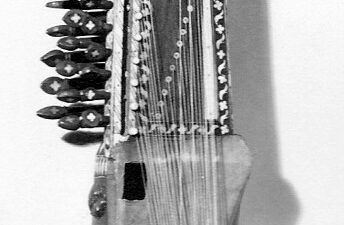
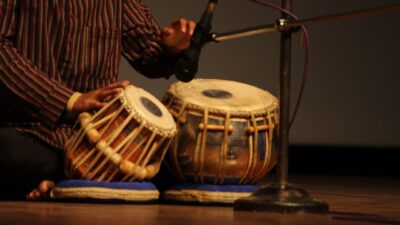
यह एक मुबारकबादी थी — लखनऊ-बनारस की दरबारी रिवायत वाला बधाई-गीत — जो ख़ास इस मौक़े के लिए रचा गया और हिन्दुस्तान की दो सबसे मशहूर रिकॉर्डिंग कलाकारों ने मिलकर पेश किया। इसका राग-ताल दस्तावेज़ों में दर्ज नहीं; उस दौर की मुबारकबादियाँ प्रायः हल्के, मांगलिक सुर-ढाँचे में सारंगी-तबले के साथ गाई जाती थीं।
अंग्रेज़ी में पढ़ें · Read in English
A mubarakbadi — a felicitation song in the courtly Lucknow-Banaras manner — composed for the occasion and delivered jointly by the two most famous recording artists in India. No raag or taal attribution survives; period felicitation songs of this kind were typically set in light, auspicious melodic frames with sarangi and tabla accompaniment.
काव्य The Poetry
बची हुई इकलौती पंक्ति — 'ये जलसा ताजपोशी का मुबारक हो मुबारक हो' — ख़ालिस दरबारी अदब है: तवायफ़ परंपरा की सदियों पुरानी सलामी और मुबारकबादी की कला, जो रातों-रात नवाबी दरबारों से उठकर एक साम्राज्यी दरबार में जा बैठी।
अंग्रेज़ी में पढ़ें · Read in English
The single surviving line — 'Yeh jalsa taajposhi ka mubarak ho mubarak ho' (blessings on this coronation celebration) — is pure courtly etiquette: the tawaif tradition's centuries-old craft of the salaami and mubarakbadi, refitted overnight from nawabi courts to an imperial one.
कहानी The Story
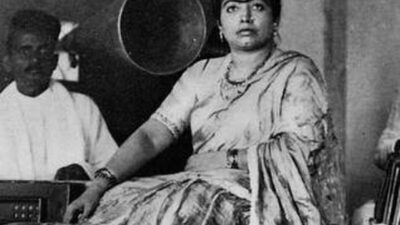
दिसंबर 1911 में दिल्ली के ताजपोशी दरबार में सम्राट जॉर्ज पंचम और महारानी मेरी की ताजपोशी हुई — वही दरबार जिसमें कलकत्ता से दिल्ली राजधानी ले जाने की घोषणा हुई। जश्न के लिए कलकत्ते की गौहर जान और इलाहाबाद की जानकी बाई — ग्रामोफ़ोन युग की दो सबसे बिकने वाली आवाज़ें — एक साथ गाने के लिए बुलाई गईं, और विक्रम संपत के अनुसार दोनों को सौ-सौ गिन्नियाँ भेंट हुईं। यह जोड़ी-गीत कभी व्यावसायिक रिकॉर्ड पर उतरा या नहीं, यह प्रमाणित नहीं है।
अंग्रेज़ी में पढ़ें · Read in English
In December 1911 King-Emperor George V and Queen Mary were crowned at the Coronation Durbar in Delhi — the same Durbar at which the transfer of the capital from Calcutta to Delhi was announced. For the festivities, Gauhar Jaan of Calcutta and Janki Bai of Allahabad — the two best-selling voices of the gramophone age — were engaged to perform together, and by Vikram Sampath's account each received one hundred guineas for it. Whether the duet was ever cut onto a commercial disc is not established.
विरासत The Legacy
यह दरबारी जोड़ी-गीत तवायफ़-गायिका के आख़िरी सुनहरे दौर की प्रतीक-छवि बन गया: नवाबी महफ़िल से निकली कलाकारों का साम्राज्य के सबसे बड़े मंच पर राज — जबकि उन्हें पालने वाली समाज-व्यवस्था की ज़मीन खिसकने लगी थी। आरंभिक भारतीय रिकॉर्डिंग के इतिहासकार इस क्षण को गौहर जान और जानकी बाई के समानांतर करियर का शिखर मानते हैं।
अंग्रेज़ी में पढ़ें · Read in English
The Durbar duet became the emblematic image of the courtesan-singer's last golden hour: artists born of the nawabi mehfil commanding the empire's grandest stage, even as the social order that sustained them had begun to slip. Historians of early Indian recording return to this moment as the summit of Gauhar Jaan's and Janki Bai's parallel careers.
वर्गीकरण
Classification- Tempo
- Medium
Genre
अन्य विवरण
More Details- Vikram Sampath — My Name Is Gauhar Jaan! The Life and Times of a Musician
- Archive of Indian Music
References
रोचक तथ्य
Margin Notesजिस 1911 के दिल्ली दरबार में यह मुबारकबादी गाई गई, उसी में 12 दिसंबर 1911 को ब्रिटिश भारत की राजधानी कलकत्ता से दिल्ली ले जाने की घोषणा हुई
अंग्रेज़ी में पढ़ें · Read in English
The 1911 Delhi Durbar at which this mubarakbadi was performed is the same event where the shift of British India's capital from Calcutta to Delhi was announced on 12 December 1911
विक्रम संपत के अनुसार इस गायन के लिए गौहर जान और जानकी बाई को सौ-सौ गिन्नियाँ दी गईं
अंग्रेज़ी में पढ़ें · Read in English
By Vikram Sampath's account, Gauhar Jaan and Janki Bai were paid one hundred guineas each for the performance
नमूना-पट्टी
The Specimen Table| शीर्षक | ये जलसा ताजपोशी का · Yeh Jalsa Taajposhi Ka (Delhi Durbar Mubarakbadi) |
|---|---|
| वर्ष · युग | 1911 — pre independence |
| गायक | Gauhar Jaan, Janki Bai of Allahabad |
| गीतकार | अज्ञात |
| स्वरूप | महिला युगल |
| गति | मध्यम |
| भाषा | Urdu with Hindi |
| वाद्य | sarangi · tabla · harmonium |
| भाव | उत्सव |
| लोकप्रियता | Known |
| बोल-स्थिति | सार्वजनिक |
जुड़े हुए पन्ने
Connected Plates · The Graph Made Visibleअटलस में कोई पन्ना अकेला नहीं — इस गीत से जुड़े गीत, कलाकार, फ़िल्म, राग-ताल-विधा, सब यहाँ से खुलते हैं।
मिलते-जुलते गीत · Related Songs
कलाकार · The Artists
साझा कीजिए · Share this Plate