गीत विंग · गीत-पट्टिका · Song Plate
मैं बन की चिड़िया
Main Ban Ki Chidiya
वन-पक्षी युगल-गान जिसने अशोक कुमार और देविका रानी को आरंभिक हिंदी सिनेमा का प्रतीक बनाया।
भावपुरानी यादें · चुलबुला · रोमांटिक
भाषाhindi गतिमध्यम स्वरूपयुगल
श्रेय
The Creditsबोल · The Lyrics
पूरे बोल · Full Lyrics
साथी मेरा तू है, मैं तेरी संगिनी।
Saathi mera tu hai, main teri sangini.
सूत्र-वाक्य · The Hook
सूत्र-वाक्य
वन-पक्षी युगल-गान जिसने अशोक कुमार और देविका रानी को आरंभिक हिंदी सिनेमा का प्रतीक बनाया।
In EnglishThe forest bird duet that made Ashok Kumar and Devika Rani icons of early Hindi cinema.
पट्टिका-लेख
The Monographपरिचय Overview
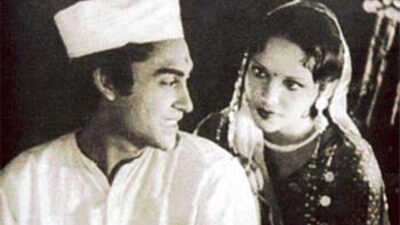
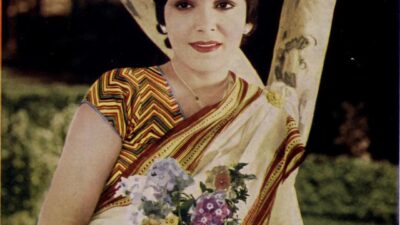
अछूत कन्या (1936) में सरस्वती देवी ने यह हल्की युगल रचना ग्रामीण शैली में सजाई — चिड़िया का रूपक ब्रज काव्य में सदियों पुराना था, पर देविका रानी और झिझकते नए परदेवाले अशोक कुमार के गाए जाने पर यह बॉम्बे टॉकीज़ के स्वर्ण-काल का प्रतीक बन गया। गीत की लोक-सरलता के पीछे उसके राग-आधार की परिष्कृतता छिपी थी।
अंग्रेज़ी में पढ़ें · Read in English
In Achhut Kanya (1936), Saraswati Devi set this light duet in the pastoral mode — a chidiya (bird) metaphor for youthful love that was already centuries old in Braj poetry but which, sung by Devika Rani and the reluctant new screen presence Ashok Kumar, became the signature of Bombay Talkies' golden period. The song's folk simplicity belied the sophistication of its raga underpinning.
संगीत The Music
सरस्वती देवी की व्यवस्था ने प्रातःकालीन राग भैरवी के स्वर-क्रम को आधार के रूप में प्रयोग किया, पर उसे गाँव के लोक-पैटर्न से रंगा — एक विशिष्ट मिश्रण जो उन्होंने बॉम्बे टॉकीज़ में विकसित किया था और जो एक साथ शास्त्रीय और सहज था।
अंग्रेज़ी में पढ़ें · Read in English
Saraswati Devi's arrangement used the morning raga Bhairavi's scale as a foundation but inflected it with village folk patterns — a characteristic blend she had developed at Bombay Talkies that was at once classical and accessible.
काव्य The Poetry
चिड़िया (वन की गाने वाली चिड़िया) प्रेमी के रूपक के रूप में हिंदी और ब्रज काव्य में प्रचीन है — यहाँ यह अपने सबसे निर्दोष और आनंदमय रूप में है, फ़िल्म की त्रासदी के विरुद्ध वन की एक साँस।
अंग्रेज़ी में पढ़ें · Read in English
The chidiya (songbird of the forest) as lover's metaphor is ancient in Hindi and Braj verse — here it is stripped to its most innocent and joyful form, a breath of forest air against the film's tragedy.
कहानी The Story
गीत कस्तूरी और प्रताप के रिश्ते के प्रेमालाप-चरण में है — जाति की दीवारों के घिर आने से पहले। उसकी हल्कापन नाटकीय रूप से ज़रूरी है: दर्शकों को उनसे प्यार करना और उन्हें खोना होगा।
अंग्रेज़ी में पढ़ें · Read in English
The song is placed in the courtship phase of Kasturi and Pratap's relationship — before caste walls close in. Its lightness is dramatically necessary: the audience must love and lose them.
विरासत The Legacy
गीत ने बॉम्बे टॉकीज़ की ध्वनि और देविका रानी–अशोक कुमार की परदा-साझेदारी को परिभाषित किया। सरस्वती देवी का संगीत-लेखकत्व — एक महिला का हिंदी के सबसे बड़े स्टूडियो के लिए संगीत-रचना — अपने समय में शायद ही कभी स्वीकार किया गया।
अंग्रेज़ी में पढ़ें · Read in English
The song defined the Bombay Talkies sound and the Devika Rani–Ashok Kumar screen partnership. Saraswati Devi's musical authorship — a woman composing for Hindi's biggest studio — was a fact rarely acknowledged in its time.
वर्गीकरण
Classification- Tempo
- Medium
Genre
अन्य विवरण
More Details- Achhut Kanya (1936) — Bombay Talkies, directed Franz Osten; Wikipedia EN
- Saraswati Devi — Wikipedia EN (first woman composer in Hindi cinema)
- Ashok Kumar — Wikipedia EN; Bombay Talkies biography
- Devika Rani — Wikipedia EN
- Franz Osten — Wikipedia EN (German director at Bombay Talkies)
References
रोचक तथ्य
Margin Notesअछूत कन्या (1936) का निर्देशन जर्मन फ़िल्मकार फ्रांज़ ओस्टेन ने किया था, जिन्होंने 1934 से 1939 तक बॉम्बे टॉकीज़ में काम किया — उनकी यूरोपीय छायांकन-दृष्टि ने बॉम्बे टॉकीज़ की फ़िल्मों को उस दौर के अन्य भारतीय स्टूडियो से अलग एक दृश्य-शैली प्रदान की।
अंग्रेज़ी में पढ़ें · Read in English
Achhut Kanya (1936) was directed by German filmmaker Franz Osten, who worked at Bombay Talkies from 1934 to 1939 — his European cinematographic sensibility gave Bombay Talkies films a visual style distinct from other Indian studios of the period.
सरस्वती देवी (जन्म नाम ख़ुरशीद मिनोचर-होमजी, 1912-1980) हिंदी सिनेमा की पहली महिला संगीत निर्देशक थीं; एक पारसी महिला के रूप में उनकी पहचान शुरुआत में बॉम्बे टॉकीज़ के संस्थापक हिमांशु राय ने छुपाई रखी थी, क्योंकि उन्हें आशंका थी कि उद्योग एक महिला संगीतकार को स्वीकार नहीं करेगा।
अंग्रेज़ी में पढ़ें · Read in English
Saraswati Devi (born Khurshid Minocher-Homji, 1912–1980) was the first woman music director in Hindi cinema; her identity as a Parsi woman was initially concealed by Himanshu Rai (Bombay Talkies' founder), who felt the industry might not accept a female composer.
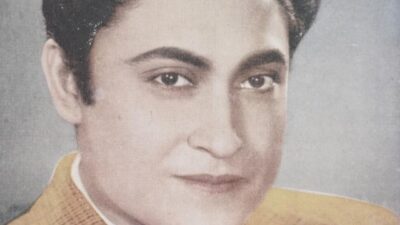
'मैं बन की चिड़िया' देविका रानी और युवा अशोक कुमार के बीच के शुरुआती युगल गीतों में से एक था — उस समय अशोक कुमार पर्दे पर नए थे और अभिनय के प्रति अनिच्छुक थे; वे मूलतः बॉम्बे टॉकीज़ में एक तकनीकी भूमिका में शामिल हुए थे, और हिमांशु राय के मूल मुख्य अभिनेता के अनुपलब्ध होने पर उन्हें यह भूमिका दी गई।
अंग्रेज़ी में पढ़ें · Read in English
Main Ban Ki Chidiya was one of the first duets between Devika Rani and the young Ashok Kumar — then a new screen presence, reluctant to act, who had originally joined Bombay Talkies in a technical role and was cast after Himanshu Rai's original lead actor was unavailable.
अछूत कन्या जातिगत भेदभाव को सीधे संबोधित करने वाली शुरुआती मुख्यधारा हिंदी फ़िल्मों में से एक थी, जिसमें एक ब्राह्मण युवक और एक 'अछूत' युवती की प्रेम-कहानी को नैतिक पतन के बजाय सामाजिक त्रासदी के रूप में प्रस्तुत किया गया।
अंग्रेज़ी में पढ़ें · Read in English
Achhut Kanya was one of the first mainstream Hindi films to directly address caste discrimination, with the love story between a Brahmin boy and an 'untouchable' girl framed as social tragedy rather than moral failure.
गीतकार जे.एस. कश्यप ने 1930 के दशक के मध्य में मुख्यतः बॉम्बे टॉकीज़ के साथ काम किया; सरस्वती देवी के साथ उनके सहयोग से इस ग्राम्य लोक-शैली में कई युगल गीत बने, जो स्टूडियो के युद्ध-पूर्व संगीत की पहचान बन गए।
अंग्रेज़ी में पढ़ें · Read in English
J.S. Casshyap, the lyricist, worked primarily with Bombay Talkies in the mid-1930s; his collaboration with Saraswati Devi produced a number of duets in this pastoral folk idiom that became the signature of the studio's pre-war sound.
नमूना-पट्टी
The Specimen Table| शीर्षक | मैं बन की चिड़िया · Main Ban Ki Chidiya |
|---|---|
| फ़िल्म | अछूत कन्या · 1936 |
| वर्ष · युग | 1936 — talkie dawn |
| गायक | Devika Rani, Ashok Kumar |
| गीतकार | J. S. Kashyap |
| संगीतकार | Saraswati Devi |
| स्वरूप | युगल |
| गति | मध्यम |
| भाषा | hindi |
| भाव | पुरानी यादें · चुलबुला · रोमांटिक |
| लोकप्रियता | Very_popular |
| बोल-स्थिति | सार्वजनिक |
जुड़े हुए पन्ने
Connected Plates · The Graph Made Visibleअटलस में कोई पन्ना अकेला नहीं — इस गीत से जुड़े गीत, कलाकार, फ़िल्म, राग-ताल-विधा, सब यहाँ से खुलते हैं।
मिलते-जुलते गीत · Related Songs
कलाकार · The Artists
फ़िल्म · The Film
साझा कीजिए · Share this Plate