शास्त्र विंग · राग-पट्टिका · Raag Plate
भूप्
Bhoop
एक शांत Carnatic राग · A Peace Carnatic Raag
भावशांतिपूर्ण · ध्यानपूर्ण · प्रशांत · शांत
ऊर्जाधीमी
स्वर-चित्र · The Swara Panel
आरोह — अवरोह · The Ascent and the Descent
पकड़ · पहचान वाक्यांश
ग रे स, ग प ध प, ग रे स
G R S, G P D P, G R S
Bhoopali's hallmark phrase centres on Gandhara (the vadi), approaching it from Re and Sa below, then ascending to the Pa-Dha summit (the samvadi pair) and returning. The phrase G R S establishes the peaceful lower tetrachord; G P D P confirms the open upper movement. The total absence of Ma and Ni in every phrase gives Bhoopali its quality of vast, unobstructed sky.
वादी–संवादी टिप्पणी · Vadi–Samvadi note
Vadi — In the Carnatic tradition, Raag Bhoop emphasizes Pancham (Pa) as a key resting note.
Samvadi — Sa (Shadj) serves as the complementary note.
समय और भाव
Time Theory & Moodसमय-सिद्धांत · Time Theory
संध्या काल
परंपरागत रूप से संध्या काल (4:00 PM - 7:00 PM) में गाया जाता है।
Traditionally performed during evening/twilight hours (4:00 PM - 7:00 PM), when day transitions to night.
भाव और गति · Mood & Tempo
शांत · Peace/Tranquility
आंतरिक शांति, सुकून और आध्यात्मिक वैराग्य का रस। शांति, ध्यान और अध्यात्म को जगाता है।
ऊर्जा · Energyधीमी
स्तर · Leveladvanced — राग Bhoop के लिए कर्नाटक संगीत सिद्धांत की मजबूत नींव आवश्यक है।
पट्टिका-लेख
The Monographपरिचय Introduction
राग Bhoop कर्नाटक शास्त्रीय संगीत परंपरा का एक राग है। इसका प्रमुख रस शांत (Peace/Tranquility) है। यह परंपरागत रूप से संध्या काल (4:00 PM - 7:00 PM) में गाया जाता है। गाया जाता है।
अंग्रेज़ी में पढ़ें · Read in English
Raag Bhoop is a complete scale with all 7 notes in both ascent and descent raga in the Carnatic classical music tradition.. With its Sampurna-Sampurna jati structure, this raag creates a distinctive tonal landscape. The predominant rasa is Peace/Tranquility (शांत), making it suitable for compositions that evoke peaceful, meditative emotions. It is traditionally performed during evening hours, and its melodic contour offers rich possibilities for alapana, kalpanaswaram, and creative improvisation.
सांस्कृतिक महत्व Cultural Significance
भारतीय शास्त्रीय संगीत की समृद्ध परंपरा के अंग के रूप में, राग Bhoop Carnatic परंपरा को परिभाषित करने वाले स्वर संरचना और भावनात्मक अभिव्यक्ति के बीच गहरे संबंध का प्रतिनिधित्व करता है।
अंग्रेज़ी में पढ़ें · Read in English
As part of the rich tapestry of Indian classical music, Raag Bhoop represents the deep connection between melodic structure and emotional expression that defines the Carnatic tradition.
ऐतिहासिक महत्व Historical Significance
भूपाली (भूप, भुपाली या भूपकल्याण भी कहते हैं) हिंदुस्तानी शास्त्रीय संगीत की सबसे प्रिय और व्यापक रूप से प्रस्तुत रागों में से एक है। यह मूलतः हिंदुस्तानी राग है — कर्नाटक नहीं (इस फ़ाइल में वर्गीकरण त्रुटिपूर्ण है; कर्नाटक में इसे 'मोहनम्' कहते हैं)। भूपाली में केवल पाँच शुद्ध स्वर हैं: सा, रे, ग, प, ध — मध्यम और निषाद वर्जित हैं। यह पंचस्वरीय स्वर-समूह पंडित विष्णु नारायण भातखंडे की दश-थाट पद्धति में कल्याण थाट के अंतर्गत आता है। गंधार (ग) वादी और धैवत (ध) संवादी है — यह ग-ध जोड़ी राग की विशिष्ट शांत और उन्नत भावना का आधार है। परंपरागत रूप से यह रात्रि के प्रथम प्रहर (संध्या 6 से 9 बजे) की राग है। इसकी प्राचीनता नारद शिक्षा और अन्य प्राक्-मध्यकालीन ग्रंथों में प्रमाणित है। यही पंचस्वरीय रचना चीनी संगीत में 'गॉंग मोड', स्कॉटिश पारंपरिक संगीत और अनेक विश्व-लोक परंपराओं में भी मिलती है। उस्ताद अमीर खाँ, पंडित भीमसेन जोशी, किशोरी अमोनकर और पंडित रवि शंकर की भूपाली प्रस्तुतियाँ इस राग के स्वर्णिम उदाहरण हैं।
अंग्रेज़ी में पढ़ें · Read in English
Bhoopali (also written Bhoop, Bhupali, or Bhupal) is one of the most beloved and widely performed ragas in the Hindustani classical tradition, and is correctly classified as a Hindustani raga — not Carnatic (this file's classification is erroneous; the Carnatic equivalent is Mohanam). Bhoopali employs only five shuddha (natural) notes: Sa (S), shuddha Rishabha (R), shuddha Gandhara (G), Pancham (P), and shuddha Dhaivata (D) — completely omitting Madhyama and Nishada. This pentatonic note-set places it under Kalyan thaat in Pandit Vishnu Narayan Bhatkhande's ten-thaat classification system. The vadi (dominant note) is Gandhara and the samvadi is Dhaivata, creating the characteristic meditative Ga-Dha pairing. Traditionally prescribed for the first prahar of the night (approximately 6–9 pm), Bhoopali can also be heard at dawn. Its antiquity is attested in pre-medieval Sanskrit treatises; the same pentatonic scale appears as 'Bhupali' in the Narada Shiksha and related texts. The identical scale is found in Chinese pentatonic Gong mode, the Scottish pentatonic, and numerous folk traditions globally — a testament to the scale's intrinsic consonance. In the Carnatic system it is called Mohanam, a janya of Harikambhoji (melakarta #28). Landmark Hindustani recordings include those by Ustad Amir Khan, Pandit Bhimsen Joshi, Kishori Amonkar (1971), and Pandit Ravi Shankar.
शिक्षा
Teaching & LearningBegin with slow aalapana to internalize the raag's swaroopa (melodic form)
Practice the arohana and avarohana patterns with a tanpura drone
Listen to recordings by master performers to understand the raag's gamakas (ornamentations)
Work on kalpanaswaram (improvisation) within the raag's framework
Using incorrect gamakas that belong to a different raag
Not maintaining proper swar sthana (note placement)
Rushing through phrases without allowing the raag bhava to develop
प्रस्तुति
Performance- Description
- परंपरागत रूप से संध्या काल (4:00 PM - 7:00 PM) में गाया जाता है। Traditionally performed during evening/twilight hours (4:00 PM - 7:00 PM), when day transitions to night.
- Prahar Number
- 5
- Prahar Name
- संध्या काल Sandhya Kaal
- Time Start
- 16:00
- Time End
- 19:00
- Time Flexibility
- flexible
Time
और जानें
More to KnowIn Film Music
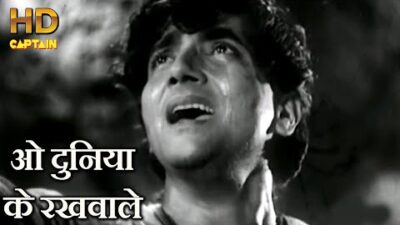
Bhoopali has one of the most distinguished presences of any classical raga in Hindi film music. The raga's open, serene, devotional quality made it the ideal vehicle for bhakti-themed compositions in the Golden Era. Music director Naushad's masterful use of Bhoopali in the 1952 film Baiju Bawra produced two of the most celebrated classical film songs in Hindi cinema history. The raga also appeared in numerous ghazals and semi-classical compositions through the 1960s–1980s.
सीखने के लिए
For Learners- Difficulty Level
- advanced
अन्य विवरण
More Details- Indian_Music_Raga_Encyclopedia_v2.xlsx
- V.N. Bhatkhande: Hindustani Sangeet Paddhati (Kalyan thaat)
- Harikambhoji melakarta #28 (Carnatic: Mohanam)
- Narada Shiksha (ancient text reference to Bhupali scale)
- Baiju Bawra (1952) dir. Vijay Bhatt, MD Naushad
References
नमूना-पट्टी
The Specimen Table| नाम | भूप् · Bhoop |
|---|---|
| थाट | Kalyan |
| पकड़ | ग रे स, ग प ध प, ग रे स |
| जाति | संपूर्ण-संपूर्ण · Sampurna-Sampurna |
| समय | संध्या काल |
| ऊर्जा | धीमी |
| परिवार | Bhoop |
| स्तर | advanced |
| लोकप्रियता | Obscure |
जुड़े हुए पन्ने
Connected Plates · The Graph Made Visibleअटलस में कोई पन्ना अकेला नहीं — इस राग से गीत, प्रस्तुतियाँ, कलाकार, ताल, घराने और मिलते-जुलते राग, सब यहाँ से खुलते हैं।
फ़िल्मी गीत इस राग में · Famous Film Songs
ताल-साथी · Taal Pairings
शास्त्र-सूत्र · Shastra Threads
श्रवण-कक्ष · The Listening Room
सुनिए — भूप् · Hear the Raag
Kishori Amonkar - Raag Bhoop (1971)
प्रश्नोत्तर
Questions & Answersराग Bhoop किस संगीत पद्धति का राग है?
राग Bhoop कर्नाटक (दक्षिण भारतीय) शास्त्रीय संगीत पद्धति का राग है।
अंग्रेज़ी में पढ़ें · Read in English
Which music system does Raga Bhoop belong to? — Raga Bhoop belongs to the Carnatic (South Indian) classical music system.
साझा कीजिए · Share this Plate