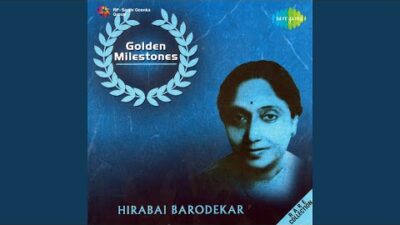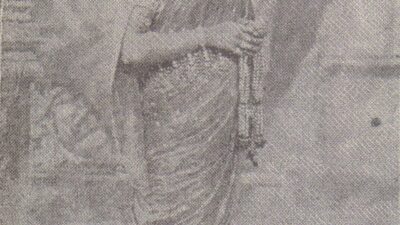
ख़याल-भजन — पहले तवे, हीराबाई बड़ोदेकर
Khayal and Bhajan — First Discs, Hirabai Barodekar
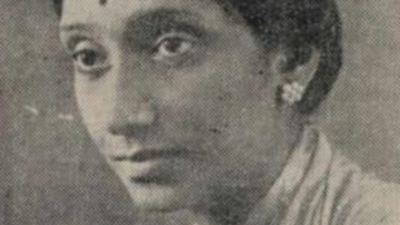
कलाकार विंग · कलाकार-पट्टिका · Artist Plate
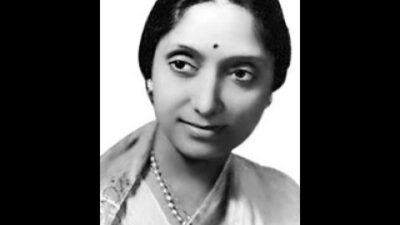
Hirabai Barodekar · Hirabai (daughter of Abdul Karim Khan and Tarabai Mane)
गानहिरा
जन्म29 May 1905 — मिरज, बंबई प्रेसीडेंसी, ब्रिटिश भारत
निधन20 November 1989 — Pune, Maharashtra, India
| नाम | हीराबाई बड़ोदेकर · Hirabai Barodekar |
|---|---|
| जन्म नाम | हीराबाई (अब्दुल करीम ख़ान और ताराबाई माने की पुत्री) · Hirabai (daughter of Abdul Karim Khan and Tarabai Mane) |
| उपनाम | गानहिरा |
| जन्म | 29 May 1905 — मिरज, बंबई प्रेसीडेंसी, ब्रिटिश भारत · Miraj, Bombay Presidency, British India |
| निधन | 20 November 1989 — Pune, Maharashtra, India |
| भूमिकाएँ | गायक |
| सक्रिय वर्ष | 1922–1980s |
| युग | gramophone-era |
| राष्ट्रीयता | Indian |
| विधाएँ | Hindustani Classical · Khayal · ठुमरी · भजन · Natya Sangeet |
| भाषाएँ | Hindi · Marathi |
हस्ताक्षर-पंक्ति · The Signature
गानहिरा
In EnglishAbdul Karim Khan's daughter who walked onto the public concert stage in 1922 and made it respectable for India's daughters to sing there.
हीराबाई बड़ोदेकर (29 मई 1905 – 20 नवंबर 1989) किराना घराने की महान गायिका और भारतीय संगीत-इतिहास की एक निर्णायक स्त्री थीं — वह कलाकार जिसने 'भले घर की बेटी' और 'सार्वजनिक मंच की गायिका' के बीच की दीवार गिराई। वे किराना घराने के युगपुरुष उस्ताद अब्दुल करीम ख़ान और बड़ौदा के सरदार घराने की ताराबाई माने की पुत्री थीं। माता-पिता के अलगाव के बाद बच्चों ने माँ का पक्ष और 'बड़ोदेकर' पहचान अपनाई। संगीत उन्हें विरासत में मिला, पर तालीम पिता के चचेरे भाई — किराना के तपस्वी उस्ताद अब्दुल वहीद ख़ान — से मिली; भाई सुरेशबाबू माने ने भी उन्हें सिखाया। 1920 के दशक के आरंभ में — सबसे प्रचलित तिथि 1922 — किशोरी हीराबाई ने सार्वजनिक संगीत-सभा में गाकर वह कदम उठाया जो उस समय सम्मानित घरों की स्त्रियों के लिए लगभग अकल्पनीय था। उनकी मधुर, सधी आवाज़ और शालीन मंच-छवि ने टिकट-शुदा जलसों में स्त्री-गायन को प्रतिष्ठा दी; आगे चलकर उन्होंने संगीत-नाटकों में भी काम किया और एचएमवी के तवों से घर-घर पहुँचीं। ख़याल, ठुमरी, भजन और मराठी नाट्य-संगीत — चारों में उनकी समान पकड़ थी। 1947 की स्वतंत्रता-वेला और गणतंत्र के समारोहों में उनके गायन के उल्लेख मिलते हैं; 1970 में पद्म भूषण मिला। उनकी छोटी बहन सरस्वती राणे भी प्रसिद्ध गायिका हुईं। 1989 में पुणे में निधन हुआ — तब तक मंच पर स्त्री का गाना इतना स्वाभाविक हो चुका था कि नई पीढ़ी को याद दिलाना पड़ता था कि यह दरवाज़ा कभी बंद था, और इसे खोलने वालों में सबसे आगे हीराबाई थीं।
Hirabai Barodekar (29 May 1905 – 20 November 1989) was a great singer of the Kirana gharana and a decisive woman in Indian music history — the artist who brought down the wall between 'daughter of a good family' and 'singer on the public stage'. She was the daughter of the Kirana colossus Ustad Abdul Karim Khan and Tarabai Mane of Baroda's aristocratic Mane family. After her parents separated, the children took their mother's side and the 'Barodekar' identity. Music was her inheritance, but her taleem came from her father's cousin — the ascetic Kirana master Ustad Abdul Wahid Khan; her brother Sureshbabu Mane taught her too. In the early 1920s — 1922 is the most cited date — the teenaged Hirabai sang at a public concert, a step then almost unthinkable for women of respectable households. Her sweet, disciplined voice and dignified stage presence made the ticketed jalsa respectable for women; she later worked in musical theatre and reached every home through HMV discs. Khayal, thumri, bhajan and Marathi natya sangeet — she commanded all four. Accounts mention her singing at Independence and Republic celebrations; the Padma Bhushan came in 1970. Her younger sister Saraswati Rane also became a noted singer. She died in Pune in 1989 — by which time a woman singing on the concert stage had become so natural that the new generation had to be reminded the door was ever shut, and that Hirabai stood foremost among those who opened it.
1905 में मिरज में अब्दुल करीम ख़ान और ताराबाई माने के घर जन्मीं हीराबाई किराना घराने के प्रथम परिवार में पलीं। माता-पिता के अलगाव के बाद बच्चे माँ के साथ रहे, अंततः पुणे में बसे, और बड़ौदा-संबंध से 'बड़ोदेकर' नाम अपनाया। उनकी व्यवस्थित तालीम उस्ताद अब्दुल वहीद ख़ान और बड़े भाई सुरेशबाबू माने से हुई।
Born in Miraj in 1905 to Abdul Karim Khan and Tarabai Mane, Hirabai grew up inside the first family of the Kirana gharana. After the parents' separation the children moved with their mother, eventually settling in Pune, and took the Barodekar name from the family's Baroda connection. Her systematic training came from Ustad Abdul Wahid Khan and from her elder brother Sureshbabu Mane.
हीराबाई का सार्वजनिक करियर 1920 के दशक के आरंभ में खुला (पदार्पण-सभा प्रायः 1922 मानी जाती है) और छह दशक चला: देशभर में टिकट-शुदा सभाएँ, महाराष्ट्र में संगीत-नाटक, ख़याल-ठुमरी-भजन-नाट्यसंगीत की प्रचुर एचएमवी रिकॉर्डिंग्स, शिक्षण, और पद्म भूषण (1970) समेत वरिष्ठ सम्मान। उन्होंने बड़ी संगीत-परिषदों में स्त्रियों की भागीदारी को संगठित किया और शिष्यों की एक पीढ़ी तैयार की।
Hirabai's public career opened in the early 1920s (her debut concert is generally dated 1922) and ran six decades: ticketed concerts across India, musical theatre in Maharashtra, prolific HMV recordings of khayal, thumri, bhajan and natya sangeet, teaching, and elder-stateswoman honours including the Padma Bhushan (1970). She organised and headlined women's participation in the great music conferences and trained a generation of disciples.
हीराबाई ने भारत में स्त्री शास्त्रीय मंच-कलाकार को सहज-स्वाभाविक बनाया। उनकी किराना गायकी — मिठास, स्वर-शुद्धता, भाव-संतुलन — ने घराने के संगीत के जन-स्वरूप को गढ़ा, और उनकी मिसाल ने गंगूबाई हंगल के दौर से आज तक की पीढ़ियों के लिए मंच खोला।
Hirabai normalised the woman classical concert artist in India. Her Kirana gayaki — sweetness, swara purity, emotional poise — shaped how the gharana's music reached the public, and her example opened the stage for the generations from Gangubai Hangal's era to the present.
सार्वजनिक मंच के लिए परिष्कृत किराना गायकी: ख़याल में दीर्घ, दीप्त स्वर-विस्तार, ठुमरी-भजन की कोमल अदायगी, और मराठी नाट्य-संगीत का साफ़ उच्चारण। समीक्षकों ने करतबी प्रदर्शन की जगह उनकी आवाज़ की मिठास ('गानहिरा' — गान का हीरा) और संतुलन सराहा।
Kirana gayaki refined for the public concert: long, luminous swara development in khayal, gentle thumri and bhajan delivery, and clear Marathi natya-sangeet diction. Critics praised the sweetness ('Gaan Hira' — the diamond of song) and balance of her voice rather than athletic display.
तालीम · Training
उस्ताद अब्दुल वहीद ख़ान (late 1910s–1920s)
किराना घराना ख़याल
Her father Abdul Karim Khan's cousin; her principal guru.
सुरेशबाबू माने (1910s–1920s)
किराना गायकी (पारिवारिक तालीम)
Her elder brother, himself a noted Kirana singer.
भाषाएँ · Languages Sung
वे उस्ताद अब्दुल करीम ख़ान की बेटी थीं, पर मंच-नाम माँ के पक्ष की बड़ौदा-पहचान से 'बड़ोदेकर' रखा।
She was Ustad Abdul Karim Khan's daughter, but her stage name 'Barodekar' came from her mother's Baroda identity.
1922 के आसपास उनका सार्वजनिक पदार्पण भारतीय संगीत में स्त्रियों के मंच-प्रवेश का प्रतीक-क्षण माना जाता है।
Her public debut around 1922 is regarded as a symbolic moment of women's entry onto the Indian concert stage.
संगीत-रसिकों ने उन्हें 'गानहिरा' कहा — गान का हीरा।
Music lovers called her 'Gaan Hira' — the diamond of song.
1905 में मिरज में अब्दुल करीम ख़ान और ताराबाई माने के घर जन्मीं हीराबाई किराना घराने के प्रथम परिवार में पलीं। माता-पिता के अलगाव के बाद बच्चे माँ के साथ रहे, अंततः पुणे में बसे, और बड़ौदा-संबंध से 'बड़ोदेकर' नाम अपनाया। उनकी व्यवस्थित तालीम उस्ताद अब्दुल वहीद ख़ान और बड़े भाई सुरेशबाबू माने से हुई।
Born in Miraj in 1905 to Abdul Karim Khan and Tarabai Mane, Hirabai grew up inside the first family of the Kirana gharana. After the parents' separation the children moved with their mother, eventually settling in Pune, and took the Barodekar name from the family's Baroda connection. Her systematic training came from Ustad Abdul Wahid Khan and from her elder brother Sureshbabu Mane.
हीराबाई का सार्वजनिक करियर 1920 के दशक के आरंभ में खुला (पदार्पण-सभा प्रायः 1922 मानी जाती है) और छह दशक चला: देशभर में टिकट-शुदा सभाएँ, महाराष्ट्र में संगीत-नाटक, ख़याल-ठुमरी-भजन-नाट्यसंगीत की प्रचुर एचएमवी रिकॉर्डिंग्स, शिक्षण, और पद्म भूषण (1970) समेत वरिष्ठ सम्मान। उन्होंने बड़ी संगीत-परिषदों में स्त्रियों की भागीदारी को संगठित किया और शिष्यों की एक पीढ़ी तैयार की।
Hirabai's public career opened in the early 1920s (her debut concert is generally dated 1922) and ran six decades: ticketed concerts across India, musical theatre in Maharashtra, prolific HMV recordings of khayal, thumri, bhajan and natya sangeet, teaching, and elder-stateswoman honours including the Padma Bhushan (1970). She organised and headlined women's participation in the great music conferences and trained a generation of disciples.
हीराबाई ने भारत में स्त्री शास्त्रीय मंच-कलाकार को सहज-स्वाभाविक बनाया। उनकी किराना गायकी — मिठास, स्वर-शुद्धता, भाव-संतुलन — ने घराने के संगीत के जन-स्वरूप को गढ़ा, और उनकी मिसाल ने गंगूबाई हंगल के दौर से आज तक की पीढ़ियों के लिए मंच खोला।
Hirabai normalised the woman classical concert artist in India. Her Kirana gayaki — sweetness, swara purity, emotional poise — shaped how the gharana's music reached the public, and her example opened the stage for the generations from Gangubai Hangal's era to the present.
सार्वजनिक मंच के लिए परिष्कृत किराना गायकी: ख़याल में दीर्घ, दीप्त स्वर-विस्तार, ठुमरी-भजन की कोमल अदायगी, और मराठी नाट्य-संगीत का साफ़ उच्चारण। समीक्षकों ने करतबी प्रदर्शन की जगह उनकी आवाज़ की मिठास ('गानहिरा' — गान का हीरा) और संतुलन सराहा।
Kirana gayaki refined for the public concert: long, luminous swara development in khayal, gentle thumri and bhajan delivery, and clear Marathi natya-sangeet diction. Critics praised the sweetness ('Gaan Hira' — the diamond of song) and balance of her voice rather than athletic display.
| संग्रह में गीत | 5 — नीचे जुड़े हुए पन्नों में सूचीबद्ध |
|---|---|
| रिकॉर्डिंग-काल | 1922 (debut concert; recordings begin mid-1920s) · पहला सत्र mid-1920s |
| रिकॉर्ड लेबल | HMV (later) |
| प्रमुख भूमिका | गायक |
| नित्य सहयोगी | Sureshbabu Mane · Saraswati Rane |
| स्रोत | derived from the HindiGeet song archive |
| विकिपीडिया | Wikipedia |
|---|---|
| संदर्भ | Hirabai Barodekar — Wikipedia |
| प्रसिद्ध सहयोग |
अंग्रेज़ी में पढ़ें · Read in English
|
अटलस में कोई पन्ना अकेला नहीं — हीराबाई बड़ोदेकर से उनके गीत, फ़िल्में, घराना, समकालीन और युग, सब यहाँ से खुलते हैं।
साझा कीजिए · Share this Plate
किराना घराने की महान गायिका (1905–1989), उस्ताद अब्दुल करीम ख़ान की पुत्री और उस्ताद अब्दुल वहीद ख़ान की शिष्या। 1922 के आसपास सार्वजनिक मंच पर गाकर उन्होंने भारतीय स्त्री-गायन के लिए सम्मानित मंच का द्वार खोला। 1970 में पद्म भूषण।
Because she made the public, ticketed concert stage respectable for Indian women. Before her, classical performance by women was confined largely to courts and salons; after her debut in the early 1920s, the woman concert artist gradually became a normal figure of Indian musical life.
Khayal and Bhajan — First Discs, Hirabai Barodekar
Khayal and Natya-Geet Sides — Hirabai Barodekar’s Years of Fame
Khayal and Thumri Sides — Hirabai Barodekar