कहानियाँ विंग · कहानी · Music Theory
सूर्यास्त की थाट: दिन और रात के बीच
The Sunset Scale: Between Day and Night
जहाँ दिन की चिंता शाम की शांति से मिलती है
प्रकाशित31 March 2026 पाठ७ मिनट का पाठ
आमुख
पूर्वी थाट हिंदुस्तानी शास्त्रीय प्रणाली में एक अद्वितीय स्थिति पर कब्जा करता है: यह संक्रमण का पैमाना है, दिन और रात के बीच की सीमा का संगीत। बिलावल चमकदार है, असावरी अंधकार में बसता है, भैरवी बहुमुखी है—पूर्वी एक निरंतर तनाव में मौजूद है।
गोधूलि: दिन और रात के बीच
The Twilight Between Worlds: Poorvi's Unsettled Beautyपूर्वी थाट हिंदुस्तानी शास्त्रीय प्रणाली में एक अद्वितीय स्थिति पर कब्जा करता है: यह संक्रमण का पैमाना है, दिन और रात के बीच की सीमा का संगीत। बिलावल चमकदार है, असावरी अंधकार में बसता है, भैरवी बहुमुखी है—पूर्वी एक निरंतर तनाव में मौजूद है। यह कोमल रे, कोमल ध, और तीव्र म द्वारा परिभाषित है। यह संयोजन हार्मोनिक अस्थिरता बनाता है, एक बेचैनी जो आसान समाधान से इनकार करती है।
अंग्रेज़ी में पढ़ें · Read in English
Poorvi Thaat occupies a unique position in the Hindustani classical system: it is the scale of transition, the music of the threshold between day and night. While other thaats settle comfortably into their emotional territories—Bilaval bright, Asavari dark, Bhairavi versatile—Poorvi exists in a state of perpetual tension. It is defined by a distinctive combination: komal re, komal dha, and tivra ma (sharp fourth). This trio creates a harmonic unsettledness, a restlessness that refuses easy resolution.
The name 'Poorvi' itself means 'Eastern,' and in the traditional concert sequence, Poorvi raags are typically performed during the evening hours, as the sun begins its descent and the sky turns that peculiar orange-purple that suggests both the lingering warmth of day and the approaching coolness of night. The scale is neither mourning the day's departure nor celebrating the night's arrival; instead, it holds both feelings in suspension, refusing to commit fully to either.
Musically, the combination of komal re and komal dha gives Poorvi a certain minor-key quality, but then the sharp tivra ma introduces an unsettled, almost agitated upper register. A musician playing Poorvi is like someone standing at a crossroads at twilight, unable to fully turn back to what was, unwilling to fully step forward into what will be. The thaat teaches acceptance of in-betweenness, of liminality, of the profound beauty that exists in moments of transition.
चिंता की वास्तुकला: कोमल रे, कोमल ध, तीव्र म
The Architecture of Anxiety: Komal Re, Komal Dha, Tivra Maपूर्वी थाट की सोनिक डीएनए: कोमल रे, कोमल ग, शुद्ध म, तीव्र म, शुद्ध प, कोमल ध, शुद्ध नी। ध्यान दें कि कुछ राग शुद्ध म और अन्य तीव्र म का उपयोग करते हैं। यह लचक स्वयं तनाव का एक स्रोत है। संगीतकार पूर्वी को जीवित संगीत की भावनात्मक खदान क्षेत्र में नेविगेट करते हैं।
अंग्रेज़ी में पढ़ें · Read in English
The sonic DNA of Poorvi Thaat is: komal re, komal ga (natural in some contexts, flat in others), shuddha ma, tivra ma (sharp fourth), shuddha pa, komal dha, shuddha ni. Notice what makes Poorvi distinctive: it includes both shuddha ma (natural fourth) and tivra ma (sharp fourth) in its arsenal. Some raags within the Poorvi family use shuddha ma; others prefer tivra ma. This flexibility is itself a source of tension.
When tivra ma dominates, Poorvi becomes unsettled and yearning. The sharp fourth note, called 'vivadi swar' (dissonant note) in Indian music theory, creates an uncomfortable interval that refuses to resolve smoothly. This is the scale of suspense, of questions without immediate answers, of desires that pull in competing directions. The juxtaposition of the lowered re and dha with the raised ma creates a harmonic paradox: the scale simultaneously longs backward (toward the subdominant, the past) and forward (toward the upper octave, the future).
This architectural complexity is why Poorvi raags are considered challenging to master. A singer must navigate the emotional minefield of the scale without losing the listener. If the performer leans too heavily on the tension, the raga becomes uncomfortable. If they try to resolve the tension prematurely, they lose Poorvi's essential character. The scale demands that the musician learn to live with discomfort, to present uncertainty as a valid emotional state, to convince the audience that some truths cannot be simplified.
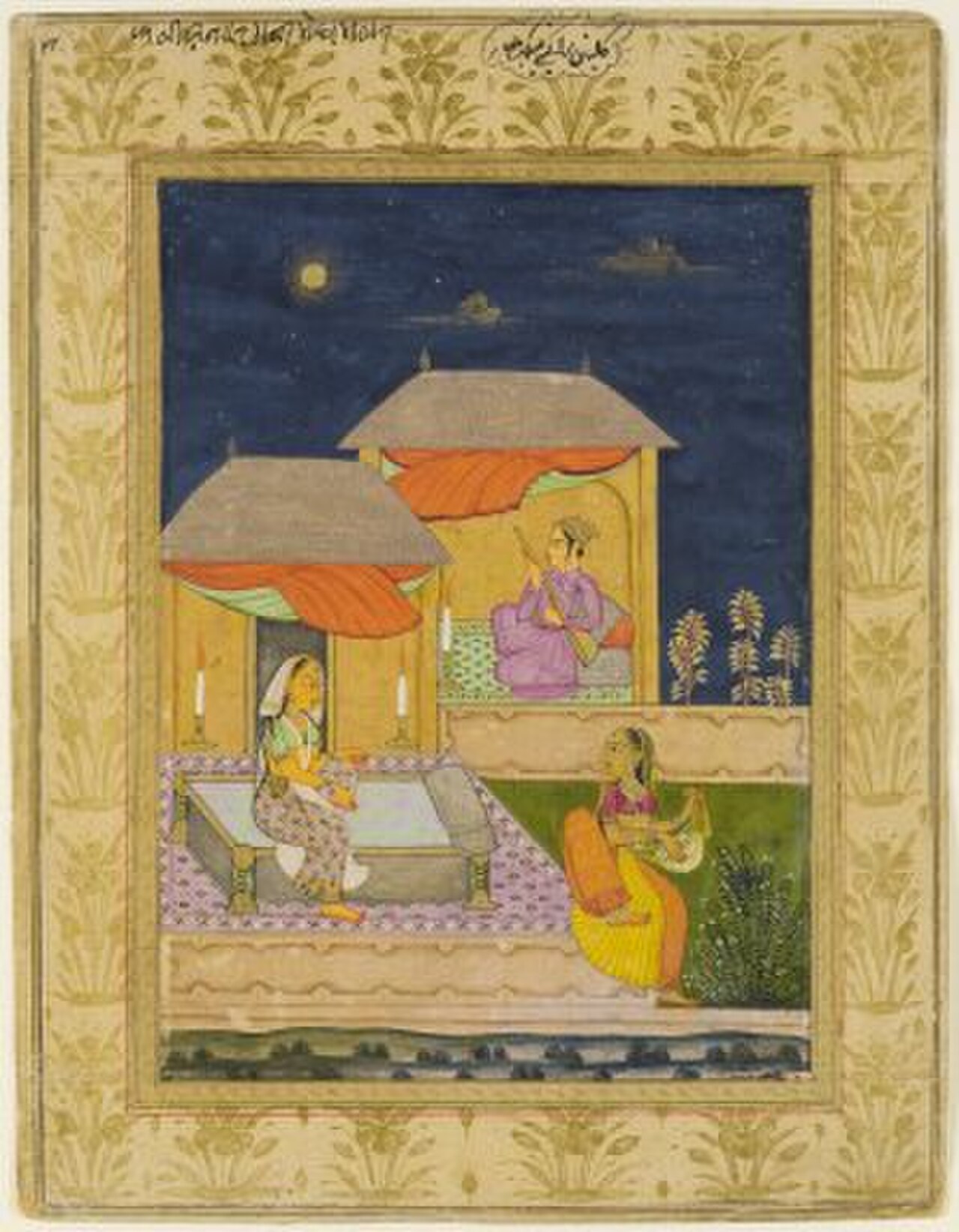
पूर्वी के प्रसिद्ध राग: पूरिया धनश्री
Famous Raags of Poorvi: Puriya Dhanashree and the Romance of Uncertaintyपूर्वी परिवार में, राग पूरिया धनश्री शायद सबसे मनाया जाता है। यह कोमल रे की विशेषता के साथ गहरी लालसा को व्यक्त करता है। राग बसंत पूर्वी पैमाने का उपयोग वसंत के आगमन के दोनों आनंद और क्षणिकता को व्यक्त करने के लिए करता है। राग पूर्वी स्वयं लिमिनल पल में ध्यान केंद्रित करता है।
अंग्रेज़ी में पढ़ें · Read in English
Within the Poorvi Thaat family, Raag Puriya Dhanashree (often called Puriya or Puriya Kalyan) stands as perhaps the most celebrated. Despite its somewhat complicated name, Puriya Dhanashree is exquisitely simple in emotional impact: it is the scale of gentle longing, of romantic uncertainty, of a lover waiting for another. The raga uses the Poorvi thaat's characteristic unsettledness but resolves it not through closure but through acceptance. A performance of Puriya Dhanashree is like watching someone slowly come to terms with absence, moving from active yearning to quiet, dignified patience.
Raag Basant, another member of the Poorvi family, offers a contrasting approach. Associated with spring (basant literally means 'spring'), this raga uses the Poorvi scale to create a mood of gentle celebration mixed with melancholy—the joy of spring's arrival tinged with the knowledge that it, too, will pass. In Hindi film music, Basant-based songs often appear in scenes of new beginnings, where hope is mixed with a subtle awareness of life's transience.
Raag Poorvi itself, the thaat's namesake, is more explicitly concerned with the liminal moment itself. Performed typically in slow tempo during early evening, Poorvi takes the thaat's architectural tension and transforms it into a meditation on impermanence, on the beauty of moments that cannot be held, on the wisdom of accepting change. In classical concerts, Poorvi provides a bridge between the daylight raags and the night-time raags, giving the audience and performer a moment to sit with the essential uncertainty of existence.
अनिश्चयता की बुद्धिमता: आधुनिक युग में पूर्वी
The Wisdom of In-Betweenness: Poorvi in Our Modern Ageआधुनिक दुनिया में, पूर्वी गहरी प्रासंगिकता रखता है। हम लिमिनिटी की अवस्था में रहते हैं—अनुरूप और डिजिटल के बीच, परंपरा और नवाचार के बीच। पूर्वी कहता है: अनिश्चयता को समाप्त न करें; इसमें सौंदर्य है। मारवा के विपरीत, जो बेचैनी का जश्न मनाता है, पूर्वी अनिश्चयता को स्वीकार करने की बुद्धिमता सिखाता है।
अंग्रेज़ी में पढ़ें · Read in English
In our contemporary world, Poorvi speaks to a deeply relevant emotional territory. We live in an age of transition: between analog and digital, between tradition and innovation, between the stability of the past and the uncertainty of the future. Many of us experience what psychologists call 'liminality'—the state of being betwixt and between, neither here nor there. Poorvi is the scale that normalizes this emotional state. It says: uncertainty is not something to be eliminated; it is a valid emotional territory worthy of exploration and expression.
Where Western classical music traditionally values resolution—tension must build, then resolve in a satisfying cadence—Indian classical music, particularly through scales like Poorvi, offers an alternative model. Not all tension needs resolution. Not all questions need answers. Some truths are better expressed through the aesthetic of in-betweenness: the poignancy of waiting, the beauty of uncertainty, the wisdom of living with paradox. This is radical. In a world obsessed with certainty, with 'the right answer,' Poorvi insists that the sunset moment—neither day nor night—is just as valuable, just as beautiful, just as true.
For musicians and listeners alike, engaging with Poorvi means developing a new kind of maturity. It means learning to sit with discomfort without needing to fix it. It means hearing in the raga's restless melody an honest reflection of our own internal states. When a singer concludes a Poorvi performance and the audience rises in appreciation, they are not applauding resolution; they are applauding the courage to dwell in uncertainty, to find beauty in the threshold, to honor the spaces between.
परिचय
Identity- Epithet
- जहाँ दिन की चिंता शाम की शांति से मिलती है · Where daylight anxiety meets the peace of evening
कहानी-नमूना
The Story Specimen| शीर्षक | सूर्यास्त की थाट: दिन और रात के बीच · The Sunset Scale: Between Day and Night |
|---|---|
| श्रेणी | Music Theory |
| प्रकार | विशेष लेख |
| पाठ-समय | ७ मिनट का पाठ |
| प्रकाशित | 31 March 2026 — admin |
| टैग | thaat · raag · hindustani-classical · music-theory · raga-classification · sunset |
इस कहानी में
In This Story · The Cast & Its Platesकहानी में आए नामों के अटलस में अपने पन्ने हैं — यहीं से यात्रा जारी रखिए।
शब्दकोश-सूत्र · Glossary
और कहानियाँ
More Stories from the Atlas
साझा कीजिए · Share this Plate
यह पन्ना आगे बढ़ाइए
सवाल-जवाब
Questions & Answerspoorvi-thaat-the-sunset-scale — यह कथा किस बारे में है? · What is this story about?
पूर्वी थाट हिंदुस्तानी शास्त्रीय प्रणाली में एक अद्वितीय स्थिति पर कब्जा करता है: यह संक्रमण का पैमाना है, दिन और रात के बीच की सीमा का संगीत। बिलावल चमकदार है, असावरी अंधकार में बसता है, भैरवी बहुमुखी है—पूर्वी एक निरंतर तनाव में मौजूद है।