कहानियाँ विंग · कहानी · Music Theory
बेचैन गोधूलि: आराम नहीं, केवल लालसा
The Restless Twilight: No Rest, Only Yearning
वह थाट जो कभी शांत नहीं होता: कोमल रे, तीव्र म, और प का अभाव
प्रकाशित31 March 2026 पाठ७ मिनट का पाठ
आमुख
मारवा थाट हिंदुस्तानी शास्त्रीय प्रणाली का बेचैन बच्चा है—वह पैमाना जो निपटारा करने से इनकार करता है, जो निरंतर तलाश करता है लेकिन खोजता नहीं है। यदि पूर्वी दिन और रात के बीच मौजूद है, तो मारवा उस द्वैत को पूरी तरह से पार करता है।
समाधान के बिना पैमाना: मारवा की तनाव
The Scale Without Resolution: Marwa's Perpetual Tensionमारवा थाट हिंदुस्तानी शास्त्रीय प्रणाली का बेचैन बच्चा है—वह पैमाना जो निपटारा करने से इनकार करता है, जो निरंतर तलाश करता है लेकिन खोजता नहीं है। यदि पूर्वी दिन और रात के बीच मौजूद है, तो मारवा उस द्वैत को पूरी तरह से पार करता है। यह आंदोलन का पैमाना है, आगमन के बिना खोज का, एक निरंतर अवस्था में जो कभी पूरी तरह से अस्तित्व में नहीं आता।
अंग्रेज़ी में पढ़ें · Read in English
Marwa Thaat is the restless child of the Hindustani classical system—the scale that refuses to settle, that perpetually seeks without finding, that hovers in a state of anxious yearning. If Poorvi exists between day and night, Marwa transcends that duality entirely. It is the scale of movement without arrival, of seeking without resolution, of a perpetual state of becoming that never quite arrives at being.
The distinctive architecture of Marwa is remarkable: komal re (flatted second), komal ga (sometimes), tivra ma (sharp fourth), and the conspicuous absence of pa (fifth). In Indian music theory, the pa (perfect fifth) is traditionally considered one of the most important anchor notes—it creates stability, it is the 'voice' of the raga's foundation. By eliminating pa from its arsenal, Marwa removes one of the raga system's primary sources of stability. The result is a scale in perpetual motion, never able to rest fully on any single note.
The absence of pa creates an architectural void in the raga. Where other thaats have a clear harmonic center—the sa (tonic) and pa (fifth) forming the foundation—Marwa instead pivots around the sa and ma (fourth), with the tivra ma creating an unsettled, even dissonant quality. Musicians describe performing Marwa as 'walking on a tightrope without a net'—the scale demands constant alertness, constant adjustment, constant creative thinking to maintain coherence.
सोनिक विरोधाभास: स्थिरता के बिना सामंजस्य
The Sonic Paradox: Creating Coherence Without Stabilityमारवा की विशिष्ट वास्तुकला उल्लेखनीय है: कोमल रे, तीव्र म, और प का उल्लेखनीय अनुपस्थिति। भारतीय संगीत सिद्धांत में प को पाँचवें के रूप में माना जाता है जो स्थिरता बनाता है। इसे हटाकर, मारवा सबसे महत्वपूर्ण संकरों में से एक को हटाता है। संगीतकार मारवा को 'रस्सी पर बिना जाल के चलना' के रूप में वर्णित करते हैं।
अंग्रेज़ी में पढ़ें · Read in English
The sonic DNA of Marwa Thaat consists of: shuddha sa, komal re, komal ga (often omitted in performance), shuddha ma, and notably ABSENT pa, shuddha dha (sometimes komal dha), shuddha ni. The scale is: sa-komal re-shuddha ma-tivra ma-dha-ni-sa (octave). Notice how the raga skips from ma directly to dha, with no pa in between. This creates what Indian musicians call 'khali sthaan' (empty place)—a gap in the expected harmonic progression that forces the performer to constantly compensate through musical intellect and emotional intuition.
Performing Marwa is an exercise in creative problem-solving. A vocalist cannot rely on the pa to 'anchor' melodies the way other raags allow. Instead, they must develop extraordinary agility, constantly modulating between upper and lower registers, using the tivra ma as a pivot point that both unsettles and energizes. The komal re, played with particular expressivity, becomes the vehicle for the raga's essential emotion: a yearning that has no fixed object, a restlessness that cannot be pacified.
This architectural challenge is precisely what makes Marwa so musically compelling. The scale demands that performers be fully present, fully engaged, fully creative. There is no 'coasting' in Marwa; every note matters because the raga itself is so precariously balanced. When a skilled musician masters Marwa, they have essentially learned to create beauty from instability, to find meaning in perpetual motion, to convince an audience that searching itself—not finding—can be profoundly satisfying.
मारवा परिवार: सोहनी, ललित, और संगीत
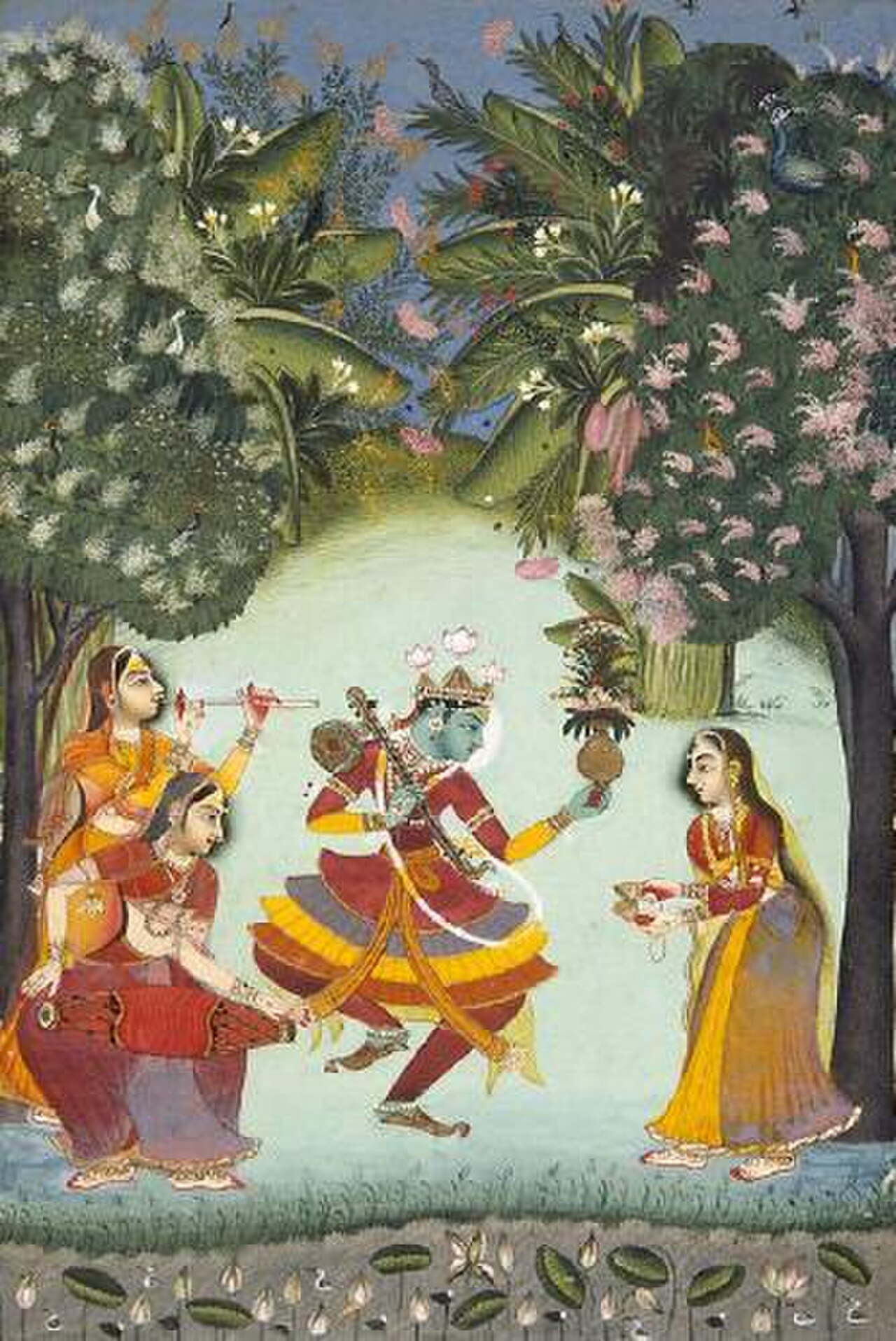
The Marwa Family: Sohani, Lalit, and the Music of Searchingमारवा परिवार में, राग मारवा स्वयं देर रात में प्रदर्शित किया जाता है, जब श्रोता असुरक्षित अवस्था में होने की अपेक्षा की जाती है। राग बेचैनी को एक गहन भावनात्मक यात्रा में बदल देता है। राग सोहनी चंद्रमा की सुंदरता और अलगाव के दर्द को व्यक्त करता है। राग ललित अधिक दार्शनिक है, समझता है कि यात्रा ही गंतव्य है।
अंग्रेज़ी में पढ़ें · Read in English
Within the Marwa Thaat family, several raags have become legendary for their emotional intensity. Raag Marwa itself, the thaat's namesake, is traditionally performed in the late night hours (typically midnight to 3 AM), when listeners are expected to be in a vulnerable, introspective state. The raga takes the thaat's restlessness and channels it into a profound emotional journey. A performance of Marwa feels like watching someone pacing through a room at night, unable to sleep, wrestling with thoughts and feelings they cannot quite articulate. Yet there is a strange beauty in this inability to settle; the raga elevates restlessness to an art form.
Raag Sohani, another member of the Marwa family, translates the scale's yearning into a more romantic context. Associated with moonlight and the beauty of longing, Sohani uses the Marwa thaat's architecture to express a very particular emotion: the ache of being apart from a beloved, knowing they are out there in the moonlit night but unable to reach them. Sohani performances are often tender, intimate, yet shot through with a kind of noble sorrow—the beauty of unfulfilled longing dignified and celebrated.
Raag Lalit, the third major member of the Marwa family, offers yet another interpretation. Lalit is somewhat more settled than pure Marwa, yet it retains the thaat's essential character of seeking without finding. Often performed in slow tempo, Lalit has a philosophical quality—it is the scale of the seeker, the wanderer, the one who has accepted that the journey itself is the destination. In Hindi film music, Raag Lalit has appeared in contemplative moments, in scenes of profound realization, where a character comes to understand some deep truth about themselves.
निरंतर खोज की आध्यात्मिक अर्थ
The Spiritual Meaning of Perpetual Seeking: Marwa as Life Philosophyमारवा थाट एक गहरी आध्यात्मिक सत्य को एन्कोड करता है: दुनिया को स्थिर नहीं किया जा सकता है, पा पर भरोसा नहीं किया जा सकता है। यह बेचैन लोगों का राग है, उन लोगों के लिए जो खोज को खोज से अधिक मूल्य देते हैं। मारवा शिक्षा देता है कि निरंतर गति में सौंदर्य हो सकता है।
अंग्रेज़ी में पढ़ें · Read in English
Marwa Thaat, with its refusal to settle and its absence of the stabilizing pa, speaks to something profound about human experience. In spiritual traditions, there is a concept called 'abhaya mudra'—the gesture of fearlessness. But Marwa suggests something different: 'akriya mudra'—the gesture of perpetual motion, of restlessness as a form of seeking, of the understanding that stability itself might be an illusion. In Hindu philosophy, there is 'Brahman Satya, Jagat Mithya' (Brahman is real, the world is illusion). Marwa encodes this understanding into its very structure: the world cannot be pinned down, pa cannot be relied upon, resting places are temporary.
For contemporary listeners, Marwa offers a radical permission: permission to be restless without guilt, permission to seek without needing to find, permission to accept that some people are searchers by nature and that this is not a flaw but a feature. In our modern world, where people are often made to feel broken because they cannot 'settle down,' Marwa insists that some souls are meant to keep moving. The scale is a manifesto of the restless ones, of those who value the seeking more than the finding, who understand that the journey is richer than any destination could ever be.
When a singer concludes a Marwa performance and leaves the audience sitting in silence—not with the comfort of resolution but with the bittersweet beauty of unresolved longing—they have given a profound gift. They have shown that music, like life, does not always need to resolve. Sometimes the beauty lies in the incompleteness, in the perpetual yearning, in the honest acceptance that some questions cannot be answered. In this way, Marwa is perhaps the most spiritually mature of all the thaats. It teaches acceptance not through stillness, but through movement; not through finding, but through the nobility of the search itself.
परिचय
IdentityEpithet
वह थाट जो कभी शांत नहीं होता: कोमल रे, तीव्र म, और प का अभाव
The scale that never settles: komal re, tivra ma, and the absence of pa
कहानी-नमूना
The Story Specimen| शीर्षक | बेचैन गोधूलि: आराम नहीं, केवल लालसा · The Restless Twilight: No Rest, Only Yearning |
|---|---|
| श्रेणी | Music Theory |
| प्रकार | विशेष लेख |
| पाठ-समय | ७ मिनट का पाठ |
| प्रकाशित | 31 March 2026 — admin |
| टैग | thaat · raag · hindustani-classical · music-theory · raga-classification · marwa |
इस कहानी में
In This Story · The Cast & Its Platesकहानी में आए नामों के अटलस में अपने पन्ने हैं — यहीं से यात्रा जारी रखिए।
शब्दकोश-सूत्र · Glossary
राग-सूत्र · Raags
और कहानियाँ
More Stories from the Atlas

साझा कीजिए · Share this Plate
यह पन्ना आगे बढ़ाइए
सवाल-जवाब
Questions & Answersmarwa-thaat-the-restless-twilight — यह कथा किस बारे में है? · What is this story about?
मारवा थाट हिंदुस्तानी शास्त्रीय प्रणाली का बेचैन बच्चा है—वह पैमाना जो निपटारा करने से इनकार करता है, जो निरंतर तलाश करता है लेकिन खोजता नहीं है। यदि पूर्वी दिन और रात के बीच मौजूद है, तो मारवा उस द्वैत को पूरी तरह से पार करता है।