कहानियाँ विंग · कहानी · Social History · 1909
राष्ट्र की आवाज़ें: मिंटो-मॉर्ले सुधार और 1909 की रिकॉर्डिंग सत्र
Voices of a Nation: The Minto-Morley Reforms and the 1909 Recording Sessions
कैसे राजनीतिक परिवर्तन संवैधानिक परिवर्तन के वर्ष में सांस्कृतिक रिकॉर्डिंग बूम को प्रेरित किया
प्रकाशित31 March 2026 पाठ८ मिनट का पाठ
आमुख
संभावना का क्षण
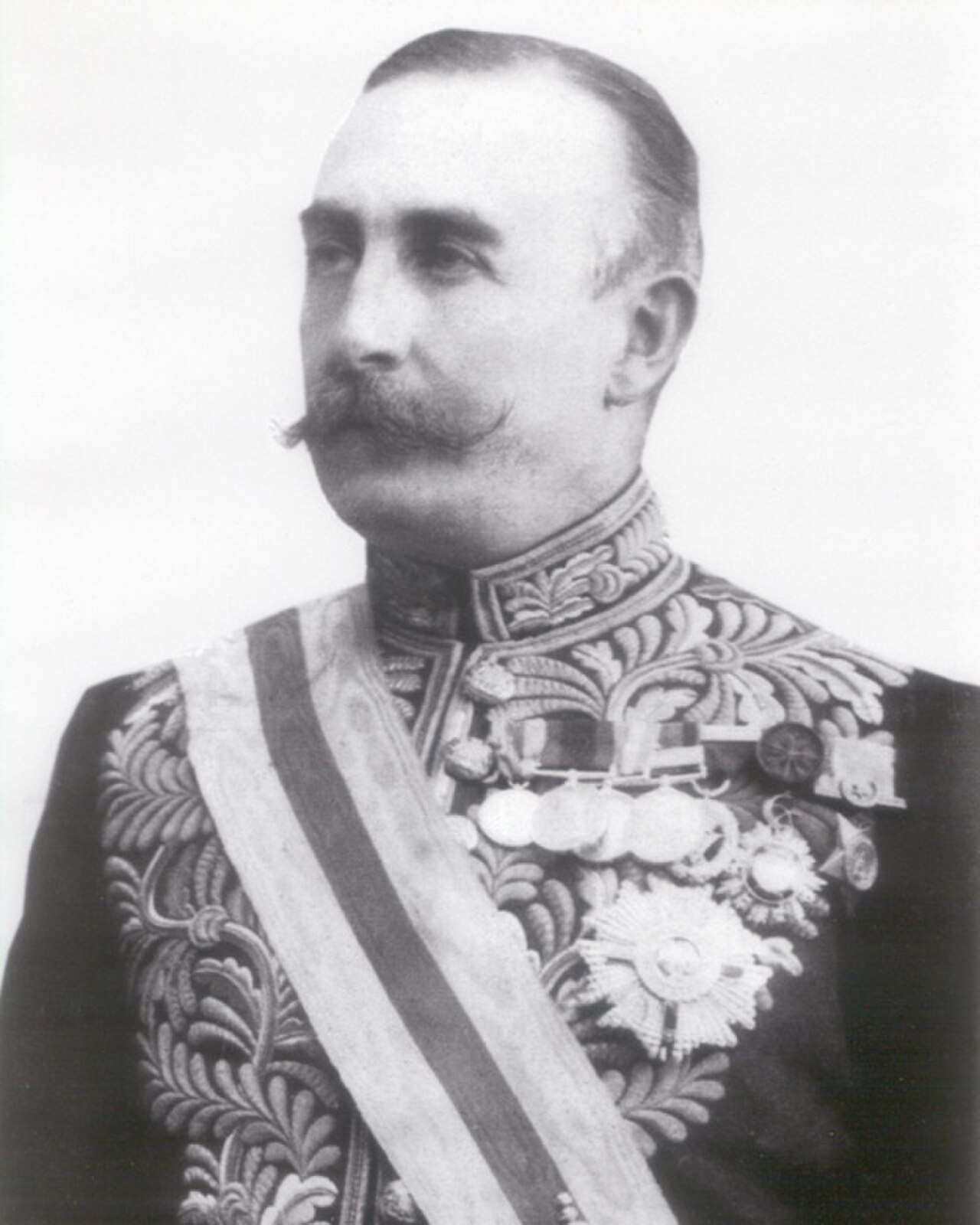
The Moment of Possibility1909 में, मिंटो-मॉर्ले सुधारों ने भारत के राजनीतिक परिदृश्य को बदल दिया। पहली बार, भारतीयों को सीमित चुनावों के माध्यम से विधायी परिषदों में भाग लेने का अधिकार दिया गया। भारतीय परिषद अधिनियम ने शासन में भारतीय भागीदारी का विस्तार किया, जो कई लोगों को आत्मनिर्णय की ओर पहला कदम लगा। सड़कों पर, विश्वविद्यालयों में, समाचारपत्रों में, जागरण की एक स्पष्ट भावना थी—कि भारतीय राजनीतिक चेतना, भारतीय सोच, भारतीय आकांक्षा को अब औपचारिक रूप से व्यक्त किया जा सकता था। संभावना का यह क्षण राजनीति से परे संस्कृति में विस्तारित हुआ। अगर भारतीयों को अंत में शक्ति की परिषदों में सुना जा रहा था, तो भारतीय आवाज़ों को हर जगह सुना और संरक्षित किया जाना चाहिए। ग्रामोफोन, जो एक साल पहले एक आभूषणीय जिज्ञासा की तरह लग सकता था, अचानक राष्ट्रीय महत्व का एक उपकरण बन गया। रिकॉर्डिंग सत्र जो पहले बिखरे हुए और अनौपचारिक थे, अब जानबूझकर, मिशन-संचालित प्रयास बन गए। भारतीय संगीतकारों ने एक अवसर को पहचाना: अपनी कला को संरक्षित करने, यह सुनिश्चित करने कि भारतीय शास्त्रीय संगीत को नहीं भुलाया जाएगा, प्रतिभा का एक स्थायी संग्रह बनाने के लिए।
अंग्रेज़ी में पढ़ें · Read in English
In 1909, the Minto-Morley Reforms transformed India's political landscape. For the first time, Indians were granted a voice in legislative councils through limited elections. The Indian Councils Act expanded Indian participation in governance, creating what many saw as a first step toward self-determination. In the streets, in universities, in newspapers, there was a palpable sense of awakening—that Indian political consciousness, Indian thought, Indian aspiration could now be formally expressed. This moment of possibility extended beyond politics into culture. If Indians were finally being heard in councils of power, then Indian voices deserved to be heard and preserved everywhere. The gramophone, which just a year earlier might have seemed like an ornamental curiosity, suddenly became a tool of national significance. Recording sessions that had been sporadic and informal now became deliberate, mission-driven endeavors. Indian musicians recognized an opportunity: to preserve their art, to ensure that Indian classical music would not be forgotten, to create a permanent archive of genius.
कलकत्ता राजनीतिक और संगीत केंद्र के रूप में
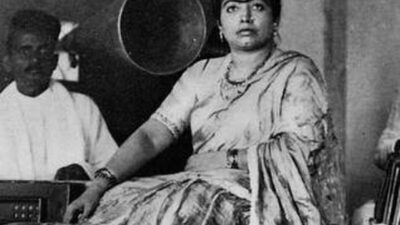
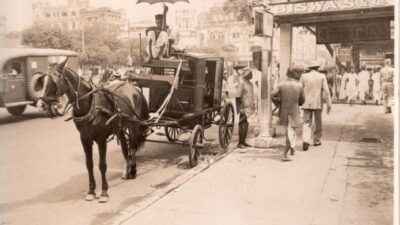
Calcutta as the Political and Musical Epicenterअगर 1909 राजनीतिक जागरण का वर्ष था, तो कलकत्ता इसका गरजता हुआ दिल था। शहर ने आत्मशासन, आज़ादी और भारतीय राष्ट्र के भविष्य के बारे में तीव्र बहसें होस्ट कीं। यह भारतीय रिकॉर्डिंग की भी राजधानी थी—ग्रामोफोन कंपनी ने अपना सबसे बड़ा भारतीय कार्यालय वहां स्थापित किया था, और शहर उपमहाद्वीप के सबसे परिष्कृत संगीतकारों का घर था। राजनीतिक उत्साह और संगीत विशेषज्ञता की एकाग्रता रिकॉर्डिंग गतिविधि का एक परिपूर्ण तूफान बनाई। गौहर जान जैसे गायक, जिनकी ठुमरियां और ग़ज़लें दरबारी संस्कृति में पनपी थीं, अचानक एक लुप्त होती दुनिया के अभिभावक के रूप में पुनर्स्थापित पाए जाते थे। वह तत्कालता के साथ, इरादे के साथ रिकॉर्ड करते थे। हर सत्र एक बयान था: यह संगीत महत्वपूर्ण है, यह आवाज़ संरक्षित होनी चाहिए। शहर के अखबार, काउंसिल अधिनियम की रिपोर्टों में भरे, रिकॉर्डिंग सत्रों को भी अप्रत्याशित गंभीरता के साथ कवर करते थे। एक प्रमुख बंगाली समाचारपत्र ने गौहर जान की नवीनतम रिकॉर्डिंग पर एक विशेषता चलाई, उसके काम को मनोरंजन के रूप में नहीं बल्कि सांस्कृतिक देशभक्ति के एक कार्य के रूप में प्रस्तुत किया। यह विचार कि एक मनोरंजन तकनीक को संरक्षण की ओर, राष्ट्र-निर्माण की ओर मोड़ा जा सकता था, अचानक मुख्यधारा थी।
अंग्रेज़ी में पढ़ें · Read in English
If 1909 was the year of political awakening, Calcutta was its thundering heart. The city hosted intense debates about self-governance, independence, and the future of the Indian nation. It was also the capital of Indian recording—The Gramophone Company had established its largest Indian office there, and the city was home to the subcontinent's most sophisticated musicians. The concentration of political fervor and musical expertise created a perfect storm of recording activity. Singers like Gauhar Jaan, whose thumris and ghazals had thrived in court culture, suddenly found themselves repositioned as guardians of a disappearing world. They recorded with urgency, with intention. Every session was a statement: this music matters, this voice must be preserved. The city's newspapers, flush with reports of the Councils Act, also covered recording sessions with unexpected gravitas. A leading Bengali newspaper ran a feature on Gauhar Jaan's latest recordings, framing her work not as entertainment but as an act of cultural patriotism. The idea that an entertainment technology could be turned toward preservation, toward nation-building, was suddenly mainstream.
राजनीतिक चेतना के रूप में रिकॉर्डिंग
Recording as Political Consciousnessराजनीतिक सुधार और रिकॉर्डिंग गतिविधि के बीच का संबंध आकस्मिक नहीं था—यह विचारधारात्मक था। भारतीय राष्ट्रवादियों को समझ था कि भारतीय संस्कृति को संरक्षित करना एक भारतीय राष्ट्र बनाने के बड़े परियोजना का हिस्सा था। भारतीय राष्ट्र क्या होता था यदि उसकी आवाज़ों का योग नहीं? संगीत को रिकॉर्ड करके, भारतीय संगीतकारों की प्रतिभा को मोम में कैद करके, राष्ट्रवादी बुद्धिजीवी यह प्रतिपादन कर रहे थे: हम गायब नहीं होंगे। हमारी संस्कृति साम्राज्यों से अधिक समय तक जीवित रहेगी। हमारे नाम बहुत समय तक बोले जाएंगे उनकी मशीनें बंद हो चुकी होंगी। इस संदर्भ में, रिकॉर्डिंग सत्र अर्ध-पवित्र महत्व लेते थे। जब अब्दुल करीम खान स्टूडियो में अपना ख़याल रिकॉर्ड करने के लिए बैठे, जब जंकी बाई इलाहाबाद अपनी दादरा तैयार कीं, तो वह केवल मनोरंजन उत्पाद नहीं बना रहे थे। वह भारतीय महानता के बारे में एक तर्क बना रहे थे, भारतीय संगीत परंपरा की पुरानी और परिष्कृतता के बारे में, आत्मनिर्णय के भारत के अधिकार के बारे में। विडंबना—गहन और अनकहा—यह थी कि वह एक ब्रिटिश तकनीक (ग्रामोफोन) का उपयोग कर रहे थे, ब्रिटिश कंपनियों द्वारा बेचा गया (एचएमवी, ग्रामोफोन कंपनी), एक विरोधी-औपनिवेशिक दावा करने के लिए। लेकिन उपनिवेशित लोग हमेशा से जानते हैं कि मालिक के उपकरणों को मालिक के घर के खिलाफ कैसे बदलना है।
अंग्रेज़ी में पढ़ें · Read in English
The link between political reform and recording activity was not incidental—it was ideological. Indian nationalists understood that preserving Indian culture was part of the larger project of building an Indian nation. What was the Indian nation if not the sum of its voices? By recording music, by capturing the genius of Indian musicians in wax, nationalist intellectuals were asserting: we will not disappear. Our culture will outlast empires. Our names will be spoken long after their machines have stopped. In this context, recording sessions took on quasi-sacred significance. When Abdul Karim Khan sat down to record his Khayal in the studio, when Janki Bai Allahabad prepared her dadras, they were not simply making entertainment products. They were making an argument about Indian greatness, about the antiquity and sophistication of Indian musical tradition, about India's right to self-determination. The irony—profound and unspoken—was that they were using a British technology (the gramophone), sold by British companies (HMV, The Gramophone Company), to make an anti-colonial assertion. But colonized peoples have always known how to turn the master's tools against the master's house.
महिला रिकॉर्डिंग कलाकारों का आर्थिक एजेंट के रूप में उदय
The Emergence of Female Recording Artists as Economic Agents1909 की रिकॉर्डिंग बूम एक क्षण भी था जब महिला संगीतकार—ऐतिहासिक रूप से दरबार और मंदिर की सेटिंग्स में हाशिए पर—अचानक ग्रामोफोन के माध्यम से आर्थिक एजेंसी पाई। गौहर जान, जंकी बाई इलाहाबाद और ज़ोहरा बाई अग्रेवाली 1909 में केवल मनोरंजनकार नहीं थीं—वह उद्यमी थीं। उन्होंने दरें परिचलित कीं, रॉयल्टी की मांग की, यह फैसला किया कि क्या रिकॉर्ड करना है और कैसे। ग्रामोफोन ने उन्हें कुछ ऐसा दिया जो पुरानी संरक्षण प्रणाली कभी नहीं कर सकती थी: व्यक्तिगत संरक्षकों से आजादी। उन्हें अब अपने संगीत का समर्थन करने के लिए एक अमीर जमींदार या महाराजा की जरूरत नहीं थी। बाजार करेगा। और पहली बार, ये महिलाएं मुख्यधारा भारतीय प्रवचन में आर्थिक अभिनेताओं के रूप में दृश्यमान हो रही थीं। राजनीतिक समाचारपत्र जो भारतीय आत्मनिर्णय पर बहस को कवर करते थे, रिकॉर्डिंग कलाकारों को भी प्रोफाइल करते थे। संदेश—फिर से, अक्सर अनकहा—स्पष्ट था: अगर महिलाएं अपनी कला के माध्यम से पैसा कमा सकती हैं, अगर वह स्वतंत्र रूप से संपत्ति जमा कर सकती हैं, तो वह समाज के केवल आभूषण नहीं बल्कि इसके आर्थिक जीवन में भाग लेने वाली हैं। काउंसिल अधिनियम ने भारतीय पुरुषों को राजनीतिक आवाज़ दी; रिकॉर्डिंग उद्योग एक ही समय में भारतीय महिलाओं को आर्थिक आवाज़ दे रहा था।
अंग्रेज़ी में पढ़ें · Read in English
The 1909 recording boom was also a moment when female musicians—historically marginalized in court and temple settings—suddenly found economic agency through the gramophone. Gauhar Jaan, Janki Bai Allahabad, and Zohra Bai Agrewali were not mere entertainers in 1909—they were entrepreneurs. They negotiated rates, demanded royalties, made decisions about what to record and how. The gramophone offered them something that the old patronage system never could: independence from individual patrons. They no longer needed a wealthy zamindar or a maharaja to support their music. The market would. And for the first time, these women were becoming visible as economic actors in mainstream Indian discourse. Political newspapers that covered debates on Indian self-governance also profiled recording artists. The message—again, often unspoken—was clear: if women could earn money through their art, if they could accumulate wealth independently, then they were not merely ornaments of society but participants in its economic life. The Councils Act granted political voice to male Indians; the recording industry was simultaneously granting economic voice to Indian women.
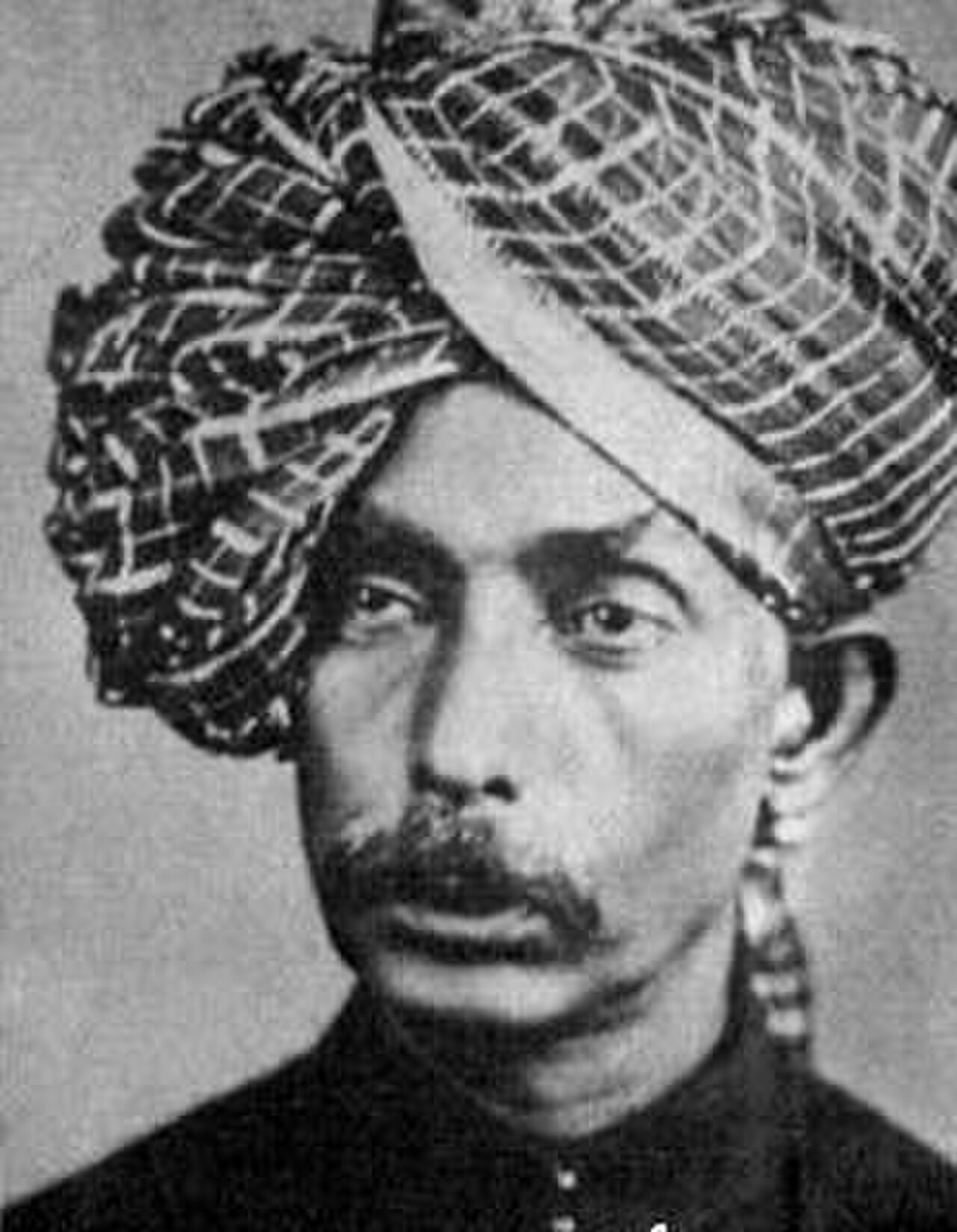
एक राष्ट्र अपने आप को दस्तावेज़ कर रहा है
A Nation Documenting Itself1909 के अंत तक, भारतीय रिकॉर्डिंग उद्योग कुछ अभूतपूर्व बन गया था: एक तंत्र जिसके माध्यम से एक उपनिवेशित लोग अपनी संस्कृति को दस्तावेज़ करते थे, अपनी शर्तों पर, उपलब्ध तकनीक का उपयोग करते हुए। 1909 में भारत में बनाए गए ग्रामोफोन रिकॉर्ड्स पश्चिमी विद्वानों द्वारा एकत्र किए गए नृवंशविज्ञान संग्रह नहीं थे। वह भारतीय कलाकारों द्वारा आत्म-प्रतिनिधित्व के सचेत कार्य थे जो ऐतिहासिक क्षण को समझते थे। रवीन्द्रनाथ टैगोर अपने दार्शनिक गीत रिकॉर्ड करते हैं, अब्दुल करीम खान ख़याल परंपरा को संरक्षित करते हैं, गौहर जान अपनी ठुमरियों के माध्यम से अपनी आर्थिक और कलात्मक स्वतंत्रता का दावा करती हैं—ये अलग-थलग प्रदर्शन नहीं थे। वह सांस्कृतिक स्वायत्तता की ओर एक बड़े आंदोलन के अंश थे। मिंटो-मॉर्ले सुधारों ने औपनिवेशिक शक्ति के भवन में एक दरार खोल दी थी। भारतीयों को शासन में एक आवाज़ दी गई थी, हालांकि सीमित। वह आवाज़ कलकत्ता के रिकॉर्डिंग स्टूडियो में, मोम सिलेंडर के खांचे में, भारत भर के घरों में रेडियो और ग्रामोफोन में गूंजा। अपने संगीत को संरक्षित करके, भारतीय संगीतकार अपने अस्तित्व का, महत्वपूर्ण होने का, भविष्य को आकार देने का अधिकार प्रतिपादित कर रहे थे। वर्ष 1909 इस प्रकार एक राजनीतिक और सांस्कृतिक सीमा दोनों था—वह क्षण जब भारतीयों ने सुने जाने पर जोर देना शुरू किया।
अंग्रेज़ी में पढ़ें · Read in English
By the end of 1909, the Indian recording industry had become something unprecedented: a mechanism through which a colonized people documented their own culture, on their own terms, using available technology. The gramophone records made in India in 1909 were not anthropological specimens collected by Western scholars. They were conscious acts of self-representation by Indian artists who understood the historical moment. Rabindranath Tagore recording his philosophical songs, Abdul Karim Khan preserving the Khayal tradition, Gauhar Jaan asserting her economic and artistic independence through her thumris—these were not isolated performances. They were parts of a larger movement toward cultural autonomy. The Minto-Morley Reforms had opened a crack in the edifice of colonial power. Indians had been granted a voice in governance, however limited. That voice found echo in the recording studios of Calcutta, in the grooves of wax cylinders, in the radios and gramophones of homes across India. By preserving their music, Indian musicians were asserting their right to exist, to matter, to shape the future. The year 1909 was thus both a political threshold and a cultural one—the moment when Indians began to insist on being heard.
परिचय
IdentityEpithet
कैसे राजनीतिक परिवर्तन संवैधानिक परिवर्तन के वर्ष में सांस्कृतिक रिकॉर्डिंग बूम को प्रेरित किया
How political transformation sparked a cultural recording boom in the year of constitutional change
कहानी-नमूना
The Story Specimen| शीर्षक | राष्ट्र की आवाज़ें: मिंटो-मॉर्ले सुधार और 1909 की रिकॉर्डिंग सत्र · Voices of a Nation: The Minto-Morley Reforms and the 1909 Recording Sessions |
|---|---|
| श्रेणी | Social History |
| प्रकार | Narrative |
| पाठ-समय | ८ मिनट का पाठ |
| प्रकाशित | 31 March 2026 — admin |
| वर्ष | 1909 |
| टैग | Minto-Morley · Indian Councils Act · political reform · cultural nationalism · recording industry |
और कहानियाँ
More Stories from the Atlas
साझा कीजिए · Share this Plate