कहानियाँ विंग · कहानी · Social History
स्वदेशी सुर: कैसे 1905 के बंगाल विभाजन ने संगीतात्मक राष्ट्रवाद को जन्म दिया
Swadeshi Strings: How the 1905 Bengal Partition Sparked a Musical Nationalism
जैसे-जैसे राजनीतिक स्वतंत्रता आंदोलन गति पकड़ते थे, भारतीय संगीतकारों ने रिकॉर्डिंग तकनीक को सांस्कृतिक दावे और राष्ट्रीय गर्व के उपकरण के रूप में अपनाया
प्रकाशित31 March 2026 पाठ१० मिनट का पाठ
आमुख
विभाजन का घाव
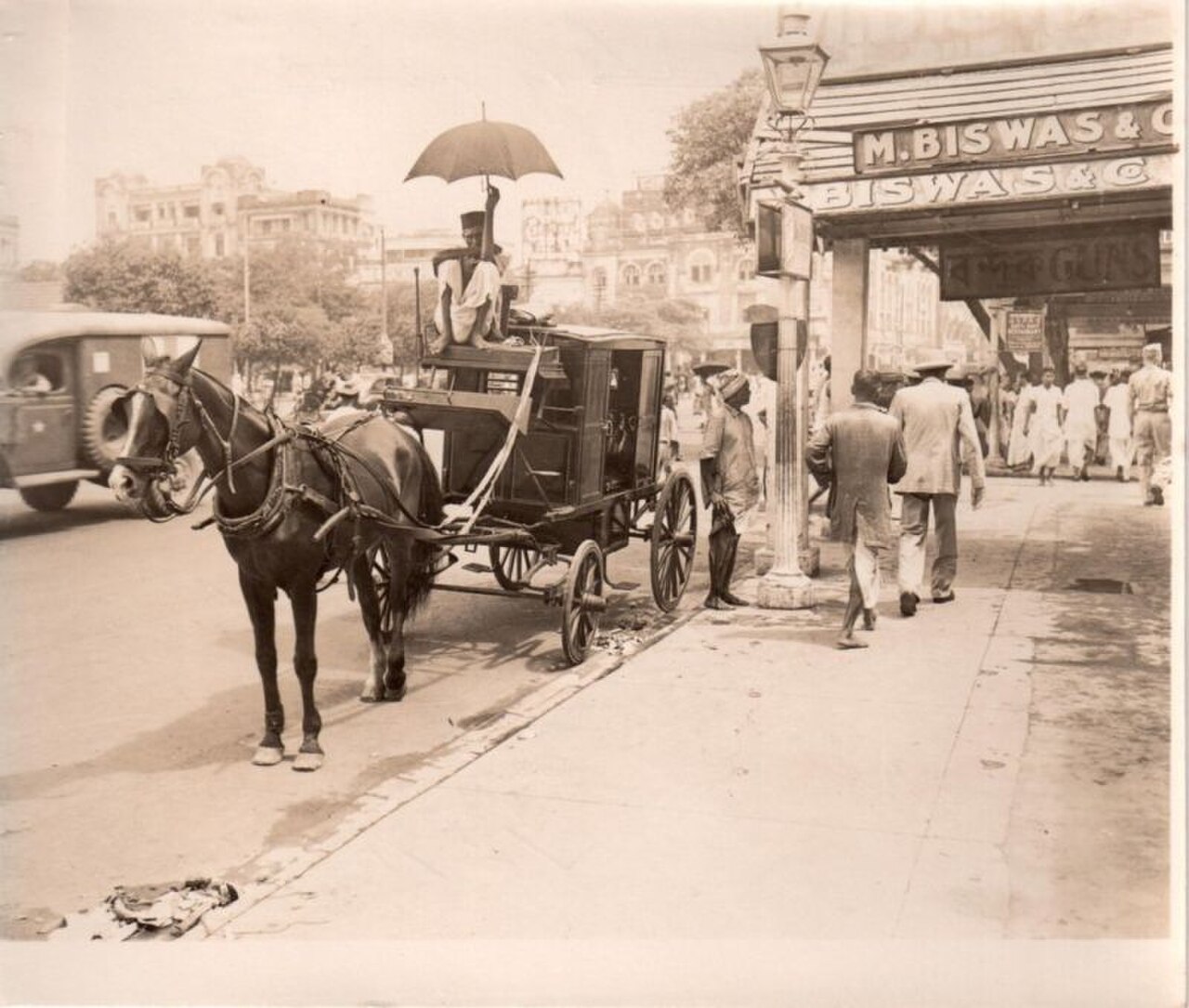
The Wound of Partition4 जुलाई, 1905 को, कर्जन के प्रशासनिक आदेश ने औपचारिक रूप से बंगाल को विभाजित कर दिया — ऐतिहासिक प्रांत को पूर्व बंगाल (मुस्लिम-बहुसंख्यक) और पश्चिम बंगाल (हिंदू-बहुसंख्यक) में विभाजित कर दिया। विभाजन एक प्रशासनिक दक्षता उपाय के रूप में किया गया था, लेकिन यह एक राजनीतिक आपदा बन गया। बंगाल भर में, कलकत्ता के बुद्धिजीवी मंडलों से गाँव के वर्गों तक, प्रतिक्रिया तत्काल और ज्वलंत था। सहज हड़तालें कलकत्ता को लकवा मार दीं। छात्रों ने स्कूलों का बहिष्कार किया। शिक्षित मध्यम वर्ग, जो काफी हद तक ब्रिटिश शासन को स्वीकार करता था, अचानक गतिशील हो गया। जो आंदोलन उभरा उसे स्वदेशी कहा जाता था — शाब्दिक रूप से 'अपने स्वयं के देश में।' यह एक राजनीतिक विरोध से अधिक था; यह ब्रिटिश सामान, ब्रिटिश शिक्षा, और ब्रिटिश सांस्कृतिक प्रभुत्व की एक व्यापक अस्वीकृति थी। स्वदेशी सक्रियताओं ने वैकल्पिक उद्योग बनाए, राष्ट्रीय स्कूलों की स्थापना की भारतीय इतिहास और दर्शन सिखाते हुए, और सबसे महत्वपूर्ण रूप से, उन्होंने सांस्कृतिक दावा का एक व्यवस्थित पुनः स्थापन शुरू किया। संगीत इस सांस्कृतिक दावे में एक महत्वपूर्ण हथियार बन गया। विभाजन संगीत के इतिहास में एक उल्लेखनीय क्षण से मिल गया: रिकॉर्ड किए गए संगीत की व्यापक उपलब्धता। पहली बार, भारतीय शास्त्रीय और अर्ध-शास्त्रीय संगीत — रूप जो ब्रिटिश ने 'आदिम' या 'संवेदनात्मक' के रूप में खारिज कर दिया — संरक्षित, प्रसारित, और भारतीय प्रतिभा के अभिव्यक्ति के रूप में मनाया जा सकते थे। रिकॉर्डिंग एक देशभक्तिपूर्ण कार्य बन गई।
अंग्रेज़ी में पढ़ें · Read in English
On July 4, 1905, Lord Curzon's administrative order formally divided Bengal — splitting the historic province into East Bengal (Muslim-majority) and West Bengal (Hindu-majority). The Partition was intended as an administrative efficiency measure, but it became a political catastrophe. Across Bengal, from Calcutta's intellectual circles to village squares, the reaction was instantaneous and volcanic. Spontaneous strikes paralyzed Calcutta. Students boycotted schools. The educated middle class, which had largely acquiesced to British rule, suddenly mobilized.
The movement that emerged was called Swadeshi — literally 'of one's own country.' It was more than a political protest; it was a comprehensive rejection of British goods, British education, and British cultural domination. Swadeshi activists created alternative industries, established national schools teaching Indian history and philosophy, and most significantly, they began a systematic reclamation of Indian culture as a source of national pride rather than colonial embarrassment.
Music became a crucial weapon in this cultural assertion. The Partition of Bengal coincided with a remarkable moment in Indian musical history: the widespread availability of recorded music. For the first time, Indian classical and semi-classical music — forms that the British had dismissed as 'primitive' or 'sensual' — could be preserved, disseminated, and celebrated as representations of Indian genius. Recording became a patriotic act.
देशभक्तिपूर्ण के रूप में रिकॉर्डिंग
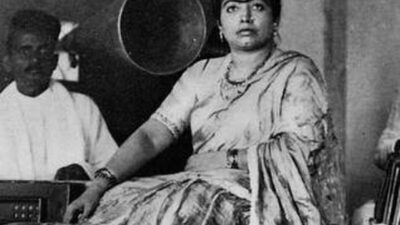
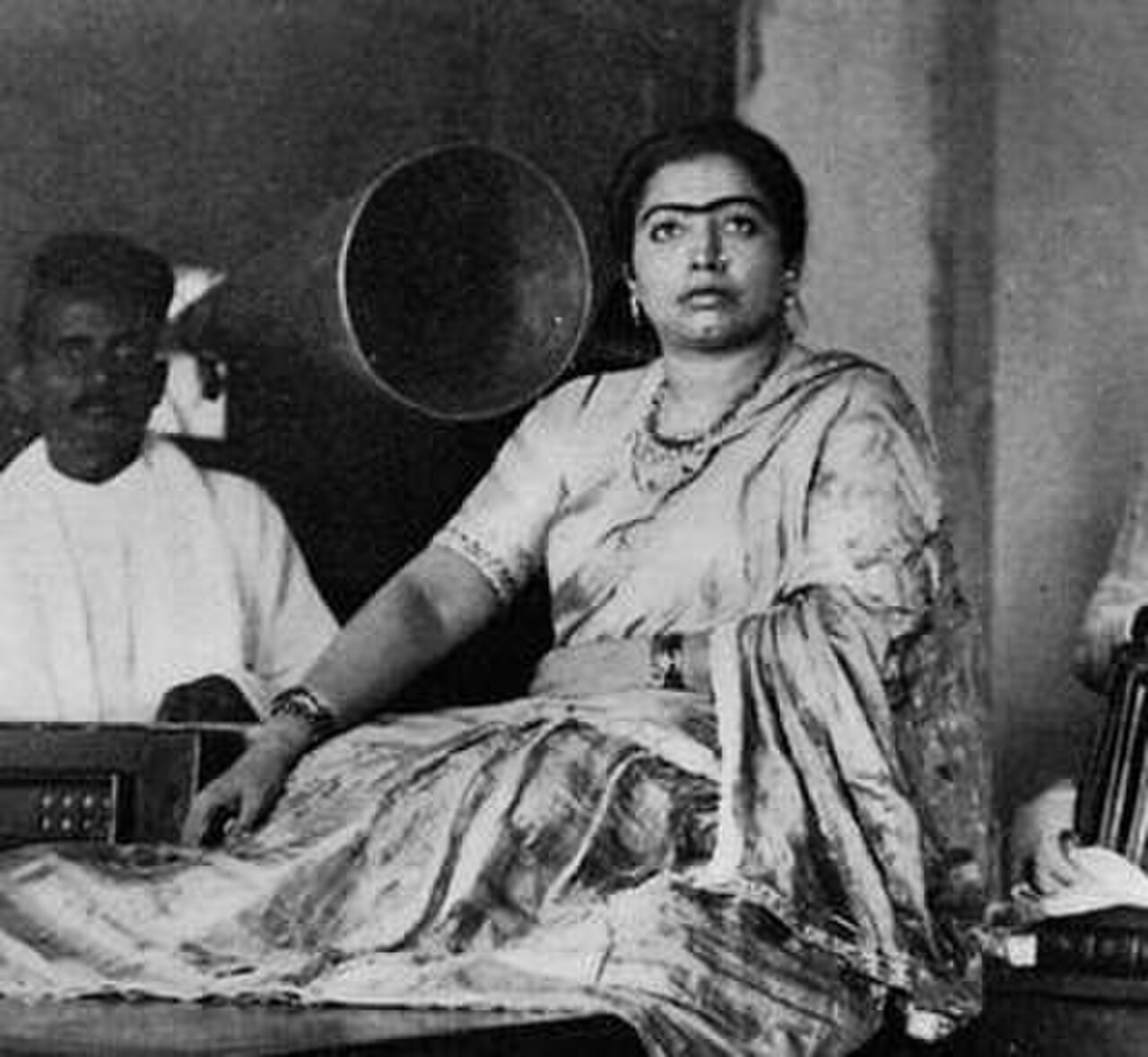
Recording as Patriotismसमय असाधारण था। जैसे-जैसे स्वदेशी सक्रिय भारतीय परंपराओं की वापसी की माँग करती थीं, रिकॉर्डिंग उद्योग वह परंपराएँ बड़े पैमाने पर बनाना उपलब्ध कर रहा था। मध्यम वर्गीय बंगालियों और उत्तर भारतीयों के लिए, एक ग्रामोफ़ोन खरीदना और भारतीय संगीत रिकॉर्ड का संग्रह खरीदना एक राष्ट्रवादी खपत का कार्य बन गया। आप केवल मनोरंजन नहीं खरीद रहे थे; आप भारतीय संस्कृति को संरक्षित कर रहे थे, भारतीय जीनियस का जश्न मना रहे थे, ब्रिटिश सांस्कृतिक वर्चस्व को अस्वीकार कर रहे थे। गौहर जान ने इसे पूरी तरह से समझा। 1905 तक, वह मात्र मनोरंजन की भूमिका से परे चली गई थीं। वह एक सांस्कृतिक आइकन थीं — एक महिला जिसने ब्रिटिश मान्यता की आवश्यकता के बिना भारतीय शास्त्रीय संगीत में कौशल के माध्यम से प्रसिद्धि, धन, और स्वतंत्रता हासिल की थीं। जब वह ग्रामोफ़ोन और बेका दोनों के लिए रिकॉर्ड करती थीं, जब वह भारत भर में दौरा करती थीं, जब वह राष्ट्रवादी विषयों को शामिल करने वाले संगीत नाटक लिखती थीं, तो वह एक भारतीय आधुनिकता का संस्करण प्रदर्शन करती थीं जिसे ब्रिटिश मान्यता की आवश्यकता नहीं थी। इसी तरह, पीरा साहब की ग़ज़लें नई महत्ता ले गईं। ग़ज़ल, उर्दू काव्य और फ़ारसी रूपों के साथ, हिंदू राष्ट्रवादियों द्वारा 'विदेशी' और 'विकृत' के रूप में लंबे समय से खारिज कर दी गई थी। लेकिन जब पीरा साहब ने 1905 में 'पियु भाय' जैसी ग़ज़लें रिकॉर्ड कीं, तो उन्होंने भारतीय संगीत विरासत के रूप में उनका दावा पुनः स्थापित कर रहे थे। रिकॉर्डिंग इस पुनः दावे का एक स्थायी प्रमाण बन गया — एक फ़ारसी-प्रभावित परंपरा को भारतीय अभिजात द्वारा स्वामित्व और जीवंत किए जाने का एक साक्ष्य।
अंग्रेज़ी में पढ़ें · Read in English
The timing was extraordinary. Just as Swadeshi activists were demanding a return to Indian traditions, the recording industry was making those traditions available to the masses. For middle-class Bengalis and North Indians, buying a gramophone and a collection of Indian music records became an act of nationalist consumption. You weren't just buying entertainment; you were preserving Indian culture, celebrating Indian genius, and rejecting British cultural hegemony.
Gauhar Jaan understood this perfectly. By 1905, she had transcended the role of mere entertainer. She was a cultural icon — a woman who had achieved fame, wealth, and independence through her mastery of Indian classical music. When she recorded for both Gramophone and Beka, when she toured throughout India, when she wrote musical plays that incorporated nationalist themes, she was performing a version of Indian modernity that didn't require British validation.
Similarly, Peara Saheb's ghazals took on new significance. The ghazal, with its Urdu poetry and Persian forms, had long been dismissed by Hindu nationalists as 'foreign' and 'decadent.' But when Peara Saheb recorded ghazals like Piyu Bhaay in 1905, he was reclaiming them as part of Indian musical heritage. The recording created an archive of this reclamation — a permanent testament to a living Indian tradition that synthesized Persian, Mughal, and Indian elements into something uniquely Indian.
मौसमी गीत और सांस्कृतिक स्मृति
Seasonal Songs and Cultural Memory1905 में, मौसमी संगीत को स्वदेशी आंदोलन के भीतर विशेष महत्व दिया गया। कजरी (मानसून गीत), होरी (वसंत महोत्सव गीत), और बहार (मौसमी भिन्नताएँ) जैसे रूपों की गहरी ग्रामीण भारतीय जीवन में जड़ें थीं। वे 'शास्त्रीय' नहीं थे ख़याल की तरह — वे लोक परंपराएँ थीं, सामूहिक रूप जो ग्रामीण लोग सदियों से गाते आ रहे थे। फिर भी वे शहरी, शिक्षित संगीतकारों द्वारा व्यवस्थित, औपचारिक, और रिकॉर्ड किए जा रहे थे। जब गौहर जान ने 1905 की शुरुआत में 'कजरी सॉवना' रिकॉर्ड किया, तो वह एक बड़ी सांस्कृतिक परियोजना में भाग ले रहीं: भारतीय जनता के लिए उपलब्ध हैं ऐसे रूपों को संरक्षण और उन्नयन जो ब्रिटिश संस्कृति ने 'कच्चे' या 'ग्रामीण' के रूप में खारिज किया। रिकॉर्डिंग ने कजरी को एक राष्ट्रीय मंच दिया। यह अब केवल एक क्षेत्रीय किसान गीत नहीं था — यह एक प्राधिकृत रूप था, एक महान कलाकार की व्याख्या के योग्य। रिकॉर्डिंग ने कजरी को दिल्ली, बॉम्बे, मद्रास में सुनने के लिए उपलब्ध बनाया — एक संग्रहीय रूप के रूप में नहीं, बल्कि एक अधिकृत रूप। जंकी बाई की 1905 की होरी रिकॉर्डिंग इसी तरह कार्य करती है। उत्तर प्रदेश की होरी परंपरा — इसकी उर्वरता विषयों के साथ, वसंत समारोह में इसकी भूमिका, इसकी जटिल लयबद्ध संरचनाओं के साथ — अब रिकॉर्ड और वितरित किया जा रहा था। रिकॉर्डिंग शहरीकरण और ब्रिटिश सांस्कृतिक प्रभुत्व द्वारा खतरे में ग्रामीण परंपराओं को संरक्षित किया। इस अर्थ में, रिकॉर्डिंग उद्योग भारतीय संगीत विरासत का एक अनजाना रक्षक बन गया।
अंग्रेज़ी में पढ़ें · Read in English
In 1905, seasonal music took on particular significance within the Swadeshi movement. Forms like Kajri (monsoon songs), Hori (spring festival songs), and Bahar (seasonal variations) had deep roots in rural Indian life. They weren't 'classical' in the way that Khayal was — they were folk traditions, communal forms that rural people had sung for centuries. Yet they were being systematized, formalized, and recorded by urban, educated musicians.
When Gauhar Jaan recorded Kajri Sawnna in early 1905, she was participating in a larger cultural project: the preservation and elevation of forms that British culture had dismissed as 'crude' or 'rustic.' The recording gave the Kajri a permanence and a national platform. It could now be heard in Delhi, in Bombay, in Madras — not as a regional peasant song, but as a canonical form worthy of a great artist's interpretation. The recording made the Kajri available for study, emulation, and appreciation by educated Indians who otherwise might never have encountered it.
Janki Bai's 1905 recordings of Hori similarly served this function. The Hori tradition of Uttar Pradesh — with its fertility themes, its role in spring celebrations, its intricate rhythmic structures — was now being recorded and distributed. Recording preserved these forms at a moment when urbanization and British cultural dominance threatened to obliterate rural traditions. In this sense, the recording industry became an unintentional custodian of Indian folk heritage.
बुद्धिजीवी प्रतिक्रिया
The Intellectual Responseबंगाल के बुद्धिजीवी वर्ग — भद्रालोक (सम्मानीय लोग) — 1905 और उसके बाद में दर्ज भारतीय संगीत के भावुक उपभोक्ता बन गए। रामकृष्ण परमहंस के शिष्य, जो स्वदेशी सक्रियता में गहराई से शामिल थे, शास्त्रीय भारतीय संगीत को एक आध्यात्मिक अभ्यास और राष्ट्रीय आत्म-संपूर्णता के मार्ग के रूप में व्याख्या करना शुरू कर दिया। ग्रामोफ़ोन, जो एक विदेशी तकनीक की तरह लग सकता था, भारतीय सभ्यता के आध्यात्मिक खज़ानों तक पहुँचने के लिए एक उपकरण के रूप में पुनः व्याख्या किया गया। विद्वान और सक्रिय अनंद कूमारस्वामी, हालाँकि मुख्य रूप से लंदन में आधारित, 1905 के बारे में भारतीय कला, भारतीय संगीत, और भारतीय आध्यात्मिक दर्शन के बीच संबंध के बारे में व्यापक लेखन कर रहे थे। उन्होंने तर्क दिया कि भारतीय कला के प्रति ब्रिटिश खारिजन — विशेष रूप से भारतीय संगीत को 'आदिम' के रूप में — स्वयं सांस्कृतिक साम्राज्यवाद का एक रूप था। दर्ज संगीत इस बहस में साक्ष्य बन गया — भारतीय संगीत परिष्कृत हारमोनिक संरचनाओं, जटिल लयबद्ध प्रणालियों, और गहरी दार्शनिक अंतर्दृष्टि को अन्तर्निहित करता है। स्वदेशी आंदोलन के भीतर रूढ़िवादी नेताओं ने भी दर्ज संगीत को अपनाया, हालाँकि कभी-कभी संकोच के साथ। शुरुआत में, कुछ रूढ़िवादी नेताओं ने सवाल किया कि संगीत रिकॉर्डिंग और वाणिज्यिक बिक्री — विशेष रूप से गौहर जान जैसी महिला प्रदर्शनकारियों द्वारा — उचित थी। लेकिन देशभक्तिपूर्ण तर्क आखिरकार प्रचलित हुए। यदि रिकॉर्डिंग भारतीय संस्कृति को संरक्षित और प्रसारित कर सकती थी, तो रिकॉर्डिंग कलाकारों का समर्थन करना एक देशभक्ति कर्तव्य था। गौहर जान, दूर से तवायफ़ (तवायफ़) के रूप में निंदित होने के बजाय, भारतीय शास्त्रीय संगीत के संरक्षक के रूप में उत्तरोत्तर मनाई जाने लगीं।
अंग्रेज़ी में पढ़ें · Read in English
Bengal's intellectual class — the bhadralok (respectable people) — became passionate consumers of recorded Indian music in 1905 and after. Ramakrishna Paramahamsa's disciples, who were deeply involved in Swadeshi activism, began to interpret classical Indian music as a spiritual discipline and a path to national self-realization. The gramophone, which might have seemed like a foreign technology, was reinterpreted as a tool for accessing the spiritual treasures of Indian civilization.
Scholar and activist Ananda Coomaraswamy, though primarily based in London, was writing extensively in 1905 about the connection between Indian art, Indian music, and Indian spiritual philosophy. He argued that the British dismissal of Indian art forms as 'primitive' was itself a form of cultural imperialism. Recorded music became evidence in this argument — proof that Indian music embodied sophisticated harmonic structures, complex rhythmic systems, and profound philosophical insights. The gramophone record was, in Coomaraswamy's view, a document of Indian genius.
Conservatives within the Swadeshi movement also embraced recorded music, though sometimes hesitantly. Initially, some orthodox leaders questioned whether recording and commercial sale of music — particularly by women performers like Gauhar Jaan — was appropriate. But the patriotic arguments ultimately prevailed. If recording could preserve and disseminate Indian culture, it was a patriotic duty to support recording artists. Gauhar Jaan, far from being condemned as a tawaif (courtesan), was increasingly celebrated as a preserver of Indian classical music.
महिलाएँ, संगीत, और आधुनिकता
Women, Music, and Modernityस्वदेशी क्षण ने शिक्षित भारतीयों को महिला संगीतकारों के बारे में सोचने के तरीके को भी रूपांतरित किया। सदियों के लिए, ऊपरी-जाति की हिंदू महिलाओं को शास्त्रीय संगीत प्रदर्शन से बाहर रखा गया था — कला रूप तवायफ़ (तवायफ़) और वंशानुगत संगीतकार जाति द्वारा प्रभुत्वित था। ब्रिटिशों ने इस लिंग विभाजन को भारतीय 'पिछड़ेपन' के प्रमाण के रूप में उपयोग किया था। लेकिन 1905 तक, गौहर जान और ज़ोहरा बाई जैसी रिकॉर्डिंग कलाकारें एक अलग प्रकार की आधुनिकता का प्रतीक बन गई थीं — एक जहाँ महिलाएँ शिक्षित, आर्थिक रूप से स्वतंत्र, और सांस्कृतिक रूप से प्राधिकृत हो सकती थीं। गौहर जान की क्षमता प्रति वर्ष रु. 50,000 या अधिक कमाने की (1905 में एक खगोलीय राशि) ने उसे राष्ट्रवादी बुद्धिजीवियों के लिए भी एक आकर्षण का आंकड़ा बना दिया जिनके पास उसकी यौनिकता और सामाजिक स्थिति के बारे में अस्पष्ट भावनाएँ हो सकती थीं। वह आधुनिक तरीकों से आधुनिक थी जिसे ब्रिटिश मान्यता की आवश्यकता नहीं थी: वह शिक्षित थीं, आर्थिक रूप से स्वतंत्र, और सांस्कृतिक रूप से प्रभावशाली। वह अपने अनुबंधों पर बातचीत करती थीं, अपनी प्रदर्शनी को चुनती थीं, अपनी विरासत को आकार देती थीं। रिकॉर्डिंग करने से उसकी आवाज़ को एक सांस्कृतिक अमरता दी गई जो पूर्व वर्षों में महिला संगीतकारों को प्रभावित करने वाले घोटाले और सामाजिक बहिष्कार से परे था। सम्मानीय परिवारों की युवा भारतीय महिलाएँ क्रमिक रूप से शास्त्रीय संगीत अध्ययन की मांग करने लगीं — तवायफ़ बनने की तैयारी नहीं, बल्कि भारतीय सांस्कृतिक परंपराओं में शिक्षा के रूप में। यह पारी आंशिक रूप से गौहर जान जैसी रिकॉर्डिंग कलाकारों की उपस्थिति द्वारा सक्षम की गई थी, जिन्होंने प्रदर्शित किया कि महिलाएँ संगीतकार हो सकती हैं जो आत्मसम्मान के साथ किए गए पेशे का अभ्यास कर सकती हैं। ग्रामोफ़ोन, एक ब्रिटिश-नियंत्रित उपकरण होने के बावजूद, महिलाओं की संगीत भागीदारी को वैध बनाने में एक आश्चर्यजनक भूमिका निभा रहा था।
अंग्रेज़ी में पढ़ें · Read in English
The Swadeshi moment also transformed how educated Indians thought about women musicians. For centuries, upper-caste Hindu women were excluded from classical music performance — the art form had been dominated by tawaif (courtesans) and hereditary musician castes. The British had used this gendered division as evidence of Indian 'backwardness.' But by 1905, recording artists like Gauhar Jaan and Zohra Bai had become symbols of a different kind of modernity — one where women could be educated, economically independent, and culturally authoritative.
Gauhar Jaan's ability to earn Rs. 50,000 or more per year (an astronomical sum in 1905) through recording and live performances made her a figure of fascination even to nationalist intellectuals who might have been ambivalent about her sexuality and social status. She was modern in ways that didn't require British validation: she was educated, financially independent, and culturally sovereign. She negotiated her own contracts, chose her own repertoire, and shaped her own legacy. Recording her voice gave her a form of cultural immortality that transcended the scandals and social ostracism that had often plagued women musicians.
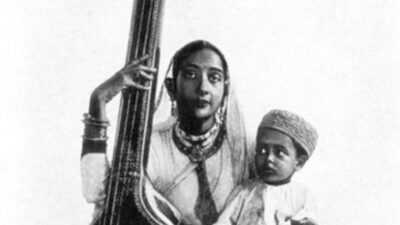
Young Indian women from respectable families increasingly sought to study classical music — not as preparation for becoming tawaif, but as education in Indian cultural traditions. This shift was partly enabled by the presence of recording artists like Gauhar Jaan, who demonstrated that women musicians could achieve respectability and success. The gramophone record, paradoxically, helped to legitimize women's participation in a musical tradition that had been historically gendered as disreputable.
स्थायी विरासत
A Lasting Legacy1905 के स्वदेशी क्षण ने भारतीय संगीत समझने के तरीके पर एक अमिट छाप छोड़ी। रिकॉर्डिंग उद्योग, जो एक पश्चिमी वाणिज्यिक उद्यम के रूप में शुरू हुआ, राष्ट्रवादी राजनीति के साथ उलझा हुआ हो गया। भारतीय संगीत अब केवल मनोरंजन या सांस्कृतिक कौतूहल नहीं थी — यह सभ्यता का साक्ष्य, सांस्कृतिक निम्नता के दावे के खिलाफ सबूत, और एक सांस्कृतिक अधीनता के खिलाफ हथियार था। यह पुनर्रचना बीसवीं सदी के पार लहरें लाई। 1905 में की गई रिकॉर्डिंग — गौहर जान का भैरव, ज़ोहरा बाई की घर अज़ छोड़ो, जंकी बाई की होरी, पीरा साहब की पियु भाय — भारतीय शास्त्रीय संगीत के अध्ययन में विहित ग्रंथ बन गए। उन्हें ऐतिहासिक कलाकृतियों के रूप में नहीं, बल्कि अनुकरणीय प्रदर्शन के रूप में अध्ययन किया गया जो परिभाषित करते हैं कि राग कैसे प्रदान किए जाने चाहिए, परंपराएँ कैसे विकसित होनी चाहिए, और संगीत प्रतिभा कैसे लग सकती है। रिकॉर्डिंग ने मौखिक परंपरा को संग्रहीत ज्ञान में बदल दिया। इसके अलावा, 1905 में स्थापित संगीत अभ्यास और देशभक्ति के बीच संबंध एक स्थायी ढाँचा बन गया। भारतीय शास्त्रीय संगीत का संरक्षण और प्रचार आज भी एक राष्ट्रीय कर्तव्य, एक सांस्कृतिक देशभक्ति के रूप में समझा जाता है। ग्रामोफ़ोन रिकॉर्ड, यांत्रिक ध्वनि का पुनरुत्पादन, संचारण का एक सदिश बन गया — केवल संगीत नहीं, बल्कि राष्ट्रीय पहचान स्वयं।
अंग्रेज़ी में पढ़ें · Read in English
The Swadeshi moment of 1905 left an indelible mark on Indian music. The recording industry, which had begun as a Western commercial venture, became entangled with nationalist politics. Indian music was no longer just entertainment or cultural curiosity — it was evidence of civilization, proof of sophistication, and a weapon against cultural subordination. This reframing had consequences that rippled across the twentieth century.
The recordings made in 1905 — Gauhar Jaan's Bhairav, Zohra Bai's Ghar Aaj Chhodo, Janki Bai's Hori, Peara Saheb's Piyu Bhaay — became canonical texts in the study of Indian classical music. They were studied not just as historical artifacts, but as exemplary performances that defined how raags should be rendered, how traditions should evolve, and how musical genius should sound. The recording had transformed oral tradition into archived knowledge.
Moreover, the connection established in 1905 between patriotism and musical practice created a lasting framework for understanding Indian music. To this day, the preservation and promotion of classical Indian music is understood as a national duty, a form of cultural patriotism. The gramophone record, that mechanical reproduction of sound, became a vector for transmitting not just music, but national identity itself.
परिचय
IdentityEpithet
जैसे-जैसे राजनीतिक स्वतंत्रता आंदोलन गति पकड़ते थे, भारतीय संगीतकारों ने रिकॉर्डिंग तकनीक को सांस्कृतिक दावे और राष्ट्रीय गर्व के उपकरण के रूप में अपनाया
As political independence movements gained momentum, Indian musicians embraced recording technology as a tool for cultural assertion and national pride
कहानी-नमूना
The Story Specimen| शीर्षक | स्वदेशी सुर: कैसे 1905 के बंगाल विभाजन ने संगीतात्मक राष्ट्रवाद को जन्म दिया · Swadeshi Strings: How the 1905 Bengal Partition Sparked a Musical Nationalism |
|---|---|
| श्रेणी | Social History |
| प्रकार | विशेष लेख |
| पाठ-समय | १० मिनट का पाठ |
| प्रकाशित | 31 March 2026 — admin |
| टैग | swadeshi · 1905 · bengal_partition · nationalism · indian_music · cultural_politics · gauhar_jaan · peara_saheb |
और कहानियाँ
More Stories from the Atlas

साझा कीजिए · Share this Plate