किसी तरह से मुहब्बत में चैन पा ना सके
Kisi Tarah Se Mohabbat Mein Chain Paa Na Sakey
गीत विंग · गीत-पट्टिका · Song Plate
Diya Jalakar Aap Bujhaya
उस प्रेमी को उलाहना जिसने दिया जलाकर ख़ुद ही बुझा दिया — उस फ़िल्म में नूर जहाँ का सबसे स्याह एकल गीत जो बाक़ी पूरे समय युद्ध की आवाज़ में बोलती है।
भावमीठा-कड़वा · अविस्मरणीय · उदास
भाषाurdu-hindi गतिधीमी स्वरूपएकल महिला
सूत्र-वाक्य · The Hook
उस प्रेमी को उलाहना जिसने दिया जलाकर ख़ुद ही बुझा दिया — उस फ़िल्म में नूर जहाँ का सबसे स्याह एकल गीत जो बाक़ी पूरे समय युद्ध की आवाज़ में बोलती है।
In EnglishThe reproach of a lover who lit the lamp and then blew it out — Noor Jehan's darkest solo in a film that spends the rest of its running time shouting about war.
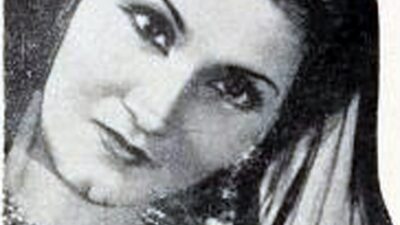
मास्टर विनायक की 'बड़ी माँ' (1945) में नूर जहाँ के चार एकल गीतों में से एक, 'दिया जलाकर आप बुझाया' ज़िया सरहदी ने लिखा — वही सरहदी जो फ़िल्म के पटकथा-लेखक भी थे — और संगीत के. दत्त का है। शीर्षक ही पूरा गीत है: एक दिया, जिसे उसी हाथ ने जलाया और उसी हाथ ने बुझा दिया। हमले, ग़द्दारी और बलिदान पर टिकी एक युद्ध-फ़िल्म में यह वह गीत है जो कहानी के शोर से पूरी तरह निकलकर एक निजी शिकायत में उतर जाता है।
One of four Noor Jehan solos in Master Vinayak's Badi Maa (1945), 'Diya Jalakar Aap Bujhaya' was written by Zia Sarhadi — who also wrote the film's screenplay — and composed by K. Datta. The title carries the whole song: a lamp lit and then extinguished by the same hand. In a war film built around invasion, treachery and sacrifice, this is the number that steps entirely out of the plot's noise and into a private accusation.
के. दत्त हिंदी सिनेमा में मराठी फ़िल्मों से आए थे और सावंतवाड़ी में भजन गाते हुए बड़े हुए थे; 'बड़ी माँ' का उनका संगीत वाद्य-प्रदर्शन से कम और आवाज़ों के बँटवारे से ज़्यादा तय होता है — वयस्क विरह-गीत सब नूर जहाँ के हिस्से आते हैं, और उनमें यह सबसे धीमा और सबसे भीतरी है। 1945 में बंबइया फ़िल्मी गीत एक ही 78-आरपीएम पार्श्व में समाना होता था, गायिका और स्टूडियो वाद्यवृंद एक साथ एक ही टेक में रिकॉर्ड होते थे — यानी ऐसे गीत का पूरा भार गायिका की उस क्षमता पर आ जाता था कि वह धीमी लय को थामे रख सके। नूर जहाँ, अपने भारतीय करियर के शिखर पर, उन गिनी-चुनी आवाज़ों में थीं जो यह बिना किसी दिखते हुए प्रयास के कर सकती थीं।
K. Datta came to Hindi cinema from Marathi films and from a childhood of bhajan singing in Sawantwadi, and his Badi Maa score is organised less around orchestral display than around voice-type: the adult heartbreak numbers all go to Noor Jehan, and this is the slowest and most inward of them. In 1945 a Bombay film song was still cut to a single 78-rpm side, singer and studio orchestra recorded together in one take, which put the entire weight of a number like this on the vocalist's ability to hold a slow line steady. Noor Jehan, at the top of her Indian career, was one of the very few singers who could carry that with no visible effort.
ज़िया सरहदी गीतकार होने से पहले पटकथा-लेखक थे और एक 'बिना पार्टी के मार्क्सवादी' — उनकी शायरी सजावटी बिंब से ज़्यादा सादे, कड़े बिंब की ओर जाती है। यहाँ का बिंब — दिया, जिसे जलाने वाले ने ही बुझा दिया — उर्दू-फ़ारसी परंपरा के सबसे पुराने बिंबों में है, जहाँ दिया या चराग़ उम्मीद का, प्रिय की तवज्जोह का और ख़ुद ज़िंदगी का प्रतीक है। पंक्ति में धार 'आप' से आती है: हवा नहीं, तक़दीर नहीं, कोई दुश्मन नहीं — तुम ख़ुद। शिकायत यह नहीं कि प्रेम ख़त्म हुआ; शिकायत यह है कि जिस हाथ ने रोशनी दी थी उसी ने छीन ली — और इससे एक साधारण दुख जान-बूझकर की गई निष्ठुरता का इल्ज़ाम बन जाता है।
Zia Sarhadi was a screenwriter and an 'unaffiliated Marxist' before he was a film lyricist, and his verse tends towards the plain, hard image rather than the ornamental one. The image here — a lamp lit and then put out by the person who lit it — is one of the oldest in the Urdu-Persian repertoire, where the diya or chirag stands for hope, for the beloved's attention, and for life itself. What makes the line bite is the 'aap': not the wind, not fate, not an enemy, but you yourself. The accusation is not that love ended; it is that the same hand that gave the light took it away, which converts an ordinary sorrow into a charge of deliberate cruelty.
'बड़ी माँ' मास्टर विनायक के अपने बैनर प्रफुल्ल पिक्चर्स की पहली हिंदी फ़िल्म थी, जो द्वितीय विश्वयुद्ध के आख़िरी महीनों के भारतीय गृह-मोर्चे पर रची गई। नूर जहाँ हेमा हैं — साहूकार की बेटी, जिसे नहीं पता कि उसका भाई जापानियों का जासूस है, और जो लंदन के ब्लिट्ज़ से लौटते दिनेश से प्रेम करती है। फ़िल्म के दस में से चार गीत उन्हीं के लिए बने, और ग्रामोफ़ोन ख़रीदने वाली जनता युद्ध के दृश्य नहीं, यही गीत घर ले गई। 'फ़िल्मइंडिया' ने सितंबर 1945 में इसे एक सितारा और 'साल का सबसे सड़ा तमाशा' कहकर ख़ारिज किया; इसके बावजूद यह उस वर्ष की तीसरी सबसे अधिक कमाई करने वाली भारतीय फ़िल्म रही।
Badi Maa was made by Master Vinayak for his own Prafulla Pictures banner, made on the Indian home front in the last months of the Second World War. Noor Jehan plays Hema, the moneylender's daughter who does not know that her brother is spying for the Japanese and who is in love with Dinesh, the man returning from the London Blitz to find his village under attack. Four of the film's ten songs were built for her, and it was these — not the war footage — that the gramophone-buying public took away. Filmindia reviewed the film in September 1945 with a single star and the phrase 'the year's most rotten show'; it nevertheless finished as the third highest-grossing Indian release of the year.
नूर जहाँ 1947 के विभाजन पर भारत छोड़कर पाकिस्तान चली गईं, और 1945 के बाद बंबई में उन्होंने जो कुछ रिकॉर्ड किया वह लगभग दो साल की एक खिड़की में सिमटा है। 'बड़ी माँ' उसी खिड़की के भीतर है — यही वजह है कि इसके चारों एकल गीत उनके भारतीय दौर को खोजने वाले श्रोता बार-बार जमा करते और साझा करते हैं। फ़िल्म का एक दूसरा, अजीबतर दावा भी है: उसी साउंडट्रैक के दूसरे छोर पर पंद्रह बरस की लता मंगेशकर एक भजन गाती हैं। बहुत कम हिंदी फ़िल्में उस आवाज़ को, जिसने विभाजन से पहले फ़िल्मी गीत को परिभाषित किया, और उस आवाज़ को, जिसने बाद में उसे फिर से परिभाषित किया, एक ही महीने एक ही लेबल पर साथ रखती हैं।
Noor Jehan left India for Pakistan at Partition in 1947, and everything she recorded in Bombay after 1945 belongs to a window of about two years. Badi Maa sits inside that window, which is why its four solos are collected and re-posted so persistently by listeners tracing her Indian period. The film has a second, stranger claim on posterity: on the other side of the same soundtrack a fifteen-year-old Lata Mangeshkar sings a bhajan. Very few Hindi films place the voice that defined film song before Partition and the voice that redefined it afterwards in the same film score.
ज़िया सरहदी ने 'बड़ी माँ' की पटकथा और दस में से छह गीत — दोनों लिखे। आगे चलकर उन्होंने 'हम लोग' (1951) और नव-यथार्थवादी 'फ़ुटपाथ' (1953) निर्देशित कीं, और 'मदर इंडिया' (1957) में बिना श्रेय के पटकथा-सलाहकार रहे।
Zia Sarhadi wrote both the screenplay and six of the ten songs of Badi Maa. He went on to direct Hum Log (1951) and the neo-realist Footpath (1953), and worked uncredited as a script consultant on Mother India (1957).
हिंदीगीतमाला पर इस गीत की फ़ाइल का नाम 'diya jalakar aag bujhaya' है, लेकिन उसी पृष्ठ का शीर्षक 'Diya Jalakar Aap Bujhaya — दिया जलाकर आप बुझाया' है, जो विकिपीडिया की सूची से मेल खाता है।
Hindigeetmala lists the song under the file name 'diya jalakar aag bujhaya', but its own page heading reads 'Diya Jalakar Aap Bujhaya — दिया जलाकर आप बुझाया', which matches the Wikipedia listing.
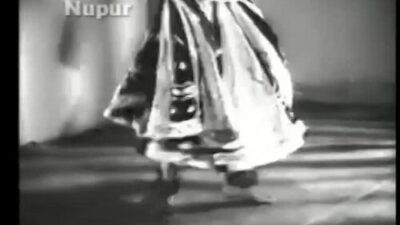
'बड़ी माँ' का पूरा प्रिंट बचा हुआ है और सार्वजनिक डोमेन में है — indiancine.ma पर सुरक्षित और विकिमीडिया कॉमन्स पर उपलब्ध — इसलिए यह गीत आज भी अपने मूल दृश्य में देखा जा सकता है, जो 1945 की अधिकांश हिंदी फ़िल्मों के बारे में सच नहीं है।
A complete print of Badi Maa survives and is in the public domain — preserved on indiancine.ma and mirrored on Wikimedia Commons — so the song can still be watched in its original scene, which is not true of most 1945 Hindi films.
| शीर्षक | दिया जलाकर आप बुझाया · Diya Jalakar Aap Bujhaya |
|---|---|
| फ़िल्म | बड़ी माँ · 1945 |
| वर्ष · युग | 1945 — Pre-Independence (1931-1947) |
| गायक | Noor Jehan |
| गीतकार | Zia Sarhadi |
| संगीतकार | के. दत्त (दत्ता कोरगांवकर) |
| स्वरूप | एकल महिला |
| गति | धीमी |
| भाषा | urdu-hindi |
| भाव | मीठा-कड़वा · अविस्मरणीय · उदास |
| लोकप्रियता | Known |
| बोल-स्थिति | केवल झलक |
अटलस में कोई पन्ना अकेला नहीं — इस गीत से जुड़े गीत, कलाकार, फ़िल्म, राग-ताल-विधा, सब यहाँ से खुलते हैं।
साझा कीजिए · Share this Plate
Kisi Tarah Se Mohabbat Mein Chain Paa Na Sakey