गीत विंग · गीत-पट्टिका · Song Plate
अम्बुवा पे कोयल बोले
Ambuwa Pe Koyal Bole
आम की डाल पर बोलती कोयल और अकेली ख़ुर्शीद — 'मूर्ती' के उन दो गीतों में दूसरा जिसका राग दर्ज करने लायक़ समझा गया।
भावमीठा-कड़वा · उदास · पुरानी यादें
भाषाhindi गतिमध्यम स्वरूपएकल महिला
श्रेय
The Creditsसूत्र-वाक्य · The Hook
सूत्र-वाक्य
आम की डाल पर बोलती कोयल और अकेली ख़ुर्शीद — 'मूर्ती' के उन दो गीतों में दूसरा जिसका राग दर्ज करने लायक़ समझा गया।
In EnglishKhursheed alone with a koel on a mango bough — the second of the two Moorti songs whose raag was thought worth writing down.
पट्टिका-लेख
The Monographपरिचय Overview
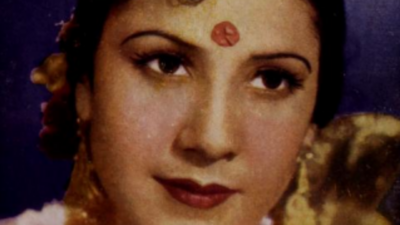
'अम्बुवा पे कोयल बोले' 'मूर्ती' में ख़ुर्शीद का प्रमुख एकल है और 'बदरिया बरस गई उस पार' के साथ फ़िल्म के उन दो ही गीतों में से एक जिसका राग किसी ने दर्ज किया: शरद दत्त इसे सारंग पर आधारित रचना बताते हैं। 1945 में ख़ुर्शीद उन सबसे मूल्यवान नामों में थीं जिन्हें कोई बंबई स्टूडियो अपने पोस्टर पर लगा सकता था — 'तानसेन' (1943) में के.एल. सहगल के साथ गाने के बाद वे राष्ट्रीय हस्ती बन चुकी थीं और उन्हें प्रायः 'पहली गायिका-सितारा' कहा जाता था — और रणजीत ने 'मूर्ती' का संगीत उन्हीं के इर्द-गिर्द बुना, तीन एकल और त्रिक-गीत में एक हिस्सा देकर। यह गीत ऋतु-परंपरा की सबसे पुरानी छवि पर काम करता है: आम के पेड़ से पुकारती कोयल, जो हिंदी और ब्रज काव्य में कभी केवल वसंत की घोषणा नहीं करती — वह उसे हमेशा किसी अकेले व्यक्ति के सामने घोषित करती है।
अंग्रेज़ी में पढ़ें · Read in English
'Ambuwa Pe Koyal Bole' is Khursheed's solo showpiece in Moorti and, with 'Badariya Baras Gayi Us Paar', one of only two songs from the film whose raag was recorded by anyone: Sharad Dutt notes it as a Saranga-based number. Khursheed was in 1945 among the most valuable names a Bombay studio could put on a poster — she had become a national figure after singing opposite K.L. Saigal in Tansen (1943) and was routinely described as the first of the singing stars — and Ranjit built Moorti's music around her, giving her three solos and a share of the trio. The song works the oldest image in the seasonal repertoire, the koel calling from the mango tree, which in Hindi and Braj poetry never simply announces spring but always announces it to someone who is alone.
संगीत The Music
सारंग (उसी सारंग-परिवार का राग जिसका सबसे प्रसिद्ध सदस्य वृंदावनी सारंग है) दिन के मध्य का राग है, जो कुछ संकरे, आग्रही स्वर-वाक्यों पर टिका रहता है और बार-बार अपने ही पास लौट आता है। यही लौटना उसे प्रतीक्षा के गीत के लिए उपयोगी बनाता है: धुन बार-बार उसी बिंदु पर आ जाती है — ठीक वही स्थिति जो शब्द बताते हैं। बुलो सी. रानी, जिनकी रणजीत-रचनाएँ बड़े वाद्य-समूहों के बजाय हारमोनियम, सारंगी और हल्की ताल पर टिकती हैं, ख़ुर्शीद को उनके ऊपरी स्वरों में जगह देते हैं और राग की शास्त्रीय बनावट को फ़िल्मी गीत के ढाँचे में छिपाने के बजाय झलकने देते हैं।
अंग्रेज़ी में पढ़ें · Read in English
Saranga (the Sarang family, of which Brindavani Sarang is the best-known member) is a raag of the middle of the day, built on a narrow, insistent set of phrases that keep circling back on themselves. That circling quality is what makes it useful for a song of waiting: the melody keeps returning to the same place, which is precisely the condition the words describe. Bulo C. Rani, whose Ranjit scores lean on harmonium, sarangi and light percussion rather than large ensembles, gives Khursheed room at the top of her range and lets the classical shape of the raag show through the film-song frame rather than disguising it.
काव्य The Poetry
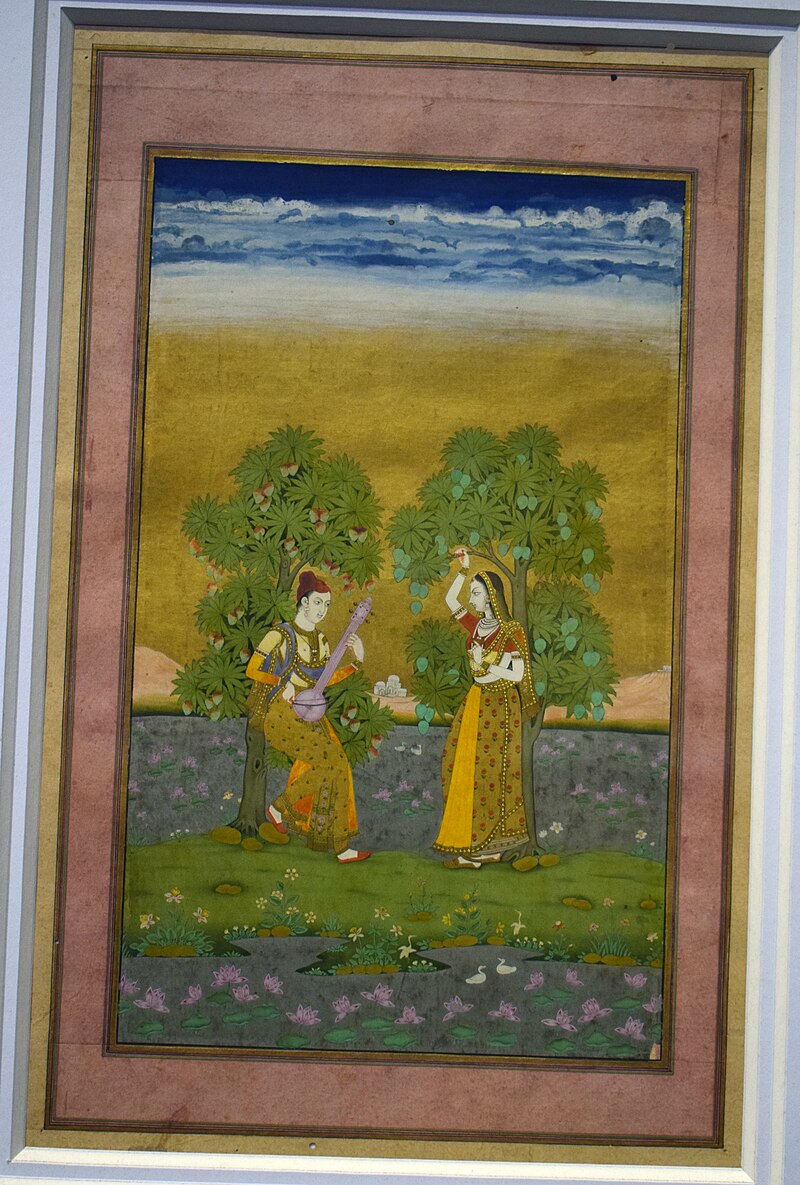
'अम्बुवा' यानी आम, और 'कोयल' वह काली पक्षी जिसकी कूक भारतीय वसंत की ध्वनि है; दोनों मिलकर एक ऐसा युग्म बनाते हैं जो सिनेमा से बहुत पहले से काव्य में निरंतर चला आ रहा है। पंडित इंद्र का योगदान नवीनता नहीं, स्थापन है: कोयल की कूक ऋतु के समय पर आ जाने की ध्वनि है, और वही उस एक चीज़ को उभार देती है जो नहीं आई। रणजीत चूँकि व्यापक दर्शक के लिए सोशल बनाने वाला स्टूडियो था, यहाँ की भाषा सहज, ब्रज-रंगी हिंदी में रहती है — उस फ़ारसी-रंगी उर्दू में नहीं जो इसी गीतकार ने फ़िल्म की मुकेश-ग़ज़लों के लिए बरती। यह याद दिलाता है कि 1940 के दशक के घरेलू गीतकार से एक ही फ़िल्म में कई भाषा-स्तरों पर लिखने की अपेक्षा की जाती थी।
अंग्रेज़ी में पढ़ें · Read in English
Ambuwa is the mango, koyal the black cuckoo whose call is the sound of the Indian spring, and the two of them together form a compound that has been in continuous poetic use since long before cinema. Pandit Indra's contribution is not novelty but placement: the koel's call is the sound of the season arriving on time, which throws into relief the one thing that has not arrived. Because Ranjit was a studio that made socials for a broad audience, the diction here stays in an easy, Braj-inflected Hindi rather than the Persianised Urdu the same lyricist used for the film's Mukesh ghazals — a reminder that a 1940s house lyricist was expected to write in several registers within a single picture.
कहानी The Story
ख़ुर्शीद बानो 1930 के दशक में पंजाब से बंबई आई थीं और अगले दशक के मध्य तक उन चंद स्त्रियों में शामिल थीं — सुरैया, नूरजहाँ, अमीरबाई कर्नाटकी और ज़ोहराबाई अम्बालेवाली के साथ — जो अभिनय भी करती थीं और अपना गायन भी स्वयं करती थीं। 'मूर्ती' उसी व्यवस्था के अंतिम दिनों में बनी: दो-तीन वर्षों में पार्श्वगायन एक अलग पेशा बन जाने वाला था, और 1948 में 'पपीहा रे' के बाद ख़ुर्शीद स्वयं भारत छोड़कर कराची चली गईं और फिर कभी फ़िल्मों में नहीं लौटीं। इसलिए 'मूर्ती' के उनके तीन एकल गायिका-सितारा व्यवस्था के अंतिम चरण के हैं — और उन्हें रिकॉर्ड करने वाले संगीतकार के बारे में शरद दत्त लिखते हैं कि उन्हें ऐसी ही भरी, वज़नदार आवाज़ें प्रिय थीं।
अंग्रेज़ी में पढ़ें · Read in English
Khursheed Bano had come to Bombay from Punjab in the 1930s and by the middle of the next decade was one of a small group of women — with Suraiya, Noor Jehan, Amirbai Karnataki and Zohrabai Ambalewali — who both acted and supplied their own singing. Moorti was made at the end of that arrangement's life: within two or three years the playback singer would be a separate profession, and in 1948 Khursheed herself left India for Karachi after Papeeha Re, never resuming her film career. Her three solos in Moorti therefore belong to the last phase of the singing-star system, recorded by a composer who, Sharad Dutt notes, actively preferred her kind of full, weighted voice.
विरासत The Legacy
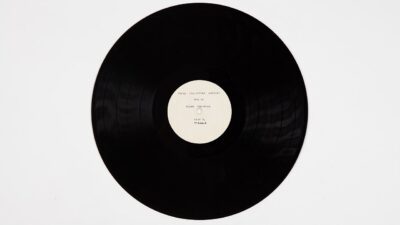
इस गीत का परवर्ती जीवन पतला है, पर वास्तविक है। यह ग्रामोफ़ोन प्रतिलिपि के रूप में बचा है; 'मूर्ती' की ध्वनि-पट्टी को डिजिटल करने वाले विंटेज संग्राहकों की क्रम-संख्या में यह फ़िल्म का पहला रिकॉर्ड है; और इसकी राग-पहचान — सारंग — 'मूर्ती' के संगीत के बारे में उन दो तथ्यों में से एक है जो गीत-सूचियों के बाहर छपे। जिस फ़िल्म का न प्रिंट बचा हो न कथा, उसके किसी गीत के पीछे छोड़ जाने लायक़ लगभग इतना ही होता है।
अंग्रेज़ी में पढ़ें · Read in English
The song's afterlife is thin but real. It survives as a gramophone transfer, it is Song No. 01 in the sequence used by Mirsa's Vintage Music Collection, the channel that uploaded all ten Moorti sides in catalogue order in 2023, and its raag attribution — Saranga — is one of the two facts about Moorti's music that made it into print outside the song catalogues. For a picture with no surviving print and no surviving plot, that is most of what a song can hope to leave behind.
वर्गीकरण
Classification- Tempo
- Medium
Genre
अन्य विवरण
More Details- https://www.hindigeetmala.net/movie/moorti.htm
- https://en.wikipedia.org/wiki/List_of_Hindi_films_of_1945
- https://indiancine.ma/EFB/info
- https://www.millenniumpost.in/sundaypost/beacon/in-the-shadow-of-giants-bulo-c-rani-375482
- https://www.youtube.com/watch?v=d-9SKOLIVCg
- https://www.youtube.com/@MirsasVintageMusicCollection
References
रोचक तथ्य
Margin Notesबुलो सी. रानी पर शरद दत्त के मिलेनियम पोस्ट लेख में इसे सारंग-आधारित रचना बताया गया है — फ़िल्म के किसी भी ख़ुर्शीद-एकल के लिए दर्ज एकमात्र राग-पहचान।
अंग्रेज़ी में पढ़ें · Read in English
Sharad Dutt's Millennium Post profile of Bulo C. Rani identifies this as a Saranga-based number — the only raag attribution recorded for any Khursheed solo in the film.
'मूर्ती' के दस गीतों में से तीन ख़ुर्शीद ने अकेले गाए और चौथे, त्रिक-गीत में भी वे हैं — फ़िल्म के संगीत में किसी एक आवाज़ को मिला सबसे बड़ा हिस्सा।
अंग्रेज़ी में पढ़ें · Read in English
Khursheed sang three of Moorti's ten songs on her own and appears in a fourth, the trio — the largest share of the soundtrack given to any single voice.
'मूर्ती' के तीन वर्ष बाद ख़ुर्शीद 'पपीहा रे' (1948) के बाद भारत छोड़कर कराची चली गईं और फ़िल्मों में नहीं लौटीं — इसलिए 'मूर्ती' के ये एकल उनके भारतीय रिकॉर्डिंग-करियर के अंतिम खंड का हिस्सा हैं।
अंग्रेज़ी में पढ़ें · Read in English
Three years after Moorti, Khursheed left India for Karachi following Papeeha Re (1948) and did not return to films, which makes the Moorti solos part of the last stretch of her Indian recording career.
नमूना-पट्टी
The Specimen Table| शीर्षक | अम्बुवा पे कोयल बोले · Ambuwa Pe Koyal Bole |
|---|---|
| फ़िल्म | मूर्ती · 1945 |
| वर्ष · युग | 1945 — Pre-Independence (1931-1947) |
| गायक | Khursheed |
| गीतकार | Pandit Indra |
| संगीतकार | Bulo C. Rani |
| स्वरूप | एकल महिला |
| गति | मध्यम |
| भाषा | hindi |
| भाव | मीठा-कड़वा · उदास · पुरानी यादें |
| लोकप्रियता | Known |
| बोल-स्थिति | केवल झलक |
जुड़े हुए पन्ने
Connected Plates · The Graph Made Visibleअटलस में कोई पन्ना अकेला नहीं — इस गीत से जुड़े गीत, कलाकार, फ़िल्म, राग-ताल-विधा, सब यहाँ से खुलते हैं।
मिलते-जुलते गीत · Related Songs
कलाकार · The Artists
फ़िल्म · The Film
साझा कीजिए · Share this Plate