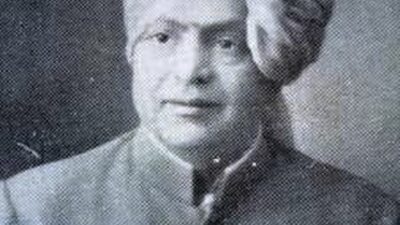
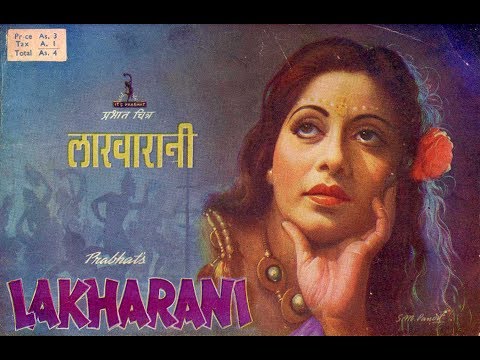
सिनेमा विंग · फ़िल्म-पट्टिका · Film Plate
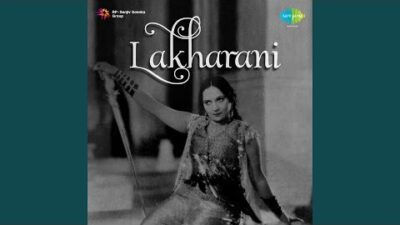
लाखारानी
Lakharani
शैलीSocial · Drama · भक्ति
भाषाhindi प्रकारकथा-चित्र (फ़ीचर)
गीत6 — नीचे पूरी संगीत-सूची
कथा-सार
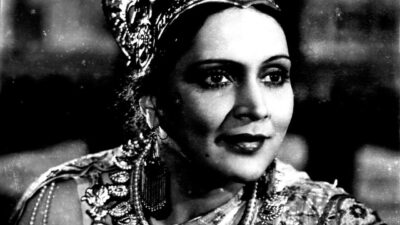
Synopsis'लाखारानी' 1945 में पूना की प्रभात फिल्म कंपनी द्वारा बनाई गई एक कॉस्ट्यूम-सामाजिक फ़िल्म है, जिसकी कहानी और निर्देशन विश्राम बेडेकर का था और जिसका केंद्रीय विषय उस दौर का सुधार-आंदोलन था — सभी जातियों के लिए मंदिर-प्रवेश। बिछवा (दुर्गा खोटे) एक श्रद्धालु वनवासी समुदाय की रानी है, जिसे अछूत मानकर हर मंदिर से दूर रखा जाता है। उसकी बेटी लाखारानी पड़ोस के नास्तिक समुदाय के राजकुमार से विवाह कर लेती है और इसीलिए अपने ही कबीले से बहिष्कृत कर दी जाती है। फिर आर्थिक संकट श्रद्धालु समुदाय की आस्था की परीक्षा लेता है और आस्तिक तथा नास्तिक समूहों के बीच बड़ा संघर्ष खड़ा हो जाता है — अंत में ईश्वर स्वयं पृथ्वी पर प्रकट होकर आस्था और अनास्था का यह झगड़ा सुलझाते हैं, अस्पृश्यता समाप्त होती है और सब मंदिर में प्रवेश कर पूजा कर पाते हैं। निर्देशक से अधिक नाटककार और उपन्यासकार के रूप में प्रसिद्ध बेडेकर ने कहानी स्वयं लिखी और अपने सुधारवादी तर्क को गाँव-शहर के परिचित परिवेश की जगह आदिवासी और वन-जीवन की पृष्ठभूमि में रखा। फ़िल्म व्यावसायिक रूप से असफल रही, इसके प्रिंट बचे नहीं, और आज इसे सबसे अधिक एक ही कारण से याद किया जाता है — यही वह फ़िल्म है जिससे गुरु दत्त ने अभिनय की शुरुआत की।
अंग्रेज़ी में पढ़ें · Read in English
Lakharani is a costume-social made by the Prabhat Film Company of Poona in 1945, written and directed by Vishram Bedekar around the reform campaign of its day — the opening of Hindu temples to all castes. Bichwa (Durga Khote) is the queen of a devout forest community treated as untouchable and barred from entering any temple. Her daughter Lakharani marries the prince of a neighbouring community of unbelievers and is excommunicated by her own tribe. Economic collapse then puts the devout group's faith on trial, and a major conflict erupts between the believers and the atheists, until God materialises on earth, settles the quarrel between belief and unbelief, and the bar on temple entry is abolished so that all may worship. Bedekar, better known as a playwright and novelist than as a director, wrote the story himself and set his argument among tribal and jungle people rather than in the village-and-city milieu Prabhat's audiences were used to. The film failed commercially, its prints did not survive, and it is remembered today above all for one fact: it is the picture in which Guru Dutt made his acting debut.
संगीत-सूची
The Soundtrackफ़िल्म में छह गीत हैं, सभी क़मर जलालाबादी के लिखे और मास्टर कृष्णराव फुलंब्रीकर के संगीतबद्ध किए हुए। 'हिंदी फ़िल्म गीत कोश' इन छहों के रिकॉर्ड नंबर तो देता है, पर किसी एक गीत के गायक का नाम नहीं देता, और बाद के किसी स्रोत ने भी ये आवाज़ें पहचानी नहीं हैं — इसीलिए इस संग्रह में हर गीत की गायक-सूची अनुमान लगाने के बजाय जानबूझकर खाली छोड़ी गई है। गीतों का स्वभाव भक्ति और मंच-शास्त्रीयता का है — मुरली वाले कृष्ण को संबोधित पद, ईश्वर को जगाने की पुकार, मंदिर-यात्रा का शीर्षक-गीत, और एक सावन का प्रेम-गीत — यानी ठीक वही जो हिंदुस्तानी ख़याल और मराठी संगीत नाटक में प्रशिक्षित संगीतकार से अपेक्षित था। दशकों तक ये रिकॉर्डिंग कहीं उपलब्ध ही नहीं थीं; हाल के वर्षों में ही कुछ गीत निजी संग्रहकर्ताओं और सारेगामा के अपने कैटलॉग से सामने आए हैं।
अंग्रेज़ी में पढ़ें · Read in English
The film has six songs, all written by Qamar Jalalabadi and composed by Master Krishnarao Phulambrikar. Hindi Film Geet Kosh lists the six record numbers but names no singer for a single one of them, and no later source has identified the voices, so every singer credit in this catalogue is deliberately left empty rather than guessed at. The set is devotional and stage-classical in temper — Krishna songs addressed to the flute-player, an invocation calling on God to awaken, a temple-procession theme song, and one monsoon love song — which is exactly what one would expect from a composer whose training was in Hindustani khayal and Marathi Sangeet Natak. For decades none of these recordings circulated at all; only in recent years have a few of them surfaced, from private collectors and from Saregama's own catalogue uploads.
- हृदय में मूर्ति जिसकी है Hriday Mein Moorti Jiski Hai
- घटा सावन की घिर कर आई रे Ghata Sawan Ki Ghir Kar Aayi Re
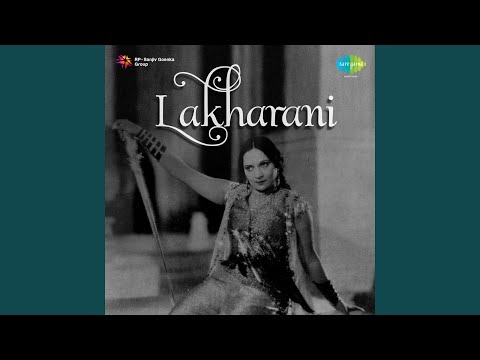
- अब मोती गिराने लगीं सावन की घटाएँ Ab Moti Girane Lagi Sawan Ki Ghatayen
- जाग उठो भगवान Jaag Utho Bhagwan
- मुरली वाले तुम जवाब दो Murali Wale Tum Jawab Do
- श्याम बजाए तोरे घर में मुरलिया Shyam Bajaye Tore Ghar Mein Muraliya
पट्टिका-लेख
The Monographपर्दे के पीछे Behind the Scenes
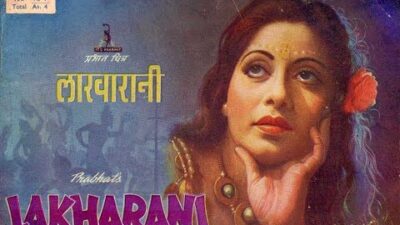
गुरु दत्त अल्मोड़ा में उदय शंकर की नृत्य-अकादमी से प्रभात आए थे और उन्हें नृत्य-निर्देशक के रूप में रखा गया था, पर अपनी पहली फ़िल्म में वे अभिनेता और विश्राम बेडेकर के सहायक निर्देशक के रूप में काम आए; वे नायिका के भाई लछमन की भूमिका में हैं। जिस राम सिंह की फ़िल्म में बड़ी भूमिका है, वे 1942 के भारत छोड़ो आंदोलन के दौरान इलाहाबाद में हुई गोलीबारी के बाद पूना पहुँचे थे — उनका परिवार उन्हें दंगे में मारा गया मान चुका था, जब तक गाँव वालों ने उन्हें सिनेमा के पर्दे पर पहचान नहीं लिया। बेडेकर स्वयं इससे पहले दो बार लेखक के रूप में प्रभात के लिए काम कर चुके थे — शांताराम की 'शेजारी'/'पड़ोसी' (1941) और 'रामशास्त्री' (1944) — इसके बाद उन्हें अपनी ही कहानी पर 'लाखारानी' निर्देशित करने को मिली। फ़िल्म का नाम तक विवादित है: 'एनसाइक्लोपीडिया ऑफ़ इंडियन सिनेमा' इसे 'लखरानी' छापता है, जबकि 'हिंदी फ़िल्म गीत कोश' और फ़िल्म की अपनी प्रचार-पुस्तिका — जिसे गीत कोश के संपादक हरमंदिर सिंह 'हमराज़' ने जाँचा — 'लाखारानी' देते हैं।
अंग्रेज़ी में पढ़ें · Read in English
Guru Dutt had come to Prabhat from Uday Shankar's dance academy in Almora and was taken on as a choreographer, but on his first film he was used as an actor and as assistant director to Vishram Bedekar; he plays Lachman, the heroine's brother. Ram Singh, who has a major role, had reached Poona after fleeing the 1942 Quit India firing in Allahabad — his family believed he had been killed in the riot until villagers recognised him on a cinema screen. Bedekar himself had already served Prabhat twice as a writer, on Shantaram's Shejari / Padosi (1941) and on Ramshastri (1944), before being given Lakharani to direct from his own story. Even the film's name is contested: the Encyclopedia of Indian Cinema prints it as 'Lakhrani', while Hindi Film Geet Kosh and the film's own publicity booklet — checked by the Geet Kosh editor Harmandir Singh 'Hamraz' — give 'Lakharani'.
महत्व Significance
'लाखारानी' भारतीय सिनेमा के दो मोड़ों पर एक साथ खड़ी है। यह उन आख़िरी फ़िल्मों में से एक है जिनमें प्रभात — वह स्टूडियो जिसने 'संत तुकाराम', 'दुनिया न माने' और 'आदमी' बनाई थी — पर्दे पर अब भी कोई सामाजिक सुधार का मुद्दा उठा रहा था, यहाँ मंदिर-प्रवेश का प्रश्न, जबकि वी. शांताराम के जाने और सह-संस्थापक विष्णुपंत दामले के निधन ने कंपनी को उसके रचनात्मक केंद्र से वंचित कर दिया था। और यही गुरु दत्त का प्रवेश-द्वार है, जो अल्मोड़ा में उदय शंकर की अकादमी से प्रशिक्षित नृत्य-निर्देशक के रूप में प्रभात आए थे और यहाँ 'बाज़ी' से छह वर्ष पहले अभिनेता तथा सहायक निर्देशक के रूप में दिखते हैं। यह फ़िल्म एक ऐसी संगीत-दृष्टि का दस्तावेज़ भी है जो अपने श्रोता खो रही थी — मास्टर कृष्णराव की संगीत-नाटक से निकली शास्त्रीयता, जिसके ठीक सामने उन्हीं महीनों में 'रत्तन' शैली का लोक-रंगी संगीत हिंदी सिनेमा पर छा रहा था।
अंग्रेज़ी में पढ़ें · Read in English
Lakharani sits at two hinges of Indian film history at once. It is one of the last films in which Prabhat, the studio that had made Sant Tukaram, Duniya Na Mane and Aadmi, still argued a social-reform case on screen — here the temple-entry question — after V. Shantaram's departure and the death of co-founder Vishnupant Damle had drained the company of its creative core. And it is the entry point of Guru Dutt, who had joined Prabhat as a choreographer trained at Uday Shankar's academy in Almora and who appears here as an actor and assistant director six years before Baazi. The film is also a document of a musical position that was losing its audience: Master Krishnarao's Sangeet-Natak-rooted classicism, set against the folk-inflected Rattan school that was taking over Hindi film music in exactly these months.
विरासत Legacy
'लाखारानी' असफल रही, इसके प्रिंट खो गए, और लगभग अस्सी वर्षों तक यह फ़िल्म केवल संदर्भ-ग्रंथों के एक अनुच्छेद और गुरु दत्त की फ़िल्म-सूची की एक पंक्ति के रूप में ही बची रही। इसके गीतों की गति भी वही रही: इनका कोई रिकॉर्ड सार्वजनिक रूप से उपलब्ध नहीं था, और छह में से पहला गीत इंटरनेट-युग में 2017 में एक निजी संग्रहकर्ता की अलमारी से ही दोबारा सुनाई दिया। जुलाई 2025 में गुरु दत्त की जन्म-शताब्दी ने इस नाम की ओर नया ध्यान खींचा और एक दूसरा गीत सामने आया; उसके बाद सारेगामा के ज़रिए और गीत भी उपलब्ध हुए। आज इस फ़िल्म का मूल्य नाटक के रूप में कम और साक्ष्य के रूप में अधिक है — प्रभात के अंतिम सुधारवादी दौर का, मास्टर कृष्णराव की अडिग शास्त्रीय शैली का ठीक उस क्षण जब उद्योग उससे आगे निकल रहा था, और इस बात का कि 'प्यासा' का निर्देशक कहाँ से शुरू हुआ था।
अंग्रेज़ी में पढ़ें · Read in English
Lakharani flopped, the prints were lost, and for most of eighty years the film survived only as a paragraph in reference books and a line in Guru Dutt filmographies. Its songs went the same way: no record of them was in public circulation at all, and the first of the six to be heard again in the internet era came out of a private collector's shelf in 2017. The centenary of Guru Dutt's birth in July 2025 brought fresh attention to the title and a second song surfaced; more have since appeared through Saregama. The film is now valued less as a drama than as evidence — of Prabhat's last reformist phase, of Master Krishnarao's uncompromising classical idiom at the moment the industry moved past it, and of where the director of Pyaasa began.
अन्य विवरण
More Details- https://www.hindigeetmala.net/movie/lakharani.htm
- https://atulsongaday.me/2017/12/08/ik-gori-ki-aankhon-se-mujhe-pyaar-hua-hai/
- https://atulsongaday.me/2025/07/09/hriday-mein-moorti-jiskee-hai/
- https://atulsongaday.me/2026/03/06/aayee-re-aayee-re-aayee-re-ghata-saawan-kee-ghir-kar-aayee-re/
- https://en.wikipedia.org/wiki/List_of_Hindi_films_of_1945
- https://en.wikipedia.org/wiki/Krishnarao_Phulambrikar
- https://en.wikipedia.org/wiki/Prabhat_Film_Company
- https://indiancine.ma/EET/info
References
नमूना-पट्टी
The Specimen Table| शीर्षक | लाखारानी · Lakharani |
|---|---|
| वर्ष · युग | 1945 — Pre Independence |
| निर्देशक | विश्राम बेडेकर · Vishram Bedekar |
| संगीत-निर्देशक | मास्टर कृष्णराव · Master Krishnarao |
| गीतकार | क़मर जलालाबादी · Qamar Jalalabadi |
| कलाकार-मंडली | दुर्गा खोटे · Durga Khote · मोनिका देसाई · Monica Desai · गुरु दत्त · Guru Dutt · अज़ूरी · Azurie · सप्रू · Sapru · राम सिंह · Ram Singh · उर्मिला · Urmila · गौरी · Gauri |
| निर्माण-गृह | Prabhat Film Company, Poona |
| शैली | Social · Drama · भक्ति |
| भाषा | hindi |
| प्रकार | कथा-चित्र (फ़ीचर) |
| गीत | 6 गीत — ऊपर पूरी संगीत-सूची |
जुड़े हुए पन्ने
Connected Plates · The Graph Made Visibleअटलस में कोई पन्ना अकेला नहीं — 'लाखारानी' से उसके गीत, कलाकार, राग और युग, सब जुड़े हैं।
इस फ़िल्म के गीत · Songs of this Film
कलाकार · Cast & Crew
युग · The Era
साझा कीजिए · Share this Plate