कहानियाँ विंग · कहानी · Behind The Scenes · 1952
लता की भैरवी: जब गौरी का दर्द गीत बन गया
Lata's Bhairavi: How Mohe Bhool Gaye Saanvariya Became Gauri's Eternal Lament
मीना कुमारी रोई नहीं — उन्होंने लता की आवाज़ में खुद को सुना। बैजू बावरा के सेट पर एक ऐसा पल जब अभिनेत्री और पार्श्व-गायिका का दर्द एक हो गया।
प्रकाशित3 July 2026 पाठ६ मिनट का पाठ
आमुख
बैजू बावरा में लता मंगेशकर का 'मोहे भूल गए साँवरिया' वह गीत है जिसमें श्रृंगार और भक्ति की सीमा मिट जाती है। 'साँवरिया' एक शब्द में दो अर्थ समेटता है — प्रेमी और कृष्ण। यह गीत कैसे बना? नौशाद ने भैरवी क्यों चुनी? और मीना कुमारी ने इस गीत के साथ क्या किया?
अंग्रेज़ी में पढ़ें · Read in English
In Baiju Bawra, Lata Mangeshkar's 'Mohe Bhool Gaye Saanvariya' is the song where the boundary between shringar (romantic love) and bhakti (devotion) dissolves. 'Saanvariya' contains two meanings in one word — earthly beloved and Krishna. How was this song created? Why did Naushad choose Bhairavi? And what did Meena Kumari do with it?
एक शब्द में दो दुनियाएँ: साँवरिया
शकील बदायूँनी जब 'मोहे भूल गए साँवरिया' के बोल लिख रहे थे, तो उनके पास एक ऐसे शब्द की तलाश थी जो गौरी के दोहरे दर्द को व्यक्त कर सके। गौरी एक ऐसी स्त्री है जिसे एक साथ दो तरह से भुलाया गया है: उसके लौकिक प्रेमी बैजू ने उसे छोड़ दिया है, और उसके ईश्वर श्रीकृष्ण भी उसकी पुकार नहीं सुन रहे। ब्रज काव्य की परंपरा में 'साँवरिया' — साँवले रंग वाले — एक साथ दोनों का नाम है। शकील ने 'साँवरिया' चुनकर एक ऐसा बोल लिखा जिसमें श्रृंगार और भक्ति की सीमा मिट जाती है।
अंग्रेज़ी में पढ़ें · Read in English
When Shakeel Badayuni was writing the lyrics of 'Mohe Bhool Gaye Saanvariya', he was searching for a word that could express Gauri's double pain. Gauri has been forgotten in two ways simultaneously: her earthly beloved Baiju has left her, and her divine lord Krishna is not hearing her call. In the Braj poetry tradition, 'Saanvariya' — the dark-complexioned one — names both at once. Mirabai called Krishna by this name. Love songs in north Indian villages use the same word. By choosing 'Saanvariya', Shakeel wrote a lyric where the boundary between shringar (romantic love) and bhakti (devotion) dissolves — the one who weeps is both beloved and devotee.
नौशाद की भैरवी: अंत का राग
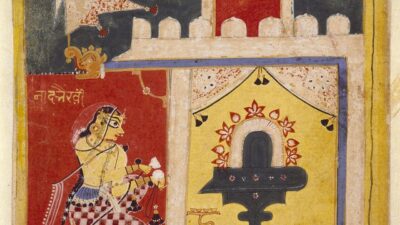
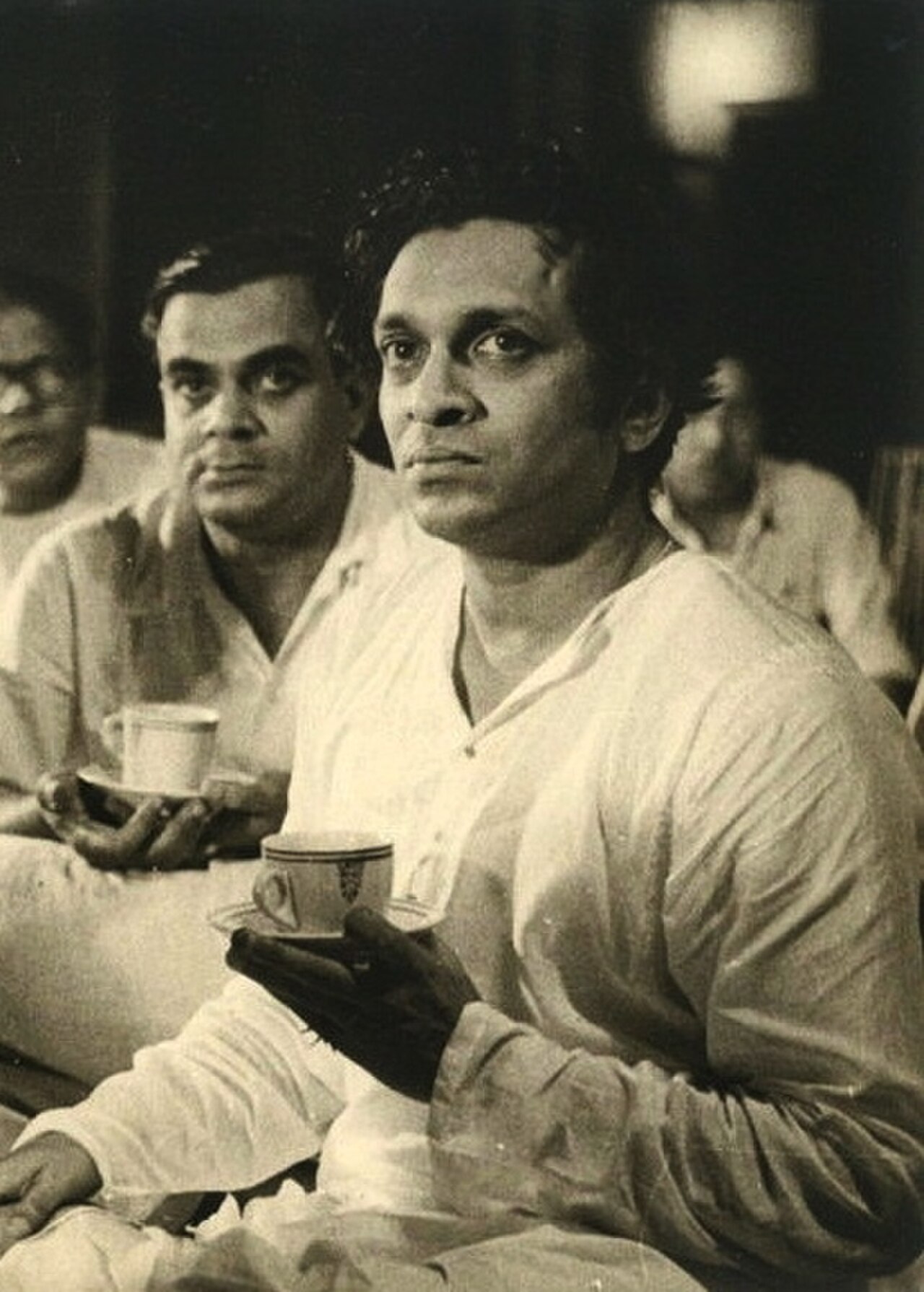
नौशाद के पास बैजू बावरा के हर गीत के लिए एक विशिष्ट राग था। 'मोहे भूल गए साँवरिया' के लिए उन्होंने भैरवी चुनी — हिंदुस्तानी संगीत का 'विदाई का राग।' परंपरागत रूप से भैरवी सभा के सबसे अंत में गाई जाती है, जब सबको पता होता है कि अब बिदाई है। गौरी की जो स्थिति है वह एक स्थायी विदाई है। नौशाद ने इसे कहरवा ताल में रखा — आठ मात्राओं की धीमी लय जो दर्द को झूले की तरह बहने देती है।
अंग्रेज़ी में पढ़ें · Read in English
Naushad had a specific raag for every song in Baiju Bawra. For 'Mohe Bhool Gaye Saanvariya' he chose Bhairavi — Hindustani music's 'farewell raag.' Traditionally, Bhairavi is sung at the very end of a classical concert, when everyone knows the parting is at hand. Gauri's situation is a permanent farewell. Naushad set it in Kaherwa taal — whose slow 8-beat cycle gives the song a gentle rocking quality, as if allowing grief to flow rather than forcing it to break.
मीना कुमारी और लता — दो आत्माएँ, एक दर्द
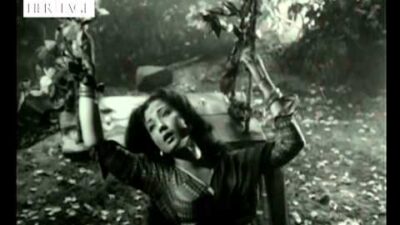
सेट पर चित्रीकरण के दौरान, जब लता जी की आवाज़ में गीत बजाया गया, तो कहा जाता है कि मीना कुमारी ने कहा: 'यह लता जी नहीं गा रही हैं — यह मैं गा रही हूँ।' उनका चेहरा — जो फ़िल्म में टूटी हुई उम्मीद की तस्वीर था — और लता जी की आवाज़ इस तरह मिले कि आलोचकों ने इस दृश्य को एकल कलाकृति कहा।
अंग्रेज़ी में पढ़ें · Read in English
During the picturization on set, when the song played back in Lata's voice, Meena Kumari is said to have told her director: 'It is not Lata ji singing — it is me.' This was not hyperbole. Her expression — a study in crushed hope — and Lata's voice merged so completely that critics called the scene a single artwork. This rare union of playback and performance is what gives 'Mohe Bhool Gaye Saanvariya' the same emotional force seven decades later.
परिचय
IdentityEpithet
मीना कुमारी रोई नहीं — उन्होंने लता की आवाज़ में खुद को सुना। बैजू बावरा के सेट पर एक ऐसा पल जब अभिनेत्री और पार्श्व-गायिका का दर्द एक हो गया।
Meena Kumari did not weep — she heard herself in Lata's voice. On the set of Baiju Bawra, actress and playback singer merged into one grief.
अन्य विवरण
More Details- जब लता ने भैरवी गाई, उन्होंने दर्द नहीं निभाया — वे दर्द बन गईं।
- This is not Lata singing — this is me.
- लता मंगेशकर
- मीना कुमारी
- नौशाद
- शकील बदायूँनी
- 1951-52 — Naushad selects Bhairavi for Gauri's main lament song in Baiju Bawra, making the raag choice a deliberate narrative decision — नौशाद बैजू बावरा में गौरी के मुख्य विलाप-गीत के लिए भैरवी का चुनाव करते हैं
- Early 1952 — Recording session: Lata sings Mohe Bhool Gaye Saanvariya over multiple takes, Naushad insisting on full emotional surrender — रिकॉर्डिंग सत्र: लता कई बार गाती हैं, नौशाद पूर्ण भावनात्मक समर्पण पर जोर देते हैं
- 1952 — Picturization with Meena Kumari; her silent expression is later cited as one of her finest performances — मीना कुमारी के साथ चित्रीकरण; उनका मौन भाव उनके श्रेष्ठ अभिनय में गिना जाता है
- 1952 onwards — The song escapes the film and enters the devotional music repertoire; played at temples and religious gatherings — गीत फ़िल्म से निकलकर भक्ति-संगीत की दुनिया में जगह बनाता है
- Naushad: The Last of the Mohicans — Raju Bharatan (2004)
- Lata Mangeshkar: A Biography — Yatindra Mishra (2009)
- Meena Kumari: The Classic Biography — Vinod Mehta (1972)
- Wikipedia: Baiju Bawra (1952 film)
Pull Quotes
Key Figures
Timeline Within Story
References
कहानी-नमूना
The Story Specimen| शीर्षक | लता की भैरवी: जब गौरी का दर्द गीत बन गया · Lata's Bhairavi: How Mohe Bhool Gaye Saanvariya Became Gauri's Eternal Lament |
|---|---|
| श्रेणी | Behind The Scenes |
| प्रकार | विशेष लेख |
| पाठ-समय | ६ मिनट का पाठ |
| प्रकाशित | 3 July 2026 — admin |
| वर्ष | 1952 |
| टैग | Lata Mangeshkar · Meena Kumari · Baiju Bawra · Naushad · Bhairavi · classical film music |
इस कहानी में
In This Story · The Cast & Its Platesकहानी में आए नामों के अटलस में अपने पन्ने हैं — यहीं से यात्रा जारी रखिए।
कलाकार-सूत्र · Artists
राग-सूत्र · Raags
और कहानियाँ
More Stories from the Atlas
साझा कीजिए · Share this Plate
यह पन्ना आगे बढ़ाइए
सवाल-जवाब
Questions & Answersइस गीत में 'साँवरिया' शब्द क्यों महत्त्वपूर्ण है? · Why is the word 'Saanvariya' significant in this song?
ब्रज काव्य में 'साँवरिया' (साँवले रंग वाले) एक साथ श्रीकृष्ण का विशेषण और किसी भी साँवले प्रिय के लिए प्रेम-संबोधन है। इस शब्द को चुनकर शकील बदायूँनी ने गौरी के विलाप को दो स्तरों पर काम करने दिया: एक परित्यक्त प्रेमिका की पुकार और एक उदासीन ईश्वर से भक्त की शिकायत — श्रृंगार और भक्ति एक वाक्यांश में।
In Braj poetry, 'Saanvariya' (the dark-complexioned one) is simultaneously an epithet for Lord Krishna and a term of endearment for any dark-complexioned lover. By using this word, Shakeel Badayuni allowed Gauri's lament to work on two levels: as the cry of a woman abandoned by her earthly lover AND as a devotee's complaint to an indifferent God — shringar and bhakti fused in one phrase.