गीत विंग · गीत-पट्टिका · Song Plate
सुनो गजर क्या गाए
Suno Gajar Kya Gaaye
जिस शहर में फ़िक्र के मारे नींद नहीं आती, वहाँ रात के पहरेदार की पुकार ही सबसे सच्ची आवाज़ है — यह वही गीत है।
भावअविस्मरणीय · उदास · रहस्यमय · दार्शनिक
भाषाUrdu · Hindi गतिधीमी स्वरूपएकल महिला
श्रेय
The Creditsबोल · The Lyrics
बोल — झलक · Lyrics Preview
रात के राही जागते हैं
Raat ke raahi jaagte hain
कॉपीराइट के कारण केवल झलक — पूरे बोल आधिकारिक मंचों पर।
शब्दकोश
Word Meaningsसूत्र-वाक्य · The Hook
सूत्र-वाक्य
जिस शहर में फ़िक्र के मारे नींद नहीं आती, वहाँ रात के पहरेदार की पुकार ही सबसे सच्ची आवाज़ है — यह वही गीत है।
In EnglishIn a city that never sleeps from worry, the night-watchman's call becomes the most honest sound of all — this is that song.
पट्टिका-लेख
The Monographपरिचय Overview
'सुनो गजर क्या गाए' — गुरु दत्त की पहली निर्देशित फ़िल्म 'बाज़ी' (1951) का यह गीत नॉयर वायुमंडल को संगीत में उतारने का एक दुर्लभ उदाहरण है। गीता दत्त की आवाज़ में, गीता बाली पर फ़िल्माया गया, सचिन देव बर्मन की धुन और साहिर लुधियानवी के बोलों में, यह गीत रात के प्रहरी (गजर) की एकाकी पुकार को शहरी उदासी के रूपक में बदल देता है। मात्र छब्बीस वर्ष के गुरु दत्त ने 'बाज़ी' में वह काइरोस्कूरो (प्रकाश-छाया) संवेदनशीलता पहले ही प्रदर्शित की जो 'प्यासा' और 'काग़ज़ के फूल' को परिभाषित करेगी — और यह गीत उस संवेदनशीलता को ध्वनि में जीवंत करता है। गीता दत्त की आवाज़ भैरवी-समतुल्य अंतरालों में एक अँधेरी गली में झूलती लालटेन की तरह विचरती है। इसी साउंडट्रैक की मशहूर 'तक़दीर से बिगड़ी' की छोटी बहन कहे जाने वाले इस गीत में कलात्मक गहराई उससे कहीं अधिक है।
अंग्रेज़ी में पढ़ें · Read in English
'Suno Gajar Kya Gaaye' from Guru Dutt's directorial debut Baazi (1951) is a masterpiece of film-noir atmosphere rendered in song. Sung by Geeta Dutt in playback for Geeta Bali, composed by S.D. Burman, and written by Sahir Ludhianvi, the song uses the image of the night-watchman's lonely call (the 'gajar') as a prism for urban melancholy. Guru Dutt, who was 26 when he directed Baazi for Navketan, already showed the chiaroscuro visual sensibility that would define Pyaasa and Kaagaz Ke Phool; and this song captures that sensibility in sound — Geeta Dutt's voice moving through Bhairavi-adjacent intervals like a lantern swinging in a dark alley. HMV's 78 rpm disc was released in 1951. It is the less-celebrated sibling of the same soundtrack's famous 'Taqdeer Se Bigdi' but is, in many ways, the deeper artistic achievement.
संगीत The Music
'सुनो गजर' के लिए S.D. बर्मन की रचना जानबूझकर धीमी, ध्यानपूर्ण गति में है — किसी नाटकीय दृश्य के साथ फ़िल्माए जाने वाले फ़िल्मी गीत के लिए असाधारण। धुन राग भैरवी की बनावट पर टिकी है — उषा-शोक, समापन और विरह का राग। भैरवी में कोमल द्वितीय, षष्ठ और सप्तम स्वरों में एक गहरी मधुरता है जो उदासी से गुँथी हुई है। बर्मन-दा ने इन अंतरालों का संयमपूर्ण उपयोग किया, मौन को ध्वनि जितना महत्त्व दिया। तीनताल की धीमी थाप स्वर को थामती है। गीता दत्त की आवाज़ — लता से गहरी और अधिक अनुरणित — इस रजिस्टर के लिए एकदम उपयुक्त थी। एक लंबे स्वर-विस्तार को वे जिस भावात्मक भार के साथ थामती थीं, वह प्रदर्शन नहीं, स्वभाव लगता था।
अंग्रेज़ी में पढ़ें · Read in English
S.D. Burman's composition for 'Suno Gajar' is notable for its deliberately slow, meditative pace — unusual for a film song intended to be picturised as part of a dramatic scene. The melodic structure draws on raag Bhairavi, the raag of dawn-sorrow, of endings, and of longing. Bhairavi is classically associated with the komal (flat) second, sixth, and seventh — intervals that create a quality of profound sweetness tinged with sadness. In this song, Burman uses these intervals with spare restraint, letting silence work as much as sound. The tabla maintains a slow Teentaal pulse. Geeta Dutt's voice, darker and more resonant than Lata's, was perfectly suited to this register — she could sustain a long phrase with an emotional weight that felt entirely natural rather than performed.
काव्य The Poetry
साहिर लुधियानवी का 'सुनो गजर' सबसे सांकेतिक बोलों में से एक है — वे कहते कम हैं, सुझाते ज़्यादा हैं। 'गजर', रात का प्रहरी, यहाँ आवाज़ के रूप में है, व्यक्ति के रूप में नहीं — हम पुकार सुनते हैं पर पुकारने वाले को देखते नहीं। रात का 'राही' अनाम है — वह कोई भी हो सकता है: जुआरी, आशिक़, स्वप्नद्रष्टा, निराश। यह जानबूझकर की गई अस्पष्टता साहिर की सबसे सिनेमाई क्षमता है — उन्हें पता था कि फ़िल्मी गीत की काव्य-भाषा परतों में काम करती है। उर्दू का 'गजर' शब्द स्वयं एक उपहार है — बिल्कुल अनुवाद न हो सका, क्योंकि इसमें एक साथ समाहित है: प्रहरी की लोहे की कड़ी की खड़खड़ाहट, उसे बजाने वाला इंसान, और वह विशेष रात का वक़्त — भोर से पहले के वे घंटे जब शहर सबसे अकेला होता है।
अंग्रेज़ी में पढ़ें · Read in English
Sahir Ludhianvi's lyric for 'Suno Gajar' is one of his most elliptical — he suggests more than he states. The 'gajar', the night-watchman, is present as sound, not person: we hear the call but never see the caller. The 'raahi' (traveller) of the night is unnamed — could be anyone: the gambler, the lover, the dreamer, the despairing. This deliberate ambiguity is Sahir at his most cinematic — he understood that a film song's lyric must work in layers, the first layer audible to a distracted viewer, deeper layers available to anyone who pauses to actually listen. The Urdu word 'gajar' is itself a gift — untranslatable precisely, evoking as it does the sound of the watchman's iron-ring rattle AND the person who makes that sound AND the particular quality of time it marks: the small hours before dawn when the city is most alone.
कहानी The Story
गुरु दत्त मात्र छब्बीस साल के थे जब उन्होंने देव आनंद के नवकेतन बैनर के लिए 'बाज़ी' (1951) का निर्देशन किया — अपनी पहली फ़ीचर फ़िल्म के रूप में एक ऐसी नॉयर थ्रिलर जिसमें स्पष्ट था कि उन्होंने हॉलीवुड की 'बी-नॉयर' फ़िल्मों की दृश्य-व्याकरण को गहराई से आत्मसात किया था। 'सुनो गजर' एक रात के दृश्य में आता है और उसकी शूटिंग उस लो-की प्रकाश व्यवस्था और गहरी छाया में की गई जो बाद में गुरु दत्त की विशेषता बनी। S.D. बर्मन ने इसी रचनात्मक मौसम में 'बाज़ी' के दोनों गीत — यह और 'तक़दीर से बिगड़ी' — रचे। इन दोनों की तुलना उनकी अपार रचनात्मक विस्तार को दर्शाती है: एक में भव्य कैबरे ऊर्जा, दूसरे में शांत ध्यानमग्न सौंदर्य। गीता दत्त, जो 1953 में गुरु दत्त की पत्नी बनीं, पहले से ही उनके सर्वाधिक विश्वसनीय संगीतीय सहयोगियों में थीं।
अंग्रेज़ी में पढ़ें · Read in English
Guru Dutt was 26 years old when he directed Baazi (1951) for Dev Anand's Navketan banner — his first feature as director, a noir thriller that showed he had already absorbed the visual grammar of Hollywood B-noirs and was determined to create a genuinely Indian version. The song 'Suno Gajar Kya Gaaye' appears in a night-time sequence and was filmed with the low-key lighting and deep shadows that would become Guru Dutt's signature. S.D. Burman composed both Baazi songs — this and 'Taqdeer Se Bigdi Hui' — in the same creative season, demonstrating the breadth of his range: the lush cabaret energy of the latter contrasting with the spare contemplative beauty of the former. Geeta Dutt, who would later become Guru Dutt's wife in 1953, was already one of the director's most trusted musical collaborators. Their creative rapport was unmistakable even in this early work.
विरासत The Legacy
'सुनो गजर क्या गाए' को गुरु दत्त के सिनेमाई ब्रह्मांड की ओर खिंची आई पीढ़ियों ने बार-बार खोजा है। उसी साउंडट्रैक की 'तक़दीर से बिगड़ी' की तुलना में कम मशहूर होने के बावजूद, इसे समीक्षकों और फ़िल्मकारों ने अक्सर दोनों बाज़ी-गीतों में अधिक साहसी और अधिक गहरे रूप से थीमैटिक रचना के रूप में उद्धृत किया है। संगीत इतिहासकार राजीव विजयकर ने इसे 'बंबई नॉक्टर्न' — एक गीत-प्रकार — का प्रारंभिक उदाहरण बताया है जो बाद की गुरु दत्त की फ़िल्मों और अन्य स्वर्णिम युग के निर्देशकों के काम में खिलकर आया। इस रिकॉर्डिंग में गीता दत्त की आवाज़ उनकी कला के सर्वोत्तम उदाहरणों में गिनी जाती है।
अंग्रेज़ी में पढ़ें · Read in English
'Suno Gajar Kya Gaaye' has been rediscovered by successive generations of listeners drawn to the Guru Dutt cinematic universe. While less famous than 'Taqdeer Se Bigdi Hui' from the same soundtrack, it is frequently cited by critics and filmmakers as the more cinematically daring and thematically resonant of the two Baazi songs. Music historian Rajiv Vijayakar has identified it as an early instance of the 'Bombay nocturne' — a song-type that would flourish in later Guru Dutt films and in the work of other Golden Era directors. Geeta Dutt's voice in this recording is considered one of the finest examples of her art, and is cited in studies of her vocal legacy.
वर्गीकरण
Classification- Tempo
- Slow
Genre
अन्य विवरण
More Details- Hindi Film Geet Kosh Vol. 4 (1951), compiled by Harmandir Singh 'Hamraaz'
- Wikipedia (English): Baazi (1951 film)
- Wikipedia (English): Guru Dutt
- Wikipedia (English): Geeta Dutt
- Wikipedia (English): S. D. Burman
- Wikipedia (English): Sahir Ludhianvi
- Rajiv Vijayakar, archival writings on the Navketan sound
- Saregama digital catalogue for Baazi (1951)
References
रोचक तथ्य
Margin Notesगुरु दत्त जब बाज़ी (1951) — अपनी पहली फ़ीचर फ़िल्म — का निर्देशन कर रहे थे, तब उनकी आयु मात्र 26 वर्ष थी। 'सुनो गजर' का रात्रिकालीन वातावरण उसी काइरोस्कोरो (प्रकाश-छाया) दृश्य-संवेदना को पहले ही दर्शाता है, जो आगे चलकर प्यासा (1957) और काग़ज़ के फूल (1959) की पहचान बनी।
अंग्रेज़ी में पढ़ें · Read in English
Guru Dutt was only 26 when he directed Baazi (1951) — his first feature film. The nocturnal atmosphere of 'Suno Gajar' already displays the chiaroscuro visual sensibility that would define Pyaasa (1957) and Kaagaz Ke Phool (1959).
गीता दत्त और गुरु दत्त की मुलाक़ात इसी फ़िल्म के निर्माण के दौरान हुई थी; उन्होंने 1953 में विवाह किया, जिससे बाज़ी उनके पेशेवर और निजी, दोनों इतिहासों में एक मील का पत्थर बन गई।
अंग्रेज़ी में पढ़ें · Read in English
Geeta Dutt and Guru Dutt met during the making of this film; they married in 1953, making Baazi a landmark in both their professional and personal histories.
एस.डी. बर्मन ने एक ही फ़िल्म के लिए भव्य कैबरे गीत 'तक़दीर से बिगड़ी हुई' और सादगीपूर्ण रात्रि-गीत 'सुनो गजर', दोनों रचे — ये उनकी शैलीगत विविधता के सशक्त प्रमाण हैं।
अंग्रेज़ी में पढ़ें · Read in English
S.D. Burman scored both the expansive cabaret 'Taqdeer Se Bigdi Hui' and the spare nocturne 'Suno Gajar' for the same film — they are striking evidence of his stylistic range.
शब्द 'गजर' (रात्रि-प्रहरी की पुकार) स्वतंत्रता-पूर्व और स्वतंत्रता के आरंभिक दौर के भारत की चौकीदारी संस्कृति से जुड़ा है, जब मोहल्लों में रात्रि-प्रहरी नियुक्त होते थे जो गश्त लगाते हुए समय की पुकार लगाते थे। यह प्रथा शहरी भारत से लगभग लुप्त हो चुकी है, जिससे यह गीत एक संगीतमय दस्तावेज़ के साथ-साथ एक ऐतिहासिक दस्तावेज़ भी बन जाता है।
अंग्रेज़ी में पढ़ें · Read in English
The word 'gajar' (night-watchman's call) is specific to the chowkidari culture of pre-independence and early-independence India, when neighbourhoods employed night-watchmen who patrolled calling out the hours. This practice has all but disappeared from urban India, making the song a historical document as well as a musical one.
नवकेतन ने उसी वर्ष बाज़ी (निर्देशक गुरु दत्त) और नौजवान (1951) दोनों फ़िल्में बनाईं, जिनका संगीत एस.डी. बर्मन ने दिया — एक ही संगीतकार द्वारा एक ही बैनर के लिए यह असाधारण दोहरी उपलब्धि थी।
अंग्रेज़ी में पढ़ें · Read in English
Navketan produced both Baazi (directed by Guru Dutt) and Naujawan (1951) in the same year with S.D. Burman composing both — an extraordinary double from one composer for one banner.
नमूना-पट्टी
The Specimen Table| शीर्षक | सुनो गजर क्या गाए · Suno Gajar Kya Gaaye |
|---|---|
| वर्ष · युग | 1951 — Golden Era |
| गायक | Geeta Dutt |
| गीतकार | Sahir Ludhianvi |
| संगीतकार | S.D. Burman |
| स्वरूप | एकल महिला |
| गति | धीमी |
| अवधि | circa 3:15 |
| भाषा | Urdu · Hindi |
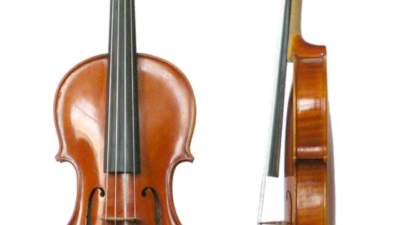
| वाद्य | violin · sarangi · tabla · harmonium |
| भाव | अविस्मरणीय · उदास · रहस्यमय · दार्शनिक |
| लोकप्रियता | Popular |
| बोल-स्थिति | केवल झलक |
जुड़े हुए पन्ने
Connected Plates · The Graph Made Visibleअटलस में कोई पन्ना अकेला नहीं — इस गीत से जुड़े गीत, कलाकार, फ़िल्म, राग-ताल-विधा, सब यहाँ से खुलते हैं।
मिलते-जुलते गीत · Related Songs
कलाकार · The Artists
युग · The Era
साझा कीजिए · Share this Plate
यह पन्ना आगे बढ़ाइए
'सुनो गजर' में गुरु दत्त ने एकांत की वह आवाज़ खोज ली जिसके लिए शब्द बाद में आए।
In 'Suno Gajar', Guru Dutt found the sound of loneliness before he had words for it.
— Attributed to film critic Khalid Mohamed
सवाल-जवाब
Questions & Answersक्या 'बाज़ी' (1951) वाकई गुरु दत्त की पहली निर्देशित फ़िल्म थी? · Was Baazi (1951) really Guru Dutt's first film as director?
हाँ। 'बाज़ी' (1951) गुरु दत्त की पहली निर्देशित फ़िल्म थी, जो देव आनंद के नवकेतन बैनर ने बनाई। गुरु दत्त उस समय 26 साल के थे। फ़िल्म की नॉयर वायुमंडल और दृश्य-शैली उस सौंदर्यशास्त्र की पहली झलक है जो उनकी बाद की श्रेष्ठ कृतियों को परिभाषित करेगी।
Yes. Baazi (1951) was Guru Dutt's directorial debut, produced by Dev Anand's Navketan banner. Guru Dutt was 26 years old. The film's noir atmosphere and visual style already showed the aesthetic that would define his later masterworks.
इस गीत में 'गजर' का क्या अर्थ है? · What does 'gajar' mean in this song?
'गजर' रात के चौकीदार की पुकार को कहते हैं — वह आवाज़ जो रात का प्रहरी मुहल्ले में चक्कर लगाते हुए लोहे की कड़ी बजाकर या ज़ोर से 'जागते रहो' कहकर लगाता था। 20वीं सदी के मध्य तक यह भारतीय शहरी जीवन का एक अंग था और एक विशेष प्रकार की रात्रि-एकांत की याद दिलाता है।
'Gajar' refers to the night-watchman's call — the sound a chowkidar (night guard) made while patrolling the neighbourhood, often by striking an iron ring or calling out the hour. It was a feature of Indian urban life through the mid-20th century and evokes a specific kind of nocturnal solitude.
गीता दत्त की आवाज़ लता मंगेशकर से किस तरह अलग है? · How is Geeta Dutt's voice different from Lata Mangeshkar's?
गीता दत्त की आवाज़ लता की स्फटिकीय चमक की तुलना में आमतौर पर गहरी, उष्ण और हल्की भारी थी। लता की आवाज़ में ऊपरी सुरों की वह निर्मलता थी जो शुद्ध रोमानी और भक्ति-गीतों के लिए आदर्श थी; गीता की आवाज़ में एक जिया-भोगा भाव था — भावात्मक भार, सूक्ष्म स्वर-परिवर्तन — जो उन्हें उदासी, कैबरे और चरित्र-गीतों के लिए अतुलनीय बनाता था।
Geeta Dutt's voice was generally darker, warmer, and more husky than Lata's crystalline brightness. Lata's voice had an upper-register clarity ideal for pure romantic and devotional songs; Geeta's voice carried a lived-in quality — emotional weight, subtle timbre variations — that made her ideal for melancholic, cabaret, and character songs.
क्या गीता दत्त और गुरु दत्त की मुलाकात 'बाज़ी' के दौरान हुई? · Did Geeta Dutt and Guru Dutt meet while making Baazi?
हाँ। गीता दत्त (तब गीता रॉय) और गुरु दत्त की पहली पेशेवर मुलाकात 'बाज़ी' (1951) के निर्माण के दौरान हुई और 1953 में उन्होंने विवाह किया। उनकी रचनात्मक और व्यक्तिगत साझेदारी हिंदी सिनेमा के इतिहास में सबसे महत्त्वपूर्ण साझेदारियों में से एक मानी जाती है।
Yes. Geeta Dutt (then Geeta Roy) and Guru Dutt first crossed paths professionally during the making of Baazi (1951) and married in 1953. Their creative and personal partnership is considered one of the most artistically significant in the history of Hindi cinema.