गीत विंग · गीत-पट्टिका · Song Plate
सैयाँ दिल में आना रे
Saiyyan Dil Mein Aana Re
मधुबाला थिरकीं, लता ने गाया, और उस एक सुनहरे पल में ट्रेजडी किंग के होंठों पर भी मुस्कान आ गई — यह वही गीत है।
भावआनंदित · चुलबुला · रोमांटिक
भाषाHindi · Urdu · Braj गतिMedium-Fast स्वरूपएकल महिला
श्रेय
The Creditsबोल · The Lyrics
बोल — झलक · Lyrics Preview
मन की मुरली बजाना रे
Man ki murli bajana re
कॉपीराइट के कारण केवल झलक — पूरे बोल आधिकारिक मंचों पर।
शब्दकोश
Word Meaningsसूत्र-वाक्य · The Hook
सूत्र-वाक्य
मधुबाला थिरकीं, लता ने गाया, और उस एक सुनहरे पल में ट्रेजडी किंग के होंठों पर भी मुस्कान आ गई — यह वही गीत है।
In EnglishMadhubala danced, Lata sang, and for a brief golden moment even the Tragedy King smiled — this is that song.
पट्टिका-लेख
The Monographपरिचय Overview
'सैयाँ दिल में आना रे' — फ़िल्म 'तराना' (1951) का यह गीत दिलीप कुमार के हिंदी सिनेमा में दुर्लभ हल्के-फुल्के अवतार को दर्शाता है, और मधुबाला को उनके सबसे आनंदमय और नृत्यपूर्ण दृश्यों में से एक में पर्दे पर जीवंत करता है — लता मंगेशकर की बेजोड़ आवाज़ के सहारे। संगीतकार अनिल बिस्वास, हिंदी फ़िल्म संगीत के एक संस्थापक-स्तंभ, ने इस गीत में बंगाली शास्त्रीय संगीत की सुदृढ़ता और लोकधुन की ताज़गी को खमाज-समतुल्य स्केल में पिरोया — कहरवा ताल की उत्सवी थिरकन के साथ। मजरूह सुल्तानपुरी के बोलों में मुरली का उल्लेख राधा-कृष्ण की भक्ति-परंपरा की एक सूक्ष्म झलक है, किन्तु गीत की सतह पर भावना एकदम साफ़ है — प्रेम का आमंत्रण। HMV ने इसे 1951 में जारी किया और यह उत्तर भारत के विवाह-समारोहों और सामुदायिक उत्सवों में एक अनिवार्य रचना बन गई।
अंग्रेज़ी में पढ़ें · Read in English
'Saiyyan Dil Mein Aana Re' from Tarana (1951) showcases a rarely seen side of Dilip Kumar — a film where the 'Tragedy King' was cast in a lighter, more romantic register — and gave Madhubala one of her most celebrated and danced-to playback numbers, sung exquisitely by Lata Mangeshkar. Composer Anil Biswas, one of the founding architects of the Hindi film song, brought his distinctive Bengali classical rigour and his love for folk-inflected melody to this number, grounding it in a Khamaj-adjacent scale that blossomed with Keherwa's festive bounce. Majrooh Sultanpuri's lyrics invoke the murli (flute) — a subtle nod to the Krishna-Radha devotional tradition — while keeping the song's surface register delightfully, unambiguously romantic. HMV released it in 1951 and it became a fixture at weddings and community gatherings across North India.
संगीत The Music
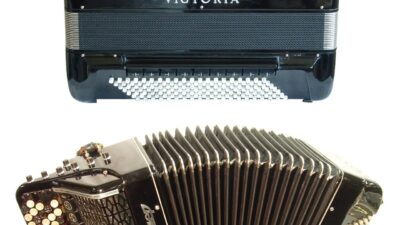
अनिल बिस्वास 1950 के दशक के बंबई में सबसे तकनीकी रूप से प्रशिक्षित संगीतकारों में थे — बंगाल में शास्त्रीय संगीत की तालीम के बाद सिनेमा में आए। 'सैयाँ दिल में आना रे' में उन्होंने राग खमाज के करीबी स्केल का उपयोग किया — वह राग जो शास्त्रीय परंपरा में भक्ति और श्रृंगारिक विरह के लिए, विशेषकर ठुमरी में, प्रसिद्ध है। कहरवा ताल (8 मात्रा) गीत को उसकी लहरदार, उत्सवी गति देती है, और बिस्वास का अकॉर्डियन का प्रयोग उनकी एक विशिष्ट छाप है — जिसे वे स्वयं बजाते और जिसके लिए असामान्य आत्मीयता से लिखते थे। ढोलक लोकोत्सव का आधार बनाती है। लता ने इस गीत को जिस सुगमता से गाया, उसमें वास्तव में ऊपरी सुरों पर असाधारण नियंत्रण छिपा है।
अंग्रेज़ी में पढ़ें · Read in English
Anil Biswas was among the most technically trained composers in 1950s Bombay — a student of classical tradition from his Bengal days before migrating to work in cinema. In 'Saiyyan Dil Mein Aana Re', he employs a scale close to Raag Khamaj — a raag associated in classical tradition with devotional and romantic longing, especially through the thumri form. The Keherwa taal (8 beats) gives the song its characteristic rolling, celebratory feel, and Biswas's arrangement makes inventive use of the accordion — an instrument he was known to play personally and to write for with unusual warmth. The dholak underpins the folk festivity. Lata Mangeshkar navigates the song with apparent ease, but its upper-register phrases require precise pitch control; the brightness and clarity with which she delivers the title line remain a benchmark of playback craft.
काव्य The Poetry
मजरूह सुल्तानपुरी के बोल पहली नज़र में सरल चुलबुला लोकगीत लगते हैं, लेकिन 'मुरली' के प्रतीक में वे भक्ति-काव्य की गहरी परंपरा को छू लेते हैं। हिंदी-उर्दू काव्य में बाँसुरी लगभग हमेशा कृष्ण की पुकार का प्रतीक है, और 'मन की मुरली बजाना' कहने का अर्थ है कि प्रेम की यह पुकार उतनी ही अनिरोध्य है जितनी ईश्वर की। मजरूह इसे व्याख्यायित किए बिना कहते हैं — पढ़ा-लिखा श्रोता प्रेमी और भक्त दोनों को सुनता है, जबकि साधारण श्रोता बस एक आनंदमय गीत में डूब जाता है। यही स्तर-दर-स्तर अर्थ मजरूह की 1950 के दशक की श्रेष्ठ रचनाओं की पहचान है।
अंग्रेज़ी में पढ़ें · Read in English
Majrooh Sultanpuri's lyric for 'Saiyyan Dil Mein Aana Re' is deceptively simple — on the surface a flirtatious folk-song, yet with the 'murli' (flute) imagery it quietly reaches into the bhakti poetic tradition. The flute in Hindi-Urdu poetry almost always invokes Krishna's call, and to say that the 'man ki murli' (the flute of the heart) is being played is to say that love itself is as irresistible as the divine summons. Majrooh domesticates this without explaining it — the educated listener hears both the flirt and the devotee, while the casual listener simply hears a joyful song. This layering is a hallmark of Majrooh's best work in the 1950s.
कहानी The Story
तराना (1951) का निर्देशन राम दरियानी ने किया और दिलीप कुमार की अपनी स्थापित त्रासद छवि से जानबूझकर किनारा करने की कोशिश थी। निर्माताओं ने दाँव लगाया कि दर्शक 'ट्रेजडी किंग' को हल्के-फुल्के, चुलबुले अवतार में स्वीकार करेंगे — और फ़िल्म ने, यद्यपि बड़ी सफलता नहीं पाई, यह सिद्ध किया कि दिलीप कुमार दुख जितनी ही सरलता से मुस्कान भी पहन सकते हैं। मधुबाला, जो उस समय हिंदी सिनेमा की सबसे दीप्तिमान उपस्थितियों में से एक बनती जा रही थीं, इस भूमिका के लिए एकदम अनुकूल थीं। अनिल बिस्वास ने अपनी चिर-परिचित उत्तर भारतीय लोकोत्सव की भावना से संगीत रचा। मजरूह सुल्तानपुरी ने अभिलेखागार में दिए एक साक्षात्कार में बताया था कि 'मन की मुरली' की पंक्ति फ़िल्मिस्तान स्टूडियो में एक देर-रात सत्र के दौरान एक प्रेरणा के क्षण में आई।
अंग्रेज़ी में पढ़ें · Read in English
Tarana (1951) was directed by Ram Daryani and starred Dilip Kumar in a deliberate departure from his established tragic persona. Producers gambled that audiences would accept the 'Tragedy King' in a lighter, more playful avatar — and the film, while not a mega-hit, showed that Dilip could inhabit charm as readily as sorrow. Madhubala, already becoming one of the most luminous presences in Hindi cinema, was the perfect foil — her screen persona effortlessly combined beauty, playfulness, and emotion. Anil Biswas composed the music drawing on the North Indian folk festivity he had always loved; Majrooh Sultanpuri was already a trusted lyricist with whom Biswas had built a productive partnership. According to archival interviews with Majrooh, the 'murli' line came in a single inspired moment during a late-night session at Filmistan Studios.
विरासत The Legacy
'सैयाँ दिल में आना रे' का आफ़्टरलाइफ़ 1951 से कहीं आगे तक फैला है। यह HMV की 78 आरपीएम डिस्क के साथ उत्तर से दक्षिण तक फैल गया और उत्तर भारतीय विवाह-संगीत समारोहों में एक मानक रचना बन गया। पीढ़ियों के संगीतकारों ने इसे क्षेत्रीय लोकसंगीत के संदर्भ में गाया। मधुबाला की इस गीत की परदेदारी उनके सर्वाधिक उद्धृत पर्दे के क्षणों में से एक है। गीत को 'हिंदी फ़िल्म संगीत के स्वर्णिम युग' के अनेक संकलनों में शामिल किया गया है और अनिल बिस्वास के योगदान पर केंद्रित कई पुस्तकों में इसका उल्लेख है। इसकी कृष्ण-मुरली की काव्य-छवि ब्रज-प्रभावित लोकसंस्कृति में फ़िल्म के भुला दिए जाने के बाद भी गूँजती रही।
अंग्रेज़ी में पढ़ें · Read in English
'Saiyyan Dil Mein Aana Re' has enjoyed an enduring afterlife beyond its original 1951 context. It became a standard at North Indian wedding sangeet ceremonies, carried north and south by the HMV 78 rpm disc. Generations of musicians have covered it in regional folk contexts. Madhubala's picturisation of the song remains one of her most cited screen moments. The song is frequently anthologised in 'Golden Age of Hindi Film Music' compilations and has been referenced in multiple books on Anil Biswas's contribution to Hindi cinema. Its Krishna-flute imagery resonated in Braj-influenced folk culture long after the film was forgotten.
वर्गीकरण
Classification- Tempo
- Medium-Fast
Genre
अन्य विवरण
More Details- Hindi Film Geet Kosh Vol. 4 (1951), compiled by Harmandir Singh 'Hamraaz'
- Wikipedia (English): Tarana (1951 film)
- Wikipedia (English): Anil Biswas (composer)
- Wikipedia (English): Majrooh Sultanpuri
- Wikipedia (English): Madhubala
- Sathya Saran, 'Anil Biswas: The Melody Maker' (journalistic profile)
- Saregama digital catalogue for Tarana (1951)
References
रोचक तथ्य
Margin Notesतराना (1951) उन गिनी-चुनी फ़िल्मों में से एक है जिसमें दिलीप कुमार को जानबूझकर एक हल्के-फुल्के रोमांटिक किरदार में लिया गया — निर्माताओं ने यह बदलाव सोच-समझकर उनकी अभिनय-सीमा दिखाने के लिए किया था।
अंग्रेज़ी में पढ़ें · Read in English
Tarana (1951) is one of the few films in which Dilip Kumar was cast in a consciously light-hearted romantic role, a departure producers made deliberately to show his range.
'सैंया दिल में आना रे' पर मधुबाला का नृत्य दृश्य, अभिनेत्री पर लिखी गई कई पुस्तकों में उनके सबसे आनंदमय ऑन-स्क्रीन क्षणों में से एक के रूप में उद्धृत किया जाता है।
अंग्रेज़ी में पढ़ें · Read in English
Madhubala's dance sequence to 'Saiyyan Dil Mein Aana Re' is cited in multiple books on the actress as one of her most joyous on-screen moments.
अनिल बिस्वास उस दौर के फ़िल्म संगीतकारों में असामान्य थे, क्योंकि वे स्वयं रिकॉर्डिंग सत्रों में कई वाद्ययंत्र (अकॉर्डियन और पियानो सहित) बजाने पर ज़ोर देते थे, जिससे उनकी संगीत-रचनाओं में एक विशेष आत्मीयता आ जाती थी।
अंग्रेज़ी में पढ़ें · Read in English
Anil Biswas was unusual among film composers of the era in his insistence on personally playing several instruments (including accordion and piano) in sessions, giving his arrangements a particular intimacy.
गीत लिखने वाले मजरूह सुल्तानपुरी को 1949 में नेहरू की आलोचना करने वाली एक कविता वापस लेने से इनकार करने पर थोड़े समय के लिए जेल हुई थी — तराना के समय तक वे बंबई के सबसे लोकप्रिय गीतकारों में से एक के रूप में स्थापित हो चुके थे।
अंग्रेज़ी में पढ़ें · Read in English
Majrooh Sultanpuri, who wrote the lyrics, had been briefly jailed in 1949 for refusing to retract a verse critical of Nehru — by the time of Tarana he was already established as one of the most sought-after lyricists in Bombay.
इस गीत में प्रयुक्त खमाज राग उत्तर भारतीय शास्त्रीय परंपरा में शुभ माना जाता है — उत्सव से इसका जुड़ाव इसे विवाह-योग्य रचना के लिए एक स्वाभाविक चुनाव बनाता है।
अंग्रेज़ी में पढ़ें · Read in English
The Khamaj scale used in this song is considered auspicious in North Indian classical tradition — its association with festivity makes it a natural choice for a wedding-ready composition.
नमूना-पट्टी
The Specimen Table| शीर्षक | सैयाँ दिल में आना रे · Saiyyan Dil Mein Aana Re |
|---|---|
| वर्ष · युग | 1951 — Golden Era |
| गायक | Lata Mangeshkar |
| गीतकार | Majrooh Sultanpuri |
| संगीतकार | Anil Biswas |
| स्वरूप | एकल महिला |
| गति | Medium-Fast |
| अवधि | circa 3:10 |
| भाषा | Hindi · Urdu · Braj |
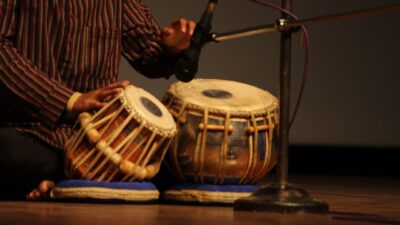
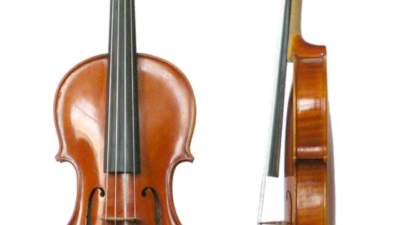
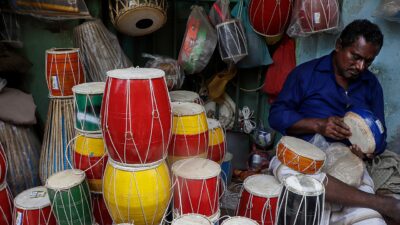
| वाद्य | harmonium · tabla · accordion · violin · dholak |
| भाव | आनंदित · चुलबुला · रोमांटिक |
| लोकप्रियता | Very_popular |
| बोल-स्थिति | केवल झलक |
जुड़े हुए पन्ने
Connected Plates · The Graph Made Visibleअटलस में कोई पन्ना अकेला नहीं — इस गीत से जुड़े गीत, कलाकार, फ़िल्म, राग-ताल-विधा, सब यहाँ से खुलते हैं।
मिलते-जुलते गीत · Related Songs
कलाकार · The Artists
युग · The Era
साझा कीजिए · Share this Plate
यह पन्ना आगे बढ़ाइए
अनिल बिस्वास ने बंबई के रिकॉर्डिंग स्टूडियो को सिखाया कि लोकगीत को किसी पारिवारिक उत्सव की उष्णता जैसा कैसे सुनाया जाए।
Anil Biswas taught Bombay's recording studios how to make folk songs sound like the warmth of a family gathering.
— Attributed to music historian Sathya Saran
सवाल-जवाब
Questions & Answers'सैयाँ दिल में आना रे' किसने गाया और किसके लिए? · Who sang 'Saiyyan Dil Mein Aana Re' and for whom?
लता मंगेशकर ने यह गीत 1951 की फ़िल्म 'तराना' में मधुबाला के लिए पार्श्वगायन में गाया। फ़िल्म में दिलीप कुमार और मधुबाला मुख्य भूमिकाओं में थे, संगीत अनिल बिस्वास का और बोल मजरूह सुल्तानपुरी के थे।
Lata Mangeshkar sang this song as playback for the actress Madhubala in the 1951 film Tarana. The film starred Dilip Kumar and Madhubala, with music by Anil Biswas and lyrics by Majrooh Sultanpuri.
यह गीत भारतीय विवाह-समारोहों में क्यों बजाया जाता है? · Why is this song used at Indian weddings?
खमाज पर आधारित इस धुन में स्वाभाविक उत्सवी ऊर्जा है, प्रियतम को मन में बुलाने का भाव विवाह के माहौल में एकदम सटीक बैठता है, और कहरवा ताल नृत्य के लिए आदर्श है। HMV की 78 आरपीएम डिस्क के व्यापक वितरण ने इसे 1950 के दशक की शुरुआत में ही मानक विवाह-गीत बना दिया।
The song's Khamaj-scale tune has a natural festive energy, its theme of inviting a beloved into one's heart is universally applicable to wedding celebrations, and the rhythmic Keherwa taal makes it ideal for dancing. It became a standard through HMV's wide 78 rpm distribution in the early 1950s.
संगीतकार के रूप में अनिल बिस्वास की क्या विशेषता है? · What is special about Anil Biswas as a composer?
अनिल बिस्वास हिंदी सिनेमा में पर्दे पर नाम पाने वाले पहले संगीतकारों में थे और सबसे अधिक शास्त्रीय रूप से प्रशिक्षित। उन्होंने हिंदी फ़िल्म संगीत में अकॉर्डियन का अग्रणी उपयोग किया, रिकॉर्डिंग सत्रों में स्वयं वाद्य बजाते थे, और उन्होंने कई युवा संगीतकारों को प्रशिक्षित किया जो बाद में स्वर्णिम युग को परिभाषित करने गए।
Anil Biswas was one of the first composers in Hindi cinema to receive screen credit, and among the most classically trained. He pioneered the use of the accordion in Hindi film music, personally played instruments in sessions, and trained several younger composers who went on to define the Golden Era.
इस गीत में 'सैयाँ' का क्या अर्थ है? · What does 'Saiyyan' mean in this song?
'सैयाँ' संस्कृत के 'स्वामी' से आया है और हिंदी-उर्दू की लोकभाषा तथा फ़िल्मी काव्य में इसका अर्थ है 'प्रियतम' या 'पति' — प्रायः एक स्त्री के द्वारा अपने प्रेमी या पति को संबोधित करने का प्रेमपूर्ण शब्द।
'Saiyyan' (also spelled 'saiyaan') derives from the Sanskrit 'swamin' meaning lord or master, and in Hindi-Urdu folk and film poetry it affectionately means 'beloved' or 'sweetheart' — typically used by a woman addressing her lover or husband.