गीत विंग · गीत-पट्टिका · Song Plate
प्यार कर ले
Pyar Kar Le
हिन्दी फ़िल्म गीत में दी गई सबसे समझदार सलाह: सोचना छोड़ो, और प्यार करो।
भावमीठा-कड़वा · तीव्र · रोमांटिक
भाषाHindi · Urdu गतिमध्यम स्वरूपएकल महिला
श्रेय
The Creditsबोल · The Lyrics
बोल — झलक · Lyrics Preview
मेरे दिलबर, प्यार कर ले
ज़िन्दगी है, ज़िन्दगी है
ज़िन्दगी का प्यार कर ले
Mere Dilbar, Pyar Kar Le
Zindagi Hai, Zindagi Hai
Zindagi Ka Pyar Kar Le
कॉपीराइट के कारण केवल झलक — पूरे बोल आधिकारिक मंचों पर।
शब्दकोश
Word Meaningsसूत्र-वाक्य · The Hook
सूत्र-वाक्य
हिन्दी फ़िल्म गीत में दी गई सबसे समझदार सलाह: सोचना छोड़ो, और प्यार करो।
In EnglishThe most reasonable advice ever offered in a Hindi film song: stop thinking, and love.
पट्टिका-लेख
The Monographपरिचय Overview
गीता बाली और भरत भूषण अभिनीत 'राज हठ' (1956) का यह गीत रोशन के प्रारंभिक फ़िल्म-संगीत करियर का एक कम-जाना-माना रत्न है — खमाज के उत्सवी-रोमांटिक रंगों में रोशन की अर्ध-शास्त्रीय रचना पर, साहिर लुधियानवी के उन बोलों के साथ जिनका प्रगतिशील मानवतावाद एक सरल प्रेम-आमंत्रण में भी प्रकट होता है। गीता दत्त की विशिष्ट ऊष्मा के साथ गाया गया, यह गीत 1956 के स्वर्णिम युग के शांत, अंतरंग स्वर का प्रतिनिधित्व करता है।
अंग्रेज़ी में पढ़ें · Read in English
"Pyar Kar Le" from Raj Hath (1956), starring Geeta Bali and Bharat Bhushan, is one of the lesser-known gems of Roshan's early film music career — a romantically charged number sung by Geeta Dutt with characteristic warmth, set to Roshan's semi-classical composition in the festive-romantic colours of Khamaj, with lyrics by Sahir Ludhianvi whose progressive humanism finds expression even in a simple romantic invitation. The film, directed by Vijay Bhatt and rooted in the historical-mythological genre, nonetheless produced this naturalistic romantic number of enduring appeal. Released on HMV, the song represents the quieter, more intimate strand of 1956's Golden Era output.
संगीत The Music
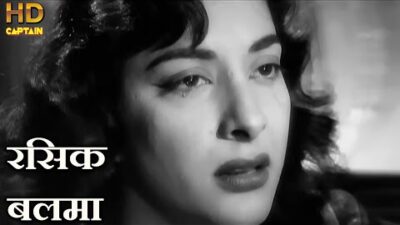
रोशन परिष्कृत अर्ध-शास्त्रीय संवेदनशीलता के संगीतकार थे — हिंदुस्तानी शास्त्रीय संगीत की उनकी पृष्ठभूमि ने उनकी फ़िल्म-रचनाओं को मधुर घनत्व की वह गुणवत्ता दी जो उस काल के बम्बई फ़िल्म संगीत में असामान्य थी। 'प्यार कर ले' में वे खमाज के ढाँचे में काम करते हैं — वही राग जो शंकर-जयकिशन ने 'रसिक बलमा' के लिए प्रयोग किया, किन्तु अधिक गंभीर, कम चंचल व्यवहार के साथ।
अंग्रेज़ी में पढ़ें · Read in English
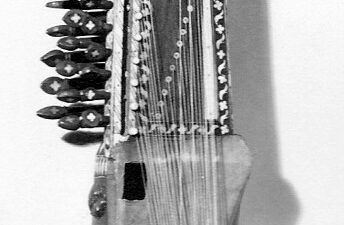
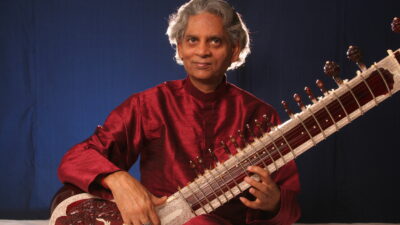
Roshan was a composer of refined semi-classical sensibility — his background in Hindustani classical music gave his film compositions a quality of melodic density unusual in the Bombay film music of the period. In 'Pyar Kar Le,' he works within the Khamaj framework — the same raag Shankar-Jaikishan used for 'Rasik Balma,' but with a more serious, less playful treatment. The sarangi is prominently featured, giving the song a mehfil texture, and the sitar appears in the instrumental interludes with lines that have a meditative quality rather than the decorative purpose they serve in more commercialised arrangements.
काव्य The Poetry
साहिर लुधियानवी का आमंत्रण-गीत उनके प्रगतिशील-मानवतावादी दृष्टिकोण की विशेषता है — एक साधारण 'मुझसे प्यार करो' गीत भी साहिर के हाथों में जीवन की माँगों का एक बड़ा बयान बन जाता है। 'ज़िन्दगी है, ज़िन्दगी का प्यार कर ले' एक ऐसी पंक्ति है जो रोमांटिक आमंत्रण को अस्तित्ववादी तक विस्तारित करती है।
अंग्रेज़ी में पढ़ें · Read in English
Sahir Ludhianvi's invitation lyric is characteristic of his progressive-humanist approach — even a simple 'love me' song becomes, in Sahir's hands, a larger statement about life's demands. 'Zindagi hai, zindagi ka pyar kar le' — life exists, so love life itself — is a line that extends the romantic invitation to an existential one. Sahir was never content to write only the personal; the universal always presses through.
कहानी The Story
'राज हठ' (1956) पौराणिक और ऐतिहासिक फ़िल्मों के लिए जाने जाने वाले विजय भट्ट ने निर्देशित की। रोशन ने इस समय तक गुणवत्तापूर्ण अर्ध-शास्त्रीय स्कोर के संगीतकार के रूप में खुद को स्थापित कर लिया था। गीता दत्त ने इस रोमांटिक नंबर में ठीक वह गुणवत्ता लाई जो चाहिए थी — आमंत्रण करती हुई किन्तु माँग करती नहीं, ऊष्मल किन्तु चालाकी वाली नहीं।
अंग्रेज़ी में पढ़ें · Read in English
Raj Hath (1956) was directed by Vijay Bhatt, known for mythological and historical films. Roshan had established himself by this point as a composer of quality semi-classical scores, and his work on Raj Hath combined the film's period setting with a melodic freshness that kept it from feeling merely archaic. Geeta Dutt, whose voice had a natural warmth that suited both modern and historical settings, brought exactly the right quality to this romantic number — inviting without being demanding, warm without being coy.
विरासत The Legacy
यह गीत 1956 के स्वर्णिम युग के कम-जाने-माने ख़ज़ानों में से एक है — इसे 'चोरी चोरी' या 'सी.आई.डी.' के गीतों जैसी व्यापक पहचान नहीं है, किन्तु गीता दत्त के प्रशंसकों और रोशन के उत्साहियों के बीच इसे उस काल की सबसे सुंदर और संयमित रोमांटिक रिकॉर्डिंग्स में से एक माना जाता है।
अंग्रेज़ी में पढ़ें · Read in English
The song is one of the lesser-known treasures of the 1956 Golden Era — it does not have the mass recognition of the Chori Chori or CID songs, but among Geeta Dutt fans and Roshan enthusiasts it is considered one of the period's most beautiful and understated romantic recordings.
वर्गीकरण
Classification- Tempo
- Medium
Genre
अन्य विवरण
More Details- Wikipedia: Raj Hath (1956 film)
- Wikipedia: Roshan (composer)
- Hindi Film Geet Kosh, Vol. 4, Harmandir Singh Hamraaz — primary source for verification
- Geeta Dutt discography, various sources
References
रोचक तथ्य
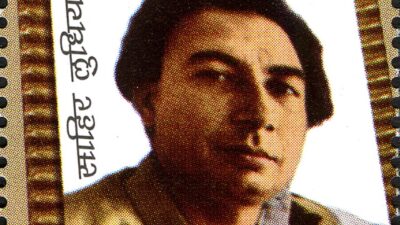
Margin Notesरोशन (पूरा नाम: रोशन लाल नागरथ) ने उस्ताद अलाउद्दीन ख़ान से तालीम ली थी और उनके संगीत में हमेशा एक शास्त्रीय मूल बना रहता था, जो उन्हें 1950 के दशक के बंबई फ़िल्म संगीतकारों में विशिष्ट बनाता है।
अंग्रेज़ी में पढ़ें · Read in English
Roshan (full name: Roshan Lal Nagrath) trained under Ustad Alauddin Khan and composed music that always retained a classical core, making him unusual among Bombay film composers of the 1950s.
साहिर लुधियानवी फ़िल्मी गीतकारों में इस बात के लिए विशिष्ट थे कि वे रोमांटिक प्रसंगों में भी सामाजिक-राजनीतिक अर्थ भरे गीत लिखने पर अड़े रहते थे — 'राज हठ' और बाद में 'ताज महल' जैसी फ़िल्मों में रोशन के साथ उनकी साझेदारी स्वर्ण युग की सबसे परिष्कृत साझेदारियों में गिनी जाती है।
अंग्रेज़ी में पढ़ें · Read in English
Sahir Ludhianvi was unusual among film lyricists for insisting on writing lyrics that carried social and political meaning even in romantic contexts — his partnership with Roshan in films like Raj Hath and later Taj Mahal was one of the Golden Era's most refined.
गीता दत्त ने रोशन के प्रोडक्शन के लिए अपेक्षाकृत कम गीत रिकॉर्ड किए — इसी वजह से उनकी हर रिकॉर्डिंग दुर्लभ और संग्रहकर्ताओं के बीच बेहद चाहत की चीज़ बन गई।
अंग्रेज़ी में पढ़ें · Read in English
Geeta Dutt recorded a relatively small number of songs for Roshan productions — making each recording unusual and sought-after by collectors.
'राज हठ' के निर्देशक विजय भट्ट, 'बैजू बावरा' (1952) के लिए जाने जाते थे — हिंदी सिनेमा इतिहास की संगीत की दृष्टि से सबसे महत्वाकांक्षी फ़िल्मों में से एक — जो गीत की गुणवत्ता के प्रति उनकी सजगता को दर्शाता है।
अंग्रेज़ी में पढ़ें · Read in English
Vijay Bhatt, the director of Raj Hath, was known for Baiju Bawra (1952) — one of the most musically ambitious films in Hindi cinema history, suggesting his awareness of the importance of song quality.
नमूना-पट्टी
The Specimen Table| शीर्षक | प्यार कर ले · Pyar Kar Le |
|---|---|
| वर्ष · युग | 1956 — Golden Era |
| गायक | Geeta Dutt |
| गीतकार | Sahir Ludhianvi |
| संगीतकार | रोशन |
| स्वरूप | एकल महिला |
| गति | मध्यम |
| अवधि | 3:18 |
| भाषा | Hindi · Urdu |
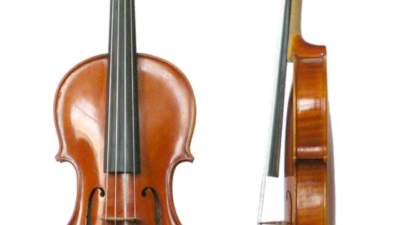
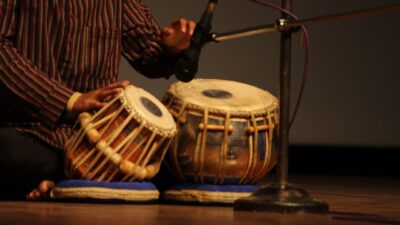
| वाद्य | sarangi · violin · tabla · sitar |
| भाव | मीठा-कड़वा · तीव्र · रोमांटिक |
| लोकप्रियता | Known |
| बोल-स्थिति | केवल झलक |
जुड़े हुए पन्ने
Connected Plates · The Graph Made Visibleअटलस में कोई पन्ना अकेला नहीं — इस गीत से जुड़े गीत, कलाकार, फ़िल्म, राग-ताल-विधा, सब यहाँ से खुलते हैं।
मिलते-जुलते गीत · Related Songs
कलाकार · The Artists
युग · The Era
साझा कीजिए · Share this Plate
यह पन्ना आगे बढ़ाइए
रोशन की सारंगी-नेतृत्व वाली धुनें लखनऊ के कोठे के ड्राइंग रूम को बम्बई में ले आने की आवाज़ थीं — अंतरंग, परिष्कृत, और सौंदर्य के प्रति पूर्णतः गंभीर।
Roshan's sarangi-led melodies were the sound of a Lucknow courtesan's drawing room transported to Bombay — intimate, refined, and entirely serious about beauty.
— Yusuf Kanwal, film music critic
सवाल-जवाब
Questions & Answersसंगीतकार रोशन कौन थे? · Who is the composer Roshan?
रोशन लाल नागरथ (1917-1967), जिन्हें रोशन के नाम से जाना जाता है, हिंदुस्तानी शास्त्रीय प्रशिक्षित फ़िल्म संगीतकार थे। 'ममता' (1966), 'बहू बेगम' (1967) और 'ताजमहल' (1963) के लिए सबसे अधिक याद किए जाते हैं।
Roshan Lal Nagrath (1917-1967), known as Roshan, was a Hindustani classical-trained film composer. He is best remembered for Mamta (1966), Bahu Begum (1967), and Taj Mahal (1963) — but his 1950s work including Raj Hath shows his gifts fully formed.
'राज हठ' (1956) किस बारे में है? · What is Raj Hath (1956) about?
'राज हठ' (1956) एक ऐतिहासिक-पौराणिक फ़िल्म थी जिसे 'बैजू बावरा' (1952) के लिए जाने जाने वाले विजय भट्ट ने निर्देशित किया। इसमें गीता बाली और भरत भूषण ने ऐतिहासिक परिवेश में अभिनय किया।
Raj Hath (1956) was a historical-mythological film directed by Vijay Bhatt, the director known for Baiju Bawra (1952). It starred Geeta Bali and Bharat Bhushan in a period setting that combined romance with historical drama.