गीत विंग · गीत-पट्टिका · Song Plate
मोरा नाहक लाये गवनवा — ठुमरी, राग भैरवी
Mora Nahak Laye Gavanava — Thumri, Raag Bhairavi
गौहर जान की सबसे प्रसिद्ध ठुमरी — भैरवी में एक नवविवाहिता की वेदना, उनकी 600 गानों के करियर की सबसे महान रिकॉर्डिंग।
भावमीठा-कड़वा · विरह · उदास
भाषाAwadhi · Braj Bhasha
श्रेय
The Creditsबोल · The Lyrics
पूरे बोल · Full Lyrics
शब्दकोश
Word Meaningsसूत्र-वाक्य · The Hook
सूत्र-वाक्य
गौहर जान की सबसे प्रसिद्ध ठुमरी — भैरवी में एक नवविवाहिता की वेदना, उनकी 600 गानों के करियर की सबसे महान रिकॉर्डिंग।
In EnglishGauhar Jaan's most famous thumri — a Bhairavi masterpiece about a bride's anguish, cited as one of her greatest recordings across her 600-song career.
पट्टिका-लेख
The Monographपरिचय Overview
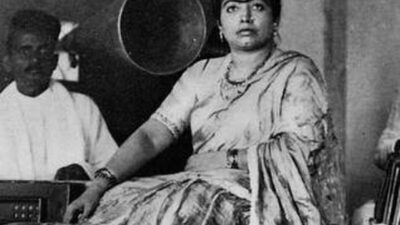
“मोरा नाहक लाये गवनवा — ठुमरी, राग भैरवी” फ़िल्म Gramophone Company — First Indian Recordings (1902) का हिंदी गीत है। गायन गौहर जान का है, संगीत गौहर जान का है, और बोल पारंपरिक बंदिश ने लिखे हैं। यह राग Bhairavi पर आधारित है, Deepchandi ताल में निबद्ध, Hindustani Classical शैली का गीत। इसका प्रमुख भाव Melancholic है, अवधि 3:15 है, और यह The Gramophone & Typewriter Ltd. लेबल से जारी हुआ।
अंग्रेज़ी में पढ़ें · Read in English
“Mora Nahak Laye Gavanava — Thumri, Raag Bhairavi” is a Hindi film song from Gramophone Company — First Indian Recordings (1902). Rendered by Gauhar Jaan, composed by Gauhar Jaan, with lyrics penned by Traditional Bandish. Musically it set in Raag Bhairavi, to the Deepchandi taal, in the Hindustani Classical idiom. Its prevailing mood is melancholic, the recording runs 3:15, released on the the gramophone & typewriter ltd. label.
संगीत The Music
राग भैरवी ठुमरी का सर्वोत्कृष्ट राग है, जो भावनात्मक अभिव्यक्ति के लिए अधिकतम स्वर लचीलापन प्रदान करता है। रचना में संभवतः भैरवी के विशिष्ट स्वर वाक्यांशों का प्रयोग है — मार्मिक कोमल गंधार, अत्यंत सुंदर सा-रे-ग अवरोह, और राग की करुणा को परिभाषित करने वाला कोमल नि-सा समापन।
अंग्रेज़ी में पढ़ें · Read in English
Raag Bhairavi is the quintessential thumri raga, offering maximum melodic flexibility for emotional expression. The composition likely employs the characteristic Bhairavi phrases — the poignant komal Gandhar, the achingly beautiful Sa-Re-Ga descent, and the tender Ni-Sa resolution that defines the raga's pathos.
काव्य The Poetry
'गवनवा' (या 'गौना') शब्द दुल्हन को पति के घर भेजने की रस्म को कहते हैं — भारतीय संस्कृति में एक अत्यंत भावनात्मक अवसर। 'नाहक' का अर्थ है 'बिना कारण' या 'व्यर्थ', जो दुल्हन के अपने भाग्य के विरुद्ध विरोध को व्यक्त करता है। यह विषय सदियों की ब्रज भाषा कविता और लोक परंपराओं में गूँजता है।
अंग्रेज़ी में पढ़ें · Read in English
The word 'gavanava' (also 'gauna' or 'gawanwa') refers to the ceremony of sending a bride to her husband's home — a deeply emotional event in Indian culture. 'Nahak' means 'needlessly' or 'without reason', expressing the bride's protest against her fate. This theme resonates across centuries of Braj bhasha poetry and folk traditions.
कहानी The Story
गौहर जान ने कथित तौर पर कहा था कि यह उनकी अपनी पसंदीदा रचनाओं में से एक थी। उन्होंने जिस ठुमरी परंपरा का प्रतिनिधित्व किया — जो लखनऊ की दरबारी संस्कृति में निहित थी — वह हिन्दुस्तानी संगीत में महिलाओं की भावनात्मक अभिव्यक्ति का प्रमुख माध्यम थी।
अंग्रेज़ी में पढ़ें · Read in English
Gauhar Jaan reportedly said this was among her own favorite compositions. The thumri tradition she represented — rooted in Lucknow's courtly culture — was the primary vehicle for women's emotional expression in Hindustani music.
विरासत The Legacy
इस ठुमरी का उल्लेख एस.आर. मेहता सहित कई संगीतशास्त्रियों ने गौहर जान की ख़्याल और ठुमरी गायकी के अध्ययन में किया है। यह रचना ठुमरी गायिकाओं की बाद की पीढ़ियों द्वारा गाई जाती रही।
अंग्रेज़ी में पढ़ें · Read in English
This thumri has been referenced by multiple musicologists including S.R. Mehta in his study of Gauhar Jaan's khayal and thumri gayaki. The composition has been performed by subsequent generations of thumri singers.
ऐतिहासिक महत्व Historical Significance
गौहर जान की सबसे प्रसिद्ध रिकॉर्डिंग में से एक, यह भैरवी ठुमरी तवायफ़ गायन परंपरा के स्वर्ण युग का प्रतीक बन गई है। 'मोरा नाहक लाए गवनवा' एक दुल्हन की विलाप व्यक्त करती है जिसे उसके मायके से ले जाया जा रहा है।
अंग्रेज़ी में पढ़ें · Read in English
One of Gauhar Jaan's most celebrated recordings, this Bhairavi thumri has become emblematic of the golden age of the tawaif singing tradition. The phrase 'Mora nahak laye gavanava' expresses the lament of a bride being taken away from her maternal home u2014 a universal theme in North Indian culture. This recording has been cited by multiple music historians as one of the finest examples of early gramophone-era thumri singing. The Bhairavi raag, traditionally performed as the concluding piece of any mehfil (musical gathering), lends an air of finality and deep emotion to the performance.
राग-विश्लेषण Raag Analysis
राग भैरवी हिन्दुस्तानी संगीत का सबसे बहुमुखी राग है, जिसे कभी-कभी 'सदा सुहागन' (सदैव शुभ) कहा जाता है। रे, ग, ध और नि के कोमल स्वरों के साथ सभी सात स्वरों का प्रयोग करते हुए, भैरवी भावनात्मक अभिव्यक्ति के लिए अधिकतम स्वर लचीलापन प्रदान करता है। इस ठुमरी में गौहर जान भैरवी के विशिष्ट स्वर वाक्यांशों का उपयोग करती हैं — सा से कोमल नि से कोमल ध तक का मार्मिक अवरोह, और मा से ग से कोमल रे तक की विशिष्ट मींड (ग्लाइड)। दादरा ताल (6 मात्रा) दुल्हन की विदाई के विलापमय पाठ के लिए एक कोमल, लहराती लयबद्ध नींव प्रदान करता है।
अंग्रेज़ी में पढ़ें · Read in English
Raag Bhairavi is the most versatile raag in Hindustani music, sometimes called 'Sada Suhagan' (the eternally auspicious). Using all seven notes with komal (flat) variants of Re, Ga, Dha, and Ni, Bhairavi offers maximum melodic flexibility for emotional expression. In this thumri, Gauhar Jaan exploits Bhairavi's characteristic phrases — the poignant descent from Sa to komal Ni to komal Dha, and the signature meend (glide) from Ma to Ga to komal Re. The dadra taal (6 beats) provides a gentle, swaying rhythmic foundation perfect for the lamenting text about a bride's departure.
वर्गीकरण
ClassificationGenre
अन्य विवरण
More Details- Archive of Indian Music
- Bajakhana - Early Sound Recordings
- Google Arts & Culture - Pioneering Musicians
References
रोचक तथ्य
Margin Notes'गवनवा' (या 'गौना') दुल्हन को पति के घर भेजने की रस्म है — उत्तर भारतीय संस्कृति में एक अत्यंत भावनात्मक क्षण, जो अक्सर विदाई गीतों के साथ होता है।
अंग्रेज़ी में पढ़ें · Read in English
'Gavanava' (also 'gauna') refers to the ceremony of sending a bride to her husband's home — a deeply emotional moment in North Indian culture, often accompanied by songs of farewell.
राग भैरवी, जिसमें यह ठुमरी सेट है, 'सदा सुहागन' (सदैव सौभाग्यशाली राग) के नाम से जाना जाता है क्योंकि इसमें अपार भावनात्मक बहुमुखी प्रतिभा है।
अंग्रेज़ी में पढ़ें · Read in English
Raag Bhairavi, in which this thumri is set, is known as 'Sada Suhagan' (the eternally blessed raag) because of its supreme emotional versatility.
यह गौहर जान की व्यक्तिगत पसंदीदा रचनाओं में मानी जाती है। कथित तौर पर वे जीवित महफ़िलों में इसे गाते हुए भावुक हो जाती थीं।
अंग्रेज़ी में पढ़ें · Read in English
This is considered one of Gauhar Jaan's personal favorites. She reportedly became emotional while performing it at live mehfils.
गौहर जान जिस ठुमरी परंपरा का प्रतिनिधित्व करती हैं वह तवायफ़ वंश के माध्यम से आगे बढ़ी — पेशेवर महिला संगीतकार जो हिन्दुस्तानी उप-शास्त्रीय संगीत की प्रमुख संरक्षिकाएँ थीं।
अंग्रेज़ी में पढ़ें · Read in English
The thumri tradition that Gauhar Jaan represents was passed down through the tawaif lineage — professional women musicians who were the primary custodians of Hindustani light-classical music.
इस ठुमरी के कई संस्करण बाद के कलाकारों द्वारा रिकॉर्ड किए गए हैं जिनमें बेगम अख़्तर और गिरिजा देवी शामिल हैं, सभी ने गौहर जान की निश्चायक व्याख्या को स्वीकार किया।
अंग्रेज़ी में पढ़ें · Read in English
Multiple versions of this thumri have been recorded by later artists including Begum Akhtar and Girija Devi, all acknowledging Gauhar Jaan's definitive interpretation.
कई स्रोतों में गौहर जान को अपने युग की महानतम ठुमरी गायिकाओं में से एक बताया गया है।
अंग्रेज़ी में पढ़ें · Read in English
Gauhar Jaan was described by multiple sources as one of the greatest thumri singers of her era.
परंपरा के अनुसार भैरवी किसी महफ़िल में गाया जाने वाला अंतिम राग होता है — गौहर जान ने इसे एक चरम प्रस्तुति के रूप में गाया होगा।
अंग्रेज़ी में पढ़ें · Read in English
Bhairavi is traditionally the last raga performed at a mehfil — Gauhar Jaan would have performed it as a climactic offering.
उन्होंने जिस ठुमरी विधा को आगे बढ़ाया, उसे ख़याल की तुलना में "हल्का" माना जाता था, लेकिन उसके लिए भी उतनी ही संगीतमय दक्षता आवश्यक थी।
अंग्रेज़ी में पढ़ें · Read in English
The thumri genre she championed was considered 'lighter' than khayal but required equal musical sophistication.
इस रचना में ब्रजभाषा का प्रयोग किया गया है — कृष्ण भक्ति परंपरा की साहित्यिक भाषा, जो ठुमरी काव्य में सामान्यतः प्रयुक्त होती है।
अंग्रेज़ी में पढ़ें · Read in English
The text uses Braj bhasha — the literary language of the Krishna devotional tradition, commonly used in thumri poetry.
गौहर जान ने लखनऊ और बनारस परंपराओं से जुड़े उस्तादों से ठुमरी सीखी थी।
अंग्रेज़ी में पढ़ें · Read in English
Gauhar Jaan learned thumri from masters associated with the Lucknow and Banaras traditions.
संस्करण और कवर
Covers & Versions| कलाकार | वर्ष | विवरण |
|---|---|---|
| Begum Akhtar | 1950 | Begum Akhtar's interpretation became equally iconic, performed in the Lucknow thumri style |
| Girija Devi | 1970 | Girija Devi of the Banaras gharana performed this with the Purab ang emphasis |
| Shobha Gurtu | 1985 | Added her distinctive Marathi-influenced ornamental style |
नमूना-पट्टी
The Specimen Table| शीर्षक | मोरा नाहक लाये गवनवा — ठुमरी, राग भैरवी · Mora Nahak Laye Gavanava — Thumri, Raag Bhairavi |
|---|---|
| वर्ष · युग | 1902 — Gramophone Era |
| गायक | Gauhar Jaan |
| गीतकार | पारंपरिक बंदिश |
| संगीतकार | गौहर जान |
| राग | Bhairavi |
| ताल | {"name":"Deepchandi or Sitarkhani (likely)","taal_id":"taal-deepchandi","beats":14,"notes":"Standard taal for thumri rendition. Needs verification from audio."} |
| अवधि | 3:15 |
| भाषा | Awadhi · Braj Bhasha |
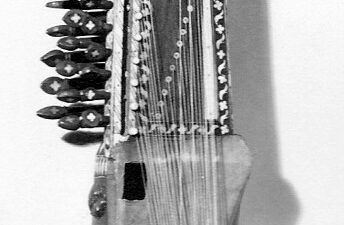
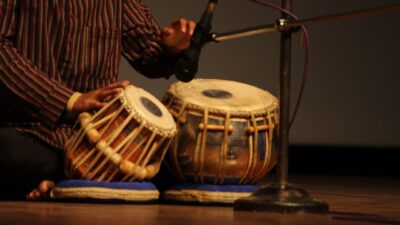
| वाद्य | Vocals · sarangi · tabla |
| भाव | मीठा-कड़वा · विरह · उदास |
| लेबल | The Gramophone & Typewriter Ltd. |
| बोल-स्थिति | सार्वजनिक |
जुड़े हुए पन्ने
Connected Plates · The Graph Made Visibleअटलस में कोई पन्ना अकेला नहीं — इस गीत से जुड़े गीत, कलाकार, फ़िल्म, राग-ताल-विधा, सब यहाँ से खुलते हैं।
मिलते-जुलते गीत · Related Songs
कलाकार · The Artists
शास्त्र-सूत्र · Shastra Threads
युग · The Era
साझा कीजिए · Share this Plate