गीत विंग · गीत-पट्टिका · Song Plate
हम थे वो थी और समाँ था सुहाना
Hum The Woh Thi Aur Sama Tha Suhana
वे दोनों थे, पल था परफ़ेक्ट, और गीत वह एहसास कभी भूलने नहीं देता।
भावपुरानी यादें · चुलबुला · रोमांटिक
भाषाHindi · Urdu गतिमध्यम स्वरूपयुगल
श्रेय
The Creditsबोल · The Lyrics
बोल — झलक · Lyrics Preview
चाहत में डूबा हुआ दिल का फ़साना
Chahat mein dooba hua dil ka fasana
कॉपीराइट के कारण केवल झलक — पूरे बोल आधिकारिक मंचों पर।
शब्दकोश
Word Meaningsसूत्र-वाक्य · The Hook
सूत्र-वाक्य
वे दोनों थे, पल था परफ़ेक्ट, और गीत वह एहसास कभी भूलने नहीं देता।
In EnglishThe two of them were there, the moment was perfect, and the song never lets you forget what joy feels like.
पट्टिका-लेख
The Monographपरिचय Overview
'चलती का नाम गाड़ी' (1958) का सबसे उल्लसित युगलगीत, 'हम थे वो थी और समाँ था सुहाना' में किशोर कुमार और आशा भोसले अपनी सबसे संक्रामक खुशी में हैं। एस.डी. बर्मन की जैज़-धुन — अकॉर्डियन, सैक्सोफ़ोन, ट्रम्पेट — कहरवे की ताल पर इस तरह उछलती है कि पाँव थिरकने लगें। शैलेन्द्र के बोल एक प्रेम-घोषणा हैं: 'हम थे, वो थी, माहौल था बेहतरीन।' किशोर और आशा की हास्य-रसायन उनके युगलगीतों को वास्तविक बातचीत जैसा बनाती थी।
अंग्रेज़ी में पढ़ें · Read in English
The most ebullient romantic duet from Chalti Ka Naam Gaadi (1958), 'Hum The Woh Thi Aur Sama Tha Suhana' captures Kishore Kumar and Asha Bhosle at their most infectiously cheerful. S.D. Burman's jazz-inflected composition — accordion, saxophone, trumpet — bounces along in a Keherwa that practically makes you want to dance. Shailendra's lyrics are a romantic manifesto of the perfect moment: 'We were there, she was there, and the atmosphere was magical.' The Kishore-Asha pairing had a natural comic chemistry that made their duets feel like conversations between real people rather than performances. Released on HMV India, this song is one of the purest expressions of Golden Era romantic joy.
संगीत The Music
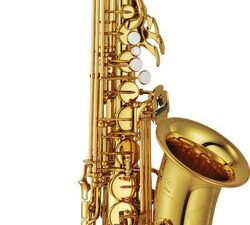
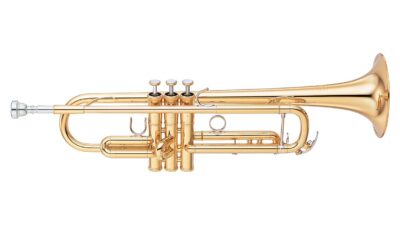
एस.डी. बर्मन ने इस युगलगीत में 1950s मुंबई का पश्चिमी डान्स-बैंड साउंड इस्तेमाल किया — जैज़ और लैटिन लय जो उस दौर में हिंदी फ़िल्म संगीत में लोक और शास्त्रीय के साथ घुल रही थीं। अकॉर्डियन हर वाक्यांश को उछलती गति देता है, सैक्सोफ़ोन रंग भरता है, ट्रम्पेट मुखड़े पर विराम लगाता है। किशोर की खुरदरी, अभिव्यंजक आवाज़ और आशा की पैनी, फुर्तीली आवाज़ के बीच का प्राकृतिक तनाव इस युगलगीत की जान है।
अंग्रेज़ी में पढ़ें · Read in English
S.D. Burman crafted this duet with the Western dance-band sound that was fashionable in 1950s Bombay — a time when jazz and Latin rhythms were seeping into Hindi film music alongside folk and classical influences. The accordion leads each phrase with a bouncy quality, the saxophone adds colour, and the trumpet punctuates the refrains. The arrangement is light and swinging, with plenty of space for Kishore and Asha to play with each other vocally. Their voices had contrasting textures — Kishore's rougher, more expressive voice against Asha's sharper, more agile one — that created natural comic tension even in romantic settings.
काव्य The Poetry
शैलेन्द्र ने बोलों को जानबूझकर सरल रखा — लगभग बोलचाल के — क्योंकि यह गीत दो लोगों की साझा कहानी जैसा महसूस हो। 'हम थे, वो थी, और समाँ था सुहाना' — एक सम्पूर्ण वाक्य, जीवंत और सहज मुस्कान देने वाला। गीत का काल-रूप खुशनुमा स्मृति का काल-रूप है — भूतकाल का उपयोग पश्चाताप से नहीं, आनंद से।
अंग्रेज़ी में पढ़ें · Read in English
Shailendra keeps the poetry deliberately simple — almost conversational — because the song is meant to feel like two people excitedly telling a story together rather than performing art. 'Hum the, woh thi, aur sama tha suhana' is a perfect sentence of romantic memory: complete, vivid, and impossible not to smile at. The song's grammar is the grammar of happy memory — the past tense used not with regret but with pleasure.
कहानी The Story
'चलती का नाम गाड़ी' कुमार बंधुओं की वास्तविक जीवन-गतिशीलता पर बनाई गई थी। युगलगीतों ने किशोर को हास्य से परे अपनी आवाज़ दिखाने का मौका दिया। किशोर-आशा की जोड़ी में एक पेशेवर गर्मजोशी थी जो उनके युगलगीतों को सहज बनाती थी।
अंग्रेज़ी में पढ़ें · Read in English
Chalti Ka Naam Gaadi was a vehicle built around the real-life dynamic of the Kumar brothers — Ashok, the eldest, was the established star; Anoop, a singer; and Kishore, the wild, unstoppable force. The film's romantic duets gave Kishore space to demonstrate his vocal range beyond comedy. The Kishore-Asha pairing was also partly personal — Asha Bhosle and Kishore Kumar had a warm professional relationship that gave their duets authenticity. Director Satyen Bose encouraged naturalism rather than formal staging.
विरासत The Legacy
यह गीत किशोर कुमार और आशा भोसले को समर्पित कार्यक्रमों में अनिवार्य बन गया है। 1950s स्वर्ण युग के रेट्रो आयोजनों में यह नियमित रूप से आता है।
अंग्रेज़ी में पढ़ें · Read in English
This song is now standard fare at Kishore Kumar and Asha Bhosle tribute concerts. It has been covered in several Bollywood tributes to the 1950s Golden Era and remains a popular pick for retro-themed events in India.
वर्गीकरण
Classification- Tempo
- Moderate
Genre
अन्य विवरण
More Details- Hindi Film Geet Kosh Vol. 4 (1958)
- Wikipedia: Chalti Ka Naam Gaadi
- Wikipedia: Kishore Kumar
References
रोचक तथ्य
Margin Notesचलती का नाम गाड़ी 1958 की सर्वाधिक कमाई करने वाली हिंदी फ़िल्मों में से एक थी।
अंग्रेज़ी में पढ़ें · Read in English
Chalti Ka Naam Gaadi was one of the highest-grossing Hindi films of 1958.
कहा जाता है कि किशोर कुमार और आशा भोसले ने इसे एक ही सत्र में रिकॉर्ड कर लिया था — उनकी सहज केमिस्ट्री के चलते बार-बार रिटेक की ज़रूरत नहीं पड़ी।
अंग्रेज़ी में पढ़ें · Read in English
Kishore Kumar and Asha Bhosle reportedly recorded this in a single session, their natural chemistry reducing retakes.
इस फ़िल्म का संगीत एस.डी. बर्मन के सबसे विविधतापूर्ण कार्यों में से एक है — बारिश की हास्य धुनों से लेकर रोमांटिक जैज़ और लोक संगीत तक।
अंग्रेज़ी में पढ़ें · Read in English
The film's soundtrack represents one of S.D. Burman's most varied — ranging from rain comedy to romantic jazz to folk.
नमूना-पट्टी
The Specimen Table| शीर्षक | हम थे वो थी और समाँ था सुहाना · Hum The Woh Thi Aur Sama Tha Suhana |
|---|---|
| वर्ष · युग | 1958 — Golden Era |
| गायक | Kishore Kumar, Asha Bhosle |
| गीतकार | Shailendra |
| संगीतकार | S.D. Burman |
| स्वरूप | युगल |
| गति | मध्यम |
| अवधि | 3:30 |
| भाषा | Hindi · Urdu |
| वाद्य | accordion · saxophone · tabla · trumpet |
| भाव | पुरानी यादें · चुलबुला · रोमांटिक |
| लोकप्रियता | Very_popular |
| बोल-स्थिति | केवल झलक |
जुड़े हुए पन्ने
Connected Plates · The Graph Made Visibleअटलस में कोई पन्ना अकेला नहीं — इस गीत से जुड़े गीत, कलाकार, फ़िल्म, राग-ताल-विधा, सब यहाँ से खुलते हैं।
मिलते-जुलते गीत · Related Songs
कलाकार · The Artists
युग · The Era
साझा कीजिए · Share this Plate
यह पन्ना आगे बढ़ाइए
किशोर और आशा का साथ गाना — वह खुशी ही संगीत बन गई थी।
Kishore and Asha singing together — that was happiness itself, put to music.
— S.D. Burman
सवाल-जवाब
Questions & Answersक्या 'हम थे वो थी' 'चलती का नाम गाड़ी' का गीत है? · Is 'Hum The Woh Thi' from Chalti Ka Naam Gaadi?
हाँ, यह सत्येन बोस निर्देशित 1958 की हास्य फ़िल्म का किशोर और आशा का युगलगीत है।
Yes, it is a duet between Kishore Kumar and Asha Bhosle from the 1958 comedy classic directed by Satyen Bose.