गीत विंग · गीत-पट्टिका · Song Plate
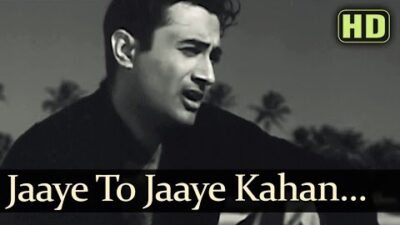
है अपना दिल तो आवारा
Hai Apna Dil Toh Awara
दिल आवारा है — किस पर आएगा, यह ख़ुद वो दिल भी नहीं जानता।
भावउदास · पुरानी यादें · दार्शनिक · चुलबुला
भाषाHindi · Urdu गतिमध्यम स्वरूपएकल पुरुष
श्रेय
The Creditsबोल · The Lyrics
बोल — झलक · Lyrics Preview
ना जाने किस पे आएगा
है अपना दिल तो आवारा
na jaane kis pe aayega
hai apna dil toh awara
कॉपीराइट के कारण केवल झलक — पूरे बोल आधिकारिक मंचों पर।
शब्दकोश
Word Meaningsसूत्र-वाक्य · The Hook
सूत्र-वाक्य
दिल आवारा है — किस पर आएगा, यह ख़ुद वो दिल भी नहीं जानता।
In EnglishThe heart is a vagabond — nobody, not even its owner, knows where it will land next.
पट्टिका-लेख
The Monographपरिचय Overview
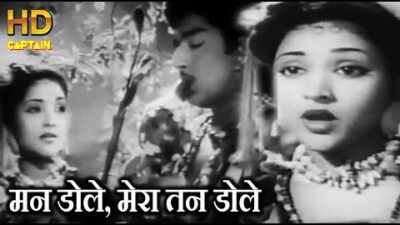
"है अपना दिल तो आवारा" — रेलवे प्लेटफ़ॉर्म (1954) में सलिल चौधरी की शुरुआती श्रेष्ठ रचनाओं में से एक। लोकगीत की सरलता और पाश्चात्य सामंजस्य की सलिल-विशिष्ट मिलावट यहाँ पहली बार पूरी तरह खिली। हेमंत कुमार का गहरा, उष्ण बैरिटोन और शैलेंद्र की अपनी बुद्धि और गहराई इस गीत को एक विशेष रंग देती है। रेलवे प्लेटफ़ॉर्म — उन ज़िंदगियों का अड्डा जो गुज़रती हैं, रुकती नहीं — इस गीत में आवारा दिल का रूपक बन जाता है। निर्देशक रमेश सैगल की यह फ़िल्म 1950s के समाजवादी सिनेमा आंदोलन का हिस्सा थी। गीत अपनी फ़िल्म से आगे निकल गया और उन लोगों का तराना बन गया जो मानते हैं कि दिल दिमाग़ से ज़्यादा जानता है।
अंग्रेज़ी में पढ़ें · Read in English
"Hai Apna Dil Toh Awara" from Railway Platform (1954) is one of Salil Chaudhary's earliest masterpieces in Hindi film music, showcasing his signature blend of folk simplicity and harmonic sophistication. Sung by Hemant Kumar with his distinctive warm baritone, and written by Shailendra with characteristic wit and depth, the song uses the trope of the wandering heart to explore the social realism of the film's setting — the railway platform as a site of transient lives and forgotten people. Directed by Ramesh Saigal, the film was part of the 1950s social realist movement that drew on progressive writers' traditions. The song has outlived its film by decades, becoming an anthem for those who believe the heart knows better than the mind where to go.
संगीत The Music
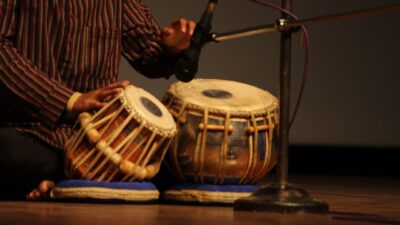
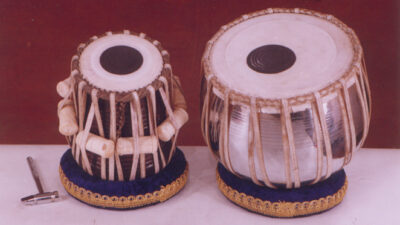
सलिल चौधरी का संगीत-शब्दकोश 1950s के हिंदी फ़िल्म संगीत में अनोखा था: हिंदुस्तानी शास्त्रीय और पाश्चात्य संगीत सिद्धांत, दोनों में दक्ष। 'है अपना दिल तो आवारा' उनकी कुछ महत्वाकांक्षी रचनाओं से सरल है, लेकिन यह सरलता जानबूझकर चुनी गई है — हेमंत की आवाज़ को जगह चाहिए, और सलिल ने दी। धुन में एक लोकगीत-सी गोलाई है — यह अपनी पहली पंक्ति पर बार-बार लौटती है, जैसे कोई आवारा अपने रास्ते पर। वाद्य संयोजन में गिटार और तबले का मेल एक ऐसा संकर ध्वनि-जगत रचता है जो किसी एक सांस्कृतिक परंपरा से नहीं बंधा — जैसे वह आवारा दिल भी नहीं। हेमंत की लेगाटो शैली लंबे स्वरों में भावना भरती है, बिना नाटकीय अतिरेक के।
अंग्रेज़ी में पढ़ें · Read in English
Salil Chaudhary's musical vocabulary was unique in 1950s Hindi film music: trained in both Hindustani classical and Western music theory, he could write counterpoint and round structures that no other film composer of his era attempted. 'Hai Apna Dil Toh Awara' is simpler than some of his more ambitious compositions, but that simplicity is itself a choice — Hemant Kumar's voice needed space, and Salil gave it. The melody has a folk-like circularity — it returns to its opening phrase repeatedly, like a wanderer circling back — while the orchestration uses the guitar alongside tabla, a hybrid sound that places the song outside any single cultural tradition, befitting a song about a man without a fixed home. Hemant Kumar's characteristic legato phrasing means the long vowels carry emotional weight without melodramatic emphasis.
काव्य The Poetry
शैलेंद्र की चतुरता यहाँ शांत और दार्शनिक है। आवारा दिल को रोमांटिक विद्रोह के रूप में नहीं, बल्कि मानव-प्रकृति की एक सच्चाई के रूप में देखा गया है — हल्की-सी मुस्कान के साथ। 'ना जाने किस पे आएगा' — एक महान लोकतांत्रिक विनम्रता की पंक्ति: वक्ता को पता नहीं, वो काबू नहीं कर सकता, और इस बात से कुछ अजीब-सी शांति है। 'अपना' और 'आवारा' का तनाव — यह दिल हमारा भी है, और हमारे काबू में भी नहीं — ही पूरे गीत का सार है।
अंग्रेज़ी में पढ़ें · Read in English
Shailendra's wit here is quiet and philosophical. The wandering heart is not celebrated as romantic rebellion — it is observed, almost with gentle bemused acceptance, as a fact of human nature. 'Na jaane kis pe aayega' — who knows where it will fall — is a line of great democratic humility: the speaker does not know, cannot control, and seems oddly at peace with that. Shailendra often wrote about the philosophical position of ordinary people facing extraordinary vulnerability, and this song is one of his most compressed statements on that theme. The use of 'apna' (our own, belonging to us) is interesting: it makes the heart intimate and personal — 'this heart of mine/ours' — while 'awara' (vagabond) makes it utterly uncontrollable. That tension is the entire song.
कहानी The Story
सलिल चौधरी हाल ही में बंगाल से बंबई आए थे। वे इंडियन पीपुल्स थिएटर असोसिएशन (IPTA) से जुड़े थे — वह प्रगतिशील सांस्कृतिक संगठन जो कम्युनिस्ट पार्टी से संबद्ध था। लोकसंगीत, रूसी आर्ट-गीत और बांग्ला रवींद्र-संगीत से उनकी संगीत-दृष्टि बनी थी। रेलवे प्लेटफ़ॉर्म (1954) उनकी समाजवादी प्रवृत्तियों के लिए उपयुक्त माध्यम था: कुली, फेरीवाले, यात्री — हाशिये पर जीते लोगों की कहानी। हेमंत कुमार, स्वयं बंगाली, सलिल की रचनाओं के लिए स्वाभाविक विकल्प थे। दोनों में टैगोर-प्रभावित बंगाल की संगीत-विरासत समान थी। कहते हैं इस गीत की कई रिहर्सल हुईं क्योंकि हेमंत सही भावनात्मक तापमान खोजने पर ज़ोर देते थे — उदासी, लेकिन आत्म-दया नहीं।
अंग्रेज़ी में पढ़ें · Read in English
Salil Chaudhary had recently arrived in Bombay from Bengal, having been active in the Indian People's Theatre Association (IPTA) — the progressive cultural organization linked to the Communist Party of India. His musical sensibility was shaped by folk music, Russian art songs, and Bengali Rabindra Sangeet. Railway Platform (1954) was an ideal vehicle for his social-realist instincts: a film about ordinary people — coolies, vendors, travellers — living their dramas on the margins of a railway platform. Hemant Kumar, himself a Bengali, was the natural choice to interpret Salil's compositions — they shared a musical sensibility rooted in the Tagore-influenced Bengal tradition. This song reportedly took several rehearsal sessions because Hemant insisted on finding the exact emotional temperature — melancholy without self-pity.
विरासत The Legacy
'है अपना दिल तो आवारा' हेमंत कुमार के प्रतिनिधि गीतों में से एक है और स्वर्णिम युग के पुरुष एकल फ़िल्म-संगीत का एक आदर्श उदाहरण। सलिल चौधरी और शैलेंद्र के सर्वश्रेष्ठ संकलनों में यह गीत नियमित है। दिल की अनिश्चितता को स्वीकार करने का यह दर्शन इसे पीढ़ियों से प्रासंगिक बनाए रखता है। सलिल चौधरी आगे चलकर दो बीघा ज़मीन और मधुमती जैसी फ़िल्मों से हिंदी सिनेमा के महान संगीतकारों में शुमार हुए, और यह गीत अक्सर उस पल के रूप में उद्धृत किया जाता है जब उनकी अनूठी आवाज़ पहली बार पूरी तरह उभरी।
अंग्रेज़ी में पढ़ें · Read in English
"Hai Apna Dil Toh Awara" has become one of Hemant Kumar's signature songs and a quintessential example of Golden Era male solo film music. It is regularly featured in compilations of the best of Salil Chaudhary and of Shailendra's writing. The song's gentle philosophical stance — acceptance of the heart's unpredictability — has made it timeless across generations. Salil Chaudhary went on to become one of Hindi cinema's most celebrated composers (Do Bigha Zameen, Madhumati), and this song is often cited as the moment his distinctive voice first fully emerged in a major Hindi film.
वर्गीकरण
Classification- Tempo
- Medium
Genre
अन्य विवरण
More Details- Wikipedia: Railway Platform (1954 film) — https://en.wikipedia.org/wiki/Railway_Platform_(1954_film)
- Wikipedia: Salil Chaudhary — https://en.wikipedia.org/wiki/Salil_Chaudhary
- Wikipedia: Hemant Kumar — https://en.wikipedia.org/wiki/Hemant_Kumar
- Hindi Film Geet Kosh, Vol. 3 (1951-1960), Harmandir Singh 'Hamraaz'
- Wikipedia: Indian People's Theatre Association — https://en.wikipedia.org/wiki/Indian_People%27s_Theatre_Association
References
रोचक तथ्य
Margin Notesसलिल चौधरी 1950 के दशक के उन चंद हिंदी फ़िल्म संगीतकारों में से एक थे जो पूरे वाद्यवृंद स्कोर को पाश्चात्य स्वरलिपि में लिख सकते थे — बाक़ी अधिकतर सुनकर और प्रदर्शन के ज़रिए काम करते थे।
अंग्रेज़ी में पढ़ें · Read in English
Salil Chaudhary was one of the few Hindi film composers of the 1950s who could notate full orchestral scores in Western notation — most others worked by ear and demonstration.
इप्टा (IPTA) से जुड़ाव ने सलिल चौधरी को पूरे भारत की लोक संगीत परंपराओं तक पहुँच दी, जिन्हें उस दौर के अन्य फ़िल्म संगीतकार शायद ही कभी खंगालते थे।
अंग्रेज़ी में पढ़ें · Read in English
The IPTA connection gave Salil Chaudhary access to folk musical traditions from across India that other film composers of the era rarely explored.
हेमंत कुमार और सलिल चौधरी दोनों बंगाली थे जो हिंदी सिनेमा में काम कर रहे थे, और उनकी साझा सांस्कृतिक पृष्ठभूमि ने उनकी साझेदारियों को एक विशिष्ट आत्मीयता दी।
अंग्रेज़ी में पढ़ें · Read in English
Hemant Kumar and Salil Chaudhary were both Bengalis working in Hindi cinema, and their shared cultural background gave their collaborations a distinctive warmth.
रेलवे प्लेटफ़ॉर्म (1954) को एक ऐसी सामाजिक-यथार्थवादी सौंदर्यशैली में बनाया गया था जो मुख्यधारा के हिंदी सिनेमा में असामान्य थी, जो 1950 के दशक की शुरुआत में भारतीय फ़िल्मकारों को प्रभावित करने वाली इतालवी नवयथार्थवादी फ़िल्मों से प्रेरित थी।
अंग्रेज़ी में पढ़ें · Read in English
Railway Platform (1954) was made with a social-realist aesthetic that was unusual in mainstream Hindi cinema, influenced by the neorealist Italian films that had impressed Indian filmmakers in the early 1950s.
शैलेंद्र के बोल इप्टा-युग के गीतों की स्पष्ट राजनीतिक सामग्री से बचते हैं, फिर भी सामाजिक-यथार्थवादी भावना बनाए रखते हैं — भटकता हुआ दिल परोक्ष रूप से बेदखल-वंचितों का भी प्रतीक है।
अंग्रेज़ी में पढ़ें · Read in English
Shailendra's lyric avoids the explicit political content of IPTA-era songs while preserving the social-realist spirit — the wandering heart is also implicitly a figure for the dispossessed.
नमूना-पट्टी
The Specimen Table| शीर्षक | है अपना दिल तो आवारा · Hai Apna Dil Toh Awara |
|---|---|
| वर्ष · युग | 1954 — Golden Era |
| गायक | Hemant Kumar |
| गीतकार | Shailendra |
| संगीतकार | Salil Chowdhury |
| स्वरूप | एकल पुरुष |
| गति | मध्यम |
| अवधि | 3:55 |
| भाषा | Hindi · Urdu |
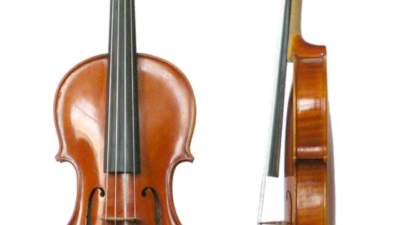
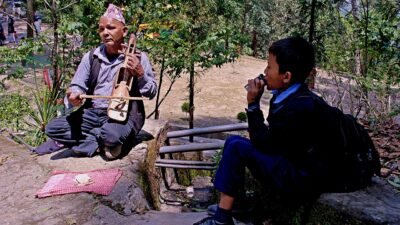
| वाद्य | violin · guitar · harmonium · tabla · instrument-flute |
| भाव | उदास · पुरानी यादें · दार्शनिक · चुलबुला |
| लोकप्रियता | Very_popular |
| बोल-स्थिति | केवल झलक |
जुड़े हुए पन्ने
Connected Plates · The Graph Made Visibleअटलस में कोई पन्ना अकेला नहीं — इस गीत से जुड़े गीत, कलाकार, फ़िल्म, राग-ताल-विधा, सब यहाँ से खुलते हैं।
मिलते-जुलते गीत · Related Songs
कलाकार · The Artists
युग · The Era
साझा कीजिए · Share this Plate
यह पन्ना आगे बढ़ाइए
है अपना दिल तो आवारा — ना जाने किस पे आएगा।
This heart of mine is a vagabond — who knows where it will fall next.
— Shailendra, Railway Platform (1954)
सवाल-जवाब
Questions & Answers'है अपना दिल तो आवारा' किस फ़िल्म का गीत है? · Which film is 'Hai Apna Dil Toh Awara' from?
यह रेलवे प्लेटफ़ॉर्म (1954) का गीत है — रमेश सैगल की एक समाजवादी फ़िल्म जो रेलवे स्टेशन के हाशिये पर जीते लोगों की कहानी कहती है।
It is from Railway Platform (1954), directed by Ramesh Saigal, a social realist film about people living on the margins of a railway station.
रेलवे प्लेटफ़ॉर्म (1954) का संगीत किसने दिया? · Who composed the music of Railway Platform (1954)?
संगीत सलिल चौधरी ने दिया — लोकगीत की सरलता और पाश्चात्य सामंजस्य के कुशल मेल के लिए प्रसिद्ध। वे दो बीघा ज़मीन (1953) और मधुमती (1958) के लिए भी जाने जाते हैं।
The music was composed by Salil Chaudhary, who blended folk simplicity with Western harmonic sophistication. He is also famous for Do Bigha Zameen (1953) and Madhumati (1958).
इस गीत में 'आवारा' का क्या अर्थ है? · What does 'awara' mean in this song?
'आवारा' का अर्थ है बेठिकाना, मटरगश्त — जिसका कोई निश्चित घर या दिशा नहीं। यहाँ दिल को आवारा कहा गया है जो बिना किसी पूर्व-नियोजन के प्यार में पड़ जाता है।
'Awara' means wanderer or vagabond — one without a fixed home or direction. In this song it describes the heart, which falls in love unpredictably and cannot be controlled by the mind.