गीत विंग · गीत-पट्टिका · Song Plate
गोरे गोरे ओ बाँके छोरे
Gore Gore O Banke Chhore
वो गीत जिसमें एक लड़की ने बाँके छोरे को छेड़ने की कला को अमर कर दिया।
भावउत्सव · छेड़-छाड़ · चुलबुला
भाषाHindi · Braj गतितेज़ स्वरूपएकल महिला
श्रेय
The Creditsबोल · The Lyrics
बोल — झलक · Lyrics Preview
काहे नैना मिला रे
काहे नैना मिला रे मोसे
सजन से डर न लागे?
Kahe naina mila re
Kahe naina mila re mose
Sajan se dar na laage?
कॉपीराइट के कारण केवल झलक — पूरे बोल आधिकारिक मंचों पर।
शब्दकोश
Word Meaningsसूत्र-वाक्य · The Hook
सूत्र-वाक्य
वो गीत जिसमें एक लड़की ने बाँके छोरे को छेड़ने की कला को अमर कर दिया।
In EnglishThe girl who made teasing a handsome stranger into an immortal Hindi film song.
पट्टिका-लेख
The Monographपरिचय Overview
१९४९ में रमेश सैगल की फ़िल्म 'समाधि' के लिए HMV पर रिकॉर्ड किया गया 'गोरे गोरे ओ बाँके छोरे' सी. रामचंद्र की उन रचनाओं में से एक है जो लोक-संगीत और फ़िल्मी धुन के बीच की सीमा को अपनी मस्ती से मिटा देती हैं। शमशाद बेगम की बुलंद, बेफ़िक्र आवाज़ इस गीत में अपने सबसे खिलंदड़े रूप में है — एक गाँव की लड़की एक गोरे-चिट्टे बाँके छोरे को छेड़ रही है जो उसे आँखें लड़ा रहा है। राजिंदर कृष्ण के ब्रज-मिश्रित बोल, ढोलक-तुरही-बेला की जोशीली तर्ज़ पर शमशाद बेगम की मस्ती ने इसे उस दौर के सबसे धमाकेदार डाँस नंबरों में शुमार कर दिया। यह गीत पीढ़ियों बाद भी उत्सव-मेलों और नोस्टेल्जिया की धुनों में गूँजता है।
अंग्रेज़ी में पढ़ें · Read in English
Recorded in 1949 for Ramesh Saigal's thriller-adventure Samadhi on HMV, 'Gore Gore O Banke Chhore' is one of C. Ramchandra's most irresistible folk-dance compositions — a riotously playful number that showcases Shamshad Begum's robust, unabashedly joyful voice at its most impish. Lyricist Rajinder Krishan sets the scene in Braj-inflected village Hindi: a girl boldly teases a fair, dashing young man for making eyes at her. The arrangement wraps her voice in dholak, trumpet, and violin in a brisk folk idiom, with Ramchandra's gift for infectious melody running at full throttle. Released by HMV Bombay, the song became one of the defining dance-number hits of the late 1940s and remains a beloved classic of festive Hindi music, instantly recognizable across generations.
संगीत The Music
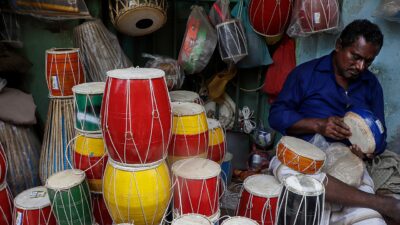
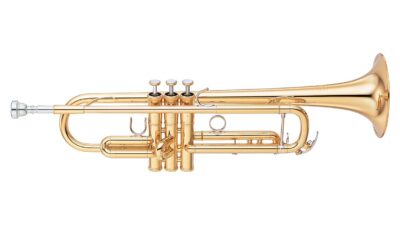
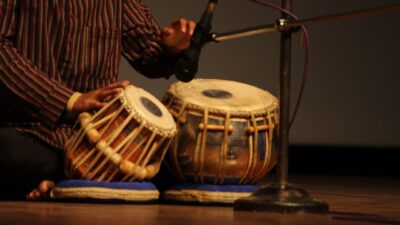
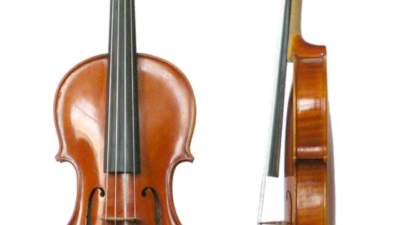
सी. रामचंद्र की यह रचना उस लोक-नृत्य शैली का उत्कृष्ट उदाहरण है जिसे उन्होंने 1940 के बम्बई में अपने तरीके से विकसित किया था। ढोलक की ताल पर टिकी यह धुन — केहरवा की लोकप्रिय छाप लिए — गाँव के उत्सव की सीधी, निर्बाध ऊर्जा से भरपूर है। मुखड़े की स्वर-रचना सरल है, पर एक बार सुनते ही मन में घर कर लेती है। अंतरे में तुरही की फुंकार, बीच-बीच में बेला की लहर, और हारमोनियम की हल्की गूँज — सब मिलकर एक ऐसा संगीत-संसार रचते हैं जो न बहुत ज़मीन से ऊपर उठता है न बेवजह शास्त्रीय बनने की कोशिश करता है। शमशाद बेगम की आवाज़ इस सबमें एक पत्थर की तरह मज़बूत, साफ़, और ज़रा भी लाड़-लड़ाने से परे है।
अंग्रेज़ी में पढ़ें · Read in English
C. Ramchandra's composition for 'Gore Gore O Banke Chhore' is a masterclass in the light folk-dance idiom he pioneered in 1940s Bombay. The song runs on a brisk dholak-led rhythm — Keherwa-influenced, full of the percussive punch of village festivity. The melodic line itself is deceptively simple: a rising-and-falling phrase that catches in the memory after one hearing. Trumpet fanfares punctuate the antara, violin weaves between the phrases, and harmonium provides the harmonic cushion. Ramchandra was known for his Western-flavoured arrangements, but here he tilts deliberately toward folk India, giving the song its earthy, direct energy. Shamshad Begum's voice — powerful, centered, without a trace of affectation — is perfectly paired with this register. She does not embellish unnecessarily; the melody is the argument, and she lets it stand.
काव्य The Poetry
राजिंदर कृष्ण का यह गीत ब्रज-हिंदी की लोक-काव्य परंपरा से निकला है जहाँ नायिका न झिझकती है, न इनकार करती है — सीधे बोलती है। 'गोरे गोरे ओ बाँके छोरे' — पहले शब्दों में ही वो अपने संवाद की बागडोर थाम लेती है। 'मोसे' (मुझसे), 'काहे' (क्यों) जैसे ब्रज रूप इस गीत को हवेली की शायरी से नहीं, गाँव के मेले के मैदान से जोड़ते हैं। कृष्ण की यह विशेषता थी — वो हास्य के भीतर भाव छुपाना जानते थे, और यह गीत उनकी इसी कला का एक सुंदर नमूना है।
अंग्रेज़ी में पढ़ें · Read in English
Rajinder Krishan's lyric operates in the Braj-Hindi folk register — a nayika (heroine) who is neither shy nor coy but boldly addresses her admirer. The opening vocative 'Gore gore o banke chhore' ('O fair, dashing young man') sets the tone: she names him, claims the conversational initiative, and immediately challenges his gaze. The use of Braj forms ('mose' for mujhse, 'kahe' for kyun) grounds the lyric in village festivity rather than courtly ghazal, making the playfulness feel natural and immediate. Krishan was skilled at this register — the comedy that contains real feeling — and this song is among his finest examples of the genre.
कहानी The Story
१९४९ में रमेश सैगल की फ़िल्म 'समाधि' (अशोक कुमार और नलिनी जयवंत अभिनीत) एक लोकप्रिय मनोरंजक फ़िल्म थी। सी. रामचंद्र उन दिनों बॉम्बे के सबसे व्यस्त संगीतकारों में थे — एक साथ कई फ़िल्मों की धुनें बनाते हुए। 'समाधि' के गीतों में 'गोरे गोरे ओ बाँके छोरे' सबसे अधिक लोकप्रिय हुआ और समय के साथ सबसे ज़्यादा याद रखा गया। शमशाद बेगम इस दौर में रामचंद्र की पसंदीदा गायिका थीं ऊर्जा-भरे नृत्य-गीतों के लिए — उनकी आवाज़ में वो शक्ति और लय-बद्धता थी जो ऐसी रचनाओं के लिए ज़रूरी थी। रिकॉर्डिंग तब बम्बई के स्टूडियो में होती थी जहाँ पूरे ऑर्केस्ट्रा के साथ एक रिहर्सल और फिर एक लाइव टेक — यही वो जीवंतता है जो इस गीत में आज भी सुनाई देती है।
अंग्रेज़ी में पढ़ें · Read in English
Samadhi (1949), directed by Ramesh Saigal and starring Ashok Kumar and Nalini Jaywant, was a popular entertainer of its day. C. Ramchandra was at the height of his prolific run through the late 1940s, composing for multiple films simultaneously. For Samadhi he created a range of songs, of which 'Gore Gore O Banke Chhore' became by far the most beloved and enduring. Shamshad Begum was Ramchandra's preferred vocalist for high-energy dance numbers in this period — she had the power and the rhythmic precision his compositions demanded. The song was recorded in Bombay's studios in the characteristic style of the era: a single rehearsal with the full orchestra, then a live take with the singer. The result is that live, unselfconscious energy that studio-perfect modern recordings rarely recapture.
विरासत The Legacy
'गोरे गोरे ओ बाँके छोरे' हिंदी सिनेमा के स्वर्णिम युग के सबसे चहेते उत्सव-गीतों में से एक बन गया है। पुराने बॉलीवुड की संगीत-संध्याओं से लेकर रेडियो की पुरानी यादों तक — यह गीत हर जगह मौजूद रहता है। यह गीत सी. रामचंद्र की विलक्षण विविधता का भी प्रमाण है — वही संगीतकार जिसने लता मंगेशकर के लिए दिल को छूने वाली धुनें बनाईं, उसने शमशाद बेगम के लिए यह बेलगाम, उल्लास-भरा लोक-नृत्य गीत भी रचा। यह 1940 के दशक के उस 'फ़ोक-पॉप' संगीत का एक प्रतिनिधि उदाहरण है जो अगले दशक में शास्त्रीय प्रभाव बढ़ने से पहले बम्बई सिनेमा की पहचान था।
अंग्रेज़ी में पढ़ें · Read in English
'Gore Gore O Banke Chhore' has become one of the most-played festive dance numbers from the Golden Era of Hindi cinema. It is a fixture at nostalgic old-Bollywood evenings, radio retrospectives, and is instantly recognized across generations who grew up hearing it at weddings and melas. The song also stands as a document of C. Ramchandra's extraordinary range — the same composer who wrote haunting melodies for Lata Mangeshkar also wrote this raucous, joyful folk-dance number for Shamshad Begum, proof of his mastery across moods. It is one of the definitive examples of the 'folk-pop' sound that Bombay cinema developed in the late 1940s before the heavier classical influence of the 1950s took over.
वर्गीकरण
Classification- Tempo
- Fast
Genre
अन्य विवरण
More Details- Hindi Film Geet Kosh, Vol. III (1949–1956), Har Mandir Singh 'Hamraaz'
- Wikipedia: Samadhi (1949 film)
- Wikipedia: C. Ramchandra
- Wikipedia: Shamshad Begum
- Wikipedia: Rajinder Krishan
- Saregama archive catalogue listings
References
रोचक तथ्य
Margin Notesयह गीत सी. रामचंद्र की सबसे बड़ी व्यावसायिक हिट्स में से एक है और आज भी उदासीन बॉलीवुड-युग की प्लेलिस्टों और टेलीविज़न पूर्वावलोकनों में उपयोग किया जाता है।
अंग्रेज़ी में पढ़ें · Read in English
The song is one of C. Ramchandra's biggest commercial hits and is still used in nostalgic Bollywood-era playlists and television retrospectives.
शमशाद बेगम की आवाज़ इलेक्ट्रॉनिक पश्च-प्रसंस्करण के बिना रिकॉर्ड की गई थी — जो आप सुनते हैं वह पूर्ण वाद्यवृंद के साथ एक ही स्वच्छ टेक है।
अंग्रेज़ी में पढ़ें · Read in English
Shamshad Begum's voice was recorded without electronic post-processing — what you hear is a single clean take with full orchestra.
गीत में ब्रज बोली के शब्द ('मोसे', 'काहे') इसे एक ग्रामीण लोक चरित्र देते हैं जो जान-बूझकर उसी युग के उर्दू-प्रधान फिल्मी गीतों से भिन्न रचा गया था।
अंग्रेज़ी में पढ़ें · Read in English
The Braj dialect words ('mose', 'kahe') in the lyric give the song a rural folk character that was deliberately distinct from the Urdu-heavy film songs of the same era.
फिल्म समाधि (1949) में अशोक कुमार और नलिनी जयवंत एक रोमांचक कथानक में मुख्य भूमिकाओं में थे, जिससे यह हल्का लोक-नृत्य गीत फिल्म के भीतर एक दिलचस्प भावनात्मक विरोधाभास बन जाता है।
अंग्रेज़ी में पढ़ें · Read in English
The film Samadhi (1949) starred Ashok Kumar and Nalini Jaywant in a thriller plot, making this light folk-dance number an interesting tonal contrast within the film.
नमूना-पट्टी
The Specimen Table| शीर्षक | गोरे गोरे ओ बाँके छोरे · Gore Gore O Banke Chhore |
|---|---|
| वर्ष · युग | 1949 — Golden Era |
| गायक | Shamshad Begum |
| गीतकार | राजिंदर कृष्ण |
| संगीतकार | C. Ramchandra |
| स्वरूप | एकल महिला |
| गति | तेज़ |
| अवधि | 3:20 |
| भाषा | Hindi · Braj |
| वाद्य | dholak · harmonium · trumpet · tabla · violin |
| भाव | उत्सव · छेड़-छाड़ · चुलबुला |
| लोकप्रियता | Very_popular |
| बोल-स्थिति | केवल झलक |
जुड़े हुए पन्ने
Connected Plates · The Graph Made Visibleअटलस में कोई पन्ना अकेला नहीं — इस गीत से जुड़े गीत, कलाकार, फ़िल्म, राग-ताल-विधा, सब यहाँ से खुलते हैं।
मिलते-जुलते गीत · Related Songs
कलाकार · The Artists
युग · The Era
साझा कीजिए · Share this Plate
यह पन्ना आगे बढ़ाइए
शमशाद बेगम की आवाज़ में एक ऐसी सीधाई थी जिसे किसी सज्जावट की ज़रूरत नहीं थी — और 'गोरे गोरे' इसका सबसे बड़ा सबूत है।
Shamshad Begum's voice had a directness that no artifice could improve — and 'Gore Gore' proves it.
— Music historian's observation on Shamshad Begum's style
सवाल-जवाब
Questions & Answers'गोरे गोरे ओ बाँके छोरे' किस फ़िल्म का गाना है? · Which film is 'Gore Gore O Banke Chhore' from?
'गोरे गोरे ओ बाँके छोरे' १९४९ की हिंदी फ़िल्म 'समाधि' का गीत है। इसे रमेश सैगल ने निर्देशित किया था, संगीत सी. रामचंद्र (चितलकर) का था और गाने वाली शमशाद बेगम थीं।
'Gore Gore O Banke Chhore' is from the 1949 Hindi film Samadhi, directed by Ramesh Saigal. Music was composed by C. Ramchandra (Chitalkar) and it was sung by Shamshad Begum.
'गोरे गोरे ओ बाँके छोरे' किसने गाया है? · Who sang 'Gore Gore O Banke Chhore'?
इस मशहूर लोक-नृत्य गीत को शमशाद बेगम ने गाया था। यह उनके सबसे लोकप्रिय गीतों में से एक बन गया और आज भी पीढ़ी-दर-पीढ़ी सभी को पहचान में आता है।
Shamshad Begum sang this iconic folk-dance song. It became one of her most popular recordings and remains instantly recognizable across generations.
'गोरे गोरे ओ बाँके छोरे' किस भाषा में है? · What language is 'Gore Gore O Banke Chhore' in?
यह गीत हिंदी में है लेकिन ब्रज बोली का गहरा प्रभाव है — 'मोसे', 'काहे', 'छोरे' जैसे शब्द मथुरा-आगरा क्षेत्र की लोक-काव्य परंपरा से आते हैं।
The song is in Hindi with strong Braj dialect influences — words like 'mose' (mujhse), 'kahe' (kyun), and 'chhore' (young man) are characteristic of Braj folk poetry from the Mathura-Agra region.
'गोरे गोरे ओ बाँके छोरे' आज भी क्यों लोकप्रिय है? · Why is 'Gore Gore O Banke Chhore' still popular?
शमशाद बेगम की बुलंद आवाज़, सी. रामचंद्र की लोक-आधारित धुन, और एक लड़की के बाँके छोरे को निर्भयता से छेड़ने की कहानी — ये तीनों मिलकर इस गीत को हर पीढ़ी के लिए ताज़ा बनाए रखते हैं। विवाह-उत्सवों में यह गीत अभी भी बजता है।
The combination of Shamshad Begum's powerful voice, C. Ramchandra's folk-rooted composition, and the timeless universality of a girl boldly teasing a handsome young man gives the song a freshness that hasn't faded. It is also a favourite at weddings and festive events.