कहानियाँ विंग · कहानी · Music History · 1938
गोपाल कृष्ण: प्रभात की भक्ति-परंपरा, संत तुकाराम के बाद
Gopal Krishna: Prabhat's Bhakti Tradition After Sant Tukaram
प्रकाशित21 June 2026
आमुख
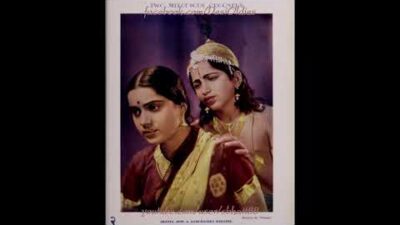
1936 की 'संत तुकाराम' के बाद प्रभात की दामले-फ़त्तेलाल जोड़ी 1938 में फिर भक्ति की ओर लौटी। 'गोपाल कृष्ण' गोकुल के बाल कृष्ण की कथा है, जिसमें अत्याचारी कंस के विरुद्ध प्रतिरोध का स्वर अंग्रेज़ी राज की ओर इशारा करता है — और मास्टर कृष्णराव का भजन-कीर्तन-शैली संगीत उसकी आत्मा है।
अंग्रेज़ी में पढ़ें · Read in English
After Sant Tukaram (1936), Prabhat's Damle-Fattelal pair turned back to bhakti in 1938. Gopal Krishna tells of the boy Krishna of Gokul, its note of resistance to the tyrant Kamsa pointing toward British rule — and Master Krishnarao's bhajan-and-kirtan-style music is its soul.
तुकाराम के बाद, फिर भक्ति की ओर
After Tukaram, back toward bhakti1936 में बनी 'संत तुकाराम' ने प्रभात फ़िल्म कंपनी को 1937 में वेनिस फ़िल्म फ़ेस्टिवल तक पहुँचाया — वही पहली भारतीय फ़िल्म जिसे अंतरराष्ट्रीय पहचान मिली। उसकी जोड़ी, वी.जी. दामले और शेख़ फ़त्तेलाल, 1938 में फिर भक्ति की ओर लौटी। 'गोपाल कृष्ण' उनके इसी विश्वास का विस्तार था — कि संत और भगवान की कथा भी आम जन की कथा है, चमत्कार की नहीं।
अंग्रेज़ी में पढ़ें · Read in English
Sant Tukaram, made in 1936, carried Prabhat Film Company to the Venice Film Festival in 1937 — the first Indian film to win international recognition. Its directing pair, V. G. Damle and Sheikh Fattelal, turned back toward bhakti in 1938. Gopal Krishna extended that same faith of theirs: that the story of a saint or a god is also the story of ordinary people, not of miracles.
गोकुल का बालक, और कंस का अत्याचार
The boy of Gokul, and the tyranny of Kamsaशिवराम वाशीकर की पटकथा गोकुल के बाल कृष्ण को केंद्र में रखती है — यशोदा और नंद के घर पलता, ग्वालों के संग गायें चराता बालक। पर यह केवल पौराणिक कथा नहीं। 1938 का भारत अंग्रेज़ी राज से जल रहा था, और दामले-फ़त्तेलाल ने अत्याचारी कंस के विरुद्ध बालक कृष्ण की कथा को संवादों के ज़रिए उस आक्रोश का रूपक बना दिया।
अंग्रेज़ी में पढ़ें · Read in English
Shivram Vashikar's screenplay keeps the boy Krishna of Gokul at its centre — a child raised in the house of Yashoda and Nanda, herding cattle with the cowherds. Yet this is not mythology alone. The India of 1938 burned against British rule, and Damle and Fattelal made the boy Krishna's stand against the oppressive King Kamsa, mainly through dialogue, a metaphor for that resentment.
मास्टर कृष्णराव का संगीत
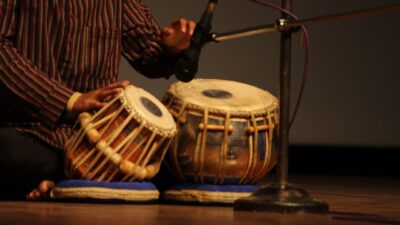
The music of Master Krishnaraoफ़िल्म का संगीत मास्टर कृष्णराव (कृष्णराव फुलंब्रीकर) का था, और यही उसकी जान बना। भजन-कीर्तन की लय में रचे गीत — जिनमें 'कान्हा सब को मोहे' जैसे टुकड़े आज भी याद किए जाते हैं — गोकुल की उस सरलता को परदे पर उतारते हैं। मराठी और हिंदी, दोनों में बनी यह फ़िल्म प्रभात की 1929 की पहली मूक फ़िल्म 'गोपाल कृष्ण' का सवाक् पुनर्निर्माण थी।
अंग्रेज़ी में पढ़ें · Read in English
The film's music was by Master Krishnarao (Krishnarao Phulambrikar), and it became its very soul. Songs cast in the cadence of bhajan and kirtan — pieces such as 'Kanha Sab Ko Mohe', remembered to this day — carried the simplicity of Gokul onto the screen. Made in both Marathi and Hindi, the film was a talkie remake of Prabhat's first-ever silent film, Gopal Krishna (1929).
परिचय
IdentityEpithet
The boy of Gokul, the tyranny of Kamsa, and a quiet resistance on screen
कहानी-नमूना
The Story Specimen| शीर्षक | गोपाल कृष्ण: प्रभात की भक्ति-परंपरा, संत तुकाराम के बाद · Gopal Krishna: Prabhat's Bhakti Tradition After Sant Tukaram |
|---|---|
| श्रेणी | Music History |
| प्रकार | विशेष लेख |
| प्रकाशित | 21 June 2026 — admin |
| वर्ष | 1938 |
और कहानियाँ
More Stories from the Atlas
साझा कीजिए · Share this Plate
यह पन्ना आगे बढ़ाइए
सवाल-जवाब
Questions & Answers'गोपाल कृष्ण' (1938) का निर्देशन किसने किया और इसका संगीत किसका था? · Who directed Gopal Krishna (1938) and who composed its music?
इसका निर्देशन प्रभात फ़िल्म कंपनी के लिए वी.जी. दामले और शेख़ फ़त्तेलाल ने किया — वही जोड़ी जिसने 'संत तुकाराम' (1936) बनाई थी। संगीत मास्टर कृष्णराव (कृष्णराव फुलंब्रीकर) का था।
It was directed by V. G. Damle and Sheikh Fattelal for Prabhat Film Company — the same pair who made Sant Tukaram (1936). The music was by Master Krishnarao (Krishnarao Phulambrikar).
क्या 'गोपाल कृष्ण' केवल एक पौराणिक भक्ति-फ़िल्म थी? · Was Gopal Krishna only a mythological bhakti film?
नहीं। बाल कृष्ण और गोकुल की भक्ति-कथा के नीचे एक राजनीतिक स्वर था — अत्याचारी कंस के विरुद्ध प्रतिरोध, जिसे फ़िल्मकारों ने मुख्यतः संवादों के ज़रिए स्वतंत्रता-पूर्व भारत में अंग्रेज़ी राज के प्रति जनभावना का रूपक बनाया।
No. Beneath the bhakti story of the boy Krishna and Gokul ran a political note — resistance to the tyrant Kamsa, which the filmmakers, mainly through dialogue, made a metaphor for Indian feeling against British rule in pre-independence India.