कहानियाँ विंग · कहानी · Music History · 1949
वह भूतिया गीत जिसने लता को ताज पहनाया: 'आएगा आनेवाला' और एक आवाज़ का जन्म
The Haunting That Crowned Lata: Aayega Aanewala and the Birth of a Voice
वह भूतिया गीत जिसने लता को ताज पहनाया: 'आएगा आनेवाला' और एक आवाज़ का जन्म
प्रकाशित18 June 2026
आमुख
1949 की सर्दियों में, बॉम्बे टॉकीज़ ने 'महल' प्रदर्शित किया — एक गॉथिक रोमांस जिसे कमाल अमरोही नाम के एक युवा कवि-फ़िल्मकार ने निर्देशित किया था, एक जर्जर लखनऊ हवेली में स्थापित, अशोक कुमार और एक सत्रह वर्षीया सुंदरी मधुबाला के साथ जिसने एक भूत की भूमिका निभाई। फ़िल्म की सबसे महत्त्वपूर्ण उपस्थिति अदृश्य थी: एक आवाज़।
अंग्रेज़ी में पढ़ें · Read in English
In the winter of 1949, Bombay Talkies released Mahal — a gothic romance directed by a young poet-filmmaker named Kamal Amrohi, set in a crumbling Lucknow mansion, starring Ashok Kumar and a seventeen-year-old beauty named Madhubala who played a ghost. The film's most important presence was invisible: a voice.
वह भूतिया गीत जिसने लता को ताज पहनाया: 'आएगा आनेवाला' और एक आवाज़ का जन्म
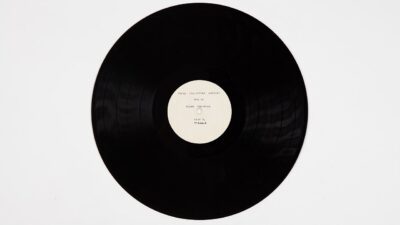
The Haunting That Crowned Lata: Aayega Aanewala and the Birth of a Voice1949 की सर्दियों में, बॉम्बे टॉकीज़ ने 'महल' प्रदर्शित किया — एक गॉथिक रोमांस जिसे कमाल अमरोही नाम के एक युवा कवि-फ़िल्मकार ने निर्देशित किया था, एक जर्जर लखनऊ हवेली में स्थापित, अशोक कुमार और एक सत्रह वर्षीया सुंदरी मधुबाला के साथ जिसने एक भूत की भूमिका निभाई। फ़िल्म की सबसे महत्त्वपूर्ण उपस्थिति अदृश्य थी: एक आवाज़। खेमचंद प्रकाश ने संगीत रचा था, और केंद्रीय नंबर के लिए — 'आएगा आनेवाला', आत्मा की पुकार जो महल के खाली गलियारों में मँडराती है — उन्होंने लता मंगेशकर को चुना, इंदौर की एक उन्नीस वर्षीया जो 1947 से मुंबई के फ़िल्म स्टूडियो में लगातार काम कर रही थीं। वे जानी जाती थीं; वे अभी तक वह आवाज़ नहीं बनी थीं। रचना स्वयं असाधारण थी। प्रकाश ने धुन चंद्रकौंस में सजाई, गहरे रात्रिकालीन रहस्य का राग — एक पंचस्वर पैमाना जो कुछ स्वरों को छोड़कर निलंबन और अवास्तविकता का वातावरण बनाता है। उनके वाद्य-विन्यास ने स्वर-रेखा के चारों ओर सरकते तारों की परतें बनाईं जैसे अंधेरे गलियारों में झलकी किसी आकृति के चारों ओर कोहरा। उन्होंने लता को एक ऐसी धुन दी जिसके लिए शक्ति नहीं बल्कि तैरने की ज़रूरत थी — किसी ऐसी चीज़ की आवाज़ जो अवस्थाओं के बीच मौजूद है, न पूरी तरह यहाँ न पूरी तरह जाई हुई। लता ने रिकॉर्ड किया। तब बॉम्बे टॉकीज़ ने एक निर्णय लिया जिसने लगभग उन्हें इस कहानी से मिटा दिया: फ़िल्म गायिका के रूप में राजकुमारी — स्टूडियो की प्रतिष्ठित आवाज़ — का श्रेय देते हुए प्रदर्शित हुई। यह व्यावसायिक प्रवृत्ति थी। यह एक ग़लती भी थी जो लगभग तीन हफ़्ते चली। रेडियो सीलोन ने गीत प्रसारित किया। ऑल इंडिया रेडियो ने प्रसारित किया। और श्रोताओं ने — सैकड़ों, फिर हज़ारों — पत्र लिखे, तार भेजे, रिकॉर्ड की दुकानों पर पूछा: वह आवाज़ कौन है? राजकुमारी का गर्म, गोल वाद्य नहीं। कुछ और। कुछ निःशरीर, क्रिस्टलीय, असंभव रूप से शुद्ध। गायिका का नाम जानने की माँग एक सांस्कृतिक घटना बन गई। जब लता मंगेशकर की पहचान और श्रेय आख़िरकार हुआ, वे पहले से ही एक घटना थीं। सिर्फ़ एक लोकप्रिय रिकॉर्ड बनाने वाली गायिका नहीं — एक उपस्थिति जिसे श्रोताओं ने महसूस किया कि वे बिना जाने तलाश कर रहे थे।
अंग्रेज़ी में पढ़ें · Read in English
In the winter of 1949, Bombay Talkies released Mahal — a gothic romance directed by a young poet-filmmaker named Kamal Amrohi, set in a crumbling Lucknow mansion, starring Ashok Kumar and a seventeen-year-old beauty named Madhubala who played a ghost. The film's most important presence was invisible: a voice.
Khemchand Prakash had composed the score, and for the central number — 'Aayega Aanewala', the ghost's call that drifts through the empty corridors of the mahal — he chose Lata Mangeshkar, a nineteen-year-old from Indore who had been working steadily in Bombay film studios since 1947. She was known; she was not yet The Voice.
The composition itself was extraordinary. Prakash set the melody in Chandrakauns, a raga of profound nocturnal mystery — a pentatonic scale that by omitting certain notes creates an atmosphere of suspension and unreality. His orchestration built layers of gliding strings around the vocal line like mist around a figure glimpsed in dark corridors. He gave Lata a melody that required not power but floating — the voice of something that exists between states, neither fully here nor fully gone.
Lata recorded it. Then Bombay Talkies made a decision that nearly erased her from this story: the film was released crediting Rajkumari, the established voice of the studio, as the singer. This was commercial instinct — Rajkumari's name would carry audiences in a way that Lata Mangeshkar's would not. It was also a mistake that lasted about three weeks.
Radio Ceylon broadcast the song. All India Radio broadcast it. It was played in drawing rooms and at public events. And listeners — hundreds, then thousands of them — wrote letters, sent telegrams, and asked at record shops: who is that voice? Not Rajkumari's warm, rounded instrument. Something else. Something disembodied, crystalline, impossibly pure.
The demand to know the singer's name became a cultural event. When Lata Mangeshkar was finally identified and credited, she was already a phenomenon. Not just a singer who had made a popular record — a presence that listeners felt they had been searching for without knowing it.
Khemchand Prakash died the following year, 1950, aged around fifty. Mahal and 'Aayega Aanewala' are his testament. Kamal Amrohi would go on to make Pakeezah (completed 1972), one of the most beautiful films in world cinema. Madhubala would become the most famous face in Indian film history. And Lata Mangeshkar would record tens of thousands of songs across seven decades, the dominant feminine voice of the world's most prolific film industry.
It began with a ghost, a haunted house, and a melody that asked: will the one who is coming ever come?
परिचय
IdentityEpithet
वह भूतिया गीत जिसने लता को ताज पहनाया: 'आएगा आनेवाला' और एक आवाज़ का जन्म
The Haunting That Crowned Lata: Aayega Aanewala and the Birth of a Voice
कहानी-नमूना
The Story Specimen| शीर्षक | वह भूतिया गीत जिसने लता को ताज पहनाया: 'आएगा आनेवाला' और एक आवाज़ का जन्म · The Haunting That Crowned Lata: Aayega Aanewala and the Birth of a Voice |
|---|---|
| श्रेणी | Music History |
| प्रकार | Landmark Song |
| प्रकाशित | 18 June 2026 — admin |
| वर्ष | 1949 |
| टैग | lata-launch · mahal-1949 · khemchand-prakash · haunting · golden-era-birth · film-music-history |
इस कहानी में
In This Story · The Cast & Its Platesकहानी में आए नामों के अटलस में अपने पन्ने हैं — यहीं से यात्रा जारी रखिए।
फ़िल्में-सूत्र · Films
कलाकार-सूत्र · Artists
और कहानियाँ
More Stories from the Atlas
साझा कीजिए · Share this Plate