गीत विंग · गीत-पट्टिका · Song Plate
वो दिन बिसर ही नहीं मोरे राजा
Wo Din Bisar Hi Nahi More Raja
वो दिन बिसरते ही नहीं, मोरे राजा — पड़ोसी की एक विषादपूर्ण स्मृति।
भावमीठा-कड़वा · उदास · पुरानी यादें
भाषाhindi गतिधीमी स्वरूपएकल महिला
श्रेय
The Creditsसूत्र-वाक्य · The Hook
सूत्र-वाक्य
वो दिन बिसरते ही नहीं, मोरे राजा — पड़ोसी की एक विषादपूर्ण स्मृति।
In EnglishThose days I just cannot forget, my beloved — a wistful remembrance from Padosi.
पट्टिका-लेख
The Monographपरिचय Overview
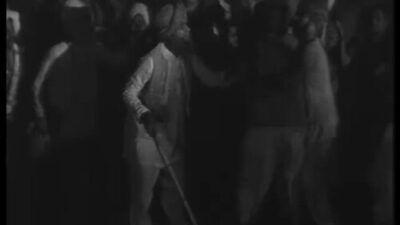
'वो दिन बिसर ही नहीं मोरे राजा' वी. शांताराम की 'पड़ोसी' (1941) का एक गीत है, संगीत मास्टर कृष्णाराव का और बोल पंडित सुदर्शन के। न भूलने वाले दिनों के बारे में एक विषादपूर्ण रचना, यह फ़िल्म के शोकपूर्ण धागे को गहरा करती है — समुदायों के बीच टूटते बंधनों पर शोक करती कहानी के लिए एक उपयुक्त स्वर। देखे गए स्रोतों में इसका गायक श्रेय दर्ज नहीं है।
अंग्रेज़ी में पढ़ें · Read in English
'Wo Din Bisar Hi Nahi More Raja' is a song from V. Shantaram's Padosi (1941), with music by Master Krishnarao and lyrics by Pandit Sudarshan. A wistful number about days that cannot be forgotten, it deepens the film's elegiac thread — a fitting register for a story mourning the fraying bonds between communities. Its singer credit is not documented in the sources consulted.
काव्य The Poetry
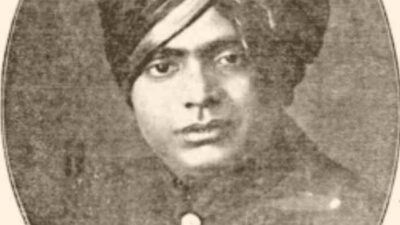
पुरानी क्रिया 'बिसर ही नहीं' — 'बिसारना' से, भूल जाना — उस अवधी-ब्रजभाषा परत से आती है जिसे वी. शांताराम की प्रभात फ़िल्में नियमित रूप से अपनाती थीं। पंडित सुदर्शन की काव्य-भाषा हिंदी साहित्य-परंपरा में पढ़ी-लिखी थी: उन्होंने महात्मा गाँधी के आयोग पर पाठ्यपुस्तकें लिखीं, उनकी कहानियाँ स्कूलों में पढ़ाई गईं, और उनके सिकंदर (1941) के संवाद को पुस्तक के रूप में प्रकाशित किया गया। पड़ोसी के लिए सुदर्शन ने अपनी ब्रजभाषा-रंगत काव्य-भाषा को फ़िल्म के शोकपूर्ण उद्देश्य के अनुरूप ढाला। 'मोरे राजा' — मेरे राजा / मेरे प्रभु — एक ब्रजभाषा आत्मीय संबोधन है जो वक्ता को श्रद्धा या पुरानी कोमलता के संबंध में रखता है। फ़िल्म दो पड़ोसियों की है जिनकी दोस्ती सांप्रदायिक दबाव में टूट जाती है — और न भूलने वाले दिनों की टेक उसी दोस्ती का मर्सिया है।
अंग्रेज़ी में पढ़ें · Read in English
The archaic verb 'bisar hi nahi' — from 'bisarana', to forget — belongs to the Avadhi-Brajbhasha layer of Hindi that V. Shantaram's Prabhat films consistently drew upon. Pandit Sudarshan's lyric language was schooled in the Hindi literary tradition: he wrote textbooks commissioned by Mahatma Gandhi, his fiction was taught in schools, and his dialogue for Sikandar (1941) was acclaimed enough to be published as a book. For Padosi, Sudarshan shaped his Brajbhasha-inflected lyric to the film's elegiac purpose. 'More Raja' — my king / my lord — is a Brajbhasha term of intimate address, placing the speaker in a relationship of devotion or nostalgic tenderness. The song's mood — days that simply cannot be let go — functions as the film's memory thread: Padosi is a story of two neighbours whose friendship disintegrates under communal pressure, and the refrain of unforgettable days is a dirge for that friendship.
कहानी The Story
पड़ोसी (1941) का निर्देशन वी. शांताराम ने प्रभात फ़िल्म कंपनी, पुणे के लिए किया — और यह वह अंतिम फ़िल्म थी जो उन्होंने अपना राजकमल कालामंदिर स्थापित करने से पहले प्रभात के लिए बनाई। मराठी में 'शेजारी' नाम से भी रिलीज़ हुई इस फ़िल्म में दो पड़ोसियों की कहानी थी — एक हिंदू, एक मुसलमान — जिनकी जीवन भर की दोस्ती उनके समुदायों की सांप्रदायिक हिंसा में बर्बाद हो जाती है। इसे भारतीय सिनेमा के स्वतंत्रता-पूर्व काल की महत्वपूर्ण सामाजिक-यथार्थवादी फ़िल्मों में से एक माना जाता है। मास्टर कृष्णाराव ने महाराष्ट्रीय शास्त्रीय और लोक स्रोतों पर आधारित संगीत रचा। 'वो दिन बिसर ही नहीं मोरे राजा' अनीस ख़ातून और बलवंत सिंह ने गाया — पड़ोसी की संगीत-पट्टी के दो दर्ज गायक। यह गीत फ़िल्म की भावनात्मक धुरी है — वह अतीत जिसे छोड़ा नहीं जा सकता, उस वर्तमान के सामने गाया गया जो उसे नष्ट कर रहा है।
अंग्रेज़ी में पढ़ें · Read in English
Padosi (1941) was directed by V. Shantaram for Prabhat Film Company, Pune — and was the last film he made for Prabhat before leaving to found his own Rajkamal Kalamandir. The film, also released in Marathi as Shejari, told the story of two neighbours — one Hindu, one Muslim — whose lifelong friendship is destroyed by the communal violence of their communities. It is considered one of the significant social-realist films of Indian cinema's pre-independence period. Master Krishnarao composed a score that drew on Maharashtrian classical and folk sources. 'Wo Din Bisar Hi Nahi More Raja' was sung by Anees Khatoon and Balwant Singh, two of the singers documented for the Padosi score. The song functions as the film's emotional hinge — the past that cannot be released, sung against the present that is destroying it.
विरासत The Legacy
पड़ोसी (1941) को भारतीय सिनेमा के इतिहास-लेखन में वी. शांताराम की प्रमुख कृतियों में से एक और हिंदू-मुसलमान सांप्रदायिक तनाव को उस दौर के लिए असामान्य सीधेपन से उठाने वाली फ़िल्म के रूप में नियमित रूप से चर्चित किया जाता है। इसके गीत 78-आरपीएम के बचे हुए रूप में दर्ज हैं। फ़िल्म की प्रतिष्ठा को दशकों तक विद्वत्तापूर्ण और आलोचनात्मक ध्यान मिला: इसे भारतीय फ़िल्म-अध्ययन में उन सांप्रदायिक-सौहार्द फ़िल्मों का अग्रदूत बताया जाता है जो विभाजन-पश्चात काल में बहुतायत से बनीं। 'वो दिन बिसर ही नहीं' पड़ोसी के गीत-अभिलेख में सूचीबद्ध है और hindilyrics4u पर सुलभ है।
अंग्रेज़ी में पढ़ें · Read in English
Padosi (1941) is consistently discussed in histories of Indian cinema as one of V. Shantaram's key works and as a film that addressed Hindu-Muslim communal tension with unusual directness for its era. Its songs are documented in surviving 78-rpm form. The film's reputation sustained scholarly and critical attention through the decades: it is cited in Indian film studies as a predecessor to the communal-harmony films that proliferated in the post-Partition period. 'Wo Din Bisar Hi Nahi' is listed in the Padosi song record and is accessible on the hindilyrics4u platform, making it among the better-preserved of the film's documented numbers.
वर्गीकरण
Classification- Tempo
- Slow
Genre
अन्य विवरण
More Details- https://en.wikipedia.org/wiki/Padosi
- https://www.hindilyrics4u.com/song/wo_din_bisar_hi_nahi_more_raja.htm
- https://www.hindigeetmala.net/movie/padosi.htm
- https://www.cinemaazi.com/people/ptsudarshannew
- https://atulmovies.wordpress.com/2012/06/12/padosi-1941/
References
रोचक तथ्य
Margin Notesपड़ोसी (1941) वी. शांताराम द्वारा प्रभात फ़िल्म कंपनी, पुणे के लिए बनाई गई अंतिम फ़िल्म थी, इससे पहले कि वे राजकमल कलामंदिर की स्थापना के लिए वहाँ से अलग हुए — यह भारतीय सिनेमा के सबसे गौरवशाली स्टूडियो में से एक के एक युग के अंत का प्रतीक था।
अंग्रेज़ी में पढ़ें · Read in English
Padosi (1941) was the last film V. Shantaram made for the Prabhat Film Company, Pune, before leaving to found Rajkamal Kalamandir — marking the end of an era for one of Indian cinema's most storied studios.
फ़िल्म एक साथ मराठी में 'शेजारी' के नाम से भी रिलीज़ हुई, जो प्रभात की निरंतर द्विभाषी-निर्माण रणनीति को दर्शाता है, जो उन्हें विशुद्ध हिंदी-भाषी बॉम्बे स्टूडियो से अलग करती थी।
अंग्रेज़ी में पढ़ें · Read in English
The film was simultaneously released in Marathi as Shejari, reflecting Prabhat's consistent bilingual-production strategy that distinguished them from purely Hindi-language Bombay studios.
'वो दिन बिसर ही नाहीं मोरे राजा' को अनीस ख़ातून और बलवंत सिंह द्वारा गाया गया दर्ज किया गया है — ये दोनों पड़ोसी के संगीत के लिए सूचीबद्ध छह गायकों में से थे, बाकी में कृष्णराव, बालकराम, गोपाल और मुलिया शामिल थे।
अंग्रेज़ी में पढ़ें · Read in English
'Wo Din Bisar Hi Nahi More Raja' was documented as being sung by Anees Khatoon and Balwant Singh, two of the six singers listed for the Padosi score alongside Krishnarao, Balakram, Gopal, and Mulia.
गीत लिखने वाले पंडित सुदर्शन ने उसी वर्ष सोहराब मोदी की सिकंदर (1941) के संवाद भी लिखे — एक ऐसी पटकथा जो इतनी सराही गई कि उसे पुस्तक के रूप में प्रकाशित किया गया, जो 1940 के दशक में किसी भारतीय फ़िल्म-पटकथा को मिले इस सम्मान के दुर्लभ उदाहरणों में से एक है।
अंग्रेज़ी में पढ़ें · Read in English
Pandit Sudarshan, who wrote the lyrics, also wrote the dialogues for Sohrab Modi's Sikandar (1941) the same year — a script acclaimed enough to be published as a book, one of the rare instances of an Indian film script receiving that honour in the 1940s.
नमूना-पट्टी
The Specimen Table| शीर्षक | वो दिन बिसर ही नहीं मोरे राजा · Wo Din Bisar Hi Nahi More Raja |
|---|---|
| फ़िल्म | पड़ोसी · 1941 |
| वर्ष · युग | 1941 |
| गायक | Anees Khatoon, Balwant Singh |
| गीतकार | Pandit Sudarshan |
| संगीतकार | Master Krishnarao |
| स्वरूप | एकल महिला |
| गति | धीमी |
| भाषा | hindi |
| भाव | मीठा-कड़वा · उदास · पुरानी यादें |
| लोकप्रियता | Known |
| बोल-स्थिति | केवल झलक |
जुड़े हुए पन्ने
Connected Plates · The Graph Made Visibleअटलस में कोई पन्ना अकेला नहीं — इस गीत से जुड़े गीत, कलाकार, फ़िल्म, राग-ताल-विधा, सब यहाँ से खुलते हैं।
मिलते-जुलते गीत · Related Songs
कलाकार · The Artists
फ़िल्म · The Film
साझा कीजिए · Share this Plate