गीत विंग · गीत-पट्टिका · Song Plate
उड़ जा उड़ जा पंछी
Ud Ja Ud Ja Panchhi
'उड़ जा उड़ जा पंछी' — वह दुर्लभ युगल गीत जहाँ संगीतकार ग़ुलाम हैदर अपनी युवा सितारे के साथ माइक पर आते हैं।
भावमीठा-कड़वा · प्रेरणादायक
भाषाhindi-urdu गतिमध्यम स्वरूपयुगल
श्रेय
The Creditsसूत्र-वाक्य · The Hook
सूत्र-वाक्य
'उड़ जा उड़ जा पंछी' — वह दुर्लभ युगल गीत जहाँ संगीतकार ग़ुलाम हैदर अपनी युवा सितारे के साथ माइक पर आते हैं।
In English'Fly away, fly away, bird' — the rare duet where composer Ghulam Haider joins his young star at the mic.
पट्टिका-लेख
The Monographपरिचय Overview
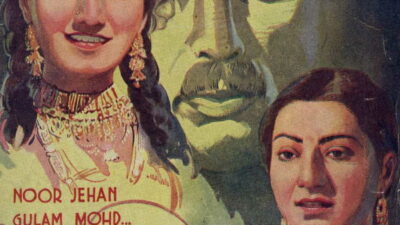
'ख़ानदान' (1942) का एक युगल गीत जो नूर जहाँ और संगीत निर्देशक ग़ुलाम हैदर — जो कभी-कभी अपनी रचनाओं को अपनी आवाज़ देते थे — को श्रेय दिया गया है। उड़ान भरते पंछी की छवि पर रचा, यह गीत फ़िल्म की संगीत-सूचियों में दर्ज है और हैदर को गायक रूप में अपनी उभरती सितारे के साथ जोड़ने वाली कुछ दुर्लभ रिकॉर्डिंगों में उल्लेखनीय है।
अंग्रेज़ी में पढ़ें · Read in English
A duet from Khandaan (1942) credited to Noor Jehan and music director Ghulam Haider himself, who occasionally lent his own voice to his compositions. Built on the image of a bird taking flight, the song is documented across the film's soundtrack listings and is notable as one of the few recordings pairing Haider as singer with his rising star.
संगीत The Music
ग़ुलाम हैदर युगल गीत को ऊँची उड़ान भरती 'उड़ जा' टेक के इर्द-गिर्द गढ़ते हैं, मध्यम-लय, लोक-रंगी ताल पर अपनी गहरी आवाज़ को नूर जहाँ की युवा ऊँची लय के साथ बारी-बारी से रखते हुए। प्रश्न-उत्तर की संरचना संगीतकार और गायिका को पदबंध बदलने देती है, पंचोली सूची में एक असामान्य संरचनात्मक अंतरंगता।
अंग्रेज़ी में पढ़ें · Read in English
Ghulam Haider shapes the duet around the soaring 'fly away' refrain, alternating his deeper voice with Noor Jehan's youthful upper register over a medium-tempo, folk-tinged rhythm. The call-and-response structure lets composer and singer trade phrases, a structural intimacy unusual in the Pancholi catalogue.
काव्य The Poetry
पंछी (पक्षी) का आत्मा या तड़पते हृदय के प्रतिरूप के रूप में चित्रण भारत-फ़ारसी और पंजाबी लोक-काव्य परंपरा में गहरी जड़ें रखता है। सूफ़ी काव्य में परिंदा देह-पिंजरे में बंद आत्मा है, जिसे परमात्मा की ओर उड़ने के लिए प्रेरित किया जाता है या जो स्वयं उड़ना चाहती है। पंजाब के लोकगीतों में — वह स्रोत जहाँ से ग़ुलाम हैदर की संगीत-चेतना सबसे सीधे उपजती थी — पंछी को दूत या अपनी भावनाओं के प्रतिरूप के रूप में संबोधित किया जाता है। 'उड़ जा, उड़ जा, पंछी' की टेक एक हृदयद्रावक विरोधाभास रचती है: गाती आवाज़ जाने की प्रेरणा देती है, जबकि उसकी कोमलता सुनने वाले को वहीं बाँधे रखती है। जिस पंछी को संबोधित किया जा रहा है वह गायिका की अपनी उड़ान-चाहती आत्मा हो सकती है, या कोई प्रिय जिसे विदा किया जा रहा हो — यह छवि दोनों अर्थों को एक साथ थामती है। यह अस्पष्टता ही गीत की गीतात्मक शक्ति है — विदाई और आकांक्षा एक ही साँस में।
अंग्रेज़ी में पढ़ें · Read in English
The panchhi (bird) as a figure of the soul or longing heart runs deep in Indo-Persian and Punjabi folk-poetic traditions. In Sufi poetry the parinda is the soul caged in the body, urged or urging itself to fly toward the divine. In the Punjab's lok-geet (folk song) repertoire — the wellspring of Ghulam Haider's musical instincts — the bird is addressed as a messenger or alter-ego, carrying the restless heart's wishes across distances that the body cannot bridge. The refrain 'Ud ja, ud ja, panchhi' (fly away, fly away, bird) creates a poignant paradox: the singing voice urges departure while its very tenderness keeps the listener in place. The bird addressed might be the singer's own spirit being urged toward freedom, or a beloved being sent on a journey; the image sustains both readings simultaneously. This ambiguity is the song's lyrical strength — farewell and aspiration held in the same breath.
कहानी The Story
ख़ानदान (1942) पंचोली आर्ट पिक्चर्स, लाहौर की एक प्रतिष्ठित प्रस्तुति थी, जिसे शौकत हुसैन रिज़वी ने अपनी पहली निर्देशकीय कृति के रूप में बनाया — रिज़वी पंचोली की धमाकेदार हिट ख़ज़ानची (1941) के संपादक रह चुके थे। इमतियाज़ अली ताज द्वारा लिखी इस फ़िल्म में नूर जहाँ ने प्राण के सामने अपनी पहली वयस्क मुख्य भूमिका निभाई। ग़ुलाम हैदर, जो गुल-ए-बकावली (1939) में बचपन की भूमिका से ही नूर जहाँ के मार्गदर्शक रहे, ने पूरा संगीत रचा। गीत-लेखन तीन कवियों — एम. डी. तासीर, नज़ीम पानीपती और डी. एन. माधोक — में बाँटा गया; इस युगल का व्यक्तिगत श्रेय गीत-स्तर पर दर्ज नहीं है। ग़ुलाम हैदर का अपनी सितारे के साथ गाने का निर्णय असामान्य था; संगीतकार के रूप में वे मुख्य गायन शायद ही करते थे, जो इस रिकॉर्डिंग को उनकी संगीत-रचना और गायन-संवेदनाओं को एक साथ समेटने वाले चंद उदाहरणों में से एक बनाता है। फ़िल्म का अभूतपूर्व अग्रिम प्रचार हुआ और यह एक उल्लेखनीय व्यावसायिक सफलता बनी।
अंग्रेज़ी में पढ़ें · Read in English
Khandaan (1942) was a prestige production of Pancholi Art Pictures, Lahore, directed by Shaukat Hussain Rizvi in his directorial debut — Rizvi had previously been the editor on Pancholi's runaway hit Khazanchi (1941). The film, written by Imtiaz Ali Taj, was a Muslim social drama with Noor Jehan in her first adult leading role opposite Pran. Ghulam Haider, who had mentored Noor Jehan since her childhood appearance in Gul-E-Bakavali (1939), composed the full score. Lyric duties were divided among three poets — M.D. Taseer, Nazim Panipati, and D.N. Madhok — with no individual attribution surviving at song level for this duet. Ghulam Haider's decision to sing alongside his star was unusual; as a composer he rarely performed lead vocals, making this one of the few recordings that captures both Haider's compositional and vocal sensibilities together. The film was preceded by unprecedented advance publicity and became a significant commercial success.
वर्गीकरण
Classification- Tempo
- Medium
Genre
अन्य विवरण
More Details- https://en.wikipedia.org/wiki/Khandaan_(1942_film)
- https://en.wikipedia.org/wiki/Ghulam_Haider_(composer)
- https://en.wikipedia.org/wiki/Noor_Jehan
- https://upperstall.com/film/khandaan/
- bombaymann2.blogspot.com/2015/08/film-khandan1942.html
References
रोचक तथ्य
Margin Notesख़ानदान (1942) का निर्देशन शौकत हुसैन रिज़वी ने अपने निर्देशकीय पदार्पण में किया; वे इससे पहले पांचोली की अत्यधिक सफल फ़िल्म ख़ज़ांची (1941) के संपादक रह चुके थे।
अंग्रेज़ी में पढ़ें · Read in English
Khandaan (1942) was directed by Shaukat Hussain Rizvi in his directorial debut; he had previously been the editor on Pancholi's runaway hit Khazanchi (1941).
फ़िल्म का गीत-श्रेय तीन लेखकों — एम.डी. तासीर, नाज़िम पानीपती और डी.एन. मधोक — के बीच बँटा हुआ था, और इस विशेष गीत के लिए गीत-स्तर पर कोई व्यक्तिगत श्रेय दर्ज नहीं बचा है।
अंग्रेज़ी में पढ़ें · Read in English
The film's lyric credits were divided among three writers — M.D. Taseer, Nazim Panipati, and D.N. Madhok — with no individual attribution surviving at the song level for this track.
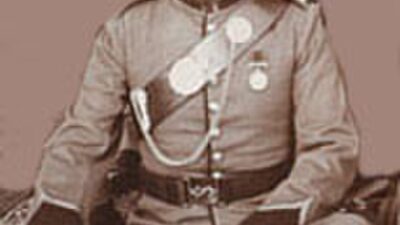
ग़ुलाम हैदर (1908–1953) को इस रिकॉर्डिंग में नूरजहाँ के साथ एक गायक-कलाकार के रूप में श्रेय दिया गया है — यह उनके करियर में अपनी ही फ़िल्म-प्रस्तुति में गाने के दुर्लभ उदाहरणों में से एक है।
अंग्रेज़ी में पढ़ें · Read in English
Ghulam Haider (1908–1953) is credited alongside Noor Jehan as a vocal performer on this recording — one of the rare instances in his career of singing in his own film production.
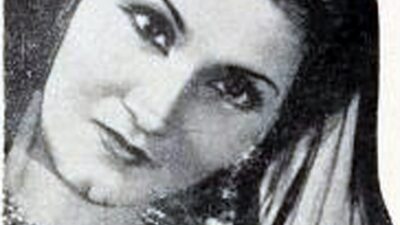
नूरजहाँ, जिनका जन्म 1925 में हुआ, ख़ानदान की फ़िल्मांकन के समय लगभग सोलह वर्ष की थीं; यह अभिनेता प्राण के सामने एक वयस्क मुख्य अभिनेत्री के रूप में उनकी पहली भूमिका थी।
अंग्रेज़ी में पढ़ें · Read in English
Noor Jehan, born in 1925, was approximately sixteen when Khandaan was filmed; it was her first role as an adult leading actress, opposite actor Pran.
नमूना-पट्टी
The Specimen Table| शीर्षक | उड़ जा उड़ जा पंछी · Ud Ja Ud Ja Panchhi |
|---|---|
| फ़िल्म | ख़ानदान · 1942 |
| वर्ष · युग | 1942 |
| गायक | Noor Jehan, Ghulam Haider |
| संगीतकार | Ghulam Haider |
| स्वरूप | युगल |
| गति | मध्यम |
| भाषा | hindi-urdu |
| भाव | मीठा-कड़वा · प्रेरणादायक |
| लोकप्रियता | Popular |
| बोल-स्थिति | केवल झलक |
जुड़े हुए पन्ने
Connected Plates · The Graph Made Visibleअटलस में कोई पन्ना अकेला नहीं — इस गीत से जुड़े गीत, कलाकार, फ़िल्म, राग-ताल-विधा, सब यहाँ से खुलते हैं।
मिलते-जुलते गीत · Related Songs
कलाकार · The Artists
फ़िल्म · The Film
साझा कीजिए · Share this Plate