गीत विंग · गीत-पट्टिका · Song Plate
तू कौनसी बदली में मेरे चाँद है आजा
Tu Kaunsi Badli Mein Mere Chand Hai Aaja
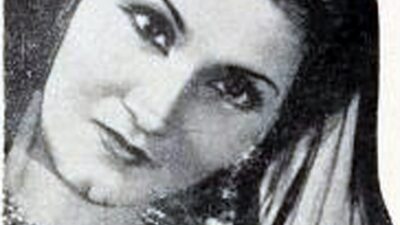
'तू कौनसी बदली में मेरे चाँद है आजा' — वह गीत जिसने युवा नूर जहाँ को अविस्मरणीय बना दिया।
भावरोमांटिक · Wistful · Yearning
भाषाhindi-urdu गतिधीमी स्वरूपएकल महिला
श्रेय
The Creditsसूत्र-वाक्य · The Hook
सूत्र-वाक्य
'तू कौनसी बदली में मेरे चाँद है आजा' — वह गीत जिसने युवा नूर जहाँ को अविस्मरणीय बना दिया।
In English'In which cloud are you hiding, my moon — come out': the song that made young Noor Jehan unforgettable.
पट्टिका-लेख
The Monographपरिचय Overview
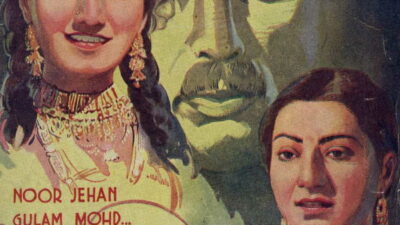
'ख़ानदान' (1942) का सबसे चर्चित गीत मानी जाने वाली यह ग़ुलाम हैदर की एकल रचना नूर जहाँ के आरंभिक करियर की सबसे प्रिय रिकॉर्डिंगों में है। बादलों के पीछे छिपे चाँद के रूप में अनुपस्थित प्रिय को संबोधित करते हुए, गीत की कोमल कल्पना और नूर जहाँ की लचीली आवाज़ मिलकर लाहौर सिनेमा के विभाजन-पूर्व वर्षों की एक परिभाषक धुन बन गई।
अंग्रेज़ी में पढ़ें · Read in English
Widely remembered as the standout song of Khandaan (1942), this Ghulam Haider solo is among the most beloved recordings of Noor Jehan's early career. Addressing an absent beloved as a moon hidden behind clouds, the song's tender imagery and Noor Jehan's pliant voice combined into one of the defining melodies of Lahore cinema's pre-Partition years.
संगीत The Music
ग़ुलाम हैदर रचना को सरल और धीमा रखते हैं, नूर जहाँ की आवाज़ को अपनी 'ख़ज़ानची' हिटों की ताल-प्रधान पंजाबी गति के बजाय नाज़ुक, धुन-प्रमुख संगत से सजाते हैं। पदबंध उनके अलंकरण के लिए उदार स्थान छोड़ता है, और झूमती टेक उस मेलिस्मेटिक नियंत्रण को दिखाती है जो जल्द ही उन्हें मल्लिका-ए-तरन्नुम का ख़िताब दिलाएगा।
अंग्रेज़ी में पढ़ें · Read in English
Ghulam Haider keeps the composition spare and slow, framing Noor Jehan's voice with delicate, melody-forward accompaniment rather than the percussive Punjabi drive of his Khazanchi hits. The phrasing leaves generous room for her ornamentation, and the lilting refrain showcases the melismatic control that would soon earn her the title Mallika-e-Tarannum.
काव्य The Poetry
गीत की केंद्रीय कल्पना — बादलों के पीछे छिपा प्रियतम, मानो चाँद — उर्दू-फ़ारसी गीत-काव्य की सबसे पुरानी परंपराओं में से एक से खींचती है: 'माह' (चाँद) सौंदर्य का रूपक, जो भाग्य या उदासीनता की ओट में अलभ्य हो जाता है। ग़ज़ल-परंपरा में चाँद महबूब के चेहरे की आभा से जुड़ा है; उसे ढकने वाले बादल अलगाव, अनुपस्थिति, परिस्थिति की निर्ममता बन जाते हैं। इस फ़िल्मी रूपांतरण की विशेषता है इसका सीधा संबोधन — 'तू कौनसी बदली में' — जो शास्त्रीय चाँद-रूपक को शोकगीत की जगह आत्मीय खोज में बदल देता है। खानदान के गीतकारों (एम.डी. तासीर, नज़ीम पानीपती, और डी.एन. माधोक ने साझे में काम किया) ने उस लाहौरी उर्दू परंपरा में काम किया जो फ़ारसी उच्च-शैली को पंजाबी लोक-सीधेपन से मिश्रित करती थी।
अंग्रेज़ी में पढ़ें · Read in English
The song's central image — a beloved hidden behind clouds like a moon — draws on one of the oldest conventions of Urdu-Persian lyric poetry: the 'maah' (moon) as the metaphor for beauty made inaccessible by the veil of fate or indifference. In the ghazal tradition, the moon is associated with the radiance of the beloved's face; clouds obscuring it become separation, absence, the cruelty of circumstance. What distinguishes this filmi adaptation is its direct address — 'tu kaunsi badli mein' (which cloud are you hiding in?) — which converts the classical moon-metaphor into an intimate search rather than an elegiac complaint. Khandaan's lyricists (M.D. Taseer, Nazim Panipati, and D.N. Madhok shared duties across the score) worked in the Lahori Urdu tradition that blended Persian high style with Punjabi folk directness. The specific attribution of this song's text remains undocumented, but the cloud-moon conceit belongs squarely to the Persianate Urdu lyric world that all three lyricists inhabited.
कहानी The Story
खानदान (1942) का निर्माण लाहौर में दलसुख एम. पंचोली की पंचोली आर्ट प्रोडक्शंस ने किया था, और इसका निर्देशन शौकत हुसैन रिज़वी ने अपने पहले फ़ीचर के रूप में किया। फ़िल्म में प्राण (एक आरंभिक भूमिका में), नूर जहाँ और ग़ुलाम मोहम्मद थे। ब्रिटिश भारत में तब दुर्लभ एक प्रयोग में, पंचोली ने रिलीज़ से पहले एक व्यापक प्रचार अभियान छेड़ा — पोस्टर, अखबारी विज्ञापन, प्रमोशनल कार्यक्रम — जिससे जनता में फ़िल्म के आने से पहले ही प्रत्याशा बनी। जब यह रिलीज़ हुई, तो तीनों नाम (रिज़वी, हैदर, नूर जहाँ) रातोंरात लाहौर और उससे आगे घर-घर जाने-माने हो गए। नूर जहाँ रिकॉर्डिंग के वक्त सत्रह साल की थीं।
अंग्रेज़ी में पढ़ें · Read in English
Khandaan (1942) was produced at Pancholi Art Productions in Lahore by Dalsukh M. Pancholi and directed by Shaukat Hussain Rizvi in his feature directorial debut. The film starred Pran (in an early role), Noor Jehan, and Ghulam Mohammed. In a practice then rare in British India, Pancholi mounted an extensive pre-release publicity campaign — posters, newspaper advertisements, promotional events — creating public anticipation before the film reached theatres. When it released, the result was an overnight sensation that made all three names (Rizvi, Haider, Noor Jehan) household words in Lahore and beyond. Noor Jehan was seventeen at the time of recording and already in command of the pliant, warm-toned delivery that would soon earn her the title Mallika-e-Tarannum. The gentle, slow song 'Tu Kaunsi Badli Mein' stands as one of the clearest early documents of that quality.
विरासत The Legacy
खानदान के गीत — विशेषकर ग़ुलाम हैदर द्वारा नूर जहाँ के एकल — को लाहौर स्टूडियो प्रणाली की उस अलग रचनात्मक पहचान को पुख़्ता करने का श्रेय दिया जाता है जो हिंदी-उर्दू सिनेमा में एक स्वतंत्र केंद्र के रूप में थी। 'तू कौनसी बदली में' वह गीत है जिसे लेखक सबसे अधिक उद्धृत करते हैं जब वे विभाजन-पूर्व वर्षों में नूर जहाँ की आत्मीय, धीमी-गति की रोमांटिक धुन पर पकड़ की चर्चा करते हैं। जब वे 1947 में पाकिस्तान चली गईं और वहाँ अपना दूसरा करियर शुरू किया, तो आलोचकों और प्रशंसकों ने खानदान के गीतों को उस भावनात्मक स्वर का साँचा बताया जिससे उनका बाद का काम निकला।
अंग्रेज़ी में पढ़ें · Read in English
The Khandaan songs — particularly Noor Jehan's solos composed by Ghulam Haider — are credited with consolidating the Lahore studio system's identity as a distinct creative centre within Hindi-Urdu cinema. 'Tu Kaunsi Badli Mein' is the song most cited when writers discuss Noor Jehan's command of intimate, slow-paced romantic melody in the pre-Partition years. When she migrated to Pakistan in 1947 and began her second career as the dominant voice of Pakistani film and pop music, critics and fans alike pointed to the Khandaan songs as the template from which her later work derived its essential emotional register.
वर्गीकरण
Classification- Tempo
- Slow
Genre
अन्य विवरण
More Details- https://en.wikipedia.org/wiki/Khandaan_(1942_film)
- https://grokipedia.com/page/Khandaan_(1942_film)
- https://upperstall.com/film/khandaan/
References
रोचक तथ्य
Margin Notesख़ानदान (1942) का निर्देशन शौकत हुसैन रिज़वी ने अपने फ़ीचर-फ़िल्म निर्देशकीय पदार्पण में किया; वे बाद में ज़ीनत (1945) का भी निर्देशन करेंगे — नूरजहाँ और ग़ुलाम हैदर के लिए एक और ऐतिहासिक फ़िल्म — जिससे वे लाहौर त्रयी की सबसे उत्कृष्ट साझेदारियों के केंद्रीय निर्देशक बन गए।
अंग्रेज़ी में पढ़ें · Read in English
Khandaan (1942) was directed by Shaukat Hussain Rizvi in his feature-film directorial debut; he would later direct Zeenat (1945) — another landmark film for Noor Jehan and Ghulam Haider, making him the pivotal director of the Lahore trio's finest collaborations.
फ़िल्म ने ब्रिटिश भारत के सबसे शुरुआती बड़े पैमाने के रिलीज़-पूर्व प्रचार अभियानों में से एक चलाया, जिसमें समाचार-पत्र विज्ञापनों, पोस्टरों और प्रचारात्मक आयोजनों ने रिलीज़ से पहले ही दर्शकों में उत्सुकता पैदा की — 1942 में उपमहाद्वीप के लिए यह एक आधुनिक और नई विपणन प्रथा थी।
अंग्रेज़ी में पढ़ें · Read in English
The film mounted one of the first large-scale pre-release publicity campaigns in British India, with newspaper advertisements, posters, and promotional events creating audience anticipation before release — a modern marketing practice novel for the subcontinent in 1942.
ख़ानदान की गीत-पुस्तिका तीन गीतकारों — एम.डी. तासीर, नाज़िम पानीपती और डी.एन. मधोक — की रचना थी, जो लाहौर की स्टूडियो प्रस्तुतियों की विशिष्ट सहयोगी गीत-लेखन टोली का एक शुरुआती उदाहरण है, जिसमें अलग-अलग कवि अलग-अलग स्वरों (साहित्यिक उर्दू, लोक पंजाबी, रोमांटिक हिंदी) को संभालते थे।
अंग्रेज़ी में पढ़ें · Read in English
Khandaan's songbook was the work of three lyricists — M.D. Taseer, Nazim Panipati, and D.N. Madhok — an early example of the collaborative lyric-writing pool typical of Lahore's studio productions, where different poets would handle different registers (literary Urdu, folk Punjabi, romantic Hindi).
ख़ानदान की रिकॉर्डिंग के समय नूरजहाँ लगभग सत्रह वर्ष की थीं; फ़िल्म की सफलता ने उन्हें रातों-रात हिंदी-उर्दू सिनेमा की प्रमुख महिला आवाज़ में बदल दिया, एक ऐसी स्थिति जिसे वे विभाजन तक बनाए रखेंगी और फिर पाकिस्तान में पूरी तरह से नए सिरे से खड़ा करेंगी।
अंग्रेज़ी में पढ़ें · Read in English
Noor Jehan was approximately seventeen at the time of the Khandaan recordings; the film's success transformed her overnight into the leading female voice in Hindi-Urdu cinema, a position she would hold until Partition and then rebuild entirely in Pakistan.
नमूना-पट्टी
The Specimen Table| शीर्षक | तू कौनसी बदली में मेरे चाँद है आजा · Tu Kaunsi Badli Mein Mere Chand Hai Aaja |
|---|---|
| फ़िल्म | ख़ानदान · 1942 |
| वर्ष · युग | 1942 |
| गायक | Noor Jehan |
| संगीतकार | Ghulam Haider |
| स्वरूप | एकल महिला |
| गति | धीमी |
| भाषा | hindi-urdu |
| भाव | रोमांटिक · Wistful · Yearning |
| लोकप्रियता | Very_popular |
| बोल-स्थिति | केवल झलक |
जुड़े हुए पन्ने
Connected Plates · The Graph Made Visibleअटलस में कोई पन्ना अकेला नहीं — इस गीत से जुड़े गीत, कलाकार, फ़िल्म, राग-ताल-विधा, सब यहाँ से खुलते हैं।
मिलते-जुलते गीत · Related Songs
कलाकार · The Artists
फ़िल्म · The Film
साझा कीजिए · Share this Plate