गीत विंग · गीत-पट्टिका · Song Plate
मेरे लिए जहाँ में चैन है न क़रार है
Mere Liye Jahan Mein Chain Hai Na Qarar Hai
किशोरी नूर जहाँ बेचैनी को धुन में बदल देती हैं — न चैन, न क़रार, बस तड़प की गूँज।
भावउदास · रोमांटिक · Yearning
भाषाhindi-urdu गतिधीमी स्वरूपएकल महिला
श्रेय
The Creditsसूत्र-वाक्य · The Hook
सूत्र-वाक्य
किशोरी नूर जहाँ बेचैनी को धुन में बदल देती हैं — न चैन, न क़रार, बस तड़प की गूँज।
In EnglishA teenage Noor Jehan turns restlessness into melody — neither peace nor repose, only the ache of longing.
पट्टिका-लेख
The Monographपरिचय Overview
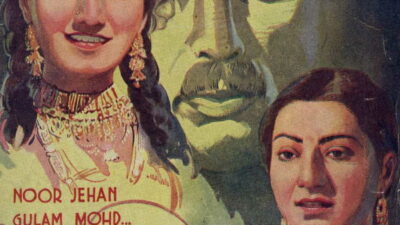
पंचोली की 'ख़ानदान' (1942) में नूर जहाँ के मुख्य-भूमिका आगाज़ की सबसे प्रिय रिकॉर्डिंगों में से एक, यह ग़ुलाम हैदर का एकल गीत उनकी युवा आवाज़ को बेचैन तड़प से भरा पूरा गीत ढोने देता है। शीर्षक पंक्ति — 'मेरे लिए जहाँ में चैन है न क़रार है' — ने उस उदास रोमानियत का स्वर तय किया जो उनके आरंभिक सितारेपन को परिभाषित करेगा।
अंग्रेज़ी में पढ़ें · Read in English
One of the most cherished recordings from Noor Jehan's leading-role debut in Pancholi's Khandaan (1942), this Ghulam Haider solo lets her young voice carry an entire song of restless longing. The title line — 'for me there is neither peace nor repose in the world' — set the tone for the wistful romanticism that would define her early stardom.
संगीत The Music
ग़ुलाम हैदर गीत को धीमी, गंभीर लय पर रखते हैं, संयोजन को संयमित रखते हुए ताकि नूर जहाँ के मेलिस्मेटिक मोड़ केंद्र में रहें। जहाँ उनके 'ख़ज़ानची' के संगीत ने ढोलक और चिमटा को आगे धकेला था, यहाँ यह पंजाबी संगीतकार एक युवा रोमांटिक नायिका के अनुकूल अधिक कोमल, धुन-प्रथम मुहावरे की ओर झुकते हैं।
अंग्रेज़ी में पढ़ें · Read in English
Ghulam Haider sets the song at a slow, brooding tempo, keeping the arrangement restrained so that Noor Jehan's melismatic turns sit at the centre of attention. Where his Khazanchi score had thrust dholak and chimta to the front, here the Punjabi composer leans into a more tender, melody-first register suited to a young romantic lead.
काव्य The Poetry
उद्घाटन पंक्ति — 'मेरे लिए जहाँ में चैन है न क़रार है' — उर्दू-हिंदी गीत-शिकायत की एक लंबी परंपरा से है: वह प्रेमी जिसकी बेचैनी पूर्ण है, जिसे उस संसार में कहीं सुकून नहीं मिलता जिसमें प्रिय की अनुपस्थिति है। 'चैन' और 'क़रार' लगभग समानार्थी हैं जो मिलकर शांति की पूरी सीमा — बाहरी ख़ामोशी, भीतरी स्थिरता — को घेरते हैं; उनकी जोड़ी पुनरावृत्ति द्वारा बल देती है, जो एक विशिष्ट उर्दू अलंकारिक युक्ति है। इस तरह के गीत तड़प की आंतरिक भूगोल को ऐसे स्थान के रूप में रेखांकित करते हैं जहाँ से सारी शांति खाली हो गई हो। ग़ुलाम हैदर, जो पंजाबी लोकगीत-परंपरा से भारी उधार लेते थे जिसमें भावनात्मक सीधापन और सुरीली सादगी गीत को वहन करती है, ने इसे एक धीमे एकल के रूप में रचा जो नूर जहाँ की आवाज़ को शिकायत में पूरी तरह बसने देता है — कोई वाद्य व्यवधान नहीं, कोई लयात्मक आग्रह नहीं, बस युवा आवाज़ और उसकी सुंदर, स्पष्ट टीस।
अंग्रेज़ी में पढ़ें · Read in English
The opening line — 'for me there is neither peace nor repose in the world' — belongs to a long lineage of Urdu-Hindi lyric complaint: the lover whose restlessness is total, who finds no comfort anywhere in a world that contains the beloved's absence. 'Chain' and 'qarar' are near-synonyms that together cover the full range of peace (external quiet, internal stillness), their pairing creating an emphasis through redundancy that is a characteristic Urdu rhetorical device. This kind of lyric maps the interior geography of longing as a space from which all peace has been evacuated. Ghulam Haider, who drew heavily on the Punjabi folk-song tradition in which emotional directness and melodic simplicity carry the lyric, set the text as a slow solo that lets Noor Jehan's voice inhabit the complaint fully — no instrumental distraction, no rhythmic urgency, just the young voice and its beautiful, articulated ache.
कहानी The Story
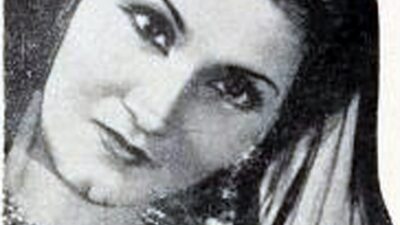
ख़ानदान (1942, पंचोली आर्ट पिक्चर्स, लाहौर) शौकत हुसैन रिज़वी के निर्देशन में उनकी पहली फ़िल्म थी। फ़िल्म इमतियाज़ अली ताज ने एक मुस्लिम सामाजिक नाटक के रूप में लिखी थी। नूर जहाँ, जिनका जन्म 1925 में हुआ था और जो फ़िल्मांकन के समय लगभग सोलह वर्ष की थीं, ने यहाँ अभिनेता प्राण के सामने अपनी पहली प्रमुख वयस्क मुख्य भूमिका निभाई। ग़ुलाम हैदर पहले ही नूर जहाँ के गायन-कैरियर को स्थापित कर चुके थे — वे उनकी गुल-ए-बकावली (1939) में बचपन में दिख चुकी थीं — और इस फ़िल्म ने उस संगीतकार-गायिका संबंध को पक्का किया जो उनके साझे काम को परिभाषित करेगा। ख़ानदान के गीत-श्रेय तीन कवियों में बँटे थे: एम. डी. तासीर, नज़ीम पानीपती और डी. एन. माधोक। इस एकल के लिए ज़िम्मेदार गीतकार का नाम व्यक्तिगत रूप से दर्ज नहीं है। यह गीत नूर जहाँ की डिस्कोग्राफ़ी में उन रिकॉर्डिंगों में महत्त्वपूर्ण है जिनमें उनकी विलक्षण मेलिस्मेटिक शैली — एक आवाज़ जो एक ही अक्षर के भीतर मुड़ती और खोजती प्रतीत होती है — पाकिस्तान युग की उनकी बाद की ऊँचाइयों से वर्षों पहले पहले से ही पूरी तरह सुनाई देती है।
अंग्रेज़ी में पढ़ें · Read in English
Khandaan (1942, Pancholi Art Pictures, Lahore) was directed by Shaukat Hussain Rizvi in his directorial debut. The film was written by Imtiaz Ali Taj as a Muslim social drama. Noor Jehan, born in 1925 and approximately sixteen at the time of filming, played her first major adult leading role here opposite actor Pran. Ghulam Haider had already established Noor Jehan's singing career — she had appeared in his Gul-E-Bakavali (1939) as a child — and this film cemented the composer-singer relationship that would define their shared work. The lyric credits for Khandaan were divided among three poets: M.D. Taseer, Nazim Panipati, and D.N. Madhok. The lyricist responsible for this solo has not been individually documented. The song is significant in Noor Jehan's discography as one of the recordings in which her singular melismatic style — a voice that seems to twist and search within a single syllable — is already fully audible, years before her later Pakistan-era peak.
विरासत The Legacy
यह रिकॉर्डिंग नूर जहाँ के आरंभिक कैरियर के वृत्तांतों में उन गीतों में उद्धृत होती है जिन्होंने उनकी आवाज़ की पूर्ण अभिव्यक्ति-सीमा को सत्रह वर्ष की होने से पहले ही प्रदर्शित किया। यह ख़ानदान की संगीत-पट्टी से है जिसने समग्र रूप से उन्हें और ग़ुलाम हैदर दोनों को लाहौर की फ़िल्म-उद्योग में प्रमुख हस्तियों के रूप में स्थापित किया। हालाँकि व्यक्तिगत गीत के कोई स्वतंत्र रूप से दर्ज बाद के कवर या पुनर्जीवन नहीं हैं, यह विभाजन-पूर्व लाहौर फ़िल्म संगीत की सूचियों और नूर जहाँ की HMV रिकॉर्डिंग के व्यापक संकलनों में संरक्षित है।
अंग्रेज़ी में पढ़ें · Read in English
This recording is cited in accounts of Noor Jehan's early career as one of the numbers that demonstrated the full expressive range of her voice before she had turned seventeen. It belongs to the Khandaan soundtrack that, taken together, established both her and Ghulam Haider as major figures in the Lahore film industry. While the individual song has no independently documented later covers or revivals, it is preserved in catalogues of pre-Partition Lahore film music and in comprehensive collections of Noor Jehan's HMV recordings.
वर्गीकरण
Classification- Tempo
- Slow
Genre
अन्य विवरण
More Details- https://en.wikipedia.org/wiki/Khandaan_(1942_film)
- https://en.wikipedia.org/wiki/Noor_Jehan
- https://en.wikipedia.org/wiki/Ghulam_Haider_(composer)
- https://upperstall.com/film/khandaan/
References
रोचक तथ्य
Margin Notesख़ानदान (1942) शौकत हुसैन रिज़वी का निर्देशकीय पदार्पण था, जिन्होंने इससे पहले पांचोली की हिट फ़िल्म ख़ज़ांची (1941) का संपादन किया था और बाद में विभाजन-पूर्व भारत में एक महत्वपूर्ण निर्माता-निर्देशक बने।
अंग्रेज़ी में पढ़ें · Read in English
Khandaan (1942) was the directorial debut of Shaukat Hussain Rizvi, who had previously edited Pancholi's hit Khazanchi (1941) and later became a significant producer-director in pre-Partition India.
नूरजहाँ (जन्म 1925) इस फ़िल्म के निर्माण के समय लगभग सोलह वर्ष की थीं — यह उनकी पहली वयस्क मुख्य भूमिका थी, जिसने उस विरहाकुल रोमांटिक छवि को स्थापित किया जो उनकी शुरुआती सितारा-हैसियत को परिभाषित करने वाली थी।
अंग्रेज़ी में पढ़ें · Read in English
Noor Jehan (born 1925) was approximately sixteen when this film was made — it was her first adult leading role, establishing the wistful romantic persona that would define her early stardom.
ग़ुलाम हैदर का करियर 1953 में 45 वर्ष की आयु में उनके निधन से अचानक समाप्त हो गया; उनका ख़ानदान का संगीत आज भी उनके बॉम्बे-लाहौर काल की सबसे प्रशंसित रचनाओं में से एक है।
अंग्रेज़ी में पढ़ें · Read in English
Ghulam Haider's career was cut short when he died in 1953 at the age of 45; his Khandaan score remains one of the most celebrated works of his Bombay-Lahore period.
ख़ानदान के व्यक्तिगत गीतों का गीत-श्रेय अनिश्चित है: समग्र श्रेय एम.डी. तासीर, नाज़िम पानीपती और डी.एन. मधोक के बीच साझा है, जिसका गीत-स्तर पर कोई विभाजन दर्ज नहीं है।
अंग्रेज़ी में पढ़ें · Read in English
Lyric attribution for individual songs in Khandaan is unresolved: the overall credits are shared among M.D. Taseer, Nazim Panipati, and D.N. Madhok, with no song-level breakdown documented.
नमूना-पट्टी
The Specimen Table| शीर्षक | मेरे लिए जहाँ में चैन है न क़रार है · Mere Liye Jahan Mein Chain Hai Na Qarar Hai |
|---|---|
| फ़िल्म | ख़ानदान · 1942 |
| वर्ष · युग | 1942 |
| गायक | Noor Jehan |
| संगीतकार | Ghulam Haider |
| स्वरूप | एकल महिला |
| गति | धीमी |
| भाषा | hindi-urdu |
| भाव | उदास · रोमांटिक · Yearning |
| लोकप्रियता | Popular |
| बोल-स्थिति | केवल झलक |
जुड़े हुए पन्ने
Connected Plates · The Graph Made Visibleअटलस में कोई पन्ना अकेला नहीं — इस गीत से जुड़े गीत, कलाकार, फ़िल्म, राग-ताल-विधा, सब यहाँ से खुलते हैं।
मिलते-जुलते गीत · Related Songs
कलाकार · The Artists
फ़िल्म · The Film
साझा कीजिए · Share this Plate