गीत विंग · गीत-पट्टिका · Song Plate
ग़म दिए मुस्तक़िल
Gham Diye Mustaqil
सहगल की आखिरी महान ग़ज़ल — ग़म को स्थायी बनाया, खंडहर से सुंदरता।
भावउदास · दार्शनिक · आध्यात्मिक
भाषाurdu गतिधीमी
श्रेय
The Creditsबोल · The Lyrics
बोल — झलक · Lyrics Preview
ये न जाना हमने, दिल में है दिल्लगी।
ye na jaana humne, dil mein hai dillagi.
कॉपीराइट के कारण केवल झलक — पूरे बोल आधिकारिक मंचों पर।
सूत्र-वाक्य · The Hook
सूत्र-वाक्य
सहगल की आखिरी महान ग़ज़ल — ग़म को स्थायी बनाया, खंडहर से सुंदरता।
In EnglishSaigal's last great ghazal — grief made permanent, beauty made of ruin.
पट्टिका-लेख
The Monographपरिचय Overview
'शाहजहाँ' (1946) के साउंडट्रैक में 'जब दिल ही टूट गया' के साथी के रूप में, 'ग़म दिए मुस्तक़िल' ग़म का एक अलग पंजीकरण वहन करता है — अधिक दार्शनिक, कम तात्कालिक। जहाँ पहला गाना नंगा दर्द है, यह उस दर्द को स्थायी ('मुस्तक़िल' — निरंतर, स्थायी) के रूप में स्वीकार कर चुका है। सहगल की आवाज़, बीमारी से पहले से ही क्षीण, उस स्वीकृति में एक तरह की गरिमा पाती है जो रिकॉर्डिंग को बेहतरीन अर्थ में असहनीय बनाती है।
अंग्रेज़ी में पढ़ें · Read in English
The companion piece to 'Jab Dil Hi Toot Gaya' in the Shahjehan (1946) soundtrack, 'Gham Diye Mustaqil' carries a different register of grief — more philosophical, less immediate. Where the first song is naked pain, this one has accepted that pain as permanent ('mustaqil' — constant, enduring). Saigal's voice, already diminished by illness, finds in that acceptance a kind of dignity that makes the recording unbearable in the best sense.
संगीत The Music
यहाँ नौशाद की रचना 'जब दिल ही टूट गया' से अधिक हार्मोनिक रूप से साहसी है — धुन के नीचे अप्रत्याशित राग-परिवर्तन भावनात्मक ज़मीन खिसकने का एहसास पैदा करते हैं। प्रभाव उपयुक्त है: यह स्थिर पाँव न मिल पाने के बारे में गाना है।
अंग्रेज़ी में पढ़ें · Read in English
Naushad's setting is more harmonically adventurous here than in 'Jab Dil Hi Toot Gaya' — unexpected chord movements under the melody create a sense of emotional ground shifting beneath. The effect is appropriate: this is a song about being unable to find stable footing.
काव्य The Poetry
मजरूह की रचना 'मुस्तक़िल' (स्थायी, अविरल) को पूरे 'दिल' (हृदय) के साथ जोड़ती है — वह हृदय जो दर्द का स्रोत भी है और उसका साधन भी। शब्द-खेल अपने सबसे किफ़ायती रूप में उर्दू ग़ज़ल का शिल्प है।
अंग्रेज़ी में पढ़ें · Read in English
Majrooh's lyric pairs 'mustaqil' (permanent, relentless) with 'dil' (heart) throughout — the heart that is both the source of pain and its instrument. The word-play is Urdu ghazal craft at its most economical.
कहानी The Story
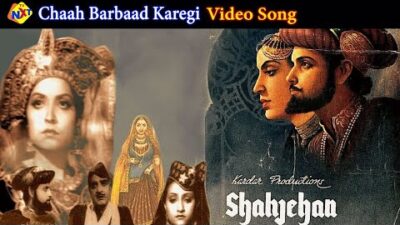
'शाहजहाँ' (1946), निर्देशक ए.आर. कार्दार, के.एल. सहगल की अंतिम से एक फ़िल्म थी। रिकॉर्डिंग के समय तक उनका स्वास्थ्य स्पष्टतः गिर रहा था — शराब से त्वरित यकृत-रोग ने शरीर और आवाज़ दोनों को प्रभावित करना शुरू कर दिया था। नौशाद, जो सहगल को अपने बचपन का आदर्श मानते थे, गायक की हालत जानते हुए भी यह ज़िम्मेदारी स्वीकार की। इन सत्रों के परिणामस्वरूप सहगल की कुछ दार्शनिक रूप से सबसे परिपक्व रिकॉर्डिंग सामने आईं, जैसे मृत्यु की निकटता ने नाटकीयता को छीलकर केवल ज़रूरी छोड़ दिया हो। 'ग़म दिए मुस्तक़िल' गीतकार मजरूह सुल्तानपुरी की पहली फ़िल्म के रूप में भी महत्वपूर्ण था — जिस आदमी ने यह बताया कि फ़िल्म संगीत क्या हो सकता है, उसी के लिए लिखते हुए एक नई काव्य-आवाज़ का पदार्पण। सहगल 18 जनवरी 1947 को इस दुनिया से रुख़सत हुए — फ़िल्म पूरी करने के एक वर्ष से भी कम समय बाद।
अंग्रेज़ी में पढ़ें · Read in English
Shahjehan (1946), directed by A.R. Kardar, was K.L. Saigal's penultimate film. By the time of recording, his health was visibly declining — liver disease accelerated by alcoholism had begun to affect both his physique and his voice. Naushad, who revered Saigal as the idol of his formative years, accepted the commission in full knowledge of the singer's condition. The resulting sessions produced some of Saigal's most philosophically mature recordings, as if his proximity to death had stripped away the theatrical and left only the essential. 'Gham Diye Mustaqil' was significant also as the debut vehicle for lyricist Majrooh Sultanpuri, who began his film career writing for the man who embodied what film music could be. The pairing of a new voice in poetry with a legend in his twilight was one of Urdu film song's quietly extraordinary moments. Saigal died on January 18, 1947 — less than a year after completing the film.
विरासत The Legacy
'जब दिल ही टूट गया' के साथ, इस गाने ने रफ़ी-तलत-मुकेश युग में संक्रमण के दौरान सहगल की विरासत को संजोया। उर्दू ग़ज़ल के हर बाद के गायक को 'शाहजहाँ' सत्रों में सहगल की उपलब्धि से जूझना पड़ा है।
अंग्रेज़ी में पढ़ें · Read in English
Alongside 'Jab Dil Hi Toot Gaya', this song preserved Saigal's legacy through the transition to the Rafi-Talat-Mukesh era. Every subsequent singer of Urdu ghazal has had to contend with what Saigal achieved in the Shahjehan sessions.
वर्गीकरण
Classification- Tempo
- Slow
Genre
अन्य विवरण
More Details- Wikipedia: K.L. Saigal
- Wikipedia: Naushad
- Wikipedia: Majrooh Sultanpuri
- Wikipedia: Shahjehan (1946 film)
- Wikipedia: A.R. Kardar
References
रोचक तथ्य
Margin Notes'शाहजहाँ' (1946) के.एल. सहगल की अंतिम से पहले वाली फ़िल्म थी; 18 जनवरी 1947 को 42 वर्ष की आयु में उनका निधन हो गया — यह हिंदी फ़िल्म संगीत की एक निर्णायक क्षति थी।
अंग्रेज़ी में पढ़ें · Read in English
Shahjehan (1946) was K.L. Saigal's penultimate film; he died on January 18, 1947, aged 42 — one of Hindi film music's defining losses.
मजरूह सुल्तानपुरी ने 'शाहजहाँ' (1946) से फ़िल्मी गीतकार के रूप में अपनी शुरुआत की, जो पाँच दशकों से भी अधिक लंबे करियर की नींव बनी; सहगल के लिए लिखना उनका पहला व्यावसायिक श्रेय था।
अंग्रेज़ी में पढ़ें · Read in English
Majrooh Sultanpuri made his debut as a film lyricist with Shahjehan (1946), beginning a career that would last over five decades; writing for Saigal was his first professional credit.
कहा जाता है कि नौशाद के लिए 'शाहजहाँ' पर काम करना भावनात्मक रूप से कठिन था — वे अपने युवाकाल के आदर्श के लिए संगीत रच रहे थे, ठीक उस समय जब उस आदर्श की आवाज़ स्पष्ट रूप से क्षीण होती जा रही थी।
अंग्रेज़ी में पढ़ें · Read in English
Naushad reportedly found working on Shahjehan emotionally difficult — he was composing for the idol of his formative years at a time when that idol's voice was visibly dimming.
A.R. कारदार, फिल्म के निर्देशक, लाहौर के अग्रणी फिल्मकारों में से एक थे जो बंबई आ बसे थे; नौशाद के साथ उनका सहयोग 1940 के दशक के मध्य के सबसे सफल सहयोगों में से एक था।
अंग्रेज़ी में पढ़ें · Read in English
A.R. Kardar, the film's director, was one of Lahore's leading filmmakers who had relocated to Bombay; his collaboration with Naushad was among the most productive of the mid-1940s.
'जब दिल ही टूट गया,' जो उसी शाहजहाँ सत्र में रिकॉर्ड हुआ और सहगल द्वारा गाया गया, को अक्सर इस गीत के साथ सहगल के अंतिम रिकॉर्डिंग काल के दो स्तंभों के रूप में जोड़ा जाता है।
अंग्रेज़ी में पढ़ें · Read in English
'Jab Dil Hi Toot Gaya,' recorded in the same Shahjehan sessions and sung by Saigal, is often paired with this song as the two pillars of Saigal's valedictory recording period.
नमूना-पट्टी
The Specimen Table| शीर्षक | ग़म दिए मुस्तक़िल · Gham Diye Mustaqil |
|---|---|
| फ़िल्म | शाहजहाँ · 1946 |
| वर्ष · युग | 1946 — pre independence |
| गायक | K.L. Saigal |
| गीतकार | Majrooh Sultanpuri |
| संगीतकार | Naushad |
| गति | धीमी |
| भाषा | urdu |
| भाव | उदास · दार्शनिक · आध्यात्मिक |
| लोकप्रियता | Very_popular |
| बोल-स्थिति | केवल झलक |
जुड़े हुए पन्ने
Connected Plates · The Graph Made Visibleअटलस में कोई पन्ना अकेला नहीं — इस गीत से जुड़े गीत, कलाकार, फ़िल्म, राग-ताल-विधा, सब यहाँ से खुलते हैं।
मिलते-जुलते गीत · Related Songs
कलाकार · The Artists
फ़िल्म · The Film
साझा कीजिए · Share this Plate