गीत विंग · गीत-पट्टिका · Song Plate
होरी दादरा
Hori Dadra
एक जीवंत होली दादरा जो रंगों के त्योहार और कृष्ण तथा गोपियों के बीच रोमांटिक खेल का जश्न मनाता है
भावउत्सव · Festive · चुलबुला
भाषाHindi with Braj Bhasha गतिमध्यम स्वरूपएकल महिला
श्रेय
The Creditsबोल · The Lyrics
पूरे बोल · Full Lyrics
खेलत होरी खेलेंगे,
मोहन रंग डारत हो।
Khelat holi khelengen,
Mohan rang darat ho.
सूत्र-वाक्य · The Hook
सूत्र-वाक्य
एक जीवंत होली दादरा जो रंगों के त्योहार और कृष्ण तथा गोपियों के बीच रोमांटिक खेल का जश्न मनाता है
In EnglishA spirited Holi dadra celebrating the festival of colors and the romantic play between Krishna and the gopis
पट्टिका-लेख
The Monographपरिचय Overview
“होरी दादरा” 1906 की लोकप्रिय रिकॉर्डिंग है। इसमें जंकी बाई की आवाज़ है, संगीत पारंपरिक का है, और बोल पारंपरिक ने लिखे हैं। यह राग Kafi पर आधारित है, Dadra ताल में निबद्ध, Dadra शैली का गीत। इसका प्रमुख भाव Celebratory है, अवधि 3:22 है, और यह The Gramophone Company (Hmv) लेबल से जारी हुआ।
अंग्रेज़ी में पढ़ें · Read in English
“Hori Dadra” is a popular recording from 1906. The voice belongs to Janki Bai, composed by Traditional, with lyrics penned by Traditional. Musically it set in Raag Kafi, to the Dadra taal, in the Dadra idiom. Its prevailing mood is celebratory, the recording runs 3:22, released on the the gramophone company (hmv) label.
संगीत The Music
दादरा रूप होली जैसे मौसमी जश्न के लिए आदर्श है — इसकी सुरीली लय और मध्यम गति ऊर्जावान अभिव्यक्ति और गीतात्मक सूक्ष्मता दोनों की अनुमति देती है।
अंग्रेज़ी में पढ़ें · Read in English
The dadra form is ideal for seasonal celebrations like Holi — its lilting rhythm and moderate pace allow for both energetic expression and lyrical subtlety. Janki Bai's rendering captures the playful spirit of Holi, with the raag Kafi providing a warm, intimate backdrop. The integration of folk elements (reflected in the simpler harmonic structure) makes this piece accessible while maintaining classical integrity.
काव्य The Poetry
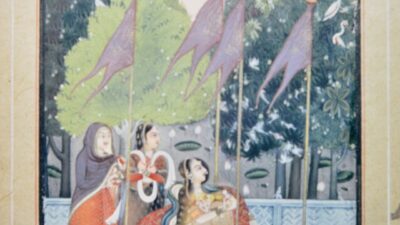
गीतात्मक सामग्री होली के आगमन और रंग फेंकने वाली खिलंदड़ी का जश्न मनाती है जो त्योहार को परिभाषित करती है। कृष्ण (मोहन) को रंग लगाते हुए देखना पौराणिक आख्यान को आमंत्रित करता है जहां कृष्ण, एक बच्चे के रूप में, गोपियों के साथ रंगों का उपयोग करके शरारत करते हैं।
अंग्रेज़ी में पढ़ें · Read in English
The lyrical content celebrates the arrival of Holi and the playful color-throwing that defines the festival. The reference to Krishna (Mohan) applying colors invokes the mythological narrative where Krishna, as a child, plays pranks on the gopis using colors. This blending of devotion and romantic play is characteristic of seasonal folk forms.
कहानी The Story
1906 में, इस होली दादरा जैसे मौसमी रूप ग्रामोफोन उद्योग की व्यावसायिक सफलता के लिए महत्वपूर्ण थे। दर्शक ऐसा संगीत चाहते थे जो उनके सांस्कृतिक जश्न के साथ गूंजता हो।
अंग्रेज़ी में पढ़ें · Read in English
In 1906, seasonal forms like this Holi dadra were vital to the gramophone industry's commercial success. Audiences wanted music that resonated with their cultural celebrations, and recording companies capitalized on festivals by releasing season-appropriate recordings. Janki Bai's version reflects the recording practices of the era — adapting courtly music traditions for broader popular appeal.
विरासत The Legacy
इस तरह की होली दादराएं दशकों बाद फिल्म संगीत और प्लेबैक गायन के लिए टेम्पलेट बन गईं। लोक सुलभता के साथ शास्त्रीय प्रशिक्षण को जोड़ने का सूत्र स्थायी साबित हुआ।
अंग्रेज़ी में पढ़ें · Read in English
Holi dadras like this one became templates for film music and playback singing decades later. The formula of combining folk accessibility with classical training proved enduring. This recording demonstrates how seasonal music served as a bridge between serious classical tradition and entertainment music, a role that would become increasingly important as the 20th century progressed.
वर्गीकरण
Classification- Tempo
- Medium
Genre
अन्य विवरण
More Details- Archive of Indian Music
- Bajakhana - Early Sound Recordings
- Google Arts & Culture - Pioneering Musicians
References
रोचक तथ्य
Margin Notesहोली दादराएं इतनी लोकप्रिय रहीं कि वे फिल्म संगीत युग में भी रिकॉर्ड होती रहीं
अंग्रेज़ी में पढ़ें · Read in English
Holi dadras remained popular enough that they continued to be recorded well into the film music era — many classic films featured Holi songs in dadra form
दादरा के 6-बीट चक्र (दादरा ताल) को जश्न की धड़कन या नाड़ी से प्राप्त माना जाता है
अंग्रेज़ी में पढ़ें · Read in English
The dadra's 6-beat cycle (Dadra taal) is thought to derive from the heartbeat or pulse of celebration — making it perfect for festive occasions
नमूना-पट्टी
The Specimen Table| शीर्षक | होरी दादरा · Hori Dadra |
|---|---|
| वर्ष · युग | 1906 — pre independence |
| गायक | Janki Bai of Allahabad |
| गीतकार | पारंपरिक |
| संगीतकार | पारंपरिक |
| राग | Kafi |
| ताल | {"name_hindi":"दादरा","name_english":"Dadra","taal_id":"taal-dadra","matras":6} |
| स्वरूप | एकल महिला |
| गति | मध्यम |
| अवधि | 3:22 |
| भाषा | Hindi with Braj Bhasha |
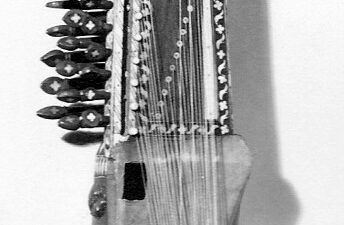
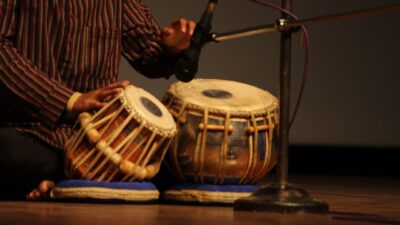
| वाद्य | Vocals · sarangi · tabla · dholak |
| भाव | उत्सव · Festive · चुलबुला |
| लेबल | The Gramophone Company (HMV) |
| लोकप्रियता | Popular |
| बोल-स्थिति | सार्वजनिक |
जुड़े हुए पन्ने
Connected Plates · The Graph Made Visibleअटलस में कोई पन्ना अकेला नहीं — इस गीत से जुड़े गीत, कलाकार, फ़िल्म, राग-ताल-विधा, सब यहाँ से खुलते हैं।
मिलते-जुलते गीत · Related Songs
कलाकार · The Artists
शास्त्र-सूत्र · Shastra Threads
साझा कीजिए · Share this Plate