गीत विंग · गीत-पट्टिका · Song Plate
भाऊ संभा
Bhau Sambha
जिस राजा ने साम्राज्यों को पराजित किया वह अपने पुत्र की रक्षा न कर सका — यह गीत उस असहनीय ज्ञान को वहन करता है।
भावपुरानी यादें · दार्शनिक
भाषाMarathi · Hindi गतिधीमी स्वरूपएकल पुरुष
श्रेय
The Creditsशब्दकोश
Word Meaningsसूत्र-वाक्य · The Hook
सूत्र-वाक्य
जिस राजा ने साम्राज्यों को पराजित किया वह अपने पुत्र की रक्षा न कर सका — यह गीत उस असहनीय ज्ञान को वहन करता है।
In EnglishEven a king who defeated empires could not protect his own son — this song carries that unbearable knowledge.
पट्टिका-लेख
The Monographपरिचय Overview
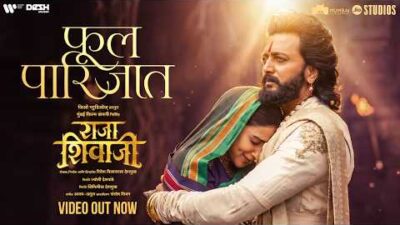
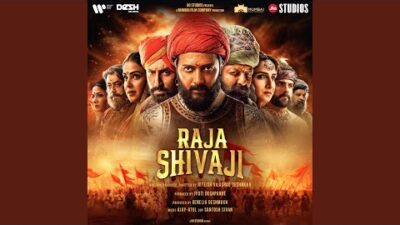
"भाऊ संभा" राजा शिवाजी (2026) के साउंडट्रैक का भावनात्मक अंतस्थल है — 3:07 का एक शांत, ध्यानस्थ एकल जो अजय गोगावले ने गाया और अजय-अतुल ने संगीतबद्ध किया�� जहाँ ऐंथम और 'जय ��िव राय' शिवाजी का सार्वजनिक युद्धमुखी चेहरा दिखाते हैं, वहीं यह गीत उनके पितृहृदय और व्यक्त���गत वेदना को उजागर करता है।
अंग्रेज़ी में पढ़ें · Read in English
"Bhau Sambha" is the emotional interior of the Raja Shivaji (2026) soundtrack — a slow, meditative Ajay Gogavale solo composed by Ajay-Atul, running 3:07. Where the anthem and 'Jai Shivrai' present Shivaji's public martial face, this song reveals his private grief and paternal love. The title references Sambhaji, Shivaji's eldest son whose life would end in Mughal captivity. Released on Warner Music India, the song is less widely known outside Maharashtra but is considered by critics the most musically sophisticated track on the album.
संगीत The Music
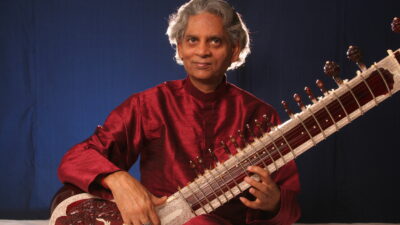
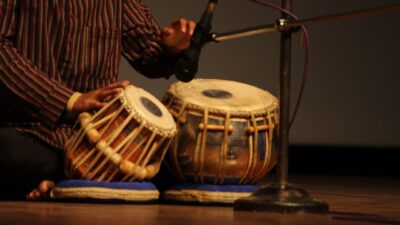
अजय-अतुल ने 'भाऊ ��ंभा' को एक अल्पसुर पैमाने पर रचा जो पारं��रिक मराठी लोक-विलाप (ओवी) की याद दिलाता है। सितार लंबे, करुणापूर्ण वाक्यांशों के साथ आग��� बढ़ता है जबकि तबला सुस्त दादरा बनाए रखता है।
अंग्रेज़ी में पढ़ें · Read in English
Ajay-Atul compose 'Bhau Sambha' in a minor scale that evokes traditional Marathi folk laments (ovi). The sitar takes the lead with long, plaintive phrases while the tabla keeps a languid Dadra beat. Ajay Gogavale's voice, used here at its most intimate, demonstrates his classical training through the controlled use of meend (glides between notes).
काव्य The Poetry
शीर्षक स्वयं भावनात्मक रूप से भारी है: 'भाऊ' (मराठी में बड़े भाई का संबोधन) औ�� 'संभा' (संभाजी का संक्षिप्त स्नेहनाम)। गीत साम्राज्य की माँगों से पिता-पुत्र के अपरिहार्य विछोह को शोकित करता है।
अंग्रेज़ी में पढ़ें · Read in English
The title itself is emotionally loaded: 'Bhau' (elder brother in Marathi, but here used by Shivaji toward Sambhaji in a more complex royal-familial sense) and 'Sambha' (the diminutive of Sambhaji). The lyrics mourn the inevitable separation of father and son by the demands of empire — a universal grief given a historical frame.
कहानी The Story
��जय-अतुल के अनुसार यह गीत राजा शिवाजी एल्बम के लिए सबसे अंत में लिखा गया। रितेश देशमुख ने इसे तब भी शामिल करने पर ज़ोर दिया जब स्टूडियो अधिकारियों को लगा कि साउंडट्रैक में पहले से पर��याप्त भावन��त्मक विविधता है।
अंग्रेज़ी में पढ़ें · Read in English
According to interviews with Ajay-Atul, this song was the last written for the Raja Shivaji album. Riteish Deshmukh insisted on including it even when studio executives felt the soundtrack already had enough emotional range. The song represents Deshmukh's most personal identification with the subject — his own father, Vilasrao Deshmukh, died in 2012, and friends of the family have noted that 'Bhau Sambha' carries that private grief.
विरासत The Legacy
आलोचकों द्वारा प्रशंसित पर महाराष्ट���र के बाहर व्यापक रूप से स्ट्रीम न होने वाले 'भाऊ संभा' ने शास्त्रीय संगीत मंडलियों और इतिहासकारों के बीच अपना श्रोता-वर्ग पाया है।
अंग्रेज़ी में पढ़ें · Read in English
Critically acclaimed but not widely streamed outside Maharashtra, 'Bhau Sambha' has found its audience in classical music circles and among historians who appreciate its empathetic portrayal of Shivaji the father. Several Marathi theatre productions in 2026 have licensed the song for stage use.
वर्गीकरण
Classification- Tempo
- Slow
Genre
अन्य विवरण
More Details- https://en.wikipedia.org/wiki/Raja_Shivaji_(film)
- https://www.jiosaavn.com/album/raja-shivaji-hindi-original-motion-picture-soundtrack/jtxKMc4hclM_
- https://www.newsbytesapp.com/news/entertainment/raja-shivaji-full-album-by-ajay-atul-releases-alongside-film-premiere/tldr
References
रोचक तथ्य
Margin Notesयह गीत एल्बम के लिए सबसे आख़िर में रचा गया और सार्वजनिक रूप से रिलीज़ होने वाला भी अंतिम गीत था।
अंग्रेज़ी में पढ़ें · Read in English
The song was the last composed for the album and the last to be publicly released.
संभाजी महाराज (1657–1689) को मुग़ल सम्राट औरंगज़ेब ने बंदी बनाकर मृत्युदंड दिया था — उनकी मृत्यु शिवाजी की मृत्यु के 15 वर्ष बाद हुई, लेकिन फ़िल्म के दर्शक इस मार्मिक ऐतिहासिक पृष्ठभूमि से पहले से परिचित रहे होंगे।
अंग्रेज़ी में पढ़ें · Read in English
Sambhaji Maharaj (1657–1689) was captured and executed by Mughal Emperor Aurangzeb — his death came 15 years after Shivaji's, but the film's audience would have known this poignant historical backstory.
नमूना-पट्टी
The Specimen Table| शीर्षक | भाऊ संभा · Bhau Sambha |
|---|---|
| फ़िल्म | राजा शिवाजी · 2026 |
| वर्ष · युग | 2026 — Modern (2010+) |
| गायक | Ajay Gogavale |
| गीतकार | Ajay-Atul |
| संगीतकार | Ajay-Atul |
| स्वरूप | एकल पुरुष |
| गति | धीमी |
| अवधि | 3:07 |
| भाषा | Marathi · Hindi |
| वाद्य | sitar · tabla · instrument-flute |
| भाव | पुरानी यादें · दार्शनिक |
| लोकप्रियता | Known |
| बोल-स्थिति | केवल झलक |
जुड़े हुए पन्ने
Connected Plates · The Graph Made Visibleअटलस में कोई पन्ना अकेला नहीं — इस गीत से जुड़े गीत, कलाकार, फ़िल्म, राग-ताल-विधा, सब यहाँ से खुलते हैं।
मिलते-जुलते गीत · Related Songs
कलाकार · The Artists
फ़िल्म · The Film
साझा कीजिए · Share this Plate
यह पन्ना आगे बढ़ाइए
सवाल-जवाब
Questions & Answers'भाऊ संभा' गीत में 'संभा' कौन ��ै? · Who is 'Sambha' in the song Bhau Sambha?
संभा यानी संभाजी महाराज — शिवाजी के ज्येष्ठ पुत्र जो दूसरे छत्रपति बने। उन्हें 1689 में मुग़ल सम्राट औरंगज़ेब ने पकड़कर मार डाला था।
Sambha is Sambhaji Maharaj — Shivaji's eldest son who became the second Chhatrapati. He was captured and executed by Mughal Emperor Aurangzeb in 1689.