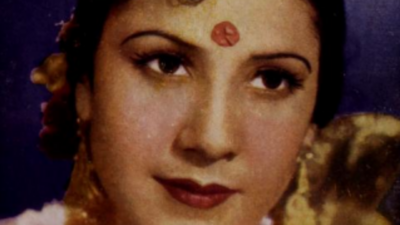
गीत विंग · गीत-पट्टिका · Song Plate
भली निभाई प्रीत रे परदेसी
Bhali Nibhayi Preet Re Pardesi
तारीफ़ की शक्ल में दिया गया उलाहना — 'भली निभाई प्रीत रे परदेसी' — जिसका पूरा व्यंग्य धुन के ज़िम्मे है।
भावमीठा-कड़वा · उदास · विद्रोही
भाषाhindi गतिमध्यम स्वरूपएकल महिला
श्रेय
The Creditsसूत्र-वाक्य · The Hook
सूत्र-वाक्य
तारीफ़ की शक्ल में दिया गया उलाहना — 'भली निभाई प्रीत रे परदेसी' — जिसका पूरा व्यंग्य धुन के ज़िम्मे है।
In EnglishA reproach delivered as a compliment — 'you kept your promise of love beautifully, stranger' — with the sarcasm carried entirely by the tune.
पट्टिका-लेख
The Monographपरिचय Overview
हमीदा बानू के तीन 'मूर्ती'-एकलों में दूसरा एक ऐसे व्यंग्य पर घूमता है जो इतना पुराना है कि लगभग स्वयं एक लोक-रूप बन चुका है: छोड़ी गई स्त्री उसी पुरुष को धन्यवाद देती है जिसने उसे छोड़ा — कि उसने प्रीत कितनी अच्छी निभाई। सब कुछ इस पर निर्भर है कि पंक्ति गाई कैसे जाती है, क्योंकि शब्द अपने आप में सीधे भी पढ़े जा सकते हैं। पंडित इंद्र इसे गाँव की भाषा में रखते हैं — 'परदेसी', बाहर का आदमी या यात्री, उस पुरुष का रूढ़ चरित्र है जो आता है, प्रेम पाता है और चला जाता है — और बुलो सी. रानी इसके अनुरूप लोक-आकार की धुन देते हैं, न कि वह उर्दू-ग़ज़ल वाला बरताव जो उन्होंने इसी फ़िल्म के मुकेश-गीतों के लिए बचा रखा था।
अंग्रेज़ी में पढ़ें · Read in English
The second of Hamida Banu's three Moorti solos turns on an irony so old it is almost a folk form in itself: the abandoned woman thanking the man who abandoned her for having kept faith so well. Everything depends on how the line is sung, since the words on their own could be read straight. Pandit Indra sets it in the village register — pardesi, the outsider or traveller, is the standard figure of the man who comes, is loved, and leaves — and Bulo C. Rani gives it a folk-shaped melody to match rather than the Urdu-ghazal treatment he reserved for the Mukesh sides in the same film.
संगीत The Music
धुन गाँव के गीत की तरह छोटी, दोहराई जाने वाली इकाइयों से बनी है, और टेक इतनी बार लौटती है कि व्यंग्य दोहराव से ही बैठ जाए। इन वर्षों में बुलो सी. रानी की रणजीत-संगतें लगातार हल्की हैं — हारमोनियम, ढोलक या तबला, पीछे चलती एक तार-रेखा — और यहाँ यही पतलापन लाभ है: भारी संगत गीत को त्रासदी की ओर धकेल देती और डंक खो जाता। सत्रह वर्ष की हमीदा बानू, अपनी उजली और बिना ज़ोर की आवाज़ के साथ, इसे उस कंपन-भार के बिना गाती हैं जो ख़ुर्शीद या अमीरबाई लातीं — और इसी से यह शोकगीत नहीं, तिरछी टिप्पणी बना रहता है।
अंग्रेज़ी में पढ़ें · Read in English
The tune is built from short repeating units in the manner of a village song, with the refrain returning often enough to make its irony land by repetition. Bulo C. Rani's Ranjit arrangements of these years are consistently light — harmonium, dholak or tabla, a shadowing string line — and here that thinness is an advantage: a heavier setting would push the song towards tragedy and lose the sting. Hamida Banu, sixteen or seventeen and with a bright, unforced voice, delivers it without the tremolo weight a Khursheed or an Amirbai would have brought, which keeps it wry rather than mournful.
काव्य The Poetry
'भली निभाई' — तुमने ख़ूब निभाया — प्रशंसा की भाषा है, और विश्वासघात के लिए प्रशंसा की भाषा बरतना हिंदी लोक-काव्य की सबसे तीखी चालों में है, क्योंकि यह खुले क्रोध की गरिमा से इनकार कर देती है। 'परदेसी' कोई व्यक्ति नहीं, एक प्रकार है: बाहर से आया आदमी, जिसके आने में ही उसका जाना ढाँचागत रूप से निहित था — यानी वक्ता स्वयं को भी उलाहना दे रही है कि उसने इसके उलट क्यों माना। पंडित इंद्र, जिन्होंने 1940 के दशक का बड़ा हिस्सा रणजीत के लिए ठीक इसी मुहावरे में लिखा, इस कल्पना को उसकी स्वाभाविक लंबाई से आगे नहीं खींचते।
अंग्रेज़ी में पढ़ें · Read in English
'Bhali nibhayi' — you carried it through well — is praise language, and using praise language for a betrayal is one of the sharpest moves available in Hindi folk poetry, because it refuses the dignity of open anger. The pardesi is a specific type rather than a person: the man from elsewhere, whose leaving was always structurally implied by his arrival, which means the speaker is also reproaching herself for having believed otherwise. Pandit Indra, who spent much of the 1940s writing in exactly this idiom for Ranjit, does not extend the conceit beyond its natural length.
कहानी The Story
'मूर्ती' 1945 की रणजीत सोशल फ़िल्मों में एक थी, निर्देशक चतुर्भुज दोशी, और कलाकारों में सबसे ऊपर मोतीलाल तथा ख़ुर्शीद। हमीदा बानू परदे पर नहीं थीं; वे पार्श्व-आवाज़ थीं — 1945 तक यह पेशा अस्तित्व में आ चुका था पर गायिका-सितारा को हटा नहीं पाया था। फ़िल्म में यह गीत किस पर फ़िल्माया गया, इसका कोई अभिलेख नहीं — सितंबर 2011 में इसे प्रकाशित करने वाले संग्राहक ने यही कहा और पाठकों से यह कमी भरने को कहा, यह भी दर्ज करते हुए कि फ़िल्म के एक अन्य ख़ुर्शीद-गीत के विपरीत इसका दृश्य-संदर्भ पूरी तरह अनदर्ज है।
अंग्रेज़ी में पढ़ें · Read in English
Moorti was one of the Ranjit socials of 1945, directed by Chaturbhuj Doshi, with Motilal and Khursheed at the head of the cast. Hamida Banu was not on screen; she was a playback voice, which by 1945 was a job that existed but had not yet displaced the singing star. Nothing is recorded about who mimed this song in the film — the blogger who posted it in September 2011 wrote that he had no idea how or on whom it was picturised and asked his readers to fill the gap.
विरासत The Legacy
रिकॉर्ड की तीन अलग-अलग प्रतिलिपियाँ प्रचलन में हैं, जिनमें एक ऐसे चैनल पर है जिसने 'मूर्ती' की पूरी ध्वनि-पट्टी क्रम से डिजिटल की है, इसलिए गीत के लुप्त होने का ख़तरा नहीं; पर उस दौर के लिखित इतिहास में इसकी कोई उपस्थिति नहीं और कोई राग-पहचान दर्ज नहीं। इसे 1945 की रणजीत घरेलू-शैली की सामान्य दक्षता के अच्छे उदाहरण के रूप में समझना ठीक है — वह स्तर जिस पर घर के संगीतकार और घर के गीतकार वाला स्टूडियो बिना किसी को उल्लेखनीय लगे काम कर सकता था।
अंग्रेज़ी में पढ़ें · Read in English
Three separate transfers of the disc circulate online, including Song No. 03 in Mirsa's Vintage Music Collection's 2023 upload of the whole Moorti soundtrack in catalogue order, so the song is in no danger of disappearing; but it has no presence in the written history of the period and carries no raag attribution. It is best understood as a good example of the ordinary competence of the Ranjit house style in 1945 — the level at which a studio with a staff composer and a staff lyricist could work without anyone thinking it remarkable.
वर्गीकरण
Classification- Tempo
- Medium
Genre
अन्य विवरण
More Details- https://www.hindigeetmala.net/movie/moorti.htm
- https://en.wikipedia.org/wiki/List_of_Hindi_films_of_1945
- https://indiancine.ma/EFB/info
- https://www.millenniumpost.in/sundaypost/beacon/in-the-shadow-of-giants-bulo-c-rani-375482
- https://atulsongaday.me/2011/09/26/bhali-nibhaayi-preet-re-pardesi/
- https://www.youtube.com/watch?v=uu0cY-kFoU4
- https://www.youtube.com/@MirsasVintageMusicCollection
References
रोचक तथ्य
Margin Notesपंडित इंद्र को 132 फ़िल्मों के 913 गीतों का श्रेय दिया जाता है; 'मूर्ती' की ध्वनि-पट्टी बुलो सी. रानी के साथ उनकी साझा रचनाओं में से एक है।
अंग्रेज़ी में पढ़ें · Read in English
Pandit Indra is credited with 913 songs across 132 films; the Moorti soundtrack is one of his collaborations with Bulo C. Rani.
2023 में 'मूर्ती' के दसों रिकॉर्ड क्रम से अपलोड करने वाले संग्राहक-चैनल 'Mirsa's Vintage Music Collection' की श्रृंखला में यह गीत क्रमांक 03 पर आता है।
अंग्रेज़ी में पढ़ें · Read in English
The song appears as Song No. 03 in the sequence used by Mirsa's Vintage Music Collection, the collectors' channel that uploaded Moorti's ten sides in catalogue order in 2023.
नमूना-पट्टी
The Specimen Table| शीर्षक | भली निभाई प्रीत रे परदेसी · Bhali Nibhayi Preet Re Pardesi |
|---|---|
| फ़िल्म | मूर्ती · 1945 |
| वर्ष · युग | 1945 — Pre-Independence (1931-1947) |
| गायक | Hamida Banu |
| गीतकार | Pandit Indra |
| संगीतकार | Bulo C. Rani |
| स्वरूप | एकल महिला |
| गति | मध्यम |
| भाषा | hindi |
| भाव | मीठा-कड़वा · उदास · विद्रोही |
| लोकप्रियता | Obscure |
| बोल-स्थिति | केवल झलक |
जुड़े हुए पन्ने
Connected Plates · The Graph Made Visibleअटलस में कोई पन्ना अकेला नहीं — इस गीत से जुड़े गीत, कलाकार, फ़िल्म, राग-ताल-विधा, सब यहाँ से खुलते हैं।
मिलते-जुलते गीत · Related Songs
कलाकार · The Artists
फ़िल्म · The Film
साझा कीजिए · Share this Plate