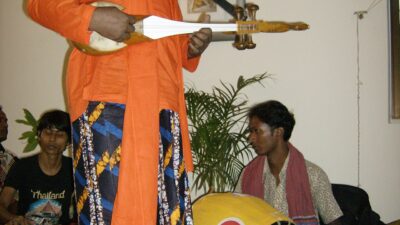
शास्त्र विंग · वाद्य-पट्टिका · Instrument Plate
दोतारा
Dotara
बाउल संतों की भटकती आत्मा — दो तारों में ब्रह्मांड की गूँज · Wandering soul of Baul saints — resonance of the universe in two strings
अन्य नामदो-तारा · दुतारा · Dutara · Do-Tara
एक पंक्तिदोतारा एक दो या चार-तार वाला लोक वाद्य यंत्र है जो बंगाल, असम और बिहार में प्रयुक्त होता है और बाउल संतों की भक्ति संगीत परंपरा से अविभाज्य रूप से जुड़ा है।
परिचय
Overviewदोतारा केवल एक वाद्य यंत्र नहीं — यह बंगाल और पूर्वी भारत की आत्मा की आवाज़ है। इसके दो तारों में बाउल फकीरों के सदियों के अनुभव, उनकी खोज, और उनका प्रेम समाया है। लालन फकीर से लेकर पूर्ण दास बाउल तक — दोतारे ने हर पीढ़ी में एक नया अवतार लिया है, लेकिन इसकी मिट्टी की सुगंध और आत्मा की तड़प कभी नहीं बदली। बाउल परंपरा में दोतारे का महत्व केवल संगीतिक नहीं है — यह एक दार्शनिक औजार है। जैसे बाउल फकीर 'मनुष्य' की खोज में निकलते हैं, वैसे ही दोतारे के तार 'सुर' की खोज में निकलते हैं। दोतारा बजाना एक ध्यान है, एक यात्रा है — बाहर से भीतर की ओर। इसीलिए बाउल गायक इसे 'मनेर मानुष' (मन का इंसान) खोजने का माध्यम मानते हैं। आधुनिक संगीत में दोतारे का पुनर्जन्म हो रहा है। पश्चिमी संगीतकारों ने इसकी मिट्टी-जैसी आवाज़ की खोज की है। विश्व संगीत के मंच पर दोतारा एक अनोखी जगह बना रहा है। पूर्ण दास बाउल की बॉब डिलन के साथ मित्रता ने पश्चिमी दुनिया को दोतारे से परिचित कराया। आज 'वर्ल्ड म्यूज़िक' शैली में दोतारे को शामिल करने के कई प्रयोग हो रहे हैं। रवींद्रनाथ टैगोर को बाउल संगीत और दोतारे से गहरा लगाव था। शांतिनिकेतन में वे बाउल फकीरों को बुलाते और उनसे सीखते थे। कई 'रवींद्र संगीत' रचनाओं में बाउल धुनों का प्रभाव है। इस प्रकार दोतारे ने न केवल लोक परंपरा बल्कि शास्त्रीय बंगाली संगीत को भी समृद्ध किया।
अंग्रेज़ी में पढ़ें · Read in English
Dotara is not just an instrument — it is the voice of Bengal and eastern India's soul. In its two strings lie centuries of Baul fakirs' experiences, their search, and their love. From Lalon Fakir to Purna Das Baul — Dotara has taken a new form in every generation, but its earthy fragrance and soul's longing have never changed.
In Baul tradition, Dotara's importance is not merely musical — it is a philosophical tool. Just as Baul fakirs set out to find the 'manush' (human being), Dotara's strings set out to find the 'sura' (note). Playing Dotara is a meditation, a journey — from outside to within. This is why Baul singers consider it the medium for finding 'moner manush' (the person of the mind/heart).
Dotara is experiencing a rebirth in modern music. Western musicians have discovered its earthy sound. Dotara is finding a unique place on the world music stage. Purna Das Baul's friendship with Bob Dylan introduced Dotara to the Western world. Today there are many experiments incorporating Dotara into the 'World Music' genre.
Rabindranath Tagore had a deep affinity for Baul music and Dotara. At Shantiniketan, he invited Baul fakirs and learned from them. Many 'Rabindra Sangit' compositions show the influence of Baul tunes. Thus Dotara enriched not just folk tradition but classical Bengali music too.
काव्य-पंक्ति · The Verse
काव्य-पंक्ति
दो तारों में बँधा है ब्रह्मांड सारा, बाउल का यह दोतारा — इश्क का नज़ारा।
— बाउल परंपरा से The entire universe is bound in two strings, This Baul's Dotara — a vision of divine love.
वर्गीकरण
ClassificationNatya Shastra
तत वाद्य — तार-युक्त वाद्य यंत्र, प्लक्ड श्रेणी
Tata Vadya — Stringed Instrument, Plucked Category
नाट्यशास्त्र के वर्गीकरण के अनुसार दोतारा 'तत' श्रेणी में आता है। इसके तार की कंपन से ध्वनि उत्पन्न होती है। यह भक्ति और लोक परंपरा का एक महत्वपूर्ण तत्-वाद्य है।
According to Natya Shastra, Dotara belongs to the 'Tata' category where sound is produced by string vibration. It is an important plucked string instrument in devotional and folk tradition.
Western
Chordophone
Long-necked Plucked Lute
पश्चिमी वर्गीकरण में दोतारा एक लंबी गर्दन वाला प्लक्ड लूट है — बैंजो और मेंडोलिन परिवार से दूर का संबंध।
In Western classification, Dotara is a long-necked plucked lute — distantly related to the banjo and mandolin family.
Hornbostel Sachs
321.321
Composite chordophone — long-necked plucked lute with wooden resonating body
सिनेमा में
In Cinemaदोतारा बंगाली सिनेमा में एक सांस्कृतिक प्रतीक के रूप में अक्सर दिखाई देता है। जब भी बाउल संत, नदी-किनारे का जीवन, या ग्रामीण बंगाल को चित्रित करना हो, दोतारे की आवाज़ पृष्ठभूमि में आती है। सत्यजित राय की फिल्मों में बंगाली ग्रामीण जीवन के चित्रण में दोतारे जैसे लोक वाद्यों का विशेष स्थान रहा। हिंदी बॉलीवुड में दोतारा कम दिखता है, लेकिन जब कोई फिल्म बंगाल या पूर्वी भारत की थीम पर होती है, तो दोतारे की विशेष आवाज़ प्रामाणिकता लाती है। 'गंगाजल' और 'बंधन' जैसी फिल्मों में पूर्वी भारतीय लोक संगीत के अंश में दोतारे की झलक मिलती है।
अंग्रेज़ी में पढ़ें · Read in English
Dotara frequently appears as a cultural symbol in Bengali cinema. Whenever depicting Baul saints, riverside life, or rural Bengal, Dotara's sound comes in the background. Satyajit Ray's films gave special place to folk instruments like Dotara in depicting Bengali rural life. In Hindi Bollywood, Dotara appears less frequently, but when a film has Bengal or eastern India themes, Dotara's unique sound brings authenticity.
वर्तमान स्थिति
Modern Statusविवरण
दोतारा आज एक संकटपूर्ण स्थिति में है। बाउल परंपरा के कमज़ोर होने के साथ दोतारे के वादकों की संख्या घट रही है। शहरीकरण और आधुनिक मनोरंजन के दबाव में पूर्वी भारत के युवा इस परंपरागत यंत्र को छोड़ रहे हैं। हालाँकि, UNESCO द्वारा बाउल संगीत को अमूर्त सांस्कृतिक विरासत में शामिल करने के बाद इसमें एक नई रुचि जगी है। बांग्लादेश और पश्चिम बंगाल के कुछ सांस्कृतिक संगठन दोतारे को जीवित रखने के प्रयास कर रहे हैं।
अंग्रेज़ी में पढ़ें · Read in English
Dotara today faces an endangered situation. As the Baul tradition weakens, the number of Dotara players is declining. Under the pressure of urbanization and modern entertainment, youth of eastern India are abandoning this traditional instrument. However, UNESCO's inclusion of Baul music in Intangible Cultural Heritage has sparked new interest. Some cultural organizations in Bangladesh and West Bengal are making efforts to keep Dotara alive.
Estimated Players
2,000-5,000 active players
Revival Efforts
UNESCO इंटैंजिबल हेरिटेज दर्जे के बाद बाउल महोत्सवों में दोतारे को विशेष स्थान मिला है।
अंग्रेज़ी में पढ़ें · Read in English
After UNESCO Intangible Heritage status, Dotara has gained special prominence in Baul festivals.
बनावट
Physicalविवरण
दोतारा की बनावट एक लंबी, पतली गर्दन और एक गोल या अंडाकार शरीर से मिलकर बनती है। शरीर परंपरागत रूप से एक लकड़ी के टुकड़े से काटकर बनाया जाता है — जिसमें नीम, शीशम, या कटहल की लकड़ी का प्रयोग होता है। शरीर का सामने का भाग जानवर की खाल से ढका होता है जो यंत्र को एक विशेष गुंजायमान गुण देता है। गर्दन की लंबाई लगभग ५०-६५ सेंटीमीटर होती है। पूरे यंत्र की लंबाई ८०-१०० सेंटीमीटर तक हो सकती है। पारंपरिक दोतारे में दो तार होते हैं, लेकिन आधुनिक संस्करणों में चार तार भी होते हैं। गर्दन पर कोई पर्दे (frets) नहीं होते — यह एक फ्रेटलेस यंत्र है जो वादक की उंगलियों के सटीक दबाव पर निर्भर करता है।
अंग्रेज़ी में पढ़ें · Read in English
Dotara's construction combines a long thin neck with a round or oval body. The body is traditionally carved from a single piece of wood — neem, rosewood, or jackwood are used. The front of the body is covered with animal skin, giving the instrument a special resonant quality. Neck length is approximately 50-65 cm. Total instrument length can reach 80-100 cm. Traditional Dotara has two strings, but modern versions may have four. The neck has no frets — it is a fretless instrument that depends on the player's precise finger pressure.
Dimensions
80-100 cm
20-25 cm (body)
500-800 grams
Strings Or Keys
पारंपरिक दोतारे में दो तार होते हैं (इसीलिए 'दो-तारा')। आधुनिक संस्करणों में चार तार भी मिलते हैं जो जोड़े में होते हैं। तारों को आमतौर पर Sa-Pa (षड्ज-पंचम) पर ट्यून किया जाता है।
Traditional Dotara has two strings (hence 'Do-tara' meaning two strings). Modern versions also have four strings in pairs. Strings are usually tuned to Sa-Pa (Shadja-Panchama).
2 (traditional) or 4 (modern)
Steel, brass, or silk
Tuning
Sa-Pa ट्यूनिंग (षड्ज-पंचम), कभी-कभी Sa-Sa
Sa-Pa tuning (Shadja-Panchama), sometimes Sa-Sa
Sa-Pa or Sa-Sa (variable by region and tradition)
2-2.5 octaves
Construction
लकड़ी से बना गोल या अंडाकार शरीर जो यंत्र की मुख्य ध्वनि-गुहा है। जानवर की खाल इसे ढकती है।
Round or oval wooden body forming the main sound cavity. Animal skin covers its face.
पतली लंबी गर्दन जिस पर उंगलियाँ दबाकर सुर बदले जाते हैं। फ्रेटलेस — केवल उंगलियों के दबाव से सुर नियंत्रण।
Thin long neck on which fingers press to change pitch. Fretless — pitch control only through finger pressure.
गर्दन के ऊपरी सिरे पर लगी लकड़ी या धातु की खूँटियाँ जिनसे तारों की कसाव समायोजित की जाती है।
Wooden or metal pegs at the upper end of the neck used to adjust string tension.
दो या चार धातु के तार जो यंत्र की मुख्य ध्वनि उत्पन्न करते हैं।
Two or four metal strings that produce the instrument's main sound.
शरीर पर लगी घोड़ी जो तारों को ऊपर उठाती है और कंपन को शरीर में स्थानांतरित करती है।
Bridge on body that elevates the strings and transfers vibration to the body.
ध्वनि-चरित्र
SoundTonal Character
दोतारे की ध्वनि मिट्टी की सुगंध से भरी, भावुक, और आत्मा को छूने वाली होती है। इसकी आवाज़ में एक 'खुरदरापन' है जो इसे शास्त्रीय वाद्यों से अलग करता है — लेकिन इसी खुरदरेपन में एक गहरी सच्चाई और ईमानदारी है। बाउल संतों के हाथों में यह यंत्र एक आध्यात्मिक माध्यम बन जाता है। लकड़ी के शरीर और चमड़े के मुखपट से निकलने वाली ध्वनि में एक गर्माहट है जो श्रोता के मन को शांत करती है।
अंग्रेज़ी में पढ़ें · Read in English
Dotara's sound is earthy, emotional, and soul-touching. Its voice has a 'roughness' that distinguishes it from classical instruments — but in this roughness lies deep truth and honesty. In the hands of Baul saints, it becomes a spiritual medium. The warmth in the sound from the wooden body and skin-covered face soothes the listener's mind.
Timbre
मिट्टी की सुगंध जैसी — कच्ची, भावुक, और आध्यात्मिक
अंग्रेज़ी में पढ़ें · Read in English
Earthy — raw, emotional, and spiritual
Dynamic Range
कम से मध्यम — एकांत और छोटे सभाओं के लिए उपयुक्त
अंग्रेज़ी में पढ़ें · Read in English
Low to medium — suited for solitude and small gatherings
Comparison
सरोद की गहराई और एकतारे की सरलता का मध्यमार्ग
अंग्रेज़ी में पढ़ें · Read in English
Middle path between sarod's depth and ektara's simplicity
वादन-तकनीक
Playing Techniqueविवरण
दोतारा को बजाने के लिए वादक सामान्यतः बैठता है और यंत्र को अपनी गोद में या कंधे के आगे रखता है। दाईं हाथ की उंगलियों से तारों को प्लक किया जाता है — आँगुलियों का नाखून भाग तारों से टकराता है। बाईं हाथ की उंगलियाँ गर्दन पर विभिन्न स्थानों पर दबाव देती हैं। चूँकि दोतारा फ्रेटलेस है, इसलिए सटीक सुर के लिए उंगलियों की स्थिति की सटीकता महत्वपूर्ण है। बाउल परंपरा में वादक अक्सर गाते हुए दोतारा बजाते हैं — गीत और यंत्र एक साथ चलते हैं। मुर्की (gliding) और गमक जैसी तकनीकें दोतारे में विशेष रूप से प्रभावशाली होती हैं।
अंग्रेज़ी में पढ़ें · Read in English
To play Dotara, the player usually sits with the instrument on their lap or forward. Right hand fingers pluck the strings with the nail portion touching the strings. Left hand fingers press at various positions on the neck. Since Dotara is fretless, precise finger placement is crucial for accurate pitch. In Baul tradition, players often sing while playing — song and instrument move together. Techniques like murki (gliding) and gamak are particularly effective on Dotara.
Posture
बैठकर, यंत्र को गोद में रखकर — बाउल गायक अक्सर चलते हुए भी बजाते हैं
अंग्रेज़ी में पढ़ें · Read in English
Sitting with instrument on lap — Baul singers often play while walking
Techniques
दाईं हाथ की उंगलियों के नाखून से तारों को झटके से बजाना। प्रत्येक प्लक से एक स्पष्ट सुर उत्पन्न होता है।
Plucking strings with fingernails of the right hand. Each pluck produces a clear note.
बाईं उंगली को गर्दन पर धीरे से सरकाना ताकि दो सुरों के बीच एक मधुर संक्रमण हो। बाउल संगीत में यह अत्यंत महत्वपूर्ण है।
Gently sliding the left finger on the neck for a melodious transition between two notes. Extremely important in Baul music.
बाईं उंगली को हल्के से कंपन देना जिससे सुर में एक प्राकृतिक कंपन उत्पन्न हो — भावनात्मक अभिव्यक्ति के लिए।
Slightly vibrating the left finger to produce natural vibrato in the note — for emotional expression.
एक तार को ड्रोन के रूप में बजाए रखते हुए दूसरे तार पर मेलोडी बजाना — इससे एक पूर्ण संगीत-अनुभव मिलता है।
Playing one string as a drone while playing melody on the other — creating a complete musical experience.
तेज़ गति में सभी तारों को बारी-बारी से बजाकर एक ताल-लहर उत्पन्न करना। उन्नत वादकों का कौशल।
Creating a rhythmic wave by alternating between all strings at high speed. Skill of advanced players.
निर्माण-प्रक्रिया
Making Processविवरण
दोतारा का निर्माण पूर्वी भारत के पारंपरिक वाद्य-कारीगर करते हैं। सबसे पहले उपयुक्त लकड़ी चुनी जाती है — कटहल (jackfruit wood) सबसे उत्तम माना जाता है। शरीर को एक ही लकड़ी के टुकड़े से काटकर बनाया जाता है — इसमें खोखला स्थान बनाया जाता है। गर्दन को अलग से तैयार किया जाता है और शरीर में जोड़ा जाता है। शरीर के सामने के भाग को बकरी की खाल या पर्चमेंट से ढका जाता है। खूँटियाँ और घोड़ी लगाई जाती हैं। अंत में तारों को चढ़ाया जाता है। पूरी प्रक्रिया में दो से चार सप्ताह लगते हैं।
अंग्रेज़ी में पढ़ें · Read in English
Dotara is crafted by traditional instrument makers of eastern India. First, suitable wood is chosen — jackfruit wood is considered best. The body is carved from a single piece of wood with a hollow space created inside. The neck is prepared separately and joined to the body. The front of the body is covered with goat skin or parchment. Pegs and bridge are attached. Finally, strings are strung. The complete process takes two to four weeks.
Materials
शरीर के लिए सर्वोत्तम — गर्म और गुंजायमान ध्वनि के लिए।
Best for the body — produces warm and resonant sound.
शरीर के सामने का भाग ढकने के लिए — ध्वनि को एक विशेष गुण देता है।
To cover the body's face — gives the sound a special quality.
गर्दन के लिए — लचीला और टिकाऊ।
For the neck — flexible and durable.
स्टील या पीतल के तार — ध्वनि की तीव्रता और टोन का निर्धारण।
Steel or brass strings — determining sound intensity and tone.
Artisan Centers
ढाका में पारंपरिक दोतारे बनाने वाले कारीगरों की एक पीढ़ी अभी भी जीवित है।
A generation of artisans making traditional Dotara still survives in Dhaka.
बाउल परंपरा के केंद्र — यहाँ दोतारे बनाने की परंपरा जीवित है।
Centers of Baul tradition — tradition of making Dotara alive here.
बांग्लादेश-सीमावर्ती क्षेत्रों में दोतारा निर्माण की परंपरा।
Tradition of Dotara making in Bangladesh border areas.
Time To Craft
2-4 weeks
Price Range
₹1,000-8,000
संगीत-समूह में भूमिका
Role In EnsemblePrimary Role
बाउल और लोक गायन में मुख्य मेलोडिक और ताल-सहायक वाद्य
अंग्रेज़ी में पढ़ें · Read in English
Primary melodic and rhythm-supporting instrument in Baul and folk singing
Solo Capability
दोतारा एक पूर्ण एकल वाद्य यंत्र है — बाउल गायक अकेले दोतारे के साथ घंटों गाते हैं।
अंग्रेज़ी में पढ़ें · Read in English
Dotara is a complete solo instrument — Baul singers sing for hours with only Dotara.
Accompaniment For
बंगाल के बाउल संत अपने आध्यात्मिक गीतों के साथ दोतारा बजाते हैं — यह उनकी मुख्य संगत है।
Bengal's Baul saints play Dotara with their spiritual songs — it is their primary accompaniment.
बंगाल के नदी-तट के लोक गीतों में दोतारा मुख्य संगत है।
Dotara is the main accompaniment in riverbank folk songs of Bengal.
असम और बंगाल के आदिवासी नृत्य-गायन में दोतारे का प्रयोग होता है।
Dotara is used in the tribal dance-singing of Assam and Bengal.
लोक संगीत में
In Folk Musicदोतारा पूर्वी भारत और बांग्लादेश के लोक संगीत का एक आधारभूत वाद्य यंत्र है। बंगाल के बाउल संत — जो वैष्णव और सूफी परंपराओं के मिलन-बिंदु पर खड़े हैं — इसे अपनी भक्ति-यात्राओं में लिए चलते हैं। लालन फकीर, बिजॉय सरकार, और सैकड़ों अनाम बाउल गायकों ने दोतारे के साथ मनुष्य की आत्मा, ईश्वर, और प्रेम पर गाया है। भटियाली गायन — नदी किनारे नाविकों के गीत — में दोतारे की मेलोडी एक विशेष स्थान रखती है। असम में इसे 'दुतारा' कहते हैं और बिहू और अन्य लोक उत्सवों में प्रयोग किया जाता है।
अंग्रेज़ी में पढ़ें · Read in English
Dotara is a foundational folk instrument of eastern India and Bangladesh. Bengal's Baul saints — standing at the confluence of Vaishnava and Sufi traditions — carry it on their devotional journeys. Lalon Fakir, Bijoy Sarkar, and hundreds of unnamed Baul singers have sung about the human soul, God, and love with Dotara. In Bhatiyali singing — songs of riverbank boatmen — Dotara's melody holds a special place. In Assam, it's called 'Dutara' and used in Bihu and other folk festivals.
क्षेत्रीय रूप
Regional Variantsसबसे प्रामाणिक रूप — दो तार, खाल-ढका शरीर, बाउल परंपरा से जुड़ा।
Most authentic form — two strings, skin-covered body, linked to Baul tradition.
असम में 'दुतारा' या 'डोतोरा' — बिहू और लोक संगीत में प्रयुक्त, कुछ भिन्न ट्यूनिंग।
Called 'Dutara' or 'Dotora' in Assam — used in Bihu and folk music, with slightly different tuning.
बिहार में प्रयुक्त संस्करण — भोजपुरी और मैथिली लोक संगीत में।
Version used in Bihar — in Bhojpuri and Maithili folk music.
प्रसिद्ध वादक
Famous Playersबंगाल के महान बाउल संत लालन फकीर दोतारे के सबसे प्रसिद्ध वादकों में से एक थे। उनके एक हजार से अधिक गीत — जिन्हें 'लालनगीत' कहा जाता है — दोतारे के साथ गाए जाते थे। उनका संगीत रवींद्रनाथ टैगोर को भी प्रभावित किया।
Bengal's great Baul saint Lalon Fakir was one of the most celebrated Dotara players. His over one thousand songs — called 'Lalongeeti' — were sung with Dotara. His music even influenced Rabindranath Tagore.
'बाउल सम्राट' पूर्ण दास बाउल ने दोतारे के साथ बाउल संगीत को अंतरराष्ट्रीय मंच पर पहुँचाया। बॉब डिलन के साथ उनकी मित्रता प्रसिद्ध है। उन्होंने संगम त्योहार में बाउल गायन को अंतर्राष्ट्रीय ख्याति दिलाई।
'Baul Emperor' Purna Das Baul took Baul music to the international stage with Dotara. His friendship with Bob Dylan is legendary. He brought international fame to Baul singing at festivals worldwide.
बांग्लादेश के लोकश्रेष्ठ शाह अब्दुल करीम एक महान बाउल-लोक गायक थे जिन्होंने दोतारे के साथ बांग्लादेशी लोक संगीत को एक नई पहचान दी। उनके गीत बांग्लादेश की सांस्कृतिक पहचान का हिस्सा हैं।
Bangladesh's folk legend Shah Abdul Karim was a great Baul-folk singer who gave Bangladeshi folk music a new identity with Dotara. His songs are part of Bangladesh's cultural identity.
आधुनिक बंगाली संगीत के महत्वपूर्ण गायक-गीतकार कबीर सुमन ने दोतारे को समकालीन बंगाली पॉप और फोक-रॉक में जीवित रखा है।
Important modern Bengali singer-songwriter Kabir Suman has kept Dotara alive in contemporary Bengali pop and folk-rock.
समकालीन बाउल परंपरा के महत्वपूर्ण वादक जिन्होंने दोतारे के माध्यम से नई पीढ़ी को बाउल संगीत से परिचित कराया।
An important player of contemporary Baul tradition who introduced a new generation to Baul music through Dotara.
राग-उपयुक्तता
Raag Suitabilityभैरवी की विदाई और करुणा की भावना दोतारे के साथ विशेष रूप से प्रभावशाली है — बाउल गीतों में अक्सर भैरवी के स्वर होते हैं।
Bhairavi's feeling of farewell and compassion is particularly effective with Dotara — Baul songs often contain Bhairavi tones.
पीलू राग की मिश्र-भावना (happy-sad) दोतारे के मिट्टी जैसे स्वर के साथ सुंदर मेल बनाती है।
Pilu raag's mixed emotion (happy-sad) creates a beautiful combination with Dotara's earthy tone.
काफी राग का लोक स्वभाव दोतारे की प्रकृति के बिल्कुल अनुकूल है।
Kafi raag's folk nature perfectly suits Dotara's character.
खमाज की मधुरता और उदासी दोतारे की ध्वनि के साथ एक अद्भुत संयोजन बनाती है।
Khamaj's sweetness and melancholy creates a wonderful combination with Dotara's sound.
घराना-संबंध
Gharana Connectionsदोतारे का मुख्य घराना बाउल परंपरा है जिसका केंद्र बीरभूम (पश्चिम बंगाल) है।
Dotara's main 'gharana' is the Baul tradition centered in Birbhum (West Bengal).
सीखने का मार्ग
Learning Pathविवरण
दोतारा सीखने की कोई औपचारिक प्रणाली नहीं है — यह गुरु-शिष्य परंपरा के माध्यम से सिखाया जाता है। बाउल परंपरा में 'देह-साधना' (शरीर-अभ्यास) के साथ-साथ संगीत सीखना एक समग्र प्रक्रिया है। पहले महीने में यंत्र की बनावट, तार चढ़ाना, और ट्यूनिंग सीखी जाती है। दूसरे से छठे महीने तक मूल सुर और सरल भटियाली धुनें। एक वर्ष के अंत तक सरल बाउल गीत। मुर्की और गमक जैसी उन्नत तकनीकों के लिए कम से कम तीन वर्ष चाहिए।
अंग्रेज़ी में पढ़ें · Read in English
There is no formal system for learning Dotara — it is taught through guru-shishya tradition. In Baul tradition, learning music alongside 'deha-sadhana' (body practice) is a holistic process. The first month covers instrument construction, stringing, and tuning. Months two through six cover basic notes and simple Bhatiyali tunes. By end of one year, simple Baul songs. Advanced techniques like murki and gamak require at least three years.
Beginner Steps
पहला सप्ताह — दोतारे की संरचना, तार चढ़ाना, ट्यून करना।
Week one — Dotara's construction, stringing, tuning.
दूसरा और तीसरा सप्ताह — सा-रे-ग-म बजाना।
Weeks two and three — playing Sa-Re-Ga-Ma.
दूसरे महीने से — सरल भटियाली और बाउल धुनें।
From second month — simple Bhatiyali and Baul tunes.
तीसरे महीने से — दोतारे के साथ-साथ गाना सीखना।
From third month — learning to sing while playing Dotara.
सामान्य अवधि
1 year for basic proficiency; 5-7 years for mastery
संस्थान
रवींद्रनाथ टैगोर की स्थापित विश्वविद्यालय में लोक संगीत के साथ दोतारे की शिक्षा।
Teaching of Dotara along with folk music at Tagore's founded university.
बाउल गुरुओं के साथ रहकर सीखना — सबसे प्रामाणिक तरीका।
Learning by living with Baul gurus — the most authentic method.
सांस्कृतिक महत्व
Cultural Significanceदोतारे का सांस्कृतिक महत्व इसके संगीतिक मूल्य से कहीं अधिक है। यह यंत्र बंगाल की साझी सांस्कृतिक विरासत का प्रतीक है — हिंदू वैष्णव और मुस्लिम सूफी परंपराओं का मिलन-बिंदु। बाउल संगीत में जाति, धर्म, और वर्ग की सीमाएँ नहीं होतीं — दोतारा इस समावेशिता का प्रतीक है। UNESCO ने बाउल संगीत को 'मानवता की अमूर्त सांस्कृतिक विरासत' में सम्मिलित किया है — और दोतारा इस विरासत का केंद्रीय वाद्य यंत्र है। भारत-बांग्लादेश विभाजन के बाद भी, दोतारा दोनों देशों के बंगाली लोगों को एक साझी संगीत भाषा में जोड़ता है।
अंग्रेज़ी में पढ़ें · Read in English
Dotara's cultural significance far exceeds its musical value. This instrument symbolizes Bengal's shared cultural heritage — the meeting point of Hindu Vaishnava and Muslim Sufi traditions. Baul music knows no boundaries of caste, religion, or class — Dotara symbolizes this inclusivity. UNESCO has included Baul music in 'Intangible Cultural Heritage of Humanity' — and Dotara is the central instrument of this heritage. Even after the India-Bangladesh partition, Dotara connects Bengali people of both countries in a shared musical language.
सुनने का मार्गदर्शन
The Listening Guideदोतारा सुनने की शुरुआत लालन फकीर के गीतों से करें — उनके भजनों में दोतारे की आत्मा सबसे स्पष्ट है। फिर पूर्ण दास बाउल का कोई जीवंत प्रदर्शन सुनें जहाँ आप देख सकें कि बाउल गायक कैसे दोतारे के साथ एक हो जाते हैं। शांतिनिकेतन के किसी बाउल महोत्सव की रिकॉर्डिंग सुनें जहाँ दोतारे की मिट्टी-जैसी आवाज़ खुले आसमान के नीचे गूँजती है। दोतारे को केवल कानों से नहीं, मन से सुनने की कोशिश करें।
अंग्रेज़ी में पढ़ें · Read in English
Start listening to Dotara with Lalon Fakir's songs — his bhajans most clearly reveal Dotara's soul. Then listen to a live performance by Purna Das Baul where you can see how Baul singers become one with the Dotara. Listen to recordings from a Baul festival at Shantiniketan where Dotara's earthy sound echoes under open skies. Try to listen to Dotara not just with ears but with the mind.
श्रवण-कक्ष · The Listening Room
देखें-सुनें
बाउल संगीत — दोतारे के साथ · बाउल कलाकार · 6:00
दोतारा — बंगाल का लोक वाद्य यंत्र · वृत्तचित्र · 8:00
परिचय
Identity- Year Of Origin
- 1500
वर्गीकरण
Classification- Code
- 321.321
- Description
- Composite chordophone — long-necked plucked lute with wooden resonating body
- Category
- तत वाद्य — तार-युक्त वाद्य यंत्र, प्लक्ड श्रेणी
- Category En
- Tata Vadya — Stringed Instrument, Plucked Category
- Description
- नाट्यशास्त्र के वर्गीकरण के अनुसार दोतारा 'तत' श्रेणी में आता है। इसके तार की कंपन से ध्वनि उत्पन्न होती है। यह भक्ति और लोक परंपरा का एक महत्वपूर्ण तत्-वाद्य है।
- Description En
- According to Natya Shastra, Dotara belongs to the 'Tata' category where sound is produced by string vibration. It is an important plucked string instrument in devotional and folk tradition.
Hornbostel Sachs
Natya Shastra
अन्य विवरण
More Details- तुम्बी — शरीर (Resonating Body) — लकड़ी से बना गोल या अंडाकार शरीर जो यंत्र की मुख्य ध्वनि-गुहा है। जानवर की खाल इसे ढकती है। · Body — Resonating Chamber
- डाँड — लंबी गर्दन — पतली लंबी गर्दन जिस पर उंगलियाँ दबाकर सुर बदले जाते हैं। फ्रेटलेस — केवल उंगलियों के दबाव से सुर नियंत्रण। · Dand — Long Neck
- खूँटी — ट्यूनिंग पेग्स — गर्दन के ऊपरी सिरे पर लगी लकड़ी या धातु की खूँटियाँ जिनसे तारों की कसाव समायोजित की जाती है। · Khunti — Tuning Pegs
- तार — स्ट्रिंग्स — दो या चार धातु के तार जो यंत्र की मुख्य ध्वनि उत्पन्न करते हैं। · Taar — Strings
- घोड़ी — ब्रिज — शरीर पर लगी घोड़ी जो तारों को ऊपर उठाती है और कंपन को शरीर में स्थानांतरित करती है। · Ghodi — Bridge
- System
- Sa-Pa ट्यूनिंग (षड्ज-पंचम), कभी-कभी Sa-Sa
- System En
- Sa-Pa tuning (Shadja-Panchama), sometimes Sa-Sa
- Standard Tuning
- Sa-Pa or Sa-Sa (variable by region and tradition)
- Range
- 2-2.5 octaves
- Timbre
- मिट्टी की सुगंध जैसी — कच्ची, भावुक, और आध्यात्मिक
Construction
Tuning
रोचक तथ्य
Margin Notesरवींद्रनाथ टैगोर ने अपनी कई रचनाओं में बाउल धुनों का प्रयोग किया और उनके लिए दोतारे की संगत को आवश्यक माना। 'आमार सोनार बांग्ला' — बांग्लादेश का राष्ट्रगान — जो टैगोर ने लिखा, उसकी धुन बाउल-शैली में है जिसमें दोतारे का प्रभाव स्पष्ट है।
Rabindranath Tagore used Baul tunes in many compositions and considered Dotara accompaniment essential for them. 'Amar Sonar Bangla' — Bangladesh's national anthem written by Tagore — has a Baul-style tune clearly showing Dotara's influence.
बॉब डिलन और पूर्ण दास बाउल की मुलाकात १९६७ में हुई थी। डिलन ने स्वीकार किया कि बाउल संगीत ने उनके लोक गीतों को प्रभावित किया। दोतारे और एकतारे की आवाज़ ने अमेरिकी फोक संगीत पर एक अप्रत्यक्ष प्रभाव डाला।
Bob Dylan and Purna Das Baul met in 1967. Dylan acknowledged that Baul music influenced his folk songs. The sounds of Dotara and Ektara had an indirect influence on American folk music.
दोतारे का नाम 'दो-तारा' (दो तार) है, लेकिन आधुनिक दोतारों में अक्सर चार तार होते हैं — दोनों को जोड़े में बाँधकर। यह विकास संगीत की आवश्यकताओं के अनुसार हुआ और आवाज़ को अधिक समृद्ध बनाता है।
Dotara's name means 'two strings' (do-tara), but modern Dotaras often have four strings — bound in pairs. This development happened according to musical needs and makes the sound richer.
बाउल परंपरा में दोतारा केवल संगीत-वाद्य नहीं है — यह एक 'देह-यंत्र' (body instrument) है। बाउल फलसफे में मानव शरीर को एक यंत्र माना जाता है और दोतारा उस शरीर का बाहरी रूप है। 'देह-साधना' में दोतारे का विशेष आध्यात्मिक स्थान है।
In Baul tradition, Dotara is not just a musical instrument — it is a 'deha-yantra' (body instrument). In Baul philosophy, the human body is considered an instrument and Dotara is its external form. Dotara has a special spiritual place in 'deha-sadhana'.
दोतारा और सितार का एक दूर का पारिवारिक संबंध है — दोनों भारत की प्लक्ड स्ट्रिंग परंपरा से आते हैं। लेकिन जहाँ सितार दरबारी संगीत का हिस्सा बना, वहाँ दोतारा लोगों की गलियों और नदी-किनारों पर रहा।
Dotara and sitar have a distant family connection — both come from India's plucked string tradition. But while sitar became part of court music, Dotara stayed in people's alleys and riverbanks.
क्या आप जानते हैं?
Did You KnowUNESCO ने बाउल संगीत को २००५ में 'मानवता की अमूर्त सांस्कृतिक विरासत की प्रतिनिधि सूची' में शामिल किया — और दोतारा इस मान्यता का केंद्रीय प्रतीक है।
UNESCO included Baul music in 2005 in its 'Representative List of the Intangible Cultural Heritage of Humanity' — and Dotara is the central symbol of this recognition.
दोतारा फ्रेटलेस है — यानी इस पर कोई पर्दे नहीं होते। इसका मतलब है कि वादक किसी भी माइक्रोटोन को बजा सकता है जो पश्चिमी वाद्यों पर संभव नहीं।
Dotara is fretless — meaning it has no frets. This means the player can play any microtone that is not possible on Western instruments.
बांग्लादेश में दोतारा को राष्ट्रीय सांस्कृतिक प्रतीकों में से एक माना जाता है — इसके चित्र डाक टिकटों और राष्ट्रीय सांस्कृतिक पोस्टरों पर दिखाई देते हैं।
In Bangladesh, Dotara is considered one of the national cultural symbols — its images appear on postage stamps and national cultural posters.
सूक्तियाँ
Words of the Masters“दोतारे के दो तार — एक मनुष्य, एक परमात्मा। दोनों के बीच का कंपन ही संगीत है।”
— — लालन फकीर की परंपरा से“The two strings of Dotara — one human, one divine. The vibration between them is music.”
“जब मैंने पहली बार बाउल फकीरों को दोतारे के साथ गाते सुना, मुझे लगा कि यह भगवान की आवाज़ है।”
— — रवींद्रनाथ टैगोर“When I first heard Baul fakirs singing with Dotara, I felt it was God's voice.”
“दोतारा की आवाज़ में पूरा बंगाल है — उसकी नदियाँ, उसके खेत, उसके लोगों का दुख और सुख।”
— — पूर्ण दास बाउल“In Dotara's sound lives all of Bengal — its rivers, its fields, its people's sorrow and joy.”
सवाल-जवाब
Questions & Answersदोतारा क्या है और यह बाउल संगीत से कैसे जुड़ा है?
दोतारा एक दो या चार-तार वाला प्लक्ड लोक वाद्य यंत्र है जो बंगाल और पूर्वी भारत में प्रयुक्त होता है। यह बाउल संगीत का केंद्रीय वाद्य है — बाउल संत इसे अपनी भक्ति यात्राओं में साथ लेते हैं और आध्यात्मिक गीत गाते हुए बजाते हैं। UNESCO ने बाउल संगीत को अमूर्त सांस्कृतिक विरासत में शामिल किया है जिसमें दोतारा केंद्रीय भूमिका में है।
दोतारा और सितार में क्या अंतर है?
दोतारा और सितार दोनों भारतीय प्लक्ड स्ट्रिंग वाद्य हैं लेकिन उनमें बड़े अंतर हैं। दोतारे में केवल दो-चार तार होते हैं जबकि सितार में १८-२० तार। दोतारा फ्रेटलेस है जबकि सितार में पर्दे होते हैं। दोतारा मुख्यतः लोक और भक्ति परंपरा का है जबकि सितार शास्त्रीय संगीत का। दोतारे की ध्वनि मिट्टी जैसी और खुरदरी है, सितार की आवाज़ परिष्कृत और जटिल।
दोतारा सीखने के लिए क्या करना चाहिए?
दोतारा सीखने के लिए किसी बाउल गुरु या पूर्वी भारतीय लोक संगीत शिक्षक की तलाश करें। शांतिनिकेतन (विश्वभारती विश्वविद्यालय) में लोक संगीत की शिक्षा मिलती है जिसमें दोतारे को भी शामिल किया जाता है। बांग्लादेश में बाउल आश्रमों में भी दोतारे की शिक्षा मिलती है। यंत्र की कीमत अपेक्षाकृत कम है (₹१,०००-₹८,०००) इसलिए शुरुआत करना सुलभ है।
इतिहास
The Historyउत्पत्ति — मध्यकाल — अनुमानित १५वीं-१६वीं शताब्दी Origin
दोतारे की उत्पत्ति बंगाल की नदी-संस्कृति में हुई। माना जाता है कि मध्यकालीन बाउल और भक्ति आंदोलन के साथ-साथ इस यंत्र का विकास हुआ। वैष्णव भक्तों ने इसे कृष्ण-भक्ति के गीतों के साथ बजाया, जबकि सूफी फकीरों ने इसे अपनी रूहानी यात्राओं में साथ लिया। इन दोनों धाराओं के मिलन से बाउल परंपरा जन्मी — और दोतारा उस परंपरा का सबसे महत्वपूर्ण साथी बना। प्राचीन संस्कृत ग्रंथों में 'द्विज-तंत्री' (दो तार वाले) यंत्रों का उल्लेख मिलता है जो दोतारे के पूर्वज हो सकते हैं।
अंग्रेज़ी में पढ़ें · Read in English
Dotara originated in Bengal's river culture. It is believed this instrument evolved alongside the medieval Baul and Bhakti movement. Vaishnava devotees played it with Krishna-devotion songs, while Sufi fakirs took it on their spiritual journeys. The Baul tradition was born from the meeting of these two streams — and Dotara became the most important companion of that tradition. Ancient Sanskrit texts mention 'dvija-tantri' (two-stringed) instruments that may be Dotara's ancestors.
विकास-यात्रा · Evolution
- भक्ति आंदोलन काल — १५वीं-१७वीं शताब्दी बाउल और वैष्णव भक्तों ने दोतारे को भक्ति गायन का मुख्य साथी बनाया। इस काल में यंत्र की बनावट और वादन शैली स्थिर हुई।
- ग्रामीण विस्तार — १८वीं-१९वीं शताब्दी दोतारा बंगाल के हर गाँव में पहुँचा। किसान, मल्लाह, और यात्री सभी इसे अपनाने लगे। भटियाली और जारी गायन में इसका विशेष स्थान बना।
- लालन फकीर युग — १९वीं शताब्दी लालन फकीर के माध्यम से दोतारा और बाउल परंपरा ने एक नई ऊँचाई पाई। उनके संगीत और दर्शन ने इस यंत्र को एक आध्यात्मिक पहचान दी।
- वैश्विक पहचान — २०वीं-२१वीं शताब्दी पूर्ण दास बाउल और अन्य आधुनिक कलाकारों ने दोतारे को अंतर्राष्ट्रीय मंच पर पहुँचाया। UNESCO की मान्यता ने इसे विश्व सांस्कृतिक विरासत का हिस्सा बनाया।
प्रमुख पड़ाव · Key Milestones
- 1500 बाउल परंपरा में दोतारे का उदय
- 1820 लालन फकीर द्वारा बाउल-दोतारा परंपरा को नई ऊँचाई
- 1900 रवींद्रनाथ टैगोर का बाउल संगीत और दोतारे से प्रेरणा लेना
- 1967 पूर्ण दास बाउल और बॉब डिलन की मुलाकात — दोतारे की पश्चिमी पहचान
- 2005 UNESCO द्वारा बाउल संगीत को अमूर्त सांस्कृतिक विरासत में शामिल
- 2010 वर्ल्ड म्यूज़िक में दोतारे का व्यापक प्रयोग शुरू
नमूना-पट्टी
The Specimen Table| नाम | दोतारा · Dotara |
|---|---|
| अन्य नाम | दो-तारा · दुतारा · Dutara · Do-Tara |
| उद्गम | 1500 |
| काल | मध्यकाल — अनुमानित १५वीं-१६वीं शताब्दी |
| प्रकार | वाद्य · Instruments |
जुड़े हुए पन्ने
Connected Plates · The Graph Made Visibleअटलस में कोई पन्ना अकेला नहीं — इस वाद्य से जुड़े गीत, कलाकार, शास्त्र और कहानियाँ, सब यहाँ से खुलते हैं।
इस वाद्य के गीत
Songs of this Instruments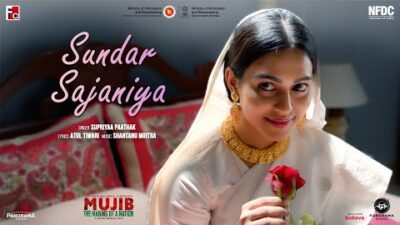
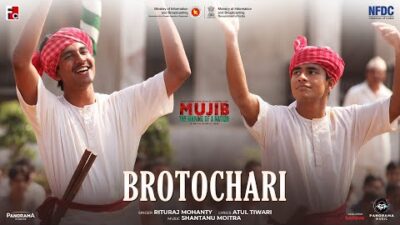


साझा कीजिए · Share this Plate