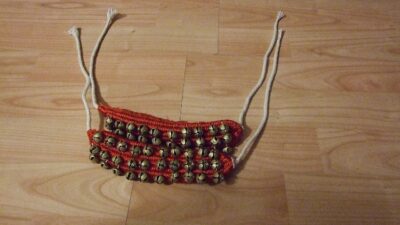
शास्त्र विंग · वाद्य-पट्टिका · Instrument Plate
घुंघरू
Ghungroo
नृत्य की आत्मा — पाँवों की पहचान · Soul of dance — the identity of dancing feet
अन्य नामघुँघरू · घुंगरू · नूपुर · पायल की घंटियाँ
एक पंक्तिघुंघरू नर्तकियों के पाँवों में बाँधी जाने वाली छोटी-छोटी धातु की घंटियों की माला है जो नृत्य के प्रत्येक कदम के साथ संगीत उत्पन्न करती है।
परिचय
Overviewघुंघरू — यह शब्द सुनते ही हृदय में एक विचित्र स्पंदन होता है। कभी यह नृत्यांगना के पाँवों की झनझनाहट की याद दिलाता है, कभी प्रियतम की प्रतीक्षा में बैठी नायिका की बेचैनी की। भारतीय सांस्कृतिक चेतना में घुंघरू केवल एक वाद्य नहीं है — यह एक भाव है, एक अनुभव है, एक संसार है। घुंघरू का इतिहास उतना ही पुराना है जितना भारतीय नृत्य का। नाट्यशास्त्र में 'नूपुर' के नाम से इसका उल्लेख है — यानी कम से कम दो हज़ार वर्षों से नर्तकियाँ घुंघरू पहनकर नृत्य करती आई हैं। खजुराहो और कोणार्क के मंदिरों की मूर्तियों में अप्सराओं के पाँवों में घुंघरू स्पष्ट दिखती हैं। मध्यकाल में मुग़ल दरबार की तवायफें और कोठे की नर्तकियाँ घुंघरू की ध्वनि से नवाबों को मुग्ध करती थीं। यही घुंघरू जो कभी दरबारी कला का प्रतीक थी, बाद में स्वतंत्र भारत में शास्त्रीय कला के पुनरुत्थान का माध्यम बनी। कथक में घुंघरू की भूमिका अन्यतम है। एक पेशेवर कथक नर्तक के पाँवों में 100-150 घुंघरू होती हैं। जब वह 'तिहाई' करता है — एक ही ताल-क्रम को तीन बार दोहराकर 'सम' पर समाप्त करता है — तो घुंघरू की ध्वनि एक जादू बन जाती है। दर्शक स्तब्ध हो जाते हैं। घुंघरू की यह ध्वनि केवल कान से नहीं सुनी जाती — यह पूरे शरीर में अनुभव होती है। हिंदी गीतों में घुंघरू एक सशक्त रूपक है। 'घुंघरू तूट गए' — इसका अर्थ है स्वप्नों का टूटना। 'घुंघरू की तरह बजना' — निरंतर और सुरीले होने का प्रतीक। 'पायलिया बाजे, घुंघरू बाजे' — उत्सव और आनंद का चित्र। इस छोटे-से वाद्य ने हिंदी काव्य और सिनेमा को अनेकानेक भाव और रूपक दिए हैं।
अंग्रेज़ी में पढ़ें · Read in English
Ghungroo — the very word creates a strange vibration in the heart. Sometimes it recalls the jingling of a dancer's feet, sometimes the restlessness of a heroine awaiting her beloved. In Indian cultural consciousness, Ghungroo is not merely an instrument — it is an emotion, an experience, a world.
Ghungroo's history is as old as Indian dance. It is mentioned as 'Noopur' in Natya Shastra — meaning dancers have worn Ghungroo for at least two thousand years. The sculptures of Khajuraho and Konark temples clearly show Ghungroo on apsaras' feet. In the medieval period, tawaifs of Mughal courts enchanted nawabs with Ghungroo's sound. This very Ghungroo that once symbolized court art later became the medium for reviving classical arts in independent India.
In Kathak, Ghungroo's role is unique. A professional Kathak dancer wears 100-150 Ghungroo bells. When performing 'Tihai' — repeating the same rhythmic sequence three times resolving on 'Sam' — Ghungroo's sound becomes magic. Audiences are transfixed. This Ghungroo sound is not merely heard with ears — it is felt through the entire body.
काव्य-पंक्ति · The Verse
काव्य-पंक्ति
घुंघरू की झनकार में जीवन का राज़ है, नाचे जो दिल से, उसी का एक अंदाज़ है। टूटे न कभी यह पायल, यही दुआ है मेरी, हर नर्तक के पाँव में हर रात, नई आवाज़ है।।
— लोक परंपरा In the jingle of Ghungroo lies the secret of life, Whoever dances from the heart has a style all their own. May this anklet never break, that is my prayer, Every night in every dancer's feet, a new sound is born.
वर्गीकरण
ClassificationNatya Shastra
घन — अप्रत्यक्ष रूप से टकराने वाला इडियोफोन
Ghana — indirectly struck idiophone
नाट्यशास्त्र में 'नूपुर' के नाम से उल्लिखित, घुंघरू शास्त्रीय नृत्य का अनिवार्य अंग है। नृत्याभिनय में पाँवों की ध्वनि को ताल से जोड़ने का यही माध्यम है। घन वाद्य होने के बावजूद यह नृत्य के साथ एकीकृत है।
Mentioned as 'Noopur' in Natya Shastra, Ghungroo is an essential part of classical dance. It is the medium for connecting footwork sounds with rhythm. Though a Ghana instrument, it is integrated with dance.
Western
Percussion
Idiophone — Rattle / Jingle
पश्चिमी वर्गीकरण में घुंघरू 'जिंगल' या 'रैटल' श्रेणी का इडियोफोन है। यह घंटियों की एक माला है जो शरीर की गति से बजती है।
In Western classification, Ghungroo is a 'jingle' or 'rattle' category idiophone. It is a string of bells activated by body movement.
Hornbostel Sachs
112.12
Jingles — small bells strung together, sounding by mutual striking during movement
सिनेमा में
In Cinemaहिंदी सिनेमा में घुंघरू का स्थान अत्यंत विशेष है। यह न केवल नृत्य का प्रतीक है बल्कि प्रेम, विरह, और उत्सव का भी। 'घुंघरू तूट गए...' जैसे गीतों में घुंघरू का टूटना नायिका के टूटे स्वप्नों और विरह का प्रतीक बन जाता है। पुरानी हिंदी फिल्मों में मुजरा और तवायफ़ के दृश्यों में घुंघरू की झनझनाहट अनिवार्य थी। मधुबाला, मीना कुमारी, और वहीदा रहमान की फिल्मों में घुंघरू की ध्वनि उन्हें एक विशेष सौंदर्य देती थी। आधुनिक फिल्मों में 'देवदास' (2002), 'उमराव जान' (2006), और 'बाजीराव मस्तानी' (2015) में घुंघरू की ध्वनि ने ऐतिहासिक वातावरण को प्रामाणिक बनाया।
अंग्रेज़ी में पढ़ें · Read in English
Ghungroo holds a special place in Hindi cinema. It symbolizes not only dance but also love, longing, and celebration. In songs like 'Ghungroo Toot Gaye,' the breaking of Ghungroo symbolizes the heroine's broken dreams and separation. In old Hindi films, Ghungroo sounds were indispensable in mujra and tawaif scenes. In films of Madhubala, Meena Kumari, and Waheeda Rehman, Ghungroo's sound gave them distinctive beauty. In modern films like 'Devdas' (2002), 'Umrao Jaan' (2006), and 'Bajirao Mastani' (2015), Ghungroo's sound made historical atmospheres authentic.
वर्तमान स्थिति
Modern Statusविवरण
घुंघरू आज भारतीय शास्त्रीय नृत्य के साथ-साथ बॉलीवुड और फ्यूज़न संगीत में भी उपस्थित है। शास्त्रीय नृत्य के पुनरुद्धार के साथ घुंघरू की लोकप्रियता बढ़ी है। विदेशों में भारतीय नृत्य के स्कूलों में घुंघरू बजाना सिखाया जाता है। आधुनिक बॉलीवुड में 'घुंघरू' शीर्षक वाले गीत बार-बार लोकप्रिय होते हैं। घुंघरू आज भी एक जीवंत और प्रासंगिक वाद्य यंत्र है।
अंग्रेज़ी में पढ़ें · Read in English
Ghungroo today appears in Indian classical dance as well as Bollywood and fusion music. With the revival of classical dance, Ghungroo's popularity has grown. Indian dance schools abroad teach Ghungroo playing. In modern Bollywood, songs titled 'Ghungroo' repeatedly become popular. Ghungroo remains a vibrant and relevant instrument today.
Estimated Players
Hundreds of thousands globally
Revival Efforts
शास्त्रीय नृत्य के पुनरुद्धार के साथ स्वाभाविक रूप से जीवंत — विशेष प्रयास की आवश्यकता नहीं
अंग्रेज़ी में पढ़ें · Read in English
Naturally thriving with classical dance revival — no special efforts needed
बनावट
Physicalविवरण
घुंघरू एक मोटी चमड़े या कपड़े की पट्टी होती है जिस पर छोटी-छोटी धातु की घंटियाँ सिली होती हैं। प्रत्येक घंटी का व्यास लगभग 5-8 मिलीमीटर होती है और उसके अंदर एक छोटी धातु की गोली या टुकड़ा होता है जो घंटी की दीवारों से टकराकर ध्वनि उत्पन्न करता है। एक जोड़ी घुंघरू में 50 से 200 तक घंटियाँ हो सकती हैं — सीखने वाले छोटी माला से शुरू करते हैं और अनुभवी नर्तक बड़ी माला पहनते हैं। पट्टी को पाँव के टखने के चारों ओर लपेटकर रस्सी या बकल से बाँधा जाता है। घंटियाँ पीतल, काँसे, या चाँदी से बनती हैं। चाँदी की घुंघरू की ध्वनि सबसे मधुर और स्पष्ट मानी जाती है। कुछ परंपराओं में घुंघरू को 'तहन' कहते हैं जो बड़ी घंटियों की माला होती है।
अंग्रेज़ी में पढ़ें · Read in English
Ghungroo is a thick leather or cloth strap with small metallic bells sewn onto it. Each bell is approximately 5-8 mm in diameter and contains a small metal ball or piece that strikes the bell walls to produce sound. A pair of Ghungroos can have 50 to 200 bells — beginners start with smaller strings and experienced dancers wear larger ones. The strap wraps around the ankle and is fastened with cord or buckle. Bells are made of brass, bronze, or silver. Silver Ghungroo are considered to have the sweetest and clearest sound. In some traditions, larger bell strings are called 'Tahan.'
Dimensions
Strap width: 3-5 cm
Length: 40-80 cm (to wrap ankle)
200-800 grams per pair (depending on number of bells)
Strings Or Keys
घुंघरू में तार नहीं होते। इसमें 50-200 छोटी धातु की घंटियाँ होती हैं जो पट्टी पर कतारों में सिली जाती हैं।
Ghungroo has no strings. It has 50-200 small metallic bells sewn in rows on the strap.
50-200 bells per anklet
Brass, bronze, or silver
Tuning
घंटियों का आकार और मोटाई ध्वनि-स्वर निर्धारित करती है — कोई औपचारिक ट्यूनिंग नहीं
Bell size and thickness determines pitch — no formal tuning system
Variable — matched within a pair for harmony
Fixed pitch per bell; collective sound covers broad tonal range
Construction
वह मोटी पट्टी जिस पर घंटियाँ सिली जाती हैं। यह पाँव के चारों ओर लपेटी जाती है।
The thick strap on which bells are sewn. It wraps around the ankle.
छोटी-छोटी खोखली धातु की घंटियाँ जो अंदर की गोली के टकराने से बजती हैं।
Small hollow metallic bells that ring from the inner ball striking their walls.
प्रत्येक घंटी के अंदर एक छोटी धातु की गोली जो टकराकर ध्वनि उत्पन्न करती है।
A small metallic ball inside each bell that strikes to produce sound.
पट्टी को पाँव के टखने पर कसकर बाँधने के लिए रस्सी या धातु की बकल।
Cord or metal buckle to tightly secure the strap around the ankle.
पट्टी की भीतरी तरफ मुलायम कपड़े की परत जो नर्तक के पाँव को चोट से बचाती है।
Soft cloth lining on the inner side of the strap protecting the dancer's ankle from injury.
ध्वनि-चरित्र
SoundTonal Character
घुंघरू की ध्वनि एक अनोखी सामूहिक झनझनाहट है। जब नर्तक पाँव पटकता है तो सैकड़ों छोटी घंटियाँ एक साथ बजती हैं और एक समृद्ध, बहु-स्तरीय ध्वनि उत्पन्न होती है। यह ध्वनि तबले की ताल के साथ मिलकर एक अनुभव बनाती है जो दर्शक को मुग्ध कर देती है। चाँदी की घुंघरू की ध्वनि सबसे मधुर और पवित्र होती है। भारी घुंघरू (200 घंटियाँ) की ध्वनि गहरी और शक्तिशाली होती है जो बड़े रंगमंच पर भी सुनाई देती है। घुंघरू की ध्वनि कथक में 'तिहाई' और 'तिग्र बोल' को सुनाई बनाती है।
अंग्रेज़ी में पढ़ें · Read in English
Ghungroo's sound is a unique collective jingle. When the dancer stamps, hundreds of small bells ring together producing a rich, multi-layered sound. Combined with tabla's rhythm, this creates an experience that mesmerizes the audience. Silver Ghungroo has the sweetest and most pure sound. Heavy Ghungroo (200 bells) produces a deep, powerful sound audible in large theaters. Ghungroo makes 'Tihai' and 'Tigra Bol' audible in Kathak.
Timbre
सामूहिक झनझनाहट — मधुर, बहु-स्तरीय, और लयबद्ध
अंग्रेज़ी में पढ़ें · Read in English
Collective jingle — sweet, multi-layered, and rhythmic
Dynamic Range
कदम की शक्ति के अनुसार — हल्के थिरकन से लेकर जोरदार पदताल तक
अंग्रेज़ी में पढ़ें · Read in English
Variable with step force — from gentle footwork to powerful stamping
Comparison
सैकड़ों छोटी घंटियों का एक साथ बजना — जैसे हल्की बारिश की फुहार धीरे-धीरे मूसलाधार बने
अंग्रेज़ी में पढ़ें · Read in English
Hundreds of small bells ringing together — like gentle rain slowly becoming a downpour
वादन-तकनीक
Playing Techniqueविवरण
घुंघरू 'बजाई' नहीं जाती — यह नृत्य के दौरान पाँवों की गति से स्वयं ध्वनि उत्पन्न करती है। कथक में 'तत्कार' (पाँवों की ताल) सीखना घुंघरू की ध्वनि उत्पन्न करने का आधार है। नर्तक पाँव की एड़ी (heel), पंजा (ball of foot), और अँगुलियों (toes) के विभिन्न संयोजनों से अलग-अलग ध्वनियाँ निकालता है। एड़ी से ज़मीन पर पटकने पर एक जोरदार 'धाँ' आवाज़ आती है। पंजे से थिरकने पर एक हल्की 'छन' आवाज़ आती है। 'तिहाई' — एक विशेष ताल क्रम — में घुंघरू की ध्वनि अत्यंत स्पष्ट और नाटकीय होती है। भरतनाट्यम में घुंघरू का उपयोग अलग होता है जहाँ 'नट्टुवनगम' ताल बोल गाते समय नर्तकी की घुंघरू संगत करती है।
अंग्रेज़ी में पढ़ें · Read in English
Ghungroo is not 'played' — it produces sound naturally through foot movements during dance. In Kathak, learning 'Tatkar' (foot rhythms) is the foundation for producing Ghungroo sound. The dancer uses different combinations of heel, ball of foot, and toes to produce different sounds. Striking the heel produces a loud 'Dhaan' sound. Tapping the ball of foot produces a lighter 'Chhan' sound. 'Tihai' — a special rhythmic sequence — showcases Ghungroo sound most dramatically. In Bharatanatyam, Ghungroo use differs — the dancer's bells accompany while 'Nattuvangam' rhythmic syllables are recited.
Posture
नृत्य की विशेष मुद्राओं के अनुसार — आरामदेह मेरुदंड, भुजाएँ नृत्य भंगिमा में, पाँव सक्रिय
अंग्रेज़ी में पढ़ें · Read in English
According to specific dance postures — relaxed spine, arms in dance gestures, feet active
Techniques
कथक में पाँव की एड़ी और पंजे को बारी-बारी से ज़मीन पर रखने की मूल क्रिया। यह घुंघरू की ध्वनि का आधार है। ता, थेई, थेई, ता — इन बोलों पर तत्कार किया जाता है।
The basic Kathak action of alternately placing heel and ball of foot on the ground. This is the foundation of Ghungroo sound. Tatkar is done on syllables: Ta, Thei, Thei, Ta.
एड़ी को ज़ोर से ज़मीन पर पटकना जिससे घुंघरू की जोरदार ध्वनि आती है। यह तीव्र भाव, क्रोध, या ऊर्जावान भावों को व्यक्त करने के लिए उपयोग होता है।
Forcefully striking the heel on the ground producing powerful Ghungroo sound. Used to express intense emotions, anger, or energetic moods.
पाँव के पंजे से हल्की और तेज़ थिरकन जो एक हल्की, सुसंगत ध्वनि देती है। खुशी और कोमल भावनाओं को व्यक्त करने के लिए।
Light and rapid tapping with ball of foot producing a gentle, harmonious sound. Used for expressing joy and tender emotions.
एक ताल-क्रम को तीन बार दोहराकर सम पर समाप्त करना। कथक में यह सबसे नाटकीय क्षण है जहाँ घुंघरू की ध्वनि चरमोत्कर्ष पर पहुँचती है।
Repeating a rhythmic sequence three times to resolve on the beat. In Kathak, this is the most dramatic moment where Ghungroo sound reaches its climax.
भरतनाट्यम में 'अडावु' (पाँव की स्थितियों के समूह) के साथ घुंघरू की ध्वनि का समन्वय। इसमें जटिल ताल-गणना और नट्टुवनगम के बोलों के साथ सामंजस्य आवश्यक है।
Coordination of Ghungroo sound with 'Adavu' (sets of foot positions) in Bharatanatyam. Requires complex rhythmic calculation and synchronization with Nattuvangam syllables.
निर्माण-प्रक्रिया
Making Processविवरण
घुंघरू निर्माण एक कुशल शिल्प है। सबसे पहले छोटी-छोटी खोखली धातु की घंटियाँ ढाली जाती हैं — प्रत्येक में एक छोटी गोली बंद की जाती है। पीतल के लिए रेत-ढलाई (sand casting) और काँसे के लिए खोई-मोम ढलाई (lost-wax casting) का उपयोग होता है। घंटियाँ तैयार होने के बाद उन्हें पॉलिश किया जाता है। फिर मोटे चमड़े या कड़े कपड़े की पट्टी तैयार की जाती है। घंटियों को पट्टी पर एक-एक करके तार से सिला जाता है — यह अत्यंत धैर्य का काम है। उच्च गुणवत्ता की घुंघरू में घंटियों को इस प्रकार व्यवस्थित किया जाता है कि वे एक सुरीली ध्वनि उत्पन्न करें, न कि अव्यवस्थित शोर।
अंग्रेज़ी में पढ़ें · Read in English
Ghungroo making is a skilled craft. First, small hollow metallic bells are cast — each with a small ball enclosed inside. Sand casting is used for brass and lost-wax casting for bronze. After bells are ready, they are polished. Then a thick leather or stiff cloth strap is prepared. Bells are sewn onto the strap one by one with wire — extremely patient work. In high-quality Ghungroo, bells are arranged to produce a harmonious sound rather than random noise.
Materials
सबसे सामान्य सामग्री — टिकाऊ, किफायती, और अच्छी ध्वनि।
Most common material — durable, affordable, and good sound.
सबसे मधुर ध्वनि के लिए — पेशेवर नर्तकों की पसंद।
For the sweetest sound — preferred by professional dancers.
पट्टी के लिए टिकाऊ चमड़ा जो पाँव को सहारा दे।
Durable leather for the strap that supports the ankle.
घंटियों को पट्टी पर मज़बूती से सीने के लिए।
For securely sewing bells onto the strap.
Artisan Centers
जयपुर के कारीगर उच्च गुणवत्ता की घुंघरू बनाने के लिए प्रसिद्ध हैं — विशेष रूप से कथक के लिए।
Jaipur artisans are renowned for making high-quality Ghungroo — especially for Kathak.
लखनऊ घराने के कथक के साथ यहाँ के घुंघरू निर्माण की परंपरा गहरी है।
Lucknow has a deep Ghungroo-making tradition tied to its Kathak gharana.
भरतनाट्यम के लिए विशेष काँसे की घुंघरू का निर्माण।
Special bronze Ghungroo made for Bharatanatyam.
Time To Craft
2-5 days per pair
Price Range
₹500–15,000 (पीतल से चाँदी तक)
संगीत-समूह में भूमिका
Role In EnsemblePrimary Role
शास्त्रीय नृत्य में पाँव की ताल को दृश्य-श्रव्य बनाना
अंग्रेज़ी में पढ़ें · Read in English
Making foot rhythm audible and visible in classical dance
Solo Capability
घुंघरू स्वयं में एक वाद्य नहीं है — यह नर्तक के शरीर का विस्तार है। नृत्य के बिना घुंघरू अधूरी है।
अंग्रेज़ी में पढ़ें · Read in English
Ghungroo is not an instrument by itself — it is an extension of the dancer's body. Without dance, Ghungroo is incomplete.
Accompaniment For
कथक में घुंघरू ताल का मूल वाहक है। तबले और पखावज के साथ मिलकर यह ताल की त्रिवेणी बनाती है।
In Kathak, Ghungroo is the primary bearer of rhythm. Combined with tabla and pakhawaj, it forms a rhythmic trinity.
भरतनाट्यम में घुंघरू नर्तकी के अडावु को ध्वनि देती है और मृदंग की ताल को पाँव से व्यक्त करती है।
In Bharatanatyam, Ghungroo gives sound to the dancer's Adavu and expresses mridangam's rhythm through feet.
इन सभी शास्त्रीय नृत्य शैलियों में घुंघरू पाँव की ध्वनि का अनिवार्य माध्यम है।
In all these classical dance forms, Ghungroo is the essential medium for foot sounds.
लोक संगीत में
In Folk Musicलोक परंपराओं में घुंघरू का व्यापक उपयोग है। राजस्थान में 'कालबेलिया' नृत्य में नर्तकियाँ घुंघरू पहनती हैं। मध्य प्रदेश और छत्तीसगढ़ के आदिवासी नृत्यों में घुंघरू एक अनिवार्य हिस्सा है। मणिपुर के 'रास लीला' में घुंघरू की ध्वनि विशेष महत्व रखती है। पूरे भारत में शादी-विवाह, मेले, और त्योहारों में नर्तकियाँ घुंघरू पहनकर नृत्य करती हैं।
अंग्रेज़ी में पढ़ें · Read in English
Ghungroo is widely used in folk traditions. In Rajasthan's 'Kalbelia' dance, performers wear Ghungroo. Tribal dances of Madhya Pradesh and Chhattisgarh include Ghungroo as an essential part. In Manipur's 'Ras Leela,' Ghungroo holds special significance. Across India at weddings, fairs, and festivals, dancers wear Ghungroo.
क्षेत्रीय रूप
Regional Variantsलखनऊ कथक में हल्की और नाज़ुक ध्वनि वाली घुंघरू पसंद की जाती है। घंटियाँ छोटी और अधिक संख्या में होती हैं।
Lucknow Kathak prefers Ghungroo with light and delicate sound. Bells are smaller and more numerous.
जयपुर कथक में बड़ी और जोरदार ध्वनि वाली घुंघरू पसंद की जाती है। घंटियाँ बड़ी होती हैं जो ज़ोरदार पटकन में स्पष्ट आवाज़ देती हैं।
Jaipur Kathak prefers large Ghungroo with powerful sound. Bells are larger, giving clear sound in forceful stamping.
भरतनाट्यम में 'सलंगई' नाम से जानी जाने वाली घुंघरू में काँसे की घंटियाँ होती हैं और ये विशेष रूप से दक्षिण भारतीय नृत्य की ताल के अनुकूल बनाई जाती हैं।
Known as 'Salangai' in Bharatanatyam, these Ghungroo have bronze bells specially crafted for South Indian dance rhythms.
प्रसिद्ध वादक
Famous Playersकथक के सर्वश्रेष्ठ कलाकारों में से एक, पद्म विभूषण बिरजू महाराज की घुंघरू की ताल भारतीय नृत्य की पहचान बनी। उनके तत्कार की ध्वनि और तिहाई की जटिलता अद्वितीय थी। उन्होंने कथक को अंतर्राष्ट्रीय स्तर पर स्थापित किया और उनकी घुंघरू हर प्रदर्शन में एक संगीत-सभा बन जाती थी।
One of Kathak's greatest artists, Padma Vibhushan Birju Maharaj's Ghungroo rhythms became the identity of Indian dance. His Tatkar sound and Tihai intricacies were unmatched. He established Kathak internationally and his Ghungroo turned every performance into a musical concert.
कथक की 'महारानी' कहलाने वाली सितारा देवी की घुंघरू की आवाज़ उनकी पहचान थी। उन्होंने बनारस और मुंबई में कथक को नई ऊँचाई दी। फिल्मों में भी उनका नृत्य और घुंघरू की ध्वनि अविस्मरणीय थी।
Called the 'Queen of Kathak,' Sitara Devi's Ghungroo sound was her identity. She elevated Kathak to new heights in Varanasi and Mumbai. Her dance and Ghungroo sound in films was unforgettable.
भरतनाट्यम के पुनरुद्धार में रुक्मिणी देवी का योगदान अतुलनीय है। उन्होंने 'कलाक्षेत्र' संस्थान की स्थापना की और भरतनाट्यम की घुंघरू को एक नई पहचान दी। उनके कारण दक्षिण भारत में शास्त्रीय नृत्य फिर से सम्मानजनक स्थान पाया।
Rukmini Devi's contribution to Bharatanatyam revival is unparalleled. She founded 'Kalakshetra' institution and gave Bharatanatyam's Ghungroo a new identity. She restored classical dance's honorable place in South India.
कुचिपुड़ी और भरतनाट्यम की प्रख्यात कलाकार मल्लिका साराभाई ने अपने नृत्य और घुंघरू से सामाजिक संदेश दिए। उनकी प्रस्तुतियों में घुंघरू की ध्वनि कला और सक्रियता का संगम है।
Renowned Kuchipudi and Bharatanatyam artist Mallika Sarabhai has used her dance and Ghungroo to deliver social messages. In her performances, Ghungroo sound is a confluence of art and activism.
लखनऊ कथक घराने के पितामह लच्छू महाराज ने कथक को फिल्मों में लोकप्रिय बनाया। उनकी घुंघरू की ध्वनि और भाव-भंगिमा का मेल हिंदी सिनेमा को उपहार था।
The patriarch of Lucknow Kathak gharana, Lachhu Maharaj popularized Kathak in films. His Ghungroo sound combined with facial expressions was a gift to Hindi cinema.
राग-उपयुक्तता
Raag Suitabilityयमन की मधुर और रोमांटिक प्रकृति घुंघरू के साथ भाव-नृत्य में आदर्श है। श्रृंगार रस के नृत्यों में यमन सबसे उपयुक्त है।
Yaman's sweet and romantic nature is ideal for expressive dance with Ghungroo. It is most suitable for Shringara Rasa dances.
भैरवी की करुण और विदाई-भाव की प्रकृति घुंघरू की सधी ताल के साथ बेहद प्रभावशाली होती है।
Bhairavi's melancholic and farewell nature with Ghungroo's composed rhythm is very impactful.
बागेश्री की भाव-विभोर करने वाली प्रकृति नृत्य में घुंघरू की लय के साथ मिलकर विरह और प्रेम को व्यक्त करती है।
Bageshri's emotionally overwhelming nature, combined with Ghungroo's rhythm in dance, expresses separation and love.
पीलू का उत्सव और खुशी का चरित्र घुंघरू के साथ नृत्य-उत्सव में आनंद लाता है।
Pilu's festive and joyful character brings delight to dance celebrations with Ghungroo.
घराना-संबंध
Gharana Connectionsलखनऊ घराने में घुंघरू की कोमल, लयदार ध्वनि पर विशेष जोर दिया जाता है। यहाँ 'नाज़ुक' शैली में घुंघरू बजाई जाती है।
Lucknow gharana places special emphasis on Ghungroo's soft, rhythmic sound. Here Ghungroo is played in the 'Nazuk' (delicate) style.
जयपुर घराने में जोरदार और शक्तिशाली पदताल पर जोर है। घुंघरू की ताकतवर ध्वनि यहाँ की पहचान है।
Jaipur gharana emphasizes powerful and forceful footwork. The powerful Ghungroo sound is its identity.
सीखने का मार्ग
Learning Pathविवरण
घुंघरू सीखना एक लंबी और कठिन यात्रा है। यह यात्रा केवल वाद्य सीखने की नहीं है — यह नृत्य का सम्पूर्ण अनुशासन है। छात्र पहले नंगे पाँव तत्कार सीखता है। कुछ महीनों के बाद जब एड़ी और पंजे का नियंत्रण आ जाता है, तब घुंघरू बाँधी जाती है। पहली घुंघरू बाँधना एक महत्वपूर्ण अनुष्ठान है — इसे 'घुंघरू बाँधना' कहते हैं और इसे गुरु स्वयं करते हैं। घुंघरू के साथ तत्कार, आमद, परन, और तिहाई सीखने में वर्षों लगते हैं। एक पेशेवर कथक कलाकार बनने के लिए 10-15 वर्षों का गहन अभ्यास आवश्यक है।
अंग्रेज़ी में पढ़ें · Read in English
Learning Ghungroo is a long and demanding journey. It is not merely learning an instrument — it is the complete discipline of dance. Students first learn Tatkar barefoot. After several months when heel and foot control is established, Ghungroo is tied. Tying the first Ghungroo is an important ritual — the guru does it personally. Learning Tatkar, Aamad, Paran, and Tihai with Ghungroo takes years. Becoming a professional Kathak artist requires 10-15 years of intense practice.
Beginner Steps
बिना घुंघरू के एड़ी और पंजे का नियंत्रण और ताल बोल सीखना।
Learning heel and foot control and rhythmic syllables without Ghungroo.
गुरु द्वारा पहली बार घुंघरू बाँधना — एक अनुष्ठानिक क्षण।
Guru ties Ghungroo for the first time — a ceremonial moment.
घुंघरू के साथ ताल-क्रम का अभ्यास — ध्वनि और गति का समन्वय।
Practicing rhythmic sequences with Ghungroo — coordinating sound and movement.
सामान्य अवधि
10-15 years for professional mastery
संस्थान
भारत सरकार का प्रमुख कथक संस्थान जहाँ घुंघरू सहित कथक की पूर्ण शिक्षा मिलती है।
Government of India's premier Kathak institution offering complete Kathak education including Ghungroo.
रुक्मिणी देवी द्वारा स्थापित संस्थान जहाँ भरतनाट्यम में घुंघरू (सलंगई) की शिक्षा दी जाती है।
Institution founded by Rukmini Devi offering Bharatanatyam education including Ghungroo (Salangai).
लखनऊ घराने की परंपरा में कथक और घुंघरू की शिक्षा।
Kathak and Ghungroo education in the Lucknow gharana tradition.
सांस्कृतिक महत्व
Cultural Significanceघुंघरू भारतीय सांस्कृतिक परंपरा में स्त्रीत्व, सौंदर्य, कला, और भक्ति का प्रतीक है। यह केवल एक नृत्य-वाद्य नहीं है — यह एक सांस्कृतिक संदेश देता है। घुंघरू की ध्वनि भारतीय साहित्य, काव्य, सिनेमा, और लोककथाओं में सर्वत्र व्याप्त है। 'घुंघरू बाँधना' एक नर्तक के जीवन का सबसे महत्वपूर्ण अनुष्ठान है — यह उसकी गुरु के प्रति समर्पण और कला के प्रति प्रतिबद्धता का प्रतीक है। घुंघरू टूटना दुर्भाग्य का और घुंघरू बजना शुभ का प्रतीक है। यह वाद्य समाज के विभिन्न स्तरों में अलग-अलग अर्थ रखता है — दरबार में यह विलास का प्रतीक था, मंदिर में भक्ति का, और आज के शास्त्रीय मंच पर कला की श्रेष्ठता का।
अंग्रेज़ी में पढ़ें · Read in English
Ghungroo symbolizes femininity, beauty, art, and devotion in Indian cultural tradition. It is not merely a dance instrument — it carries cultural messages. Ghungroo's sound permeates Indian literature, poetry, cinema, and folklore. 'Tying Ghungroo' is the most important ritual in a dancer's life — symbolizing dedication to the guru and commitment to art. Breaking Ghungroo symbolizes misfortune; sounding Ghungroo symbolizes auspiciousness. This instrument holds different meanings across social strata — in courts it symbolized luxury, in temples devotion, and on today's classical stage, artistic excellence.
सुनने का मार्गदर्शन
The Listening Guideघुंघरू की ध्वनि सुनने के लिए पहले किसी उत्कृष्ट कथक प्रदर्शन की रिकॉर्डिंग सुनें। ध्यान दें कि घुंघरू और तबले की ध्वनि कैसे एक-दूसरे के पूरक हैं। 'तिहाई' के क्षण को विशेष ध्यान से सुनें — तीन बार का दोहराव और अंत में 'सम' पर समाप्ति। फिर भरतनाट्यम की घुंघरू (सलंगई) सुनें और अंतर पहचानें — दक्षिण भारतीय नृत्य की ताल अलग होती है। बिरजू महाराज के प्रदर्शनों में घुंघरू की आवाज़ सबसे स्पष्ट और शिक्षाप्रद होती है।
अंग्रेज़ी में पढ़ें · Read in English
To listen to Ghungroo sounds, first hear a recording of an excellent Kathak performance. Notice how Ghungroo and tabla sounds complement each other. Pay special attention to the 'Tihai' moment — the triple repetition ending on 'Sam.' Then listen to Bharatanatyam's Ghungroo (Salangai) and identify the difference — South Indian dance has different rhythms. Birju Maharaj's performances feature the clearest and most educational Ghungroo sounds.
श्रवण-कक्ष · The Listening Room
देखें-सुनें
बिरजू महाराज — कथक तत्कार प्रदर्शन · बिरजू महाराज · varies
घुंघरू बाँधने की विधि और महत्व · Indian Dance Academy · varies
परिचय
Identity- Year Of Origin
- -500
वर्गीकरण
Classification- Code
- 112.12
- Description
- Jingles — small bells strung together, sounding by mutual striking during movement
- Category
- घन — अप्रत्यक्ष रूप से टकराने वाला इडियोफोन
- Category En
- Ghana — indirectly struck idiophone
- Description
- नाट्यशास्त्र में 'नूपुर' के नाम से उल्लिखित, घुंघरू शास्त्रीय नृत्य का अनिवार्य अंग है। नृत्याभिनय में पाँवों की ध्वनि को ताल से जोड़ने का यही माध्यम है। घन वाद्य होने के बावजूद यह नृत्य के साथ एकीकृत है।
- Description En
- Mentioned as 'Noopur' in Natya Shastra, Ghungroo is an essential part of classical dance. It is the medium for connecting footwork sounds with rhythm. Though a Ghana instrument, it is integrated with dance.
Hornbostel Sachs
Natya Shastra
अन्य विवरण
More Details- चमड़े / कपड़े की पट्टी (Base Strap) — वह मोटी पट्टी जिस पर घंटियाँ सिली जाती हैं। यह पाँव के चारों ओर लपेटी जाती है। · Leather / Cloth Base Strap
- धातु की घंटियाँ (Metallic Bells) — छोटी-छोटी खोखली धातु की घंटियाँ जो अंदर की गोली के टकराने से बजती हैं। · Metallic Bells
- आंतरिक गोली (Inner Ball) — प्रत्येक घंटी के अंदर एक छोटी धातु की गोली जो टकराकर ध्वनि उत्पन्न करती है। · Inner Ball
- बंधन रस्सी / बकल (Fastening) — पट्टी को पाँव के टखने पर कसकर बाँधने के लिए रस्सी या धातु की बकल। · Fastening Cord / Buckle
- पैडिंग (Padding) — पट्टी की भीतरी तरफ मुलायम कपड़े की परत जो नर्तक के पाँव को चोट से बचाती है। · Inner Padding
- System
- घंटियों का आकार और मोटाई ध्वनि-स्वर निर्धारित करती है — कोई औपचारिक ट्यूनिंग नहीं
- System En
- Bell size and thickness determines pitch — no formal tuning system
- Standard Tuning
- Variable — matched within a pair for harmony
- Range
- Fixed pitch per bell; collective sound covers broad tonal range
- Timbre
- सामूहिक झनझनाहट — मधुर, बहु-स्तरीय, और लयबद्ध
Construction
Tuning
रोचक तथ्य
Margin Notesएक पेशेवर कथक नर्तक अपने जीवनकाल में सैकड़ों जोड़ी घुंघरू पहनता है। बिरजू महाराज ने एक बार कहा था कि उनके लिए घुंघरू बाँधना एक ध्यान की अवस्था है — प्रत्येक घुंघरू बाँधते समय वे अपने गुरु का स्मरण करते हैं।
A professional Kathak dancer wears hundreds of pairs of Ghungroo in a lifetime. Birju Maharaj once said that tying Ghungroo is a meditative state for him — with each Ghungroo, he remembers his guru.
खजुराहो (950-1050 ईस्वी) के मंदिर की मूर्तियों में स्पष्ट रूप से घुंघरू दर्शाई गई हैं। यानी एक हज़ार वर्ष पहले भी घुंघरू आज जैसी ही दिखती थी। यह इस वाद्य की अद्भुत स्थिरता का प्रमाण है।
Sculptures of Khajuraho temples (950-1050 CE) clearly depict Ghungroo. This means Ghungroo looked the same a thousand years ago. This is remarkable evidence of this instrument's extraordinary stability.
घुंघरू की संख्या नर्तक के अनुभव और प्रदर्शन के स्थान पर निर्भर करती है। शिक्षार्थी 25-50 घुंघरू से शुरू करते हैं, मध्यम स्तर के कलाकार 75-100, और पेशेवर 100-200 घुंघरू पहनते हैं। एक बड़े रंगमंच पर 200 घुंघरू की ध्वनि पूरे हॉल में गूँजती है।
The number of Ghungroo bells depends on the dancer's experience and performance venue. Students start with 25-50 bells, intermediate artists use 75-100, and professionals wear 100-200. On a large stage, 200 Ghungroo's sound resonates throughout the entire hall.
हिंदी सिनेमा में 'घुंघरू' शब्द वाले सैकड़ों गाने हैं। यह किसी भी भारतीय वाद्य यंत्र से अधिक है। 'घुंघरू' की लोकप्रियता इसलिए है क्योंकि यह शब्द अपने आप में एक छवि, एक भाव, और एक संगीत उत्पन्न करता है।
Hindi cinema has hundreds of songs with the word 'Ghungroo' — more than any other Indian instrument. 'Ghungroo' is popular because the very word itself creates an image, an emotion, and music.
घुंघरू बाँधना और उतारना एक गंभीर अनुष्ठान है। एक सच्चा कथक नर्तक कभी घुंघरू को ज़मीन पर नहीं फेंकता — उसे प्रणाम करके रखता है। और प्रदर्शन से पहले घुंघरू बाँधते समय गुरु का और भगवान का स्मरण किया जाता है।
Tying and untying Ghungroo is a serious ritual. A true Kathak dancer never throws Ghungroo on the ground — they place it with reverence. Before a performance, tying Ghungroo is accompanied by remembering the guru and God.
विज्ञान की दृष्टि से घुंघरू एक अद्वितीय ध्वनि यंत्र है। सैकड़ों छोटी घंटियाँ एक साथ बजती हैं तो उनकी आवृत्तियाँ मिलकर एक समृद्ध हारमोनिक ध्वनि उत्पन्न करती हैं। इस ध्वनि में 'कोरस प्रभाव' होता है जो एकल घंटी से अलग और अधिक प्रभावशाली है।
Scientifically, Ghungroo is a unique sound instrument. When hundreds of small bells ring together, their combined frequencies produce a rich harmonic sound. This sound has a 'chorus effect' that is different and more impactful than a single bell.
क्या आप जानते हैं?
Did You Knowक्या आप जानते हैं कि बिरजू महाराज ने संजय लीला भंसाली की फिल्म 'देवदास' (2002) में माधुरी दीक्षित के नृत्य के लिए कोरियोग्राफी की थी? उस प्रदर्शन में घुंघरू की ध्वनि कथक की श्रेष्ठता का प्रतीक बनी।
Did you know that Birju Maharaj choreographed Madhuri Dixit's dance in Sanjay Leela Bhansali's 'Devdas' (2002)? In that performance, Ghungroo's sound became a symbol of Kathak's excellence.
क्या आप जानते हैं कि 'घुंघरू बाँधना' एक मुहावरा भी है जिसका अर्थ है किसी काम के लिए पूरी तरह तैयार होना या किसी चुनौती को स्वीकार करना? यह मुहावरा घुंघरू के उस अनुष्ठान से आया है जिसमें नर्तक प्रदर्शन से पहले घुंघरू बाँधता है।
Did you know that 'Ghungroo Baandhna' is also an idiom meaning to be fully prepared for a task or to accept a challenge? This idiom comes from the ritual where a dancer ties Ghungroo before a performance.
क्या आप जानते हैं कि चाँदी की घुंघरू की ध्वनि उच्च आवृत्ति (high frequency) और अधिक लंबे समय तक गूँजती है? इसीलिए बड़े नर्तक विशेष अवसरों पर चाँदी की घुंघरू पहनते हैं — इसकी ध्वनि हॉल के आखिरी कोने तक पहुँचती है।
Did you know that silver Ghungroo produces higher frequency sound that resonates longer? This is why senior dancers wear silver Ghungroo on special occasions — its sound reaches the last corner of the hall.
सूक्तियाँ
Words of the Masters“घुंघरू बाँधना मेरे लिए भगवान से मिलने जैसा है — हर बार, हर मंच पर।”
“Tying Ghungroo for me is like meeting God — every time, on every stage.”
— — बिरजू महाराज
“मेरी घुंघरू मेरी आवाज़ है, मेरी पहचान है, मेरा जीवन है।”
“My Ghungroo is my voice, my identity, my life.”
— — सितारा देवी
“जिस दिन घुंघरू बाँधी, उस दिन से ज़िंदगी में लय आई।”
“The day I tied Ghungroo, rhythm entered my life.”
— — भारतीय नृत्य परंपरा
सवाल-जवाब
Questions & Answersघुंघरू क्या है और इसे कैसे बाँधते हैं?
घुंघरू नर्तकों के पाँवों में बाँधी जाने वाली छोटी धातु की घंटियों की माला है। इसे मोटी चमड़े या कपड़े की पट्टी पर 50-200 छोटी पीतल या चाँदी की घंटियाँ सिलकर बनाया जाता है। इसे टखने के चारों ओर लपेटकर रस्सी से बाँधा जाता है। कथक में इसे बाँधना एक गंभीर अनुष्ठान है जो गुरु स्वयं करते हैं।
कथक में घुंघरू का क्या महत्व है?
कथक में घुंघरू ताल का मूल वाहक है। नर्तक के पाँवों की हर हरकत — एड़ी, पंजा, उँगलियाँ — घुंघरू के माध्यम से ताल बन जाती है। 'तिहाई' — एक ताल-क्रम को तीन बार दोहराकर 'सम' पर समाप्त करना — घुंघरू के साथ सबसे नाटकीय क्षण है। एक पेशेवर कथक कलाकार की घुंघरू में 100-200 घंटियाँ होती हैं।
घुंघरू और भरतनाट्यम की सलंगई में क्या अंतर है?
घुंघरू और सलंगई मूलतः एक ही हैं — दोनों धातु की घंटियों की माला पाँव में बाँधी जाती है। अंतर मुख्यतः निर्माण और ध्वनि में है। उत्तर भारत की घुंघरू में पीतल की घंटियाँ होती हैं और लखनऊ या जयपुर शैली में बनाई जाती हैं। दक्षिण भारत की सलंगई में काँसे की घंटियाँ होती हैं और वे कर्नाटकी ताल-पद्धति के लिए उपयुक्त होती हैं।
हिंदी गानों में घुंघरू का क्या महत्व है?
हिंदी सिनेमा और संगीत में घुंघरू एक बहुत शक्तिशाली प्रतीक है। 'घुंघरू तूट गए' का अर्थ है स्वप्नों का टूटना और जीवन में दुःख आना। 'घुंघरू की तरह बजना' का अर्थ है निरंतर और मधुर होना। 'पायलिया बाजे, घुंघरू बाजे' उत्सव और खुशी का प्रतीक है। हिंदी सिनेमा में 'घुंघरू' शब्द वाले सैकड़ों गाने हैं जो हर दशक में लोकप्रिय हुए हैं।
इतिहास
The Historyउत्पत्ति — प्राचीन काल — कम से कम 2000 वर्ष पूर्व Origin
घुंघरू का उद्भव प्राचीन भारत की देवदासी और नृत्य परंपराओं में हुआ। नाट्यशास्त्र (200 ईसा पूर्व — 200 ईस्वी) में 'नूपुर' के रूप में इसका उल्लेख है। प्राचीन मंदिरों में नर्तकियाँ देवता के सामने नृत्य करती थीं और उनके पाँवों की घुंघरू की ध्वनि देवता को आनंदित करती थी। ऋग्वेद में भी पाँवों में पहने जाने वाले आभूषणों का उल्लेख है। खजुराहो, कोणार्क, और अजंता की मूर्तियाँ और चित्र घुंघरू के प्राचीन उपयोग के प्रमाण हैं।
अंग्रेज़ी में पढ़ें · Read in English
Ghungroo originated in ancient India's Devadasi and dance traditions. It is mentioned as 'Noopur' in Natya Shastra (200 BCE–200 CE). In ancient temples, dancers performed before deities and Ghungroo's sound delighted them. The Rigveda also mentions ankle ornaments. Sculptures and paintings at Khajuraho, Konark, and Ajanta are evidence of Ghungroo's ancient use.
विकास-यात्रा · Evolution
- प्राचीन — देवदासी काल (500 ईसा पूर्व — 1000 ईस्वी) इस काल में घुंघरू मुख्यतः मंदिर की देवदासियों का वाद्य था। पाँव में पहने जाने वाले आभूषण के रूप में यह धार्मिक नृत्य का हिस्सा था। सामग्री मुख्यतः काँसा या पीतल था।
- मध्यकाल — दरबारी नृत्य काल (1000 — 1800 ईस्वी) मुग़ल और राजपूत दरबारों में नृत्य की परंपरा के साथ घुंघरू एक कलात्मक वाद्य बना। कथक का विकास इसी काल में हुआ और घुंघरू का स्वरूप परिष्कृत हुआ। लखनऊ और जयपुर घरानों ने घुंघरू वादन की अलग-अलग शैलियाँ विकसित कीं।
- आधुनिक काल — पुनरुत्थान और वैश्विकरण (1900 — वर्तमान) स्वतंत्र भारत में शास्त्रीय नृत्य के पुनरुत्थान के साथ घुंघरू को नई प्रतिष्ठा मिली। रुक्मिणी देवी और बिरजू महाराज जैसे कलाकारों ने घुंघरू को अंतर्राष्ट्रीय मंच दिया। बॉलीवुड ने घुंघरू को जन-जन तक पहुँचाया।
प्रमुख पड़ाव · Key Milestones
- -200 नाट्यशास्त्र में 'नूपुर' के रूप में घुंघरू का व्यवस्थित उल्लेख
- 1000 खजुराहो और कोणार्क के मंदिरों में घुंघरू पहने नर्तकियों की मूर्तियाँ
- 1750 लखनऊ और जयपुर में कथक घरानों का विकास — घुंघरू की विशिष्ट शैलियाँ उभरीं
- 1936 रुक्मिणी देवी द्वारा कलाक्षेत्र स्थापना — भरतनाट्यम की घुंघरू को नई पहचान
- 1972 पाकीज़ा में 'घुंघरू तूट गए' दृश्य — हिंदी सिनेमा में घुंघरू का सबसे प्रतीकात्मक क्षण
- 2002 देवदास फिल्म में बिरजू महाराज की कोरियोग्राफी — कथक और घुंघरू को अंतर्राष्ट्रीय दर्शक मिले
नमूना-पट्टी
The Specimen Table| नाम | घुंघरू · Ghungroo |
|---|---|
| अन्य नाम | घुँघरू · घुंगरू · नूपुर · पायल की घंटियाँ · Noopur · Ankle Bells |
| उद्गम | -500 |
| काल | प्राचीन काल — कम से कम 2000 वर्ष पूर्व |
| प्रकार | वाद्य · Instruments |
जुड़े हुए पन्ने
Connected Plates · The Graph Made Visibleअटलस में कोई पन्ना अकेला नहीं — इस वाद्य से जुड़े गीत, कलाकार, शास्त्र और कहानियाँ, सब यहाँ से खुलते हैं।
जुड़े गीत · Songs
इस वाद्य के गीत
Songs of this Instruments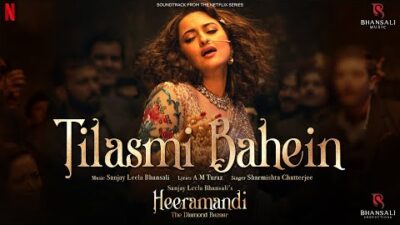
साझा कीजिए · Share this Plate