सिनेमा विंग · फ़िल्म-पट्टिका · Film Plate
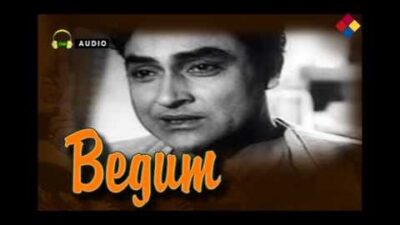
बेगम
Begum
शैलीSocial · Drama
भाषाhindi प्रकारकथा-चित्र (फ़ीचर)
गीत9 — नीचे पूरी संगीत-सूची
कथा-सार
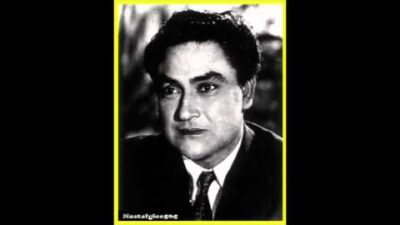
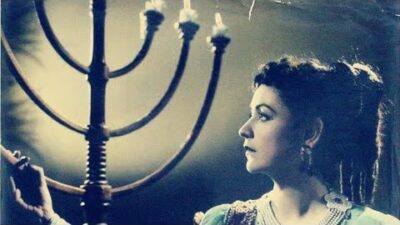
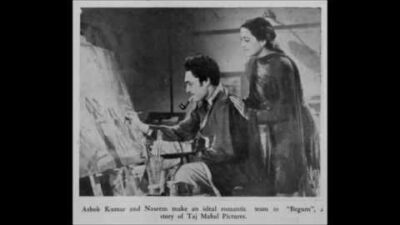
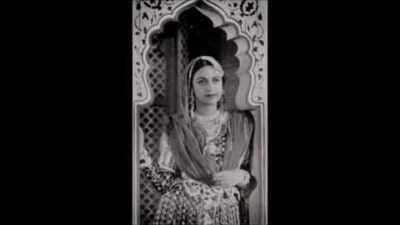
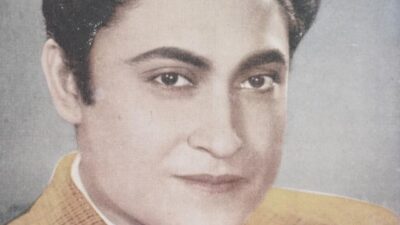
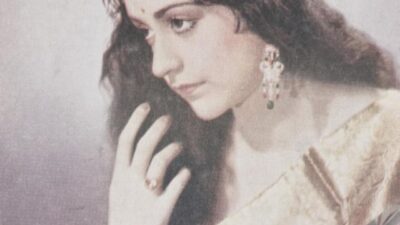
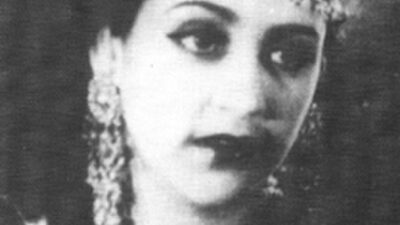
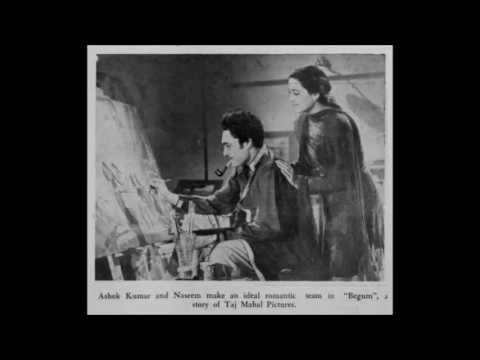
Synopsis'बेगम' 1945 की एक सामाजिक फ़िल्म है, जो ताजमहल पिक्चर्स के अंतर्गत बनी — वह बैनर जिसे अभिनेत्री नसीम बानो अपने पति मियाँ एहसान-उल-हक़ के साथ चलाती थीं — और जिसमें वे अशोक कुमार के सामने हैं, जो किस्मत (1943) के बाद भारतीय सिनेमा के सबसे बड़े सितारे थे; यह जोड़ी फ़िल्मिस्तान की 'चल चल रे नौजवान' (1944) के ठीक एक वर्ष बाद फिर बनी। निर्देशन सुशील मजूमदार का था; MySwar पटकथा का श्रेय सआदत हसन मंटो को देता है, जो उस समय अपने सबसे उर्वर बंबई-काल के बीच थे और पिछली फ़िल्म भी उन्होंने ही लिखी थी। दर्ज सहायक कलाकार हैं शारदा, पुरी, विक्रम कपूर और वी. एच. देसाई। सुलभ अभिलेखागारों में 'बेगम' का कोई कथासार नहीं बचा — indiancine.ma, 1945 की हिंदी फ़िल्मों की अंग्रेज़ी सूची और हिंदी विकिपीडिया का अधूरा लेख, सब केवल क्रेडिट देते हैं, कहानी नहीं, और फ़िल्म स्वयं प्रचलन में नहीं दिखती। जो अभिलेख पूरा बचाकर रखता है वह है इसकी कास्ट, इसका लेखन, और नौ गीतों का पूरा साउंडट्रैक — जिसके शीर्षक जवानी के उमगकर आने से लेकर प्रतीक्षा करती आँखों और फिर बंद आँखों तथा बुझती हुई आँसुओं की आग तक जाते हैं।
अंग्रेज़ी में पढ़ें · Read in English
Begum is a 1945 social drama made under Taj Mahal Pictures, the banner the actress Naseem Banu ran with her husband Mian Ehsan-ul-Haq, and it puts her opposite Ashok Kumar — then the biggest star in Indian cinema after Kismet (1943) — a year after the two had played together in Filmistan's Chal Chal Re Naujawan (1944). Sushil Majumdar directed; MySwar credits the screenplay to Saadat Hasan Manto, who was in the middle of his most productive Bombay period and had written the earlier film as well. The supporting cast on record is Sharda, Puri, Vikram Kapoor and V. H. Desai. No plot summary of Begum survives in the accessible archives — indiancine.ma, the English list of 1945 Hindi films and the Hindi Wikipedia stub all carry credits without a story, and the film itself does not appear to be in circulation. What the record does preserve intact is the cast, the authorship, and the complete nine-song soundtrack, whose titles run from youth arriving in a rush through waiting eyes to closed eyes and a fire of tears going out.
संगीत-सूची
The Soundtrackनौ गीत, सभी गोपाल सिंह नेपाली के लिखे और सभी हरि प्रसन्न दास के रचे — पूरे एलबम में एक ही गीतकार-संगीतकार जोड़ी, जो 1945 में बड़े स्टूडियो के साझा-श्रेय वाले संगीत की तुलना में कम आम था। स्वर-वितरण इस संगीत की पहचान है: छह गीत स्वयं नसीम बानो के, एक अशोक कुमार का अपना गाया, एक मोहम्मद रफ़ी-मोहनतारा का युगल — फ़िल्म की इकलौती बाहरी कास्टिंग — और एक, 'ये आँसुओं का तार नहीं', जिस पर गायक का कोई श्रेय बचा ही नहीं। इनमें से कोई रिकॉर्डिंग पुनःप्रकाशित हुई नहीं दिखती, इसलिए एलबम सुनने योग्य नहीं, दस्तावेज़ी है: क्रेडिट और शीर्षक व्यापार-सूचियों तथा आधुनिक गीत-डेटाबेस में सुरक्षित हैं, ध्वनि नहीं।
अंग्रेज़ी में पढ़ें · Read in English
Nine songs, all written by Gopal Singh Nepali and all composed by Hari Prasanna Das — a single writer-composer pairing across the whole album, which was less common in 1945 than the shared-credit scores of the bigger studios. The vocal distribution is the score's defining feature: six numbers go to Naseem Banu herself, one to Ashok Kumar singing his own song, one to a Mohammed Rafi-Mohantara duet — the film's only outside casting — and one, 'Ye Aansuon Ka Taar Nahin', carries no surviving singer credit at all. None of the recordings appears to have been reissued, so the album is documented rather than audible: the credits and titles are preserved in the trade catalogues and the modern song databases, the sound is not.
- दिल दिये चले हम दिये चले ऐसे Dil Diye Chale Hum Diye Chale Aise स्वर: Mohammed Rafi, मोहनतारा
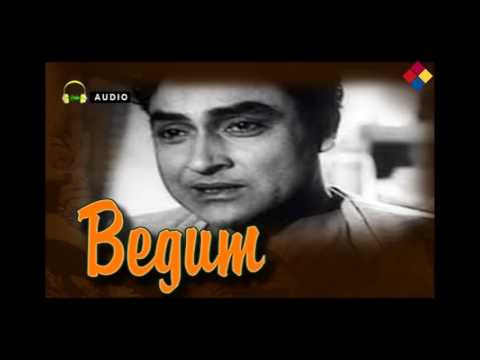
- दिल याद में किसी की Dil Yaad Mein Kisi Ki स्वर: Naseem Banu
- आँखें तो हुईं बंद मगर दर्द जगाए Aankhein To Hui Band Magar Dard Jagaye स्वर: Ashok Kumar

- बुझ रही है आँसुओं की आग Bujh Rahi Hai Aansuon Ki Aag स्वर: Naseem Banu
- आँखों से आँखों का इंतज़ार Aankhon Se Aankhon Ka Intezar स्वर: Naseem Banu
- जवानी पगली आई रे Jawani Pagli Aayi Re स्वर: Naseem Banu
- कोयलियों में कली हूँ अनारकली Koyaliyon Mein Kali Hoon Anarkali स्वर: Naseem Banu
- सारे जहाँ में मेरा राज Sare Jahaan Mein Mera Raaj स्वर: Naseem Banu
- ये आँसुओं का तार नहीं Ye Aansuon Ka Taar Nahin
पट्टिका-लेख
The Monographपर्दे के पीछे Behind the Scenes
सआदत हसन मंटो 1942 में शहीद लतीफ़ के निमंत्रण पर फ़िल्मिस्तान से जुड़े थे और वहीं अशोक कुमार से उनकी गहरी दोस्ती बनी; इन वर्षों के उनके फ़िल्मी काम में 'चल चल रे नौजवान' (1944) है, जो अशोक कुमार और नसीम बानो को पहले ही आमने-सामने ला चुकी थी, और बाद में 'आठ दिन' तथा 'शिकारी' (1946)। 'बेगम' ने उसी जोड़ी को फ़िल्मिस्तान से बाहर, नसीम बानो के अपने बैनर पर फिर मिलाया। नसीम बानो पेशेवर संगीतकारों के घराने से उद्योग में आई थीं — उनकी माँ छमियाँ बाई पुरानी दिल्ली की प्रसिद्ध गायिका और तवायफ़ थीं — यही कारण है कि 1945 में किसी पार्श्वगायिका के बजाय एक अभिनेत्री दो-तिहाई साउंडट्रैक सँभाल सकी। संगीतकार हरि प्रसन्न दास 1930-40 के दशक के कार्यरत स्टूडियो संगीतकार थे, जिनके दस्तावेज़ी श्रेय 'बॉम्बे मेल' (1935) से लेकर 'मोहब्बत' (1943), 'कादम्बरी' (1944), 'मीना' (1944), 'मज़दूर' (1945), 'सती तोरल' (1947) और 'वीरांगना' (1947) तक जाते हैं — अंतिम फ़िल्म युवा मन्ना डे के साथ सह-रचित; मानक संदर्भ-ग्रंथों में उनके जन्म या मृत्यु के वर्ष सुरक्षित नहीं हैं।
अंग्रेज़ी में पढ़ें · Read in English
Saadat Hasan Manto had joined Filmistan in 1942 on Shaheed Latif's invitation and formed a close friendship with Ashok Kumar there; his screen work of these years includes Chal Chal Re Naujawan (1944), which had already put Ashok Kumar and Naseem Banu opposite each other, and later Aatth Din and Shikari (1946). Begum reunited that pairing away from Filmistan, on Naseem Banu's own banner. Naseem Banu came to the industry from a household of professional musicians — her mother Chamiyan Bai was a celebrated singer and tawaif of Old Delhi — which is why an actress rather than a playback singer could carry two thirds of a soundtrack in 1945. The composer, Hari Prasanna Das, was a working studio man of the 1930s and 1940s whose documented credits run from Bombay Mail (1935) through Mohabbat (1943), Kadambari (1944), Meena (1944) and Mazdoor (1945) to Sati Toral (1947) and Veerangana (1947), the last co-composed with a young Manna Dey; no birth or death dates for him survive in the standard reference works.
महत्व Significance
'बेगम' का महत्व तीन ऐसी बातों में है जिन्हें दस्तावेज़ प्रमाणित करते हैं। यह गोपाल सिंह नेपाली की दस्तावेज़ी फ़िल्मोग्राफ़ी की पहली फ़िल्म है: बिहार में जन्मे इस छायावादोत्तर कवि ने यहाँ के सभी नौ गीत लिखे और उसी वर्ष 'मज़दूर' के सभी छह — दोनों हरि प्रसन्न दास के लिए — इससे पहले कि वे लगभग पचास फ़िल्मों और चित्रगुप्त के साथ अपनी लंबी साझेदारी तक पहुँचते। इसमें मोहम्मद रफ़ी की सबसे शुरुआती हिंदी फ़िल्मी रिकॉर्डिंगों में से एक है, जो बंबई आने के अगले ही वर्ष और नौशाद के उस साथ से बहुत पहले दर्ज हुई जिसने उन्हें बनाया। और यह 1940 के दशक का वह दुर्लभ उदाहरण है जहाँ एक अग्रणी अभिनेत्री अपनी ही फ़िल्म बना रही थी — नसीम बानो केवल नायिका नहीं, बैनर की सह-स्वामिनी भी थीं, और नौ में से छह गीत उन्होंने स्वयं गाए, जिससे यह साउंडट्रैक किराए के पार्श्वगायकों के बजाय मुख्यतः अपनी ही नायिका की आवाज़ पर खड़ा है।
अंग्रेज़ी में पढ़ें · Read in English
Begum matters for three things the record can prove. It is the first film in Gopal Singh Nepali's documented filmography: the Bihar-born post-Chhayavaad poet wrote all nine songs here and all six of Mazdoor the same year, both for Hari Prasanna Das, before going on to some fifty films and his long partnership with Chitragupta. It carries one of Mohammed Rafi's earliest Hindi film recordings, cut in the year after he arrived in Bombay and well before the Naushad association that made him. And it is a rare 1940s case of a leading actress producing her own vehicle — Naseem Banu not only starred but co-owned the banner, and she sings six of the nine songs herself, so the score rests primarily on the voice of its own star rather than on hired playback singers.
विरासत Legacy
'बेगम' ने न कोई पुनःप्रकाशित संगीत छोड़ा, न कोई बची हुई प्रिंट, और यह 1945 के मानक पुनरावलोकनों से अनुपस्थित है — वह वर्ष 'ज़ीनत', 'हुमायूँ' और 'पहली नज़र' के लिए याद किया जाता है। इसका उत्तरजीवन पूरी तरह उन लोगों से होकर चलता है जिन्हें इसने काम दिया। गोपाल सिंह नेपाली आगे दो दशकों में लगभग पचास फ़िल्मों के लिए लिखते रहे और 1963 में भागलपुर रेलवे प्लेटफ़ॉर्म पर चल बसे — हिंदी कविता और फ़िल्मी गीत का जो भंडार वे पीछे छोड़ गए, उसकी शुरुआत यहीं से हुई थी। मोहम्मद रफ़ी हिंदी सिनेमा की परिभाषित पुरुष आवाज़ बने। नसीम बानो ने 1957 तक अभिनय किया और 'पुकार' (1939), 'शीश महल' (1950) तथा सायरा बानो की माँ के रूप में याद की जाती हैं; उनका गायन, जो पार्श्वगायन के हावी होने से पहले के वर्षों तक सीमित रहा, गीत-डेटाबेस में लगभग बीस शीर्षकों पर दर्ज है, और छह गीतों के साथ 'बेगम' किसी एक फ़िल्म में उसका सबसे बड़ा जमावड़ा है। इस डेटाबेस के लिए यह फ़िल्म वही है जो स्वतंत्रता-पूर्व हिंदी सिनेमा का बड़ा हिस्सा आज है: एक पूरी गीत-सूची, पक्के क्रेडिट, और फ़िल्म नदारद।
अंग्रेज़ी में पढ़ें · Read in English
Begum left no reissued music and no surviving print, and it is absent from the standard retrospectives of 1945 — a year remembered instead for Zeenat, Humayun and Pehli Nazar. Its afterlife runs entirely through the people it employed. Gopal Singh Nepali went on to write for around fifty films across two decades, dying on a Bhagalpur railway platform in 1963 with a body of Hindi poetry and film verse behind him that began here. Mohammed Rafi became the defining male voice of Hindi cinema. Naseem Banu acted until 1957 and is remembered for Pukar (1939), Sheesh Mahal (1950) and as Saira Banu's mother; her singing, confined to the years before playback took over, is credited on some twenty titles in the song databases, and with six of them Begum is the largest concentration of it in any one film. For the database, the film is what a large share of pre-Independence Hindi cinema now is: a complete song list, a firm set of credits, and no film.
अन्य विवरण
More Details- https://www.hindigeetmala.net/movie/begum.htm
- https://myswar.co/album/begum-1945
- https://indiancine.ma/EDF/info
- https://en.wikipedia.org/wiki/List_of_Hindi_films_of_1945
- https://en.wikipedia.org/wiki/Gopal_Singh_Nepali
- https://en.wikipedia.org/wiki/Naseem_Banu
- https://en.wikipedia.org/wiki/Saadat_Hasan_Manto
- https://en.wikipedia.org/wiki/Chal_Chal_Re_Naujawan
- https://en.wikipedia.org/wiki/Ashok_Kumar_filmography
- https://en.wikipedia.org/wiki/Mohammed_Rafi
- https://hi.wikipedia.org/wiki/%E0%A4%AC%E0%A5%87%E0%A4%97%E0%A4%AE_(1945_%E0%A4%AB%E0%A4%BC%E0%A4%BF%E0%A4%B2%E0%A5%8D%E0%A4%AE)
References
नमूना-पट्टी
The Specimen Table| शीर्षक | बेगम · Begum |
|---|---|
| वर्ष · युग | 1945 — Pre Independence |
| निर्देशक | सुशील मजूमदार · Sushil Majumdar |
| संगीत-निर्देशक | हरि प्रसन्न दास · Hari Prasanna Das |
| गीतकार | गोपाल सिंह नेपाली · Gopal Singh Nepali |
| कलाकार-मंडली | अशोक कुमार · Ashok Kumar · नसीम बानो · Naseem Banu · शारदा · Sharda · पुरी · Puri · विक्रम कपूर · Vikram Kapoor · वी. एच. देसाई · V. H. Desai |
| निर्माण-गृह | Taj Mahal Pictures |
| शैली | Social · Drama |
| भाषा | hindi |
| प्रकार | कथा-चित्र (फ़ीचर) |
| गीत | 9 गीत — ऊपर पूरी संगीत-सूची |
जुड़े हुए पन्ने
Connected Plates · The Graph Made Visibleअटलस में कोई पन्ना अकेला नहीं — 'बेगम' से उसके गीत, कलाकार, राग और युग, सब जुड़े हैं।
इस फ़िल्म के गीत · Songs of this Film
कलाकार · Cast & Crew
युग · The Era
साझा कीजिए · Share this Plate