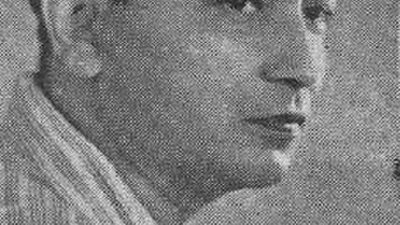
कलाकार विंग · कलाकार-पट्टिका · Artist Plate
सफ़दर आह
Safdar Aah
जन्म1903 — Sitapur, Uttar Pradesh, India
निधन1980
जीवन-पट्टी
The Life Specimen| नाम | सफ़दर आह · Safdar Aah |
|---|---|
| जन्म | 1903 — Sitapur, Uttar Pradesh, India |
| निधन | 1980 |
| भूमिकाएँ | गीतकार |
पट्टिका-लेख
The Monographजीवनी Biography
सफ़दर आह, जिनका जन्म नाम मोहम्मद सफ़दर था, का जन्म 28 अगस्त 1903 को सीतापुर, उत्तर प्रदेश में हुआ। वे 'आह' उपनाम से लिखते थे और अपने गृहनगर के नाम पर आमतौर पर सफ़दर आह सीतापुरी के नाम से जाने जाते हैं। उन्होंने 1939 में नेशनल स्टूडियोज़ में काम शुरू किया और बाद में बॉम्बे टॉकीज़ में संवाद व पटकथा लेखक तथा गीतकार के रूप में काम किया, और अंततः कम से कम दो हिंदी फ़िल्मों का निर्देशन भी किया, जिनमें फ़िल्मकार लिमिटेड, बॉम्बे की मान (1954) शामिल है। एक गीतकार के रूप में वे 1940 के दशक में संगीतकार अनिल बिस्वास के साथ बार-बार काम करते थे, और उन्होंने औरत (1940), नई रोशनी (1941), आसरा (1941, जिसके सभी ग्यारह गीत उन्होंने लिखे), बहन (1941), विजय (1942, सभी दस गीत), ग़रीब (1942), रोटी (1942), नैया (1947), और लाडली (1949) के लिए गीत लिखे। उन्होंने उमर ख़य्याम (1946) के लिए 'ख़य्याम है अल्लाह वाला' गीत भी लिखा, जिसे सुरैया ने गाया और जिसका संगीत लाल मोहम्मद ने दिया था। उनका सबसे चिरस्थायी योगदान पहली नज़र (1945) के लिए रहा, जिसमें उन्होंने ग़ज़ल 'दिल जलता है तो जलने दे' लिखी, जिसे अनिल बिस्वास ने संगीतबद्ध किया और मुकेश ने गाया — यही वह गीत था जिसने मुकेश के पार्श्वगायन करियर की शुरुआत की। सफ़दर आह ने इसे मूल रूप से 1944 में एक स्वतंत्र ग़ज़ल के रूप में लिखा था और इसे लाहौर के उर्दू अख़बार 'वतन' में प्रकाशित करवाया था, फ़िल्म के लिए इसे बाद में रूपांतरित किया गया। गीत की स्थायी लोकप्रियता के बावजूद, वे स्वयं अपने जीवनकाल में इसके लिए बहुत कम पहचाने गए; 1979 में, अपने निधन से कुछ ही समय पहले दिए एक साक्षात्कार में उन्होंने अफ़सोस जताया कि बहुत कम लोग जानते थे कि यह गीत उन्होंने लिखा था। 29 जुलाई 1980 को मुंबई में उनका निधन हुआ।
अंग्रेज़ी में पढ़ें · Read in English
Safdar Aah, born Mohammad Safdar on 28 August 1903 in Sitapur, Uttar Pradesh, wrote under the pen name 'Aah' and is generally known as Safdar Aah Sitapuri after his hometown. He joined National Studios in 1939 and later worked at Bombay Talkies as a dialogue and screenplay writer as well as a lyricist, eventually also directing at least two Hindi films, including Maan (1954) for Filmkaar Limited, Bombay.
As a lyricist he was a frequent collaborator of composer Anil Biswas through the 1940s, writing songs for Aurat (1940), Nai Roshni (1941), Aasra (1941, for which he wrote all eleven songs), Bahen (1941), Vijay (1942, all ten songs), Garib (1942), Roti (1942), Naiyya (1947), and Laadli (1949). He also wrote 'Khaiyam Hai Allah Wala,' sung by Suraiya with music by Lal Mohammed, for Omar Khayyam (1946).
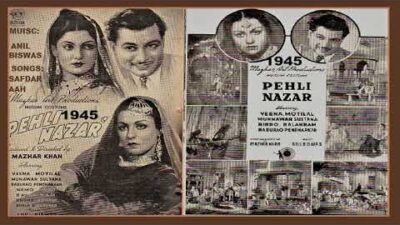
His most enduring contribution came with Pehli Nazar (1945), for which he wrote the ghazal 'Dil Jalta Hai Toh Jalne De,' set to music by Anil Biswas and sung by Mukesh in what became the song that launched Mukesh's playback career. Safdar Aah had originally written it as a standalone ghazal in 1944, publishing it in the Lahore Urdu newspaper Vatan before it was adapted for the film. Despite the song's lasting fame, he himself remained largely unrecognized for it in his lifetime; in a 1979 interview, not long before his death, he lamented that few people knew he had written it. He died in Mumbai on 29 July 1980.
अन्य विवरण
More Details- Birth Year
- 1903
- Death Year
- 1980
अभिलेख-सार
Discography Summary| संग्रह में गीत | 24 — नीचे जुड़े हुए पन्नों में सूचीबद्ध |
|---|
जुड़े हुए पन्ने
Connected Plates · The Graph Made Visibleअटलस में कोई पन्ना अकेला नहीं — सफ़दर आह से उनके गीत, फ़िल्में, घराना, समकालीन और युग, सब यहाँ से खुलते हैं।
हस्ताक्षर-गीत · Signature Songs
साझा कीजिए · Share this Plate