गीत विंग · गीत-पट्टिका · Song Plate
धन्य है भारत भूमि
Dhanya Hai Bharat Bhumi
'धन्य है भारत भूमि' — 1945 में एक पौराणिक फ़िल्म के भीतर गाई गई देशभक्ति की पुकार, झंडा बदलने से दो साल पहले।
भावउत्सव · भक्ति · प्रेरणादायक
भाषाhindi
श्रेय
The Creditsसूत्र-वाक्य · The Hook
सूत्र-वाक्य
'धन्य है भारत भूमि' — 1945 में एक पौराणिक फ़िल्म के भीतर गाई गई देशभक्ति की पुकार, झंडा बदलने से दो साल पहले।
In English'Blessed is the land of Bharat' — a patriotic invocation sung inside a mythological in 1945, two years before the flag changed.
पट्टिका-लेख
The Monographपरिचय Overview
'श्री कृष्णार्जुन युद्ध' के लिए सफ़दर आह सीतापुरी ने जो दो गीत लिखे उनमें से एक, 'धन्य है भारत भूमि' स्वयं इस धरती की स्तुति है। जिस परंपरा से यह आता है वह सुस्थापित है: औपनिवेशिक काल के अंतिम दशकों में भक्ति और पौराणिक फ़िल्म उन गिनी-चुनी जगहों में थी जहाँ खुली राष्ट्रवादी भावना सेंसर की मेज़ पर अटके बिना कही जा सकती थी, क्योंकि श्रद्धा का विषय राजनीतिक नहीं, पवित्र पढ़ा जा सकता था। गीत का कोई गायक दर्ज नहीं है और कोई रिकॉर्डिंग बची हुई ज्ञात नहीं।
अंग्रेज़ी में पढ़ें · Read in English
One of the two lyrics Safdar Aah Sitapuri contributed to Shri Krishnarjun Yudh, 'Dhanya Hai Bharat Bhumi' is a hymn of praise to the land itself. The convention it belongs to is well established: through the late colonial decades the devotional and mythological film was one of the few places where an openly nationalist sentiment could be voiced without difficulty at the censor's desk, because the object of reverence could always be read as sacred rather than political. No singer is documented for the song and no recording is known to survive.
संगीत The Music
इसका संगीत जगन्नाथ प्रकाश का है, जैसा फ़िल्म के हर गीत का — और इसके संगीत के बारे में दर्ज बस इतना ही है। कोई रिकॉर्ड सामने नहीं आया, इसलिए यह तय नहीं किया जा सकता कि इसे समवेत स्वरों के लिए रचा गया था, किसी एकल आवाज़ के लिए कदमताल की लय पर, या किसी धीमी शोभायात्रा के रूप में — और यहाँ अनुमान भी नहीं लगाया गया है।
अंग्रेज़ी में पढ़ें · Read in English
Jagannath Prakash composed it, as he did every song in the film, and that is the whole of what is documented about its music. No disc has surfaced, so the setting — whether it was built for a chorus, for a solo voice over a marching pulse, or as a slow processional — cannot be established and is not guessed at here. The song's position in the running order is likewise unrecorded.
काव्य The Poetry
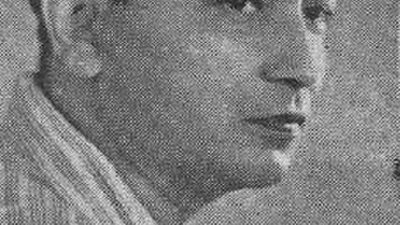
'धन्य है' नारे की नहीं, आशीर्वाद की भाषा है — धरती पर दावा नहीं किया जा रहा, उसे आशीष दिया जा रहा है — और युद्धकालीन देशभक्ति-गीत की पूरी कारीगरी इसी अंतर में है। सफ़दर आह, जिनका जन्म 1903 में सीतापुर में मोहम्मद सफ़दर के रूप में हुआ, 1945 तक ठीक इसी लहजे के मँजे हुए क़लमकार थे — 1940 के दशक के आरंभ में उन्होंने नेशनल स्टूडियोज़ और बॉम्बे टॉकीज़ में अनिल बिस्वास के लिए लिखा था। इस फ़िल्म के दस में से केवल दो गीत उनके हैं।
अंग्रेज़ी में पढ़ें · Read in English
'Dhanya hai' is the language of benediction rather than of slogan — the land is not being claimed, it is being blessed — and that difference is the whole technique of the wartime patriotic film song. Safdar Aah, born Mohammad Safdar in Sitapur in 1903, was by 1945 an experienced hand at exactly this register, having written through the early 1940s for Anil Biswas at National Studios and Bombay Talkies. Only two of this film's ten lyrics are his; his major work of 1945 was elsewhere.
कहानी The Story
'श्री कृष्णार्जुन युद्ध' का निर्माण और निर्देशन मोहन सिन्हा ने अपनी संस्था मुरारी पिक्चर्स के लिए किया। कथा उस पौराणिक प्रसंग की है जिसमें चित्रसेन का सिर काटने की कृष्ण की प्रतिज्ञा और उसकी रक्षा के सुभद्रा के वचन आमने-सामने आ जाते हैं, और अर्जुन को अपने परम मित्र के विरुद्ध खड़ा होना पड़ता है। कलाकारों में पृथ्वीराज कपूर, शोभना समर्थ, शाहू मोडक, त्रिलोक कपूर, कन्हैयालाल चतुर्वेदी, मेनका देवी और रतन बाई थे। दस दर्ज गीतों का संगीत जगन्नाथ प्रकाश का है; जिन गीतों पर गीतकार का श्रेय दर्ज है वे यशोदानंदन जोशी और सफ़दर आह के लिखे हैं।
अंग्रेज़ी में पढ़ें · Read in English
Shri Krishnarjun Yudh was produced and directed by Mohan Sinha for his own banner, Murari Pictures, and dramatises the Puranic quarrel in which Krishna's vow to behead Chitrasen collides with Subhadra's promise to protect him, forcing Arjun to take the field against his closest friend. Prithviraj Kapoor, Shobhana Samarth, Shahu Modak, Trilok Kapoor, Kanhaiyalal Chaturvedi, Menaka Devi and Rattan Bai are in the cast. Jagannath Prakash composed all ten documented songs; Yashodanandan Joshi and Safdar Aah wrote the lyrics that carry a credit.
विरासत The Legacy
इस गीत की कोई रिकॉर्डिंग आज प्रचलन में उपलब्ध नहीं है — न किसी स्ट्रीमिंग सूची में, न यूट्यूब पर, न 1940 के दशक के फ़िल्मी संगीत के अभिलेखीय संकलनों में। जो बचा है वह सूचीपत्र की एक पंक्ति है: शीर्षक, संगीतकार और अधिकतर मामलों में गीतकार। 1940 के दशक के मध्य की छोटी स्वतंत्र संस्थाओं की उपज के साथ यह आम बात है — उन्हीं गीतों के 78-आरपीएम रिकॉर्ड बार-बार दबाए जाते रहे जो ख़ूब बिके, और वही आगे के दशकों तक बच पाए।
अंग्रेज़ी में पढ़ें · Read in English
No recording of this song is known to circulate today — it is absent from the streaming catalogues, from YouTube, and from the archival compilations of 1940s film music. What survives is the catalogue line: a title, a composer, and in most cases a lyricist. That is a common fate for the output of a small independent banner in the mid-1940s, when only songs that sold well as 78-rpm discs were repressed often enough to survive the decades that followed.
वर्गीकरण
ClassificationGenre
अन्य विवरण
More Details- https://www.hindigeetmala.net/movie/shri_krishn_arjun_yuddha.htm
- https://en.wikipedia.org/wiki/List_of_Hindi_films_of_1945
- https://indiancine.ma/EGD
- https://bombaymann2.blogspot.com/2020/08/film-shri-krishnarjun-yudh1945.html
- https://en.wikipedia.org/wiki/Mohan_Sinha
References
रोचक तथ्य
Margin Notesसफ़दर आह सीतापुरी ने इस फ़िल्म के दस में से केवल दो गीत लिखे — लेकिन उसी वर्ष उन्होंने 'पहली नज़र' (1945) के लिए 'दिल जलता है तो जलने दे' लिखा, अनिल बिस्वास की वह ग़ज़ल जिसने मुकेश के पार्श्वगायन कैरियर की शुरुआत की।
अंग्रेज़ी में पढ़ें · Read in English
Safdar Aah Sitapuri wrote only two of this film's ten lyrics — but in the same year he wrote 'Dil Jalta Hai Toh Jalne De' for Pehli Nazar (1945), the Anil Biswas ghazal that launched Mukesh's playback career.
फ़िल्म के सभी दस दर्ज गीतों का श्रेय संगीतकार जगन्नाथ प्रकाश को है — यह नाम किसी और हिंदी फ़िल्म पर लगभग नहीं मिलता और उनका कोई जीवनी-विवरण नहीं मिल सका।
अंग्रेज़ी में पढ़ें · Read in English
All ten documented songs of the film are credited to the music director Jagannath Prakash — a name that appears on virtually no other Hindi film and for whom no biographical record has been traced.
नमूना-पट्टी
The Specimen Table| शीर्षक | धन्य है भारत भूमि · Dhanya Hai Bharat Bhumi |
|---|---|
| फ़िल्म | श्री कृष्णार्जुन युद्ध · 1945 |
| वर्ष · युग | 1945 |
| गीतकार | Safdar Aah |
| संगीतकार | जगन्नाथ प्रकाश |
| भाषा | hindi |
| भाव | उत्सव · भक्ति · प्रेरणादायक |
| लोकप्रियता | Obscure |
| बोल-स्थिति | केवल झलक |
जुड़े हुए पन्ने
Connected Plates · The Graph Made Visibleअटलस में कोई पन्ना अकेला नहीं — इस गीत से जुड़े गीत, कलाकार, फ़िल्म, राग-ताल-विधा, सब यहाँ से खुलते हैं।
कलाकार · The Artists
फ़िल्म · The Film
साझा कीजिए · Share this Plate