गीत विंग · गीत-पट्टिका · Song Plate
अच्छा जी मैं हारी चलो मान जाओ ना
Accha Ji Main Haari Chalo Maan Jaao Na
लता मंगेशकर ने समर्पण को जीत जैसा सुनाया — 'अच्छा जी मैं हारी' हिंदी फ़िल्म संगीत की सबसे मीठी हार है।
भावमीठा-कड़वा · चुलबुला · रोमांटिक
भाषाHindi · Urdu गतिमध्यम स्वरूपयुगल
श्रेय
The Creditsबोल · The Lyrics
बोल — झलक · Lyrics Preview
हाय मैं तुम्हारी तुम मेरे दिल पर छाओ ना
सच बोलूँ तो तुम अच्छे लगते हो
जब रूठते हो तब और अच्छे लगते हो
Haay main tumhaari tum mere dil par chhaao na
कॉपीराइट के कारण केवल झलक — पूरे बोल आधिकारिक मंचों पर।
शब्दकोश
Word Meaningsसूत्र-वाक्य · The Hook
सूत्र-वाक्य
लता मंगेशकर ने समर्पण को जीत जैसा सुनाया — 'अच्छा जी मैं हारी' हिंदी फ़िल्म संगीत की सबसे मीठी हार है।
In EnglishLata Mangeshkar made surrender sound like victory — 'accha ji main haari' is the sweetest defeat in Hindi film music.
पट्टिका-लेख
The Monographपरिचय Overview
'आज़ाद' (१९५५) का 'अच्छा जी मैं हारी चलो मान जाओ ना' सी. रामचंद्र की सबसे आकर्षक रोमांटिक रचनाओं और लता मंगेशकर व मोहम्मद रफ़ी के सबसे मनोरम शुरुआती युगलगानों में से एक है। दिलीप कुमार और मीना कुमारी अभिनीत 'आज़ाद' एक रोमांटिक साहसिक फ़िल्म थी; यह गाना फ़िल्म का सबसे अंतरंग और उष्ण क्षण था — एक प्रेमी-जोड़े की चंचल नोकझोंक और स्त्री का मीठा आत्म-समर्पण। राजिंदर कृष्ण ने हल्की-फुल्की बुद्धि से लिखा। सी. रामचंद्र की खमाज-रंगी धुन और दादरा ताल इस चंचल मूड के लिए आदर्श हैं।
अंग्रेज़ी में पढ़ें · Read in English
"Accha Ji Main Haari Chalo Maan Jaao Na" from Azaad (1955) is one of C. Ramchandra's most charming romantic compositions and among Lata Mangeshkar and Mohammed Rafi's most delightful early duets. Starring Dilip Kumar and Meena Kumari, Azaad was a swashbuckling romantic adventure; this song provided the film's most intimate and warm moment — a couple's playful quarrel ending in the woman's sweet surrender. Written by Rajinder Krishan with characteristic lightness and wit, the song captures the tone of a lovers' argument where neither party truly wants to win. C. Ramchandra's Khamaj-influenced melody and Dadra taal give the song a natural swaying quality perfectly suited to its playful mood. The interplay of Lata's warmth with Rafi's teasing directness makes this one of their most enjoyable early collaborations.
संगीत The Music
सी. रामचंद्र ऐसे संगीतकार थे जिनकी जड़ें मराठी और महाराष्ट्र के लोक-संगीत के साथ हिंदुस्तानी शास्त्रीय में थीं। इस युगलगान में उनका दृष्टिकोण यह दर्शाता है: धुन खमाज के रंग में — उष्ण, रोमांटिक, एक हल्के लोक-चंचलपन के साथ। दादरा ताल का छः-मात्रा का झूलता चक्र ऐसे युगलगान के लिए आदर्श है जहाँ दो आवाज़ें संवाद में हों। लता की आवाज़ हर खंड में एक स्वीकृति से शुरू होती है ('मैं हारी' — मैं हार गई) जो संगीत में नीचे जाती है और ऊपर हल होती है — संगीत का आकार भावना के अनुरूप है: समर्पण से मिलन।
अंग्रेज़ी में पढ़ें · Read in English
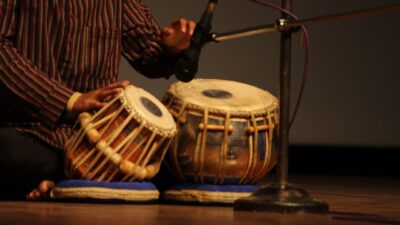
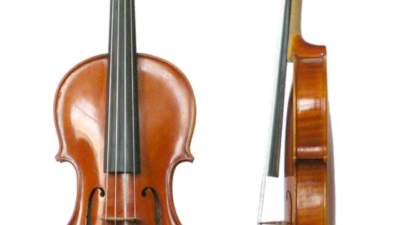
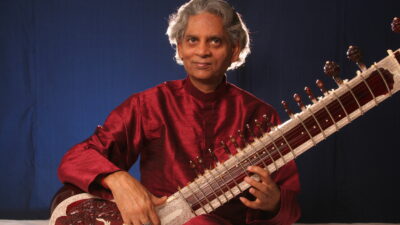
C. Ramchandra was a composer whose roots were in Marathi and Maharashtra folk music as well as classical Hindustani. His approach to this duet reflects this: the melody moves in Khamaj mode — warm, romantic, with a slight tinge of folk playfulness. The Dadra taal's six-beat lilting rhythm is ideal for a duet where two voices play off each other in a conversation. Lata's voice begins each section with a confession ('main haari' — I have lost) that is musically falling, resolved upward — the musical shape mirrors the emotional content: surrender leading to reunion. Rafi's responses are teasing and buoyant. C. Ramchandra's orchestration is clean: sitar for folk color, violin for romanticism, tabla for rhythm — nothing excessive, everything serving the mood.
काव्य The Poetry
राजिंदर कृष्ण का यह बोल रोमांटिक कॉमेडी लेखन का उत्कृष्ट उदाहरण है: स्त्री हार मानती है ('मैं हारी') लेकिन जोड़ती है 'चलो मान जाओ ना' — तुम भी मान जाओ। फिर वह विनाशकारी टिप्पणी: 'सच बोलूँ तो तुम अच्छे लगते हो / जब रूठते हो तब और अच्छे लगते हो।' यह परफ़ेक्ट उलटफेर है: स्त्री हार मानती है लेकिन उसे पुरुष के रूठने की तारीफ़ में बदल देती है। यह बोल बुद्धिमान, उष्ण और मनोवैज्ञानिक रूप से सटीक है।
अंग्रेज़ी में पढ़ें · Read in English
Rajinder Krishan's lyric for this song is a masterclass in romantic comedy writing: the woman admits defeat ('main haari') but adds the barb 'chalo maan jaao na' — now you accept my apology too. Then comes the devastating observation: 'sach bolun toh tum acche lagte ho / jab roothe ho tab aur acche lagte ho' — honestly, you look good; but when you sulk, you look even better. This is the perfect reversal: the woman surrenders but turns it into a compliment of the man's sulking. The lyric is witty, warm, and psychologically exact — a description of the dynamics of a loving relationship that audiences in every era recognize.
कहानी The Story
'आज़ाद' (१९५५) एस.एम. यूसुफ़ निर्देशित एक चुलबुली रोमांटिक एक्शन फ़िल्म थी जिसमें दिलीप कुमार एक बार के लिए गैर-दुखद भूमिका में थे — दुखद भूमिकाओं की लंबी श्रृंखला के बाद हल्का मनोरंजन प्रदान करने के लिए। सी. रामचंद्र को संगीत सौंपा गया और उन्होंने लोक से शास्त्रीय तक के गाने बनाए। यह युगलगान लता और रफ़ी की लंबी पेशेवर साझेदारी में शुरुआती दौर में रिकॉर्ड हुआ।
अंग्रेज़ी में पढ़ें · Read in English
Azaad (1955) was a swashbuckling romantic action film directed by S.M. Yusuf, starring Dilip Kumar in a non-tragic role for once — the film was specifically designed as a light entertainment after Dilip Kumar's string of tragic performances. C. Ramchandra was commissioned for the soundtrack and created a range of songs from folk to classical. Lata and Rafi recorded this duet early in their long professional collaboration. The song was placed in the film as a domestic romantic scene — a contrast to the adventure sequences and a moment of intimacy between the film's leads. Rajinder Krishan, who was known for his lightness and wit, crafted the lyric in his characteristic style.
विरासत The Legacy
'अच्छा जी मैं हारी' सुनहरे युग के सबसे प्रिय रोमांटिक-कॉमिक युगलगानों में से एक है। 'लता-रफ़ी के सर्वश्रेष्ठ युगलगान' संकलनों और १९५०-दशक के रोमांटिक गाने की प्लेलिस्ट में नियमित रूप से शामिल है। गीत का केंद्रीय भाव — 'रूठते हो तब और अच्छे लगते हो' — एक प्रेम-संबंध की गतिशीलता बताने के लिए हिंदी फ़िल्म संगीत में सबसे अधिक उद्धृत पंक्तियों में से एक है।
अंग्रेज़ी में पढ़ें · Read in English
"Accha Ji Main Haari" remains one of the most beloved romantic-comic duets of the Golden Era. It is regularly featured on 'Best Duets of Lata-Rafi' compilations and on playlists of 1950s romantic songs. The song's central sentiment — 'you look even better when you sulk' — has become one of the most quoted lines in Hindi film music for describing the dynamics of a loving relationship. C. Ramchandra's composition for the film Azaad represents some of his finest work of the 1950s.
वर्गीकरण
Classification- Tempo
- Medium
Genre
अन्य विवरण
More Details- Wikipedia: Azaad (1955 film). https://en.wikipedia.org/wiki/Azaad_(1955_film)
- Wikipedia: C. Ramchandra. https://en.wikipedia.org/wiki/C._Ramchandra
- Wikipedia: Rajinder Krishan. https://en.wikipedia.org/wiki/Rajinder_Krishan
- Hindi Film Geet Kosh Vol. 3, Harmandir Singh Hamraaz
- Binaca Geetmala archives 1955
References
रोचक तथ्य
Margin Notesदिलीप कुमार की आज़ाद जान-बूझकर उनके लिए एक हल्की, ग़ैर-दुखांत भूमिका के रूप में गढ़ी गई थी — आंशिक रूप से इस आलोचना के जवाब में कि वे दुखांत भूमिकाओं में बंध गए हैं। फ़िल्म का संगीत भी इसी हल्के अंदाज़ को दर्शाता है।
अंग्रेज़ी में पढ़ें · Read in English
Dilip Kumar's Azaad was deliberately designed as a light, non-tragic role for the actor — partly responding to criticism that he was typecast in tragic roles. The film's music reflects this lighter register.
सी. रामचंद्र भारतीय फ़िल्म संगीत में पाश्चात्य वाद्ययंत्रों (पियानो, तुरही) का इस्तेमाल करने वाले शुरुआती संगीतकारों में से एक होने के लिए प्रसिद्ध हैं — लेकिन इस गीत में उन्होंने शास्त्रीय लोक-आधारित रचना में भी उतनी ही सहजता दिखाई।
अंग्रेज़ी में पढ़ें · Read in English
C. Ramchandra is famous for being one of the first Indian film composers to use Western instrumentation (piano, trumpet) in Indian film music — but in this song he showed equal comfort with classical folk-based composition.
राजिंदर कृष्ण हिंदी फ़िल्म संगीत के सबसे विपुल गीतकारों में से एक थे, जिन्होंने हज़ारों गीत लिखे — लेकिन 'अच्छा जी मैं हारी' अपनी मनोवैज्ञानिक सटीकता के लिए अलग खड़ा है, जो एक प्रेमी जोड़े की चंचल नोक-झोंक को बयां करता है।
अंग्रेज़ी में पढ़ें · Read in English
Rajinder Krishan was one of Hindi film music's most prolific lyricists, writing thousands of songs — but 'Accha Ji Main Haari' stands out for its psychological precision in describing the playful dynamics of a loving couple's argument.
आज़ाद में दिलीप कुमार के साथ अभिनय करने वाली मीना कुमारी ने बाद में अपने करियर के इस दौर को — एक हल्की-फुल्की फ़िल्म में दिलीप कुमार के साथ काम करने को — अपने सबसे सुखद पेशेवर अनुभवों में से एक बताया।
अंग्रेज़ी में पढ़ें · Read in English
Meena Kumari, who starred in Azaad alongside Dilip Kumar, later recalled this period of her career — working with Dilip Kumar in a lighter film — as one of her most enjoyable professional experiences.
नमूना-पट्टी
The Specimen Table| शीर्षक | अच्छा जी मैं हारी चलो मान जाओ ना · Accha Ji Main Haari Chalo Maan Jaao Na |
|---|---|
| वर्ष · युग | 1955 — Golden Era |
| गायक | Lata Mangeshkar, Mohammed Rafi |
| गीतकार | राजिंदर कृष्ण |
| संगीतकार | C. Ramchandra |
| स्वरूप | युगल |
| गति | मध्यम |
| अवधि | circa 3:45 |
| भाषा | Hindi · Urdu |
| वाद्य | harmonium · tabla · violin · sitar |
| भाव | मीठा-कड़वा · चुलबुला · रोमांटिक |
| लोकप्रियता | Popular |
| बोल-स्थिति | केवल झलक |
जुड़े हुए पन्ने
Connected Plates · The Graph Made Visibleअटलस में कोई पन्ना अकेला नहीं — इस गीत से जुड़े गीत, कलाकार, फ़िल्म, राग-ताल-विधा, सब यहाँ से खुलते हैं।
मिलते-जुलते गीत · Related Songs
कलाकार · The Artists
युग · The Era
साझा कीजिए · Share this Plate
यह पन्ना आगे बढ़ाइए
मैं हारी, मान जाओ ना — पाँच शब्दों में राजिंदर कृष्ण ने प्रेम-नोकझोंक का पूरा व्याकरण पकड़ लिया।
Main haari, maan jaao na — in five words, Rajinder Krishan captured the whole grammar of a loving quarrel.
— Film journalist, Screen magazine retrospective (1985)
सवाल-जवाब
Questions & Answersअच्छा जी मैं हारी किस फ़िल्म का गाना है? · Which film is Accha Ji Main Haari from?
१९५५ की फ़िल्म 'आज़ाद' से, दिलीप कुमार और मीना कुमारी अभिनीत। सी. रामचंद्र का संगीत, राजिंदर कृष्ण के बोल।
From the 1955 film Azaad, starring Dilip Kumar and Meena Kumari. Music by C. Ramchandra, lyrics by Rajinder Krishan.
अच्छा जी मैं हारी किसने गाया? · Who sang Accha Ji Main Haari?
लता मंगेशकर और मोहम्मद रफ़ी ने युगलगान के रूप में — उनके सबसे आकर्षक और चंचल शुरुआती सहयोगों में से एक।
Lata Mangeshkar and Mohammed Rafi as a duet — one of their most charming and playful early collaborations.
'अच्छा जी मैं हारी' का क्या अर्थ है? · What does 'Accha Ji Main Haari' mean?
अच्छा, मैं मान गई / हार गई — एक स्त्री प्रेम-नोकझोंक में चंचलता से हार मानती है और अपने प्रिय से रूठना बंद करने की गुज़ारिश करती है।
Okay, I give up / I have lost — a woman playfully admitting defeat in a lovers' quarrel, asking her beloved to stop sulking and accept her reconciliation.