कहानियाँ विंग · कहानी · Music History · 1933
ग़ालिब की ग़ज़ल, परदे पर
Ghalib's Ghazal Reaches the Screen
प्रकाशित20 June 2026
आमुख
'यहूदी की लड़की' (1933) में पंकज मल्लिक के संगीत-निर्देशन और के.एल. सैगल की आवाज़ में राग भीमपलासी पर गाई गई ग़ालिब की ग़ज़ल 'नुक्ताचीं है ग़म-ए-दिल' — वह क्षण जब न्यू थिएटर्स, कलकत्ता ने सिद्ध किया कि शुद्ध उर्दू काव्य और हिंदी सिनेमा एक ही साँस में जी सकते हैं।
अंग्रेज़ी में पढ़ें · Read in English
The Ghalib ghazal 'Nuktacheen Hai Gham-e-Dil,' sung by K.L. Saigal in Raag Bhimpalasi under Pankaj Mullick's musical direction in Yahudi Ki Ladki (1933) — the moment when New Theatres, Calcutta, proved that pure Urdu poetry and Hindi cinema could breathe as one.
कलकत्ते की एक दोपहर और एक आवाज़
A Calcutta afternoon and a voice1931 में न्यू थिएटर्स, कलकत्ता में जब बी.एन. सरकार ने संगीत निर्देशक आर.सी. बोरल को एक युवक की आवाज़ सुनने भेजा, तो उस युवक के पास न कोई फ़िल्मी अनुभव था, न कोई प्रसिद्धि — केवल एक ऐसी आवाज़ थी जो बैरीटोन और मुलायम टेनर के बीच कहीं ठहरती थी। कुन्दन लाल सैगल, जालंधर से आए, तब सत्ताइस वर्ष के थे। बोरल ने सरकार को राज़ी किया, और दो सौ रुपये महीने पर सैगल न्यू थिएटर्स में आ गए। अगले दो वर्ष उन्होंने तीन फ़िल्मों में 'सैगल कश्मीरी' के नाम से काम किया — मोहब्बत के आँसू (1932), ज़िंदा लाश (1932), सुबह का सितारा (1932) — पर भीड़ नहीं उमड़ी। 1933 में 'यहूदी की लड़की' आई, और पहली बार परदे पर नाम था: के.एल. सैगल।
अंग्रेज़ी में पढ़ें · Read in English
In 1931, when B.N. Sircar of New Theatres, Calcutta, sent music director R.C. Boral to hear a young man sing, the young man had no film experience, no fame — only a voice that rested somewhere between baritone and soft tenor. Kundan Lal Saigal, arrived from Jalandhar, was twenty-seven. Boral convinced Sircar, and Saigal joined New Theatres on a salary of two hundred rupees a month. For two years he worked in three films under the name 'Saigal Kashmiri' — Mohabbat Ke Ansu (1932), Zinda Lash (1932), Subah Ka Sitara (1932) — but crowds did not come. In 1933, Yahudi Ki Ladki arrived, and for the first time the screen read: K.L. Saigal.
एक रोमन महल, एक यहूदी लड़की, और ग़ालिब
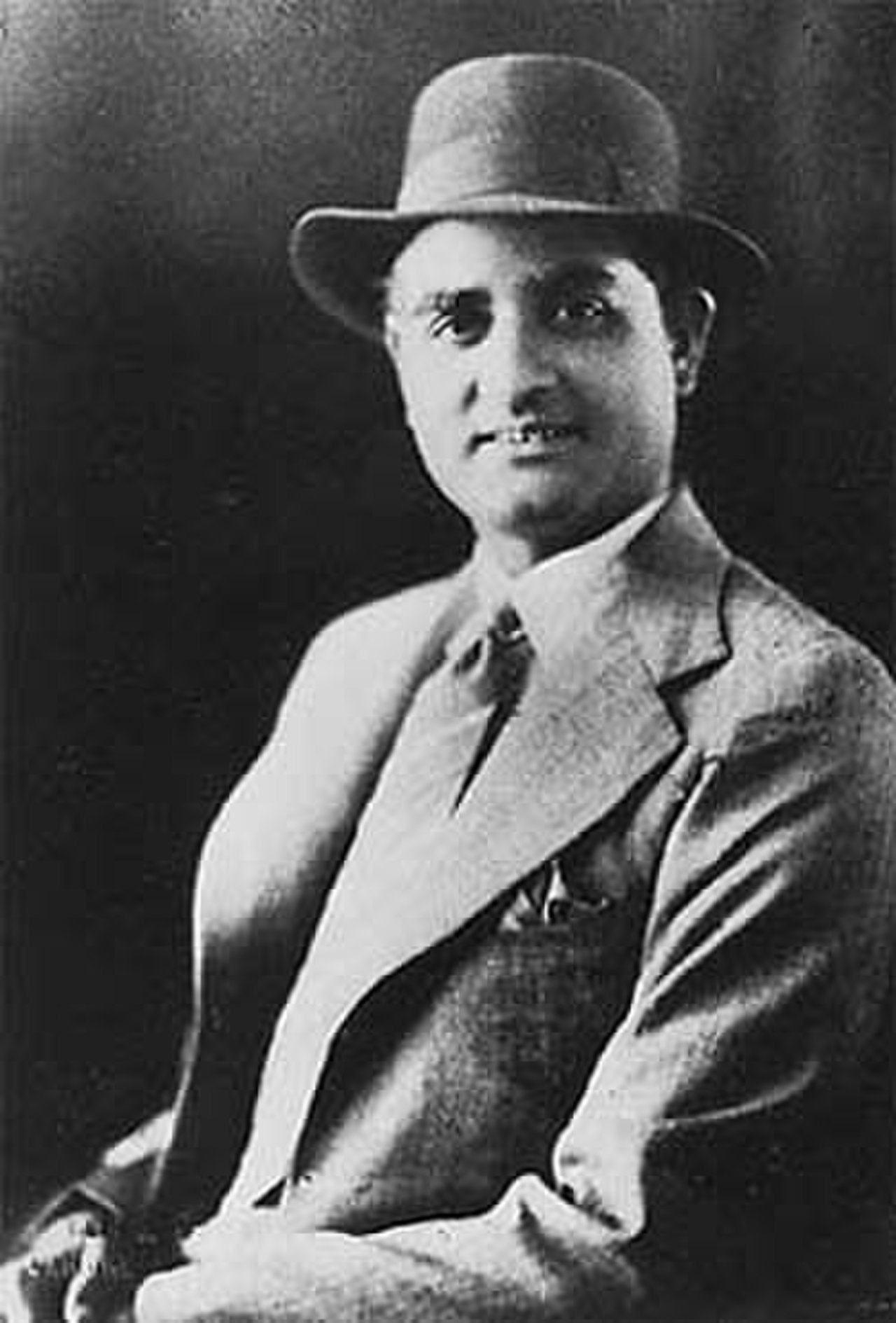
A Roman palace, a Jewish girl, and Ghalib'यहूदी की लड़की' अगा हसर कश्मीरी के उसी नाम के नाटक पर आधारित थी — एक ऐसी कहानी जिसमें रोमन और यहूदी संघर्ष के बीच प्रेम, धोखा और पश्चात्ताप था। निर्देशक प्रेमांकुर आतर्थी ने इसे परदे पर उतारा और संगीत की ज़िम्मेदारी दी पंकज मल्लिक को — न्यू थिएटर्स में बोरल के साथी संगीतकार, जो हिंदी फ़िल्म के लिए पहली बार स्वतंत्र निर्देशक बन रहे थे। मल्लिक के सामने एक असाधारण चुनौती थी: फ़िल्म में एक ऐसा गीत लेना जो शुद्ध शास्त्रीय उर्दू काव्य हो — मिर्ज़ा असदुल्लाह ख़ाँ 'ग़ालिब' की ग़ज़ल 'नुक्ताचीं है ग़म-ए-दिल उसको सुनाए न बने'। ग़ालिब (1797–1869) दिल्ली के उस्ताद-कवि थे जिनकी ग़ज़लें दशकों से महफ़िलों में गाई जाती थीं, पर सिनेमा के परदे पर उतारना दूसरी बात थी। मल्लिक ने राग भीमपलासी को आधार बनाया और संगत केवल दो वाद्यों तक सीमित रखी: तबला और हारमोनियम।
अंग्रेज़ी में पढ़ें · Read in English
Yahudi Ki Ladki was based on Agha Hashar Kashmiri's play of the same name — a story of love, betrayal and remorse set against the conflict between Romans and Jews. Director Premankur Atorthy brought it to the screen and entrusted the music to Pankaj Mullick — R.C. Boral's colleague at New Theatres, now making his independent debut as Hindi film music director. Mullick faced an extraordinary challenge: to take into the film a song of pure classical Urdu verse — the ghazal 'Nuktacheen Hai Gham-e-Dil Usko Sunaaye Na Bane' by Mirza Asadullah Khan 'Ghalib.' Ghalib (1797–1869) was the master-poet of Delhi whose ghazals had been sung in mehfils for generations, but placing them on the cinema screen was another matter entirely. Mullick chose Raag Bhimpalasi as the foundation and kept the accompaniment to just two instruments: the tabla and the harmonium.
न्यूनतम — और इसीलिए अमर
Minimal — and therefore immortalजब सैगल ने 'नुक्ताचीं है ग़म-ए-दिल' गाया, तो उन्होंने एक ऐसी शैली स्थापित की जो आगे दशकों तक फ़िल्मी ग़ज़ल की कसौटी बनी: आवाज़ कविता की सेवा करती है, उस पर हावी नहीं होती। ग़ालिब के शेर की गहराई को किसी बड़े ऑर्केस्ट्रा की ज़रूरत नहीं थी — तबला और हारमोनियम काफ़ी थे। यह फ़िल्म सैगल की पहली बड़ी सफलता बनी और उनका नाम पहली बार 'के.एल. सैगल' के रूप में परदे पर आया। उसी वर्ष 'पूरन भगत' (1933) में उनके भजनों ने भी धूम मचाई, पर 'यहूदी की लड़की' की ग़ज़ल ने कुछ और किया — उसने सिद्ध किया कि शास्त्रीय उर्दू काव्य और हिंदी सिनेमा साथ चल सकते हैं, एक-दूसरे को छोटा किए बिना। यही ग़ज़ल बाद में 'मिर्ज़ा ग़ालिब' (1954) में सुरैया की आवाज़ में और पाकिस्तानी फ़िल्म 'ग़ालिब' (1961) में नूर जहाँ की आवाज़ में दोबारा गाई गई — पर सैगल की 1933 की प्रस्तुति वह नींव रही जिस पर ये सब टिके।
अंग्रेज़ी में पढ़ें · Read in English
When Saigal sang 'Nuktacheen Hai Gham-e-Dil,' he established a style that would remain the touchstone of the film ghazal for decades: the voice serves the poetry, never overpowers it. Ghalib's verse needed no large orchestra — tabla and harmonium were sufficient. The film became Saigal's first major success, and his name appeared on screen for the first time as 'K.L. Saigal.' That same year, his bhajans in Puran Bhagat (1933) also caused a sensation, but the ghazal from Yahudi Ki Ladki did something further — it demonstrated that classical Urdu poetry and Hindi cinema could coexist without diminishing each other. The same ghazal was later recorded by Suraiya in Mirza Ghalib (1954) and by Noor Jehan in the Pakistani film Ghalib (1961) — but Saigal's 1933 rendering was the foundation on which all of them rested.
परिचय
IdentityEpithet
New Theatres, Saigal, and the night Urdu poetry changed the language of cinema
अन्य विवरण
More DetailsKey Figures
कहानी-नमूना
The Story Specimen| शीर्षक | ग़ालिब की ग़ज़ल, परदे पर · Ghalib's Ghazal Reaches the Screen |
|---|---|
| श्रेणी | Music History |
| प्रकार | विशेष लेख |
| प्रकाशित | 20 June 2026 — admin |
| वर्ष | 1933 |
और कहानियाँ
More Stories from the Atlas
साझा कीजिए · Share this Plate
यह पन्ना आगे बढ़ाइए
सवाल-जवाब
Questions & Answers'यहूदी की लड़की' (1933) में संगीत किसका था — आर.सी. बोरल का या पंकज मल्लिक का? · Who composed the music for Yahudi Ki Ladki (1933) — R.C. Boral or Pankaj Mullick?
पंकज मल्लिक का — यह हिंदी फ़िल्म के लिए उनका पहला स्वतंत्र संगीत-निर्देशन था। आर.सी. बोरल न्यू थिएटर्स के प्रमुख संगीतकार थे और उन्होंने ही सैगल को स्टूडियो से परिचित कराया था, पर 'यहूदी की लड़की' मल्लिक का उद्यम था।
Pankaj Mullick — this was his first independent music direction for a Hindi film. R.C. Boral was New Theatres' senior composer and had been instrumental in introducing Saigal to the studio, but Yahudi Ki Ladki was Mullick's venture.
'नुक्ताचीं है ग़म-ए-दिल' का फ़िल्मी ग़ज़ल के इतिहास में क्या महत्त्व है? · What is the significance of 'Nuktacheen Hai Gham-e-Dil' in the history of the film ghazal?
यह हिंदी सिनेमा में ग़ालिब की काव्य-रचना की प्रामाणिक और व्यावसायिक रूप से सफल पहली प्रस्तुति मानी जाती है। सैगल ने राग भीमपलासी में, केवल तबला-हारमोनियम के साथ, यह सिद्ध किया कि परदे पर शास्त्रीय उर्दू ग़ज़ल को भव्य साज़-सज्जा की ज़रूरत नहीं — आवाज़ और कविता ही पर्याप्त हैं।
It is regarded as the first authenticated and commercially successful screen rendition of Ghalib's verse in Hindi cinema. Saigal demonstrated, in Raag Bhimpalasi with only tabla and harmonium, that a classical Urdu ghazal on screen needed no elaborate orchestration — voice and poetry were sufficient.