कहानियाँ विंग · कहानी · Cultural Context · 1913
परदा ख़ामोश था, संगीत नहीं: 1913 का हिन्दुस्तान
The Screen Was Silent, the Music Was Not: India in 1913
3 मई 1913 को बंबई के कोरोनेशन सिनेमेटोग्राफ़ में 'राजा हरिश्चंद्र' चली — हिन्दुस्तान की पहली फ़ीचर फ़िल्म, परदे पर एकदम मूक। पर हॉल में संगीत बज रहा था: हारमोनियम, तबला, सारंगी। उसी साल नवंबर में टैगोर को नोबेल मिला। सिनेमा जन्मा, साहित्य विश्व-विजयी हुआ — और बीच में खड़ा था संगीत, जो दोनों का साथ निभा रहा था।
प्रकाशित19 June 2026 पाठ८ मिनट का पाठ
आमुख
1913 की कथा — जब हिन्दुस्तानी सिनेमा जन्मा तो बेआवाज़ था, और उसकी आवाज़ बने वे संगीतकार जो महफ़िलों और पारसी थिएटर से आए थे। फालके की 'राजा हरिश्चंद्र', सिनेमाघरों का जीवंत संगीत, आगा हश्र कश्मीरी के नाटकों का गीत-राज, और टैगोर का नोबेल — एक ही साल में भारतीय कलाओं की तीन धाराओं का संगम, और रिकॉर्ड-उद्योग के लिए भविष्य की पहली आहट।
अंग्रेज़ी में पढ़ें · Read in English
The story of 1913 — when Indian cinema was born voiceless, and its voice was supplied by musicians from the mehfil and the Parsi stage. Phalke's Raja Harishchandra, the live music of the picture halls, the song-empire of Agha Hashr Kashmiri's plays, and Tagore's Nobel — three streams of Indian art converging in a single year, and the first distant footstep of the record industry's future.
तीन रुपये का टिकट, एक नई दुनिया
A New World for the Price of a Ticketधुंडिराज गोविंद फालके — दादासाहेब — ने लंदन से कैमरा लाकर, घर गिरवी रखकर, परिवार को कच्चे माल में झोंककर जो बनाया, वह 3 मई 1913 को बंबई के कोरोनेशन सिनेमेटोग्राफ़ में पहली बार आम दर्शकों के सामने चला: 'राजा हरिश्चंद्र', लगभग चालीस मिनट की मूक कथा-फ़िल्म। सत्य के लिए सब कुछ हारने वाले राजा की पौराणिक कथा परदे पर चलती थी और बीच-बीच में लिखे हुए टाइटल-कार्ड कहानी समझाते थे। आवाज़ का आविष्कार सिनेमा में पहुँचने में अभी अठारह बरस बाक़ी थे। पर फालके के दर्शक ख़ामोशी में नहीं बैठे थे — हिन्दुस्तान में कोई तमाशा बिना संगीत के मुमकिन ही नहीं था।
अंग्रेज़ी में पढ़ें · Read in English
What Dhundiraj Govind Phalke — Dadasaheb — built by bringing a camera from London, mortgaging his home and conscripting his family into the works, played before a public audience for the first time on 3 May 1913 at Bombay's Coronation Cinematograph: Raja Harishchandra, a mute story-film of about forty minutes. The legend of the king who lost everything for truth moved across the screen while written title cards carried the plot. Sound itself was still eighteen years from reaching Indian cinema. But Phalke's audiences did not sit in silence — in India, no spectacle was conceivable without music.
हॉल का ऑर्केस्ट्रा: महफ़िल से सिनेमाघर तक
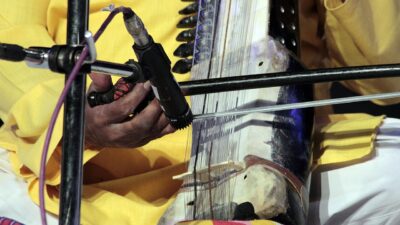
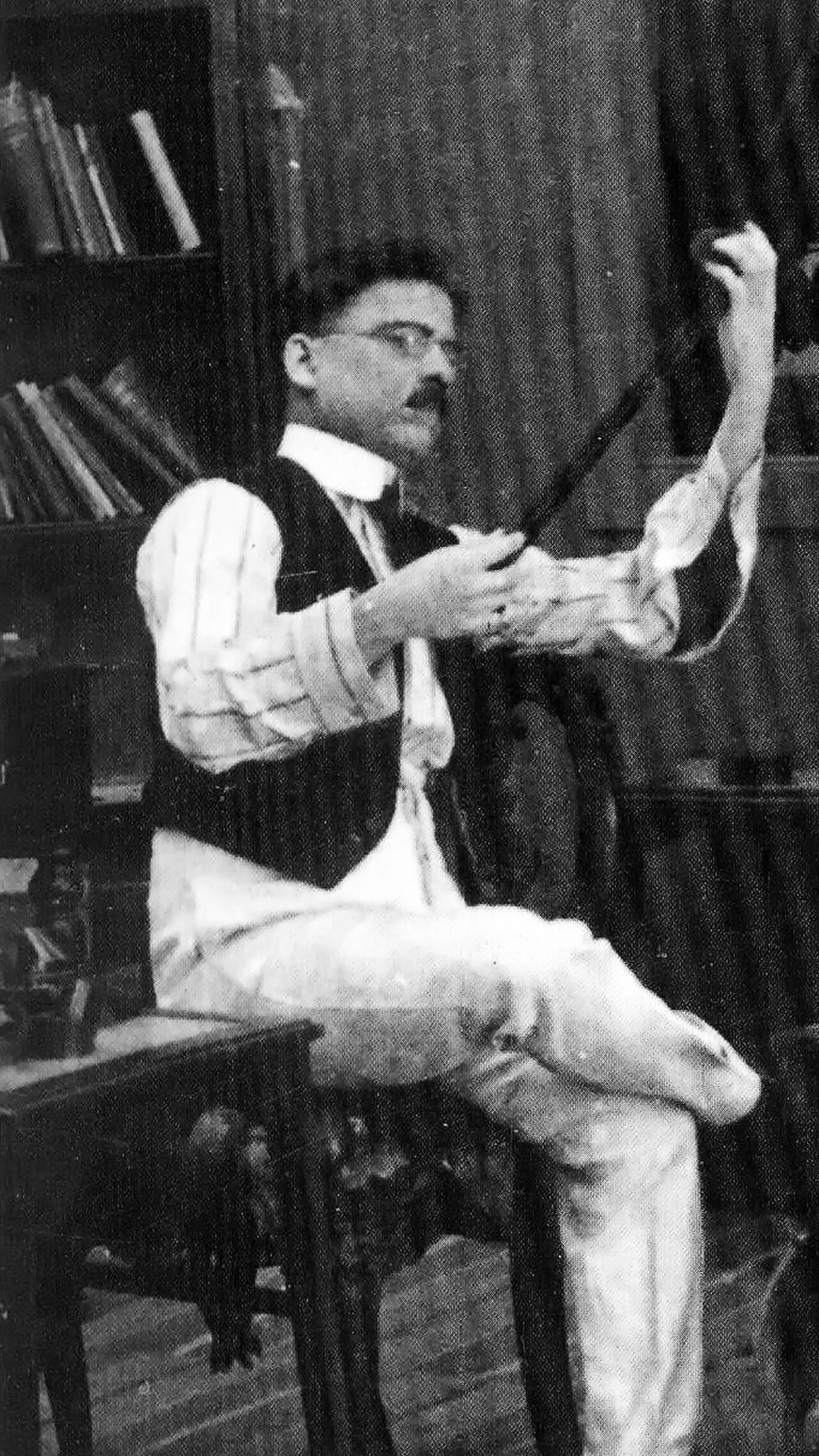
The Hall Orchestra: From Mehfil to Picture Houseमूक सिनेमा का संगीत परदे पर नहीं, परदे के नीचे बैठता था: हारमोनियम, तबला, सारंगी — कहीं-कहीं क्लैरिनेट और वायलिन भी। यह कोई नई कला नहीं थी; यही साज़िंदे कल तक तवायफ़ों की महफ़िलों, नौटंकियों और पारसी थिएटर की नाटक-मंडलियों में बजाते थे। अब वे पौराणिक दृश्यों पर राग छेड़ते थे — करुण दृश्य पर भैरवी की छाया, युद्ध पर तेज़ लय, मिलन पर पीलू की मिठास। हर शो एक जीवंत, अनलिखी संगत थी; हर शहर, हर हॉल का अपना अंदाज़। भारतीय फ़िल्म-संगीत की जड़ें इसी गुमनाम परंपरा में हैं: टॉकी (1931) आने से अठारह साल पहले से हिन्दुस्तानी दर्शक सिनेमा को संगीत के साथ ही देखने का अभ्यस्त हो चुका था। इसीलिए जब परदा बोला, तो उसने पहला काम गाना ही किया।
अंग्रेज़ी में पढ़ें · Read in English
The music of silent cinema sat not on the screen but beneath it: harmonium, tabla, sarangi — here and there a clarinet or violin. This was no new art; these were the same accompanists who until yesterday had played in the tawaifs' mehfils, the nautanki troupes and the Parsi theatre companies. Now they struck up raags against mythological scenes — a shadow of Bhairavi for pathos, fast rhythm for battle, Pilu's sweetness for reunion. Every show was a living, unwritten accompaniment; every city, every hall had its own manner. The roots of Indian film music lie in this anonymous tradition: for eighteen years before the talkies arrived in 1931, Indian audiences had known cinema only with music. Which is why, when the screen finally spoke, the first thing it did was sing.
असली संगीत-मंच: पारसी थिएटर का साम्राज्य
The Real Musical Stage: the Parsi Theatre Empire1913 में लोकप्रिय संगीत का सबसे बड़ा कारख़ाना सिनेमा नहीं, पारसी थिएटर था। बंबई-कलकत्ते की नाटक कंपनियाँ — और उनके बेताज बादशाह नाटककार आगा हश्र कश्मीरी, जिन्हें ज़माना 'उर्दू का शेक्सपियर' कहता था — गीतों से लदे नाटक देश भर में घुमा रही थीं। इसी 1913 में आगा हश्र का मशहूर 'यहूदी की लड़की' मंच पर आया, जिसके क़िस्से और गीत दशकों बाद टॉकी सिनेमा (और 1958 की 'यहूदी') तक पहुँचे। थिएटर के गाने रिकॉर्ड-कैटलॉगों में भी बिकते थे; मंच, महफ़िल और तवा एक ही संगीत-संसार के तीन कोने थे। फालके का सिनेमा अभी इस साम्राज्य के आगे बौना था — पर वह बढ़ रहा था, और बढ़ते-बढ़ते एक दिन थिएटर के गायक, साज़िंदे, नाटककार — सब को निगल जाने वाला था।
अंग्रेज़ी में पढ़ें · Read in English
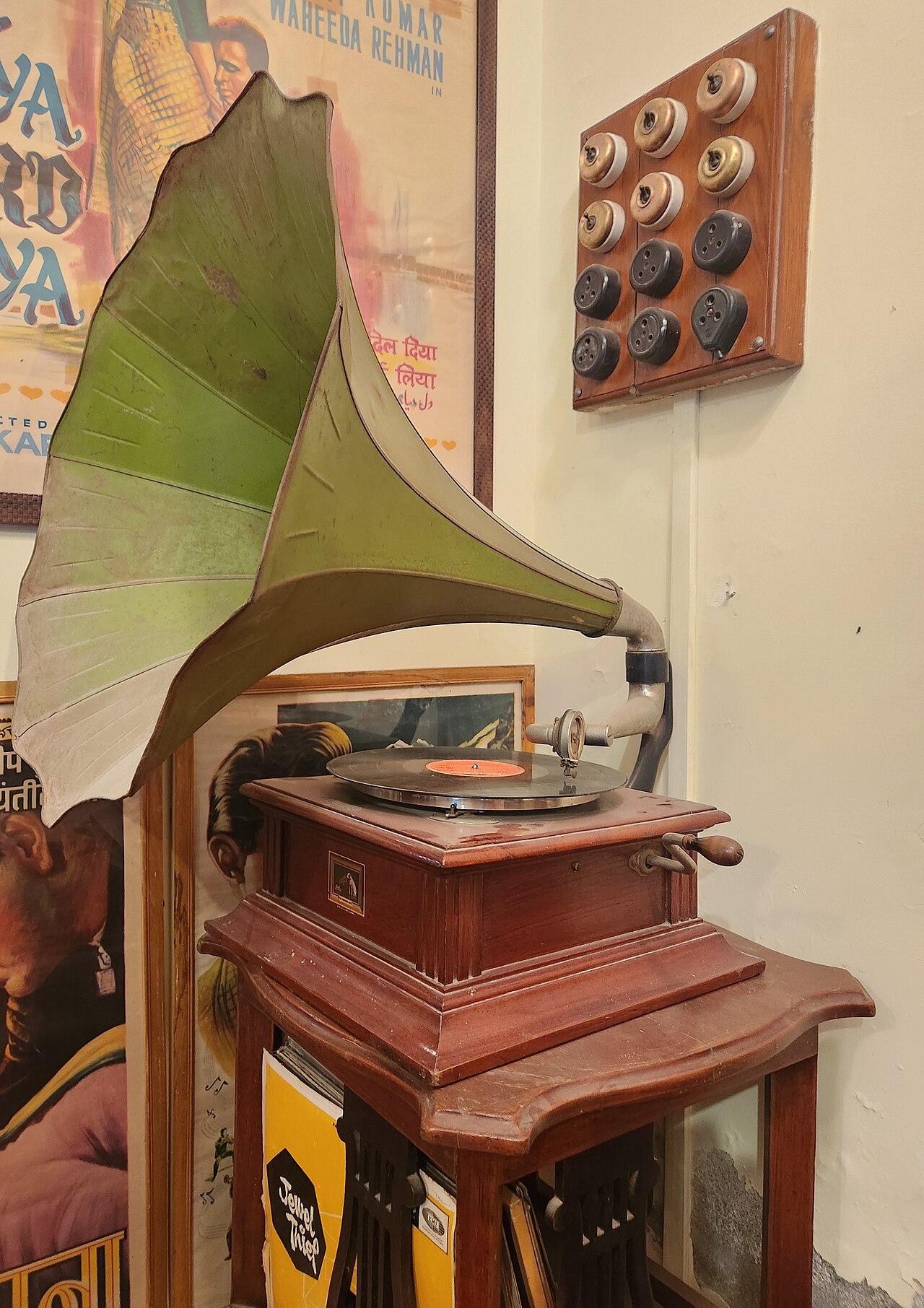
In 1913 the biggest factory of popular music was not cinema but the Parsi theatre. The drama companies of Bombay and Calcutta — and their uncrowned king, the playwright Agha Hashr Kashmiri, whom the age called 'the Shakespeare of Urdu' — toured song-laden plays across the country. In this very year Agha Hashr's famous 'Yahudi Ki Ladki' reached the stage; its story and songs would travel decades later into talkie cinema (and the Yahudi of 1958). Theatre songs sold in the record catalogues too; stage, mehfil and disc were three corners of a single musical world. Phalke's cinema was still a dwarf beside this empire — but it was growing, and in time it would swallow the theatre's singers, accompanists and playwrights whole.
स्टॉकहोम से फ़ैज़ाबाद तक
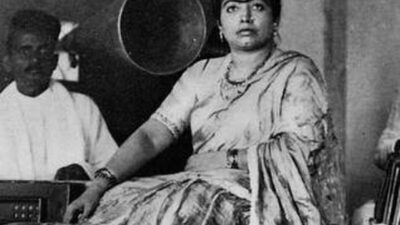
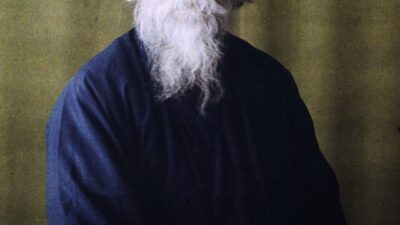
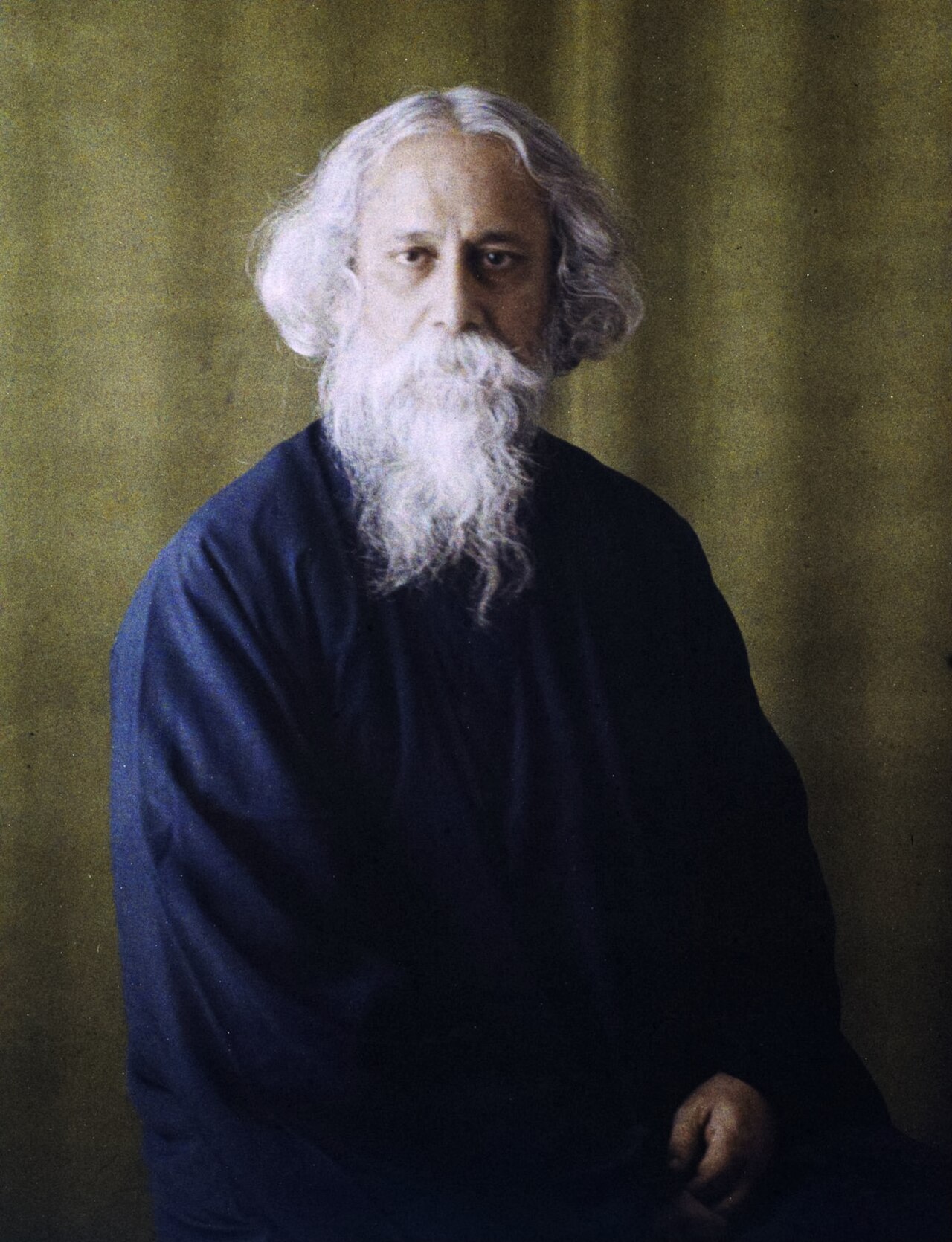
From Stockholm to Faizabadनवंबर 1913 में ख़बर आई कि रवीन्द्रनाथ टैगोर को 'गीतांजलि' के लिए साहित्य का नोबेल मिला है — किसी एशियाई को पहली बार। बंगाल में जो गीत-परंपरा वे दशकों से रच रहे थे — रवीन्द्र संगीत — उसकी प्रतिष्ठा रातों-रात राष्ट्रीय हो गई; उनके गीतों की रिकॉर्डिंगों की माँग बढ़ी, और आने वाले दशकों में रवीन्द्र संगीत ग्रामोफ़ोन-कैटलॉग का स्थायी स्तंभ बना। और इसी मोड़ पर 1913 अपने से अगले युग की ओर इशारा कर देता है: सिनेमा जन्म ले चुका था, थिएटर शिखर पर था, रिकॉर्ड घर-घर पहुँच रहे थे — और ठीक अगले बरस, अक्टूबर 1914 में, फ़ैज़ाबाद में अख़्तरी बाई का जन्म होना था, जो इन तीनों दुनियाओं की वारिस बनकर बेगम अख़्तर कहलाएँगी। 1913 वह साल है जिसमें भारतीय संगीत का बीसवीं सदी वाला नक़्शा पहली बार पूरा दिखता है।
अंग्रेज़ी में पढ़ें · Read in English
In November 1913 came the news that Rabindranath Tagore had won the Nobel Prize in Literature for Gitanjali — the first Asian ever to do so. The song tradition he had been building in Bengal for decades — Rabindra Sangeet — became a national glory overnight; demand for recordings of his songs rose, and in the decades ahead Rabindra Sangeet became a permanent pillar of the gramophone catalogue. And here 1913 points past itself to the age that follows: cinema had been born, theatre stood at its zenith, records were reaching ordinary homes — and in October of the very next year, in Faizabad, Akhtari Bai would be born, heir to all three worlds, to be known one day as Begum Akhtar. 1913 is the year in which the twentieth-century map of Indian music first appears complete.
परिचय
IdentityEpithet
3 मई 1913 को बंबई के कोरोनेशन सिनेमेटोग्राफ़ में 'राजा हरिश्चंद्र' चली — हिन्दुस्तान की पहली फ़ीचर फ़िल्म, परदे पर एकदम मूक। पर हॉल में संगीत बज रहा था: हारमोनियम, तबला, सारंगी। उसी साल नवंबर में टैगोर को नोबेल मिला। सिनेमा जन्मा, साहित्य विश्व-विजयी हुआ — और बीच में खड़ा था संगीत, जो दोनों का साथ निभा रहा था।
On 3 May 1913, Raja Harishchandra played at Bombay's Coronation Cinematograph — India's first feature film, utterly mute on screen. But music filled the hall: harmonium, tabla, sarangi. That November, Tagore won the Nobel Prize. Cinema was born, literature conquered the world — and standing between them was music, keeping company with both.
अन्य विवरण
More Details- टॉकी आने से अठारह साल पहले से हिन्दुस्तानी दर्शक सिनेमा को संगीत के साथ ही देखने का अभ्यस्त था — इसीलिए जब परदा बोला, तो पहला काम उसने गाना ही किया। · For eighteen years before the talkies, Indian audiences knew cinema only with music — which is why, when the screen finally spoke, the first thing it did was sing.
- दादासाहेब फालके
- आगा हश्र कश्मीरी
- रवीन्द्रनाथ टैगोर
- हॉल के साज़िंदे
- Histories of early Indian cinema — Dadasaheb Phalke and Raja Harishchandra (1913)
- Literature on Parsi theatre and Agha Hashr Kashmiri
- Nobel Prize in Literature 1913 — official records
- Michael Kinnear, discographies of early Indian recordings (Bajakhana)
Pull Quotes
Key Figures
References
कहानी-नमूना
The Story Specimen| शीर्षक | परदा ख़ामोश था, संगीत नहीं: 1913 का हिन्दुस्तान · The Screen Was Silent, the Music Was Not: India in 1913 |
|---|---|
| श्रेणी | Cultural Context |
| प्रकार | विशेष लेख |
| पाठ-समय | ८ मिनट का पाठ |
| प्रकाशित | 19 June 2026 — admin |
| वर्ष | 1913 |
| टैग | raja_harishchandra · dadasaheb_phalke · silent_cinema · live_music · parsi_theatre · agha_hashr_kashmiri · tagore_nobel · 1913 |
और कहानियाँ
More Stories from the Atlas
साझा कीजिए · Share this Plate