गीत विंग · गीत-पट्टिका · Song Plate
हवा में उड़ता जाए
Hawa Mein Udta Jaye
शंकर-जयकिशन की डेब्यू उड़ते लाल दुपट्टे के साथ अपनी घोषणा करती है — आनंदित, सिनेमाई, नया।
भावउत्सव · चुलबुला · रोमांटिक
भाषाhindi गतितेज़ स्वरूपएकल महिला
श्रेय
The Creditsबोल · The Lyrics
बोल — झलक · Lyrics Preview
हवा में उड़ता जाए।
hawa mein udta jaye.
कॉपीराइट के कारण केवल झलक — पूरे बोल आधिकारिक मंचों पर।
सूत्र-वाक्य · The Hook
सूत्र-वाक्य
शंकर-जयकिशन की डेब्यू उड़ते लाल दुपट्टे के साथ अपनी घोषणा करती है — आनंदित, सिनेमाई, नया।
In EnglishShankar-Jaikishan's debut announces itself with a red dupatta flying — joyous, cinematic, new.
पट्टिका-लेख
The Monographपरिचय Overview
'बरसात' (1949) का शुरुआती नंबर एक ही छवि में शंकर-जयकिशन की आरके साझेदारी के दस्तख़त को स्थापित करता है: बारिश में नरगिस, उड़ता लाल मलमल का दुपट्टा, लता की आवाज़ आकाश को वहन करती। हसरत जयपुरी का गीत पूरी तरह से संवेदी तात्कालिकता है — दुपट्टा, हवा, बारिश — कोई साहित्यिक दिखावा नहीं, बस पल का भौतिक आनंद। शंकर-जयकिशन की धुन तुरंत गाने योग्य है, वाद्य-विन्यास उज्ज्वल और पश्चिम-अनुरणित एक तरह से जो 1949 में हिंदी फ़िल्म संगीत के लिए बिल्कुल नया लगा।
अंग्रेज़ी में पढ़ें · Read in English
The opening number of Barsaat (1949) establishes the signature of Shankar-Jaikishan's RK partnership in a single image: Nargis in the rain, the red malmal dupatta flying, Lata's voice carrying the sky. Hasrat Jaipuri's lyric is all sensory immediacy — the dupatta, the wind, the rain — with no literary pretension, just the physical joy of the moment. Shankar-Jaikishan's tune is immediately singable, the orchestration bright and Western-inflected in a way that felt entirely new to Hindi film music in 1949. This is the sound of the republic's first decade celebrating itself.
संगीत The Music
शंकर-जयकिशन का पश्चिम-अनुरणित वाद्य-विन्यास — पीतल और काष्ठ-वाद्य के साथ हाथ की हल्कापन जिसे कुछ भारतीय फ़िल्म संगीतकारों ने प्रयास किया था — धुन को उसकी हवाई गुणवत्ता देता है। एकॉर्डियन परिचय (बहुत 1949) एक दस्तख़ती आरके ध्वनि बन गया।
अंग्रेज़ी में पढ़ें · Read in English
Shankar-Jaikishan's Western-inflected orchestration — a lightness of touch with brass and woodwind that few Indian film composers had attempted — gives the tune its airborne quality. The accordion introduction (very 1949) became a signature RK sound.
काव्य The Poetry
हसरत जयपुरी का पहला प्रमुख फ़िल्मी गीत — प्रत्यक्ष, छवि-प्रधान, आनंदित। दुपट्टा मुक्त, स्व-चेतना-रहित रोमांटिक क्षण के रूपक के रूप में।
अंग्रेज़ी में पढ़ें · Read in English
Hasrat Jaipuri's first major filmi lyric — direct, imagistic, joyful. The dupatta as metaphor for the liberated, unselfconscious romantic moment.
कहानी The Story
यह गाना 'बरसात' (1949) का आग़ाज़ हिंदी सिनेमा के सबसे तत्काल प्रतिष्ठित दृश्यों में से एक के साथ करता है: नरगिस मानसूनी बारिश में दौड़ती और नृत्य करती हैं, उनका लाल मलमल का दुपट्टा अंधेरे आकाश के सामने उड़ता है। राज कपूर ने इस दृश्य को उस दृश्य-बोध के साथ निर्देशित किया जो आर.के. फ़िल्म्स की सौंदर्यशास्त्र को परिभाषित करेगा — मौसम भाव के रूप में, भौतिक दुनिया आंतरिक अवस्थाओं के सह-संबंधी के रूप में। बारिश-भूरे आकाश के सामने लाल दुपट्टा एक ऐसी एकल छवि थी जो फ़िल्म के रोमांटिक दर्शन की सब कुछ कहती थी: स्वतंत्रता, संवेदी आनंद, पल के उत्सव में सामाजिक बंधन का विघटन। शंकर-जयकिशन ने अपनी डेब्यू रचना में इस दृश्य को इतनी सीधी और आनंदित धुन दी कि उसे किसी व्याख्या की ज़रूरत नहीं थी।
अंग्रेज़ी में पढ़ें · Read in English
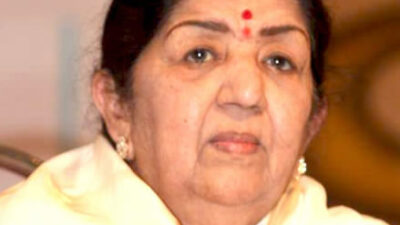
The song opens Barsaat (1949) with one of Hindi cinema's most immediately iconic images: Nargis running and dancing in monsoon rain, her red malmal dupatta flying against the dark sky. Raj Kapoor directed this sequence with the visual instinct that would define the RK Films aesthetic — weather as emotion, the physical world as correlate for interior states. The red dupatta against rain-grey sky was a single image that conveyed everything the film's romantic philosophy needed to say: freedom, sensory joy, the dissolution of social constraint in the body's celebration of the moment. Shankar-Jaikishan, conducting their debut score, gave the sequence a tune so direct and joyful that it required no interpretation — the image and the music arrived in the audience's perception simultaneously, as a single unit of meaning. For Lata Mangeshkar, recording the song at the beginning of what would become the greatest career in Hindi film music, it was an announcement of the register she would own for the next half century.
विरासत The Legacy
आरके-एसजे-लता साझेदारी के परिभाषित गीतों में से एक जो 1949 से 1967 तक हिंदी फ़िल्म संगीत पर हावी रहेगी। उड़ता दुपट्टा छवि एक दृश्य क्लिशे बन गई — क्योंकि इसने उस युग की रोमांटिक आकांक्षा के बारे में कुछ सच्चा बिल्कुल सटीक रूप से पकड़ा।
अंग्रेज़ी में पढ़ें · Read in English
One of the defining songs of the RK-SJ-Lata partnership that would dominate Hindi film music from 1949 to 1967. The flying dupatta image became a visual cliché — because it perfectly captured something true about the era's romantic aspiration.
वर्गीकरण
Classification- Tempo
- Fast
Genre
अन्य विवरण
More DetailsReferences
रोचक तथ्य
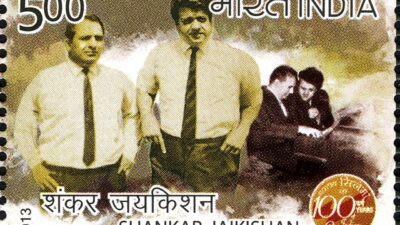
Margin Notesशंकर (शंकर रघुनाथ छारी) और जयकिशन (जयकिशन दयाभाई शाह) की मुलाकात बंबई में पृथ्वीराज कपूर की पृथ्वी थिएटर्स कंपनी में संगीतकारों के रूप में हुई; पृथ्वीराज के पुत्र राज कपूर ने उन्हें बरसात के माध्यम से फिल्म संगीत रचना में लाया।
अंग्रेज़ी में पढ़ें · Read in English
Shankar (Shankar Raghunath Chari) and Jaikishan (Jaikishan Dayabhai Shah) met as musicians at Prithviraj Kapoor's Prithvi Theatres company in Bombay; Raj Kapoor, Prithviraj's son, brought them into film composing through Barsaat.
हसरत जयपुरी — जिन्होंने यह गीत लिखा — तब राज कपूर के ध्यान में आए जब निर्माता-निर्देशक ने उन्हें बंबई के एक मुशायरे में कविता पाठ करते सुना; फिल्मों में उनका प्रवेश पूरी तरह से व्यक्तिगत खोज के माध्यम से हुआ, न कि किसी औपचारिक सिफ़ारिश से।
अंग्रेज़ी में पढ़ें · Read in English
Hasrat Jaipuri — who wrote this lyric — was brought to Raj Kapoor's attention when the producer-director heard him recite poetry at a mushaira in Bombay; his introduction to film was entirely through personal discovery rather than formal recommendation.
इस गीत का 'उड़ता दुपट्टा' बिंब अगले दो दशकों में हिंदी सिनेमा में बार-बार आने वाला दृश्य रूपक बन गया, उस क्षण का संक्षिप्त प्रतीक जब रोमांटिक भावना सामाजिक परंपरा पर हावी हो जाती है।
अंग्रेज़ी में पढ़ें · Read in English
The 'dupatta flying' image from this song became a recurring visual trope in Hindi cinema over the following two decades, a shorthand for the moment when romantic feeling overrides social convention.
बरसात (1949) ने कथित तौर पर अपनी रिलीज़ के पहले वर्ष के भीतर पाँच लाख से अधिक संगीत रिकॉर्ड बेचे — 1949 के भारत के लिए व्यावसायिक रूप से असाधारण आँकड़ा, जिसने आर.के.-एस.जे. संगीत साझेदारी को उसके पदार्पण से ही एक व्यावसायिक शक्ति के रूप में स्थापित किया।
अंग्रेज़ी में पढ़ें · Read in English
Barsaat (1949) reportedly sold over half a million music records within its first year of release — a commercially extraordinary figure for 1949 India that established the RK-SJ musical partnership as a commercial force from its very debut.
यह गीत अपने परिचय में एकॉर्डियन को प्रमुख वाद्ययंत्र के रूप में दर्शाने वाले शुरुआती प्रमुख हिंदी फिल्मी गीतों में से एक है, जो इसे एक पाश्चात्य-कैफ़े जैसी हल्कापन देता है जिसने शंकर-जयकिशन के वाद्यवृंद पैलेट को उनके समकालीनों से अलग किया।
अंग्रेज़ी में पढ़ें · Read in English
This song is among the first major Hindi film songs to feature the accordion as a lead instrument in its introduction, giving it a Western-café lightness that distinguished Shankar-Jaikishan's orchestral palette from their contemporaries.
नमूना-पट्टी
The Specimen Table| शीर्षक | हवा में उड़ता जाए · Hawa Mein Udta Jaye |
|---|---|
| फ़िल्म | बरसात · 1949 |
| वर्ष · युग | 1949 — golden era |
| गायक | Lata Mangeshkar |
| गीतकार | Hasrat Jaipuri |
| संगीतकार | Shankar-Jaikishan |
| स्वरूप | एकल महिला |
| गति | तेज़ |
| भाषा | hindi |
| भाव | उत्सव · चुलबुला · रोमांटिक |
| लोकप्रियता | Very_popular |
| बोल-स्थिति | केवल झलक |
जुड़े हुए पन्ने
Connected Plates · The Graph Made Visibleअटलस में कोई पन्ना अकेला नहीं — इस गीत से जुड़े गीत, कलाकार, फ़िल्म, राग-ताल-विधा, सब यहाँ से खुलते हैं।
मिलते-जुलते गीत · Related Songs
कलाकार · The Artists
फ़िल्म · The Film
युग · The Era
साझा कीजिए · Share this Plate