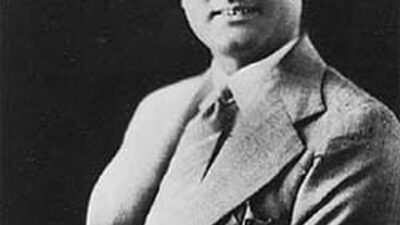
गीत विंग · गीत-पट्टिका · Song Plate
दुख के अब दिन
Dukh Ke Ab Din
दुख के ये दिन बिथत नाहीं — मेरे नैना बादलों की तरह बरसते हैं।
भावमीठा-कड़वा · उदास · दार्शनिक
भाषाhindi-urdu गतिधीमी स्वरूपएकल पुरुष
श्रेय
The Creditsबोल · The Lyrics
पूरे बोल · Full Lyrics
मोरे नैना बरसे बदरा।
more naina barse badra.
सूत्र-वाक्य · The Hook
सूत्र-वाक्य
दुख के ये दिन बिथत नाहीं — मेरे नैना बादलों की तरह बरसते हैं।
In EnglishThese days of grief will not pass — my eyes rain like clouds.
पट्टिका-लेख
The Monographपरिचय Overview
'देवदास' (1935) का एक गहरे विषाद में डूबा गीत — फ़िल्म में देवदास के दुख का सबसे स्पष्ट बयान। 'बालम आए बसो' जहाँ लालसा है, वहाँ 'दुख के अब दिन' समर्पण है: इस स्वीकृति कि पीड़ा संरचनागत हो चुकी है, कि ये दिन ख़त्म नहीं होंगे। तिमिर बरन की बंदिश भजन और बैठकी-ग़ज़ल के बीच चलती है, और सहगल की अदायगी सहनीय निराशा की सटीक पिच खोज लेती है।
अंग्रेज़ी में पढ़ें · Read in English
A deeply melancholic song from Devdas (1935) — the film's most articulate statement of Devdas's grief. Where 'Balam Aaye Baso' is longing, 'Dukh Ke Ab Din' is resignation: the acknowledgement that pain has become structural, that these days will not end. Timir Baran's setting moves between bhajan and baithaki-ghazal, and Saigal's delivery locates the precise pitch of bearable despair.
संगीत The Music
तिमिर बरन लय को लगभग स्थिरता तक धीमा करते हैं, वाक्यांशों के बीच मौन को उतना ही भार देते हैं जितना सुरों को। संगत — तार और हारमोनियम — न्यूनतम है; सहगल की आवाज़ प्रभावी रूप से अपने दुख के साथ अकेली है।
अंग्रेज़ी में पढ़ें · Read in English
Timir Baran slows the tempo to near-stillness, letting silence between phrases carry as much weight as the notes. The accompaniment — strings and harmonium — is minimal; Saigal's voice is effectively alone with its grief.
काव्य The Poetry
आँखों का बादलों की तरह बरसना (नैना बरसे बदरा) विरह काव्य की एक क्लासिक छवि है; किदार शर्मा इसे शल्य-चिकित्सा की संयमशीलता से प्रयोग करते हैं, परंपरा को उसका पूरा भावनात्मक काम करने देते हैं।
अंग्रेज़ी में पढ़ें · Read in English
The image of eyes raining like clouds (naina barse badra) is a classical convention of viraha (separation) poetry; Kidar Sharma deploys it with surgical restraint, letting the convention do its full emotional work.
कहानी The Story
देवदास के सबसे पूर्ण अकेलेपन के दृश्य में गाया गया — पारो विवाहित, चंद्रमुखी सहानुभूतिशील पर उत्तर नहीं — यह फ़िल्म का भावनात्मक निम्नतम बिंदु और उसका सबसे ईमानदार स्वीकारोक्ति है।
अंग्रेज़ी में पढ़ें · Read in English
Sung at a scene of Devdas's most complete isolation — Paro married, Chandramukhi compassionate but not the answer — this is the film's emotional nadir and its most honest admission.
विरासत The Legacy
संगीत-इतिहासकारों द्वारा हिंदी फ़िल्म-विषाद परंपरा के संस्थापक गीत के रूप में उद्धृत — वह माँचा जिस पर 'ओ दुनिया के रखवाले' से 'कभी कभी' तक पुरुष-पीड़ा के बाद के गीत निर्मित हैं।
अंग्रेज़ी में पढ़ें · Read in English
Cited by music historians as the founding song of the Hindi film-grief tradition — the model on which subsequent songs of male suffering from 'O Duniya Ke Rakhwale' to 'Kabhi Kabhi' are built.
वर्गीकरण
Classification- Tempo
- Slow
Genre
अन्य विवरण
More Details- Chattopadhyay, Sarat Chandra — Devdas (1917 novel)
- Rajadhyaksha, Ashish & Willemen, Paul — Encyclopaedia of Indian Cinema (1994/1999)
- Wikipedia: Devdas (1935 film); Kidar Sharma
References
रोचक तथ्य
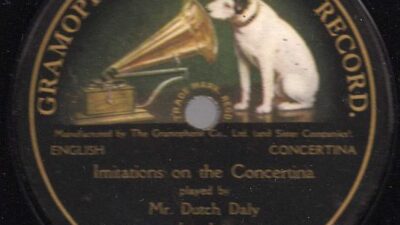
Margin Notes'दुख के अब दिन' और 'बालम आए बसो मोरे मन में' एचएमवी के एक ही 78-आरपीएम रिकॉर्ड के दो पहलुओं के रूप में जारी किए गए थे — इस जोड़ी ने इसे प्रारंभिक हिंदी फ़िल्म संगीत के सबसे प्रसिद्ध दोहरे-पक्षीय रिकॉर्ड्स में से एक बना दिया।
अंग्रेज़ी में पढ़ें · Read in English
'Dukh Ke Ab Din' and 'Balam Aaye Baso More Man Mein' were released as the two sides of the same HMV 78-rpm disc — making this pairing one of the most celebrated double-sided records in early Hindi film music.
फ़िल्म का आधार बनी शरतचंद्र चट्टोपाध्याय की उपन्यास देवदास 1917 में प्रकाशित हुई थी — यानी फ़िल्म रूपांतरण उपन्यास के दो दशक से भी कम समय बाद आया, और पात्र की वेदना सांस्कृतिक स्मृति में तब भी ताज़ा थी।
अंग्रेज़ी में पढ़ें · Read in English
Sarat Chandra Chattopadhyay's novel Devdas, the film's source, was published in 1917 — meaning the film adaptation came less than two decades after the novel, and the character's grief was still fresh in the cultural memory.
देवदास पर भारतीय कथा-साहित्य की लगभग किसी भी अन्य एकल रचना की तुलना में कहीं अधिक बार फ़िल्में बनी हैं — इनमें 1935, 1955 (बिमल रॉय, दिलीप कुमार) और 2002 (संजय लीला भंसाली, शाहरुख़ ख़ान) के संस्करण शामिल हैं।
अंग्रेज़ी में पढ़ें · Read in English
Devdas has been adapted for film more times than almost any other single work of Indian fiction — versions include 1935, 1955 (Bimal Roy, Dilip Kumar), and 2002 (Sanjay Leela Bhansali, Shah Rukh Khan).
'नैना बरसे बदरा' (आँखें बादल की तरह बरसती हैं) की यह बिंब-योजना विरह-काव्य की एक स्थापित परंपरा है, जिसे हिंदी और ब्रजभाषा काव्य में मध्यकाल तक खोजा जा सकता है — किदार शर्मा ने एक बहुत पुराने स्रोत से यह प्रेरणा ली।
अंग्रेज़ी में पढ़ें · Read in English
The image 'naina barse badra' (eyes rain like clouds) is a viraha convention traceable through Hindi and Braj-bhasha poetry to the medieval period — Kidar Sharma drew on a very old well.
देवदास के गीत लिखने वाले किदार शर्मा (1910-1999) का करियर असाधारण रूप से लंबा रहा — वे एक फ़िल्म निर्देशक और अभिनेता भी थे, और गीतकार के रूप में उनका आख़िरी बड़ा योगदान इस शुरुआत के दशकों बाद आया।
अंग्रेज़ी में पढ़ें · Read in English
Kidar Sharma (1910-1999), who wrote the Devdas lyrics, had an unusually long career — he was also a film director and actor, his last major contribution as lyricist coming decades after this debut.
नमूना-पट्टी
The Specimen Table| शीर्षक | दुख के अब दिन · Dukh Ke Ab Din |
|---|---|
| फ़िल्म | देवदास · 1935 |
| वर्ष · युग | 1935 — talkie dawn |
| गायक | K.L. Saigal |
| गीतकार | Kidar Sharma |
| संगीतकार | Timir Baran |
| स्वरूप | एकल पुरुष |
| गति | धीमी |
| भाषा | hindi-urdu |
| भाव | मीठा-कड़वा · उदास · दार्शनिक |
| लोकप्रियता | Legendary |
| बोल-स्थिति | सार्वजनिक |
जुड़े हुए पन्ने
Connected Plates · The Graph Made Visibleअटलस में कोई पन्ना अकेला नहीं — इस गीत से जुड़े गीत, कलाकार, फ़िल्म, राग-ताल-विधा, सब यहाँ से खुलते हैं।
मिलते-जुलते गीत · Related Songs
कलाकार · The Artists
फ़िल्म · The Film
साझा कीजिए · Share this Plate