कलाकार विंग · कलाकार-पट्टिका · Artist Plate
मीराबाई
Meerabai
जन्म1498 — कुड़की, मेड़ता, राजपूताना (वर्तमान राजस्थान)
निधन1547 — Dwarka, Gujarat (traditional account)
जीवन-पट्टी
The Life Specimen| नाम | मीराबाई · Meerabai |
|---|---|
| जन्म | 1498 — कुड़की, मेड़ता, राजपूताना (वर्तमान राजस्थान) · Kudki, Merta, Rajputana (present-day Rajasthan) |
| निधन | 1547 — Dwarka, Gujarat (traditional account) |
| भूमिकाएँ | गीतकार · कवि · Saint |
| सक्रिय वर्ष | 16th century |
| युग | Bhakti Era |
| राष्ट्रीयता | Indian |
| विधाएँ | भजन · भक्ति · Bhakti Poetry |
| भाषाएँ | Rajasthani · Braj Bhasha · Gujarati |
हस्ताक्षर-पंक्ति · The Signature
हस्ताक्षर-पंक्ति
मीराबाई
In EnglishThe Rajput princess who called Krishna her only husband — and whose padas became the most sung devotional poetry in the Hindi world.
पट्टिका-लेख
The Monographजीवनी Biography
मीराबाई (परंपरागत तिथियाँ: लगभग 1498 – लगभग 1547) भक्ति आंदोलन की सबसे प्रिय कवयित्री और कृष्ण-भक्ति की अमर आवाज़ हैं। मेड़ता (राजपूताना) के राठौड़ राजपरिवार में जन्मी मीरा का विवाह मेवाड़ के राजकुमार भोजराज से हुआ, पर उन्होंने बचपन से ही गिरिधर गोपाल — गोवर्धन धारण करने वाले कृष्ण — को अपना सच्चा स्वामी मान लिया था। वैधव्य और राजघराने के विरोध के बाद उनका जीवन विद्रोह और वैराग्य की कथा बन गया: परंपरा कहती है कि राणा के भेजे विष का प्याला भी प्रभु-कृपा से अमृत हो गया। मीरा ने राजमहल छोड़कर साधु-संग और कीर्तन को चुना — एक राजपूत स्त्री के लिए सोलहवीं सदी में अकल्पनीय धृष्टता। वृंदावन और अंत में द्वारका की यात्रा करते हुए उन्होंने सैकड़ों पद रचे — सीधी, जलती हुई, घरेलू बिंबों वाली भक्ति-कविता: 'पायो जी मैंने राम रतन धन पायो', 'मेरे तो गिरिधर गोपाल दूसरो न कोई', 'पग घुँघरू बाँध मीरा नाची रे'। परंपरा के अनुसार द्वारका में वे रणछोड़ की मूर्ति में समा गईं। उनके पद चार सदियों तक मौखिक परंपरा, मंदिर-कीर्तन और घर-घर की स्त्रियों के कंठ में जिए — और बीसवीं सदी में ग्रामोफ़ोन, फिर फ़िल्म, उन्हें राष्ट्रीय धरोहर बना गए। हिंदी संसार में मीरा से अधिक गाई गई कवयित्री कोई नहीं।
अंग्रेज़ी में पढ़ें · Read in English
Meerabai (traditional dates: c. 1498 – c. 1547) is the best-loved poet of the Bhakti movement and the immortal voice of Krishna devotion. Born into the Rathore royal house of Merta in Rajputana, Meera was married to Bhojraj, crown prince of Mewar, but had since childhood taken Giridhar Gopal — Krishna the mountain-bearer — as her true lord. After widowhood and the hostility of the royal household, her life became a story of rebellion and renunciation: tradition says even the cup of poison sent by the Rana turned to nectar by her Lord's grace.
Meera left the palace for the company of sadhus and the practice of kirtan — unthinkable audacity for a Rajput woman of the sixteenth century. Travelling to Vrindavan and finally Dwarka, she composed hundreds of padas — direct, burning devotional poetry built of household images: 'Payo ji maine Ram ratan dhan payo', 'Mere to Giridhar Gopal doosro na koi', 'Pag ghunghru baandh Meera naachi re'. Tradition holds that at Dwarka she merged into the image of Ranchhod.
Her padas lived four centuries in oral tradition, temple kirtan and the throats of household women — and in the twentieth century the gramophone, then film, made them national heritage. No poet is more sung in the Hindi world than Meera.
प्रारंभिक जीवन Early Life
लगभग 1498 में मेड़ता के पास कुड़की में राठौड़ कुल में जन्मी मीरा को, कथा है, बचपन में कृष्ण की मूर्ति मिली और बालिका ने उन्हीं को अपना वर घोषित कर दिया। मेवाड़ के सिसोदिया राजघराने में विवाह ने सबसे अंतर्मुखी भक्त को राजपूताना के सबसे रणधीर दरबार के भीतर रख दिया — यही टकराव कविता बन गया।
अंग्रेज़ी में पढ़ें · Read in English
Born around 1498 at Kudki near Merta into the Rathore clan, Meera is said to have received a Krishna image as a child and declared the god her bridegroom. Her marriage into the Sisodia house of Mewar placed the most inward of devotees inside the most martial court of Rajputana — the collision that made the poetry.
करियर Career
भोजराज के निधन के बाद मीरा का खुला कीर्तन और संत-संग मेवाड़ के लिए अपकीर्ति बना; परंपरा उत्पीड़न दर्ज करती है — विष, सर्प, काँटों की सेज — जो कृपा से निष्फल हुए। वे मेड़ता, वृंदावन और द्वारका भटकीं, राजस्थानी-ब्रज में पद रचतीं, जिन्हें गायक और साधु पूरे उत्तर भारत में ले गए। उनके जीवनकाल में पद कभी 'प्रकाशित' नहीं हुए; गायन-परंपरा ही उनकी समग्र रचनावली है।
अंग्रेज़ी में पढ़ें · Read in English
After Bhojraj's death, Meera's public singing and saint-company scandalised Mewar; tradition records persecution — poison, a serpent, a bed of nails — survived by grace. She wandered to Merta, Vrindavan and Dwarka, composing padas in Rajasthani-Braj that were carried across north India by singers and sadhus. The padas were never 'published' in her lifetime; the song tradition itself is her collected works.
विरासत Legacy
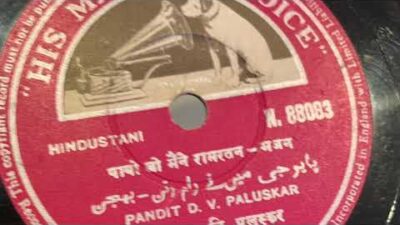
मीरा गीत द्वारा बचाई गई कविता का सर्वोच्च उदाहरण हैं: उनके पद पांडुलिपियों में नहीं, कंठों में बचे — मंदिर के गायक, घुमक्कड़ साधु, घर की दादियाँ, और 1900 के दशक से ग्रामोफ़ोन युग के रिकॉर्डिंग कलाकार, जिनके 'पायो जी मैंने' और 'मेरे तो गिरिधर गोपाल' के तवों ने बहते मौखिक पाठों के प्रामाणिक रूप स्थिर किए। गांधी जी की प्रार्थना-सभाएँ, शास्त्रीय मंच और हिंदी सिनेमा — सबने उनसे लिया। पाँच सदियों बाद भी वे हिंदी संसार की सबसे अधिक रिकॉर्ड हुई संत-कवयित्री हैं।
अंग्रेज़ी में पढ़ें · Read in English
Meera is the supreme instance of poetry preserved by song: her padas survived not in manuscripts but in voices — temple singers, wandering mendicants, grandmothers, and from the 1900s the recording artists of the gramophone era, whose discs of 'Payo ji maine' and 'Mere to Giridhar Gopal' fixed canonical versions of fluid oral texts. Gandhi's prayer meetings, the classical concert stage and Hindi cinema all drew from her. Five centuries on, she remains the Hindi world's most recorded poet-saint.
गायन-शैली Musical Style
उनके पद गाए जाने के लिए ही बने हैं: हर्ष की घोषणा करती टेक, उसे सिद्ध करते अंतरे, और मुहर-सी लगती पंक्ति — 'मीरा के प्रभु गिरिधर नागर'। बिंब घरेलू हैं (धन, नाव, चूड़ी, नींद) और इसीलिए सार्वभौमिक। पाँच सदियों के संगीतकारों ने उन्हें हर मुहावरे में बाँधा — लोक की माँड से ख़याल-व्युत्पन्न भजन तक।
अंग्रेज़ी में पढ़ें · Read in English
Her padas are built for singing: a refrain that states the ecstasy, verses that argue it, and a signature line — 'Meera ke prabhu Giridhar Naagar' — that signs the song like a seal. The imagery is domestic (wealth, boats, bangles, sleep) and therefore universal. Musicians across five centuries have set her in every idiom from folk Maand to khayal-derived bhajan.
तालीम, विधाएँ और भाषाएँ
Training · Genres · Languagesतालीम · Training
परंपरा संत रैदास (रविदास) को उनका गुरु बताती है (16th century)
निर्गुण-सगुण भक्ति का संगम
The Raidas connection is traditional and debated by scholars.
विधाएँ · Genres
भाषाएँ · Languages Sung
जीवन-रेखा
Career Highlights- 1516 मेवाड़ के युवराज भोजराज से विवाह (पारंपरिक, अनुमानित तिथि) Marriage to Bhojraj, crown prince of Mewar (traditional date, approximate)
-
1527
वैधव्य; खुली भक्ति और संत-संग से मेवाड़ दरबार रुष्ट (अवधि अनुमानित)
Widowed; her open devotion and saint-company provoke the Mewar court (period approximate)
- 1540 तीर्थाटन के वर्ष — मेड़ता, वृंदावन, अंततः द्वारका (अवधि अनुमानित) Years of pilgrimage — Merta, Vrindavan, finally Dwarka (period approximate)
- 1547 द्वारका में रणछोड़ की मूर्ति में समा जाने की पारंपरिक तिथि Traditional date of her merging into the Ranchhod image at Dwarka
रोचक तथ्य
Margin Notesमीरा की कोई समकालीन पांडुलिपि नहीं बची — उनकी समग्र रचनावली पाँच सदियों की गायन-परंपरा ही है।
अंग्रेज़ी में पढ़ें · Read in English
No contemporary manuscript of Meera survives — her collected works are five centuries of singing tradition.
'मीरा के प्रभु गिरिधर नागर' की छाप-पंक्ति उनके पदों का हस्ताक्षर है — जैसे ग़ज़ल का मक़्ता।
अंग्रेज़ी में पढ़ें · Read in English
The seal-line 'Meera ke prabhu Giridhar Naagar' signs her padas like a ghazal's maqta.
विष का प्याला अमृत बन जाने की कथा उनके सबसे गाए गए प्रसंगों में है — स्वयं उनके पदों में इसका संकेत मिलता है।
अंग्रेज़ी में पढ़ें · Read in English
The legend of the poison cup turning to nectar is among her most sung episodes — alluded to within her own padas.
अन्य विवरण
More Details- Birth Year
- 1498
- Death Year
- 1547
- Active Years
- 16th century
- The oral song tradition of Rajasthan, Braj and Gujarat — her true publisher
- Gramophone-era singers (Gauhar Jaan's generation onward) who fixed her padas on disc
- Classical and film musicians of the 20th century — from temple kirtan to the concert stage
Early Life
लगभग 1498 में मेड़ता के पास कुड़की में राठौड़ कुल में जन्मी मीरा को, कथा है, बचपन में कृष्ण की मूर्ति मिली और बालिका ने उन्हीं को अपना वर घोषित कर दिया। मेवाड़ के सिसोदिया राजघराने में विवाह ने सबसे अंतर्मुखी भक्त को राजपूताना के सबसे रणधीर दरबार के भीतर रख दिया — यही टकराव कविता बन गया।
Born around 1498 at Kudki near Merta into the Rathore clan, Meera is said to have received a Krishna image as a child and declared the god her bridegroom. Her marriage into the Sisodia house of Mewar placed the most inward of devotees inside the most martial court of Rajputana — the collision that made the poetry.
Career
भोजराज के निधन के बाद मीरा का खुला कीर्तन और संत-संग मेवाड़ के लिए अपकीर्ति बना; परंपरा उत्पीड़न दर्ज करती है — विष, सर्प, काँटों की सेज — जो कृपा से निष्फल हुए। वे मेड़ता, वृंदावन और द्वारका भटकीं, राजस्थानी-ब्रज में पद रचतीं, जिन्हें गायक और साधु पूरे उत्तर भारत में ले गए। उनके जीवनकाल में पद कभी 'प्रकाशित' नहीं हुए; गायन-परंपरा ही उनकी समग्र रचनावली है।
After Bhojraj's death, Meera's public singing and saint-company scandalised Mewar; tradition records persecution — poison, a serpent, a bed of nails — survived by grace. She wandered to Merta, Vrindavan and Dwarka, composing padas in Rajasthani-Braj that were carried across north India by singers and sadhus. The padas were never 'published' in her lifetime; the song tradition itself is her collected works.
Legacy
मीरा गीत द्वारा बचाई गई कविता का सर्वोच्च उदाहरण हैं: उनके पद पांडुलिपियों में नहीं, कंठों में बचे — मंदिर के गायक, घुमक्कड़ साधु, घर की दादियाँ, और 1900 के दशक से ग्रामोफ़ोन युग के रिकॉर्डिंग कलाकार, जिनके 'पायो जी मैंने' और 'मेरे तो गिरिधर गोपाल' के तवों ने बहते मौखिक पाठों के प्रामाणिक रूप स्थिर किए। गांधी जी की प्रार्थना-सभाएँ, शास्त्रीय मंच और हिंदी सिनेमा — सबने उनसे लिया। पाँच सदियों बाद भी वे हिंदी संसार की सबसे अधिक रिकॉर्ड हुई संत-कवयित्री हैं।
Meera is the supreme instance of poetry preserved by song: her padas survived not in manuscripts but in voices — temple singers, wandering mendicants, grandmothers, and from the 1900s the recording artists of the gramophone era, whose discs of 'Payo ji maine' and 'Mere to Giridhar Gopal' fixed canonical versions of fluid oral texts. Gandhi's prayer meetings, the classical concert stage and Hindi cinema all drew from her. Five centuries on, she remains the Hindi world's most recorded poet-saint.
Musical Style
उनके पद गाए जाने के लिए ही बने हैं: हर्ष की घोषणा करती टेक, उसे सिद्ध करते अंतरे, और मुहर-सी लगती पंक्ति — 'मीरा के प्रभु गिरिधर नागर'। बिंब घरेलू हैं (धन, नाव, चूड़ी, नींद) और इसीलिए सार्वभौमिक। पाँच सदियों के संगीतकारों ने उन्हें हर मुहावरे में बाँधा — लोक की माँड से ख़याल-व्युत्पन्न भजन तक।
Her padas are built for singing: a refrain that states the ecstasy, verses that argue it, and a signature line — 'Meera ke prabhu Giridhar Naagar' — that signs the song like a seal. The imagery is domestic (wealth, boats, bangles, sleep) and therefore universal. Musicians across five centuries have set her in every idiom from folk Maand to khayal-derived bhajan.
Collaborations
अभिलेख-सार
Discography Summary| संग्रह में गीत | 23 — नीचे जुड़े हुए पन्नों में सूचीबद्ध |
|---|---|
| कुल ज्ञात रिकॉर्डिंग | 1 — 1 संग्रह में उपलब्ध |
| रिकॉर्डिंग-काल | 1917 · पहला सत्र 1917 |
| प्रमुख भूमिका | गीतकार |
| नित्य सहयोगी | Gauhar Jaan |
| हस्ताक्षर-गीत | Payo Ji Maine Ram Ratan Dhan Payo (Bhajan) |
| स्रोत | derived from the HindiGeet song archive |
अभिलेख व संदर्भ
Archives & References| संदर्भ | Bhaktmal tradition and Meera hagiography (Nabhadas and commentaries) · John Stratton Hawley — scholarship on Meera and bhakti poetry |
|---|---|
| प्रसिद्ध सहयोग |
अंग्रेज़ी में पढ़ें · Read in English
|
जुड़े हुए पन्ने
Connected Plates · The Graph Made Visibleअटलस में कोई पन्ना अकेला नहीं — मीराबाई से उनके गीत, फ़िल्में, घराना, समकालीन और युग, सब यहाँ से खुलते हैं।
हस्ताक्षर-गीत · Signature Songs
फ़िल्में · The Films
साझा कीजिए · Share this Plate
यह पन्ना आगे बढ़ाइए
सवाल-जवाब
Questions & Answersमीराबाई के पद ग्रामोफ़ोन युग में क्यों महत्वपूर्ण हैं?
रिकॉर्डिंग करने वाली गायिकाओं की भजन-रेपर्टरी का मीरा केंद्र थीं। 1900–1920 के दशकों के तवों ने उनके बहते मौखिक पाठों के प्रामाणिक रूप स्थिर किए — वही संस्करण आगे रेडियो और फ़िल्म ने अपनाए।
What are Meerabai's most famous padas?
'Payo ji maine Ram ratan dhan payo', 'Mere to Giridhar Gopal doosro na koi', 'Pag ghunghru baandh Meera naachi re' and 'Jo tum todo piya' are among the most widely sung.
मीराबाई की तिथियाँ कितनी निश्चित हैं?
परंपरागत तिथियाँ (लगभग 1498–1547) हैं; विद्वानों में मतभेद है। उनका ऐतिहासिक ढाँचा पदों, हागिओग्राफ़ी (भक्तमाल) और राजपूताना की वंशावलियों से जोड़ा जाता है।