कहानियाँ विंग · कहानी · लोग
चप्पन छुरी: जानकी बाई और वह 56 छुरियाँ जिन्होंने हर दिल को चीरा
Chappan Chhuri: Janki Bai and the 56 Knives That Pierced Every Heart
इलाहाबाद की जानकी बाई की रोचक कहानी — उनका उपनाम, गौहर जान के साथ प्रतिद्वंद्विता, उनकी भावप्रवण ठुमरी शैली, और 1911 की दिल्ली दरबार में उनकी किंवदंती।
प्रकाशित31 March 2026 पाठ१० मिनट का पाठ
आमुख
56 छुरियों वाली महिला
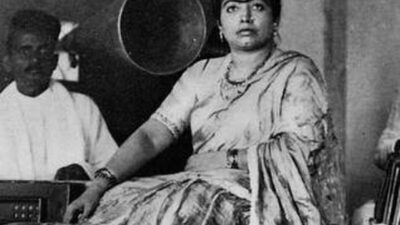
The Woman with 56 Knivesउनका असल नाम जानकीबाई था, लेकिन इलाहाबाद उन्हें चप्पन छुरी के रूप में जानता था — '56 छुरियों वाली महिला'। उपनाम उनके हथियारों का संदर्भ नहीं था बल्कि उनकी कला का था। ठुमरी की भावनात्मक रूप से आवेशित दुनिया में, एक एकल वाक्य को गलत तरीके से गाया जाना श्रोता को घायल कर सकता था। जानकी बाई के समकालीनों ने शपथ ली कि उनकी आवाज़ में एक सर्जन की ब्लेड की सटीकता थी — हर नोट को सर्जिकल सटीकता के साथ रखा गया था ताकि श्रोता की भावनात्मक सुरक्षा को भेद कर उसके दिल को बिल्कुल वांछित तरीके से तोड़ा जा सके। वह इलाहाबाद में 1875 के आसपास संगीतकारों के एक परिवार में पैदा हुई थीं। गौहर जान के विपरीत, जो अंग्रेजी में पैदा हुई थीं (आइलीन एंजेलिना येवार्ड), जानकी बाई भारतीय मूल की थीं और हिंदू परंपरा में पली-बढ़ी थीं। उन्होंने वाराणसी के पंडित शुक्ला से ख़्याल और लखनऊ के किंवदंती उस्ताद जद्दन खान से ठुमरी का अध्ययन किया। उनका प्रशिक्षण उत्तर भारतीय संगीत को परिभाषित करने वाली सांस्कृतिक परंपरा में फैला था: हिंदू गुरु मुस्लिम संगीत सिद्धांत सिखा रहे थे।
अंग्रेज़ी में पढ़ें · Read in English
Her given name was Jankibai, but Allahabad knew her as Chappan Chhuri — 'the woman with 56 knives.' The nickname was not a reference to her weapons but to her art. In the emotionally-charged world of thumri, a single phrase sung in the wrong way could wound the listener. Janki Bai's contemporaries swore that her voice had the precision of a surgeon's blade — each note placed with surgical accuracy to penetrate the listener's emotional defenses and break the heart in exactly the desired way.
She was born around 1875 in Allahabad, into a family of musicians. Unlike Gauhar Jaan, who was born English (Eileen Angelina Yeoward), Janki Bai was Indian-born and steeped in the Hindu tradition. She studied khayal from Pandit Shuklaji of Varanasi and thumri from the legendary Jaddan Khan — a Muslim maestro from Lucknow. Her training spanned the syncretic tradition that defined North Indian music: Hindu gurus teaching Muslim musicology.
महान प्रतिद्वंद्विता
The Great Rivalry1903 तक, जब ग्रामोफ़ोन रिकॉर्डिंग आईं, उत्तर भारत की संगीत दुनिया दो शिविरों में विभाजित हो गई: गौहर जान के प्रशंसक और जानकी बाई के प्रशंसक। प्रतिद्वंद्विता शत्रुतापूर्ण नहीं थी लेकिन तीव्र प्रतिस्पर्धी थी। दोनों सर्वोच्च कलाकार थीं। लेकिन उनकी शैलियाँ बिल्कुल अलग थीं। गौहर जान तकनीकविद् थीं — उनकी आवाज़ क्रिस्टल साफ थी, उनकी तकनीक त्रुटिहीन थी, उनका नियंत्रण निरपेक्ष था। वह बिना एक नोट खोए शैलियों के बीच स्थानांतरित हो सकती थीं। वह एक संगीत प्रतिभा थीं जो कुछ भी गा सकती थीं। इसके विपरीत, जानकी बाई भावनावादी थीं। उनकी आवाज़ हमेशा तकनीकी रूप से सही नहीं थी, लेकिन यह एक नशीली कमज़ोरी लेकर आई। वह ठुमरी में माहिर थीं — भारतीय संगीत रूपों में सबसे अंतरंग, सबसे व्यक्तिगत। जहाँ गौहर जान चमकीली थीं, वहीं जानकी बाई प्रवेश करती थीं। जिन श्रोताओं ने बुद्धिमत्ता को प्राथमिकता दी, उन्होंने गौहर जान को चुना; जिन्होंने भावनाओं को प्राथमिकता दी, उन्होंने जानकी बाई को चुना। 1903 तक, दोनों ने ग्रामोफ़ोन के लिए रिकॉर्ड किया था, लेकिन जानकी बाई के रिकॉर्ड अलग तरीके से बिकते प्रतीत होते थे — गौहर जान की तरह बड़ी मात्रा में नहीं, बल्कि एक छोटे, अधिक समर्पित अनुसरण के बीच भयंकर निष्ठा के साथ।
अंग्रेज़ी में पढ़ें · Read in English
By 1903, when the gramophone recordings arrived, the music world of North India was divided into two camps: Gauhar Jaan admirers and Janki Bai admirers. The rivalry was not hostile but intensely competitive. Both were supreme artists. But their styles were radically different. Gauhar Jaan was the technician — her voice was crystal clear, her technique flawless, her control absolute. She could shift between genres without losing a note. She was a musical genius who could sing anything.
Janki Bai, by contrast, was the emotionalist. Her voice was not always technically perfect, but it carried an intoxicating vulnerability. She specialized in thumri — the most intimate, most personal of Indian music forms. Where Gauhar Jaan dazzled, Janki Bai penetrated. The listeners who preferred intellect chose Gauhar Jaan; those who preferred feeling chose Janki Bai. By 1903, both had recorded for the gramophone, but Janki Bai's records seemed to sell differently — not in mass quantities like Gauhar Jaan's, but with a fierce loyalty among a smaller, more devoted following.
ठुमरी रहस्यवादी
The Thumri Mysticठुमरी जानकी बाई की सच्ची डोमेन थी। यह रूप 18वीं सदी में लखनऊ में ख़्याल की औपचारिकता के विरुद्ध एक सीधे विद्रोह के रूप में उभरा था। जहाँ ख़्याल अमूर्त दार्शनिक विषयों से संबंधित था और गायक को तकनीकी दक्षता प्रदर्शित करने की आवश्यकता थी, ठुमरी अंतरंग, कामुक, भक्तिपूर्ण, खेलपूर्ण था — यह प्रेम, लालसा, विश्वासघात, और भक्ति के बारे में सबसे सीधे, भावनात्मक तरीके से था। गीत अक्सर सरल होते थे — कभी-कभी बस कुछ पंक्तियाँ अनंत भिन्नता के साथ दोहराई जाती थीं। कला बोल-बनाव (शब्द विस्तार) और रस (भावनात्मक स्वाद) में थी। जानकी बाई के प्रसिद्ध 'काहे को ब्याही बिदेस' (दुल्हन का अपने परिवार से अलग होने पर विलाप) की प्रस्तुति इतनी भावनात्मक रूप से शक्तिशाली हो गई कि महिलाएं कथित तौर पर उनके प्रदर्शन के दौरान खुलेआम रोती थीं। गीत, जिसे मिनटों में गाया जा सकता था, वह इसे एक 30-मिनट की भावनात्मक यात्रा में खींचती थीं। हर अक्षर को इसके भावनात्मक अनुरणन के लिए खोजा जाता था। समकालीन खातों में उनके प्रदर्शन के बाद दर्शकों को अवाक् मौन में बैठे हुए वर्णित किया गया है, बोलने में असमर्थ, हिलने में असमर्थ — सुंदरता से पूरी तरह तबाह।
अंग्रेज़ी में पढ़ें · Read in English
Thumri was Janki Bai's true domain. The form had emerged in Lucknow in the 18th century as a direct rebellion against the formality of khayal. Where khayal dealt with abstract philosophical themes and required the singer to demonstrate technical mastery, thumri was intimate, erotic, devotional, playful — it was about love, longing, betrayal, and devotion in the most direct, emotional way possible. The lyrics were often simple — sometimes just a few lines repeated with infinite variations. The art was in the bol-banao (word elaboration) and the rasa (emotional flavor).
Janki Bai's famous rendition of 'Kahe Ko Byahi Bides' (the bride's lament at parting from her family) became so emotionally powerful that women would reportedly weep openly during her performances. The song, which could be sung in minutes, she would stretch into a 30-minute emotional journey. Each syllable was explored for its emotional resonance. Contemporary accounts describe audiences sitting in stunned silence after her performances, unable to speak, unable to move — completely devastated by beauty.
दिल्ली दरबार और विरासत
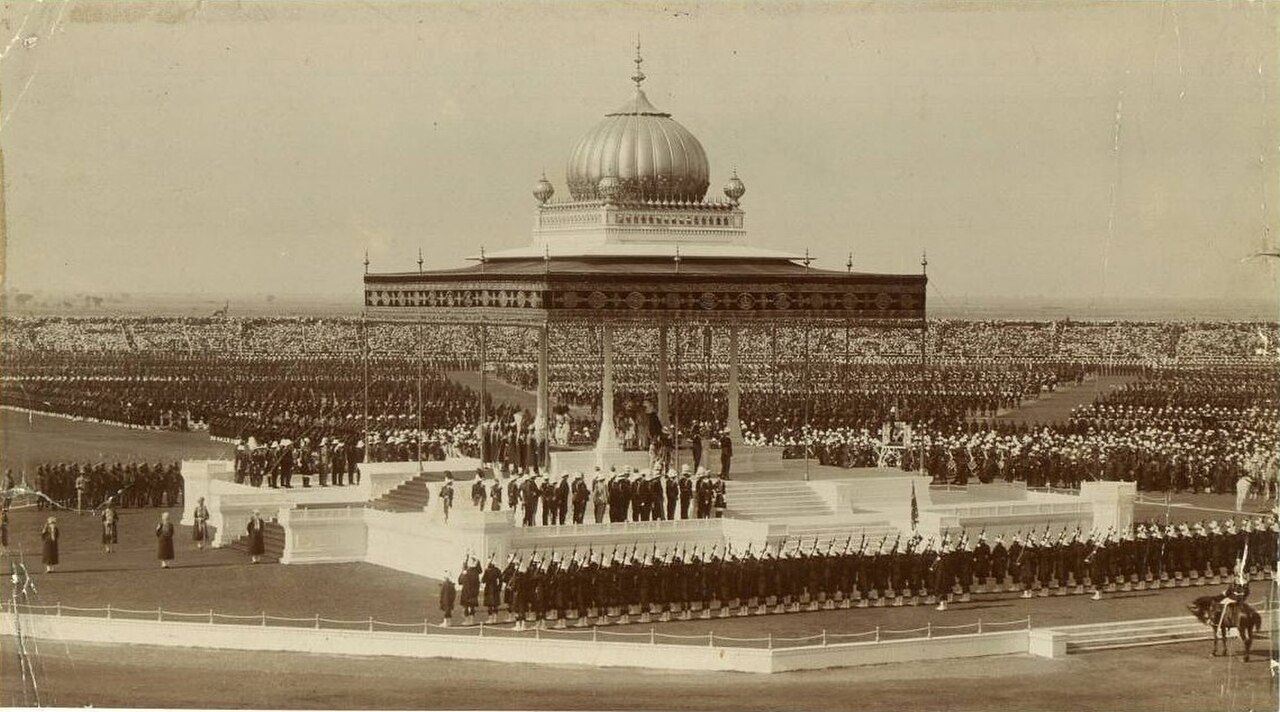
The Delhi Durbar and Legacyदिसंबर 1911 में, ब्रिटिशों ने राजा जॉर्ज वी के राज्याभिषेक को चिह्नित करने और भारत की राजधानी कलकत्ता से दिल्ली में स्थानांतरित करने के लिए एक भव्य दिल्ली दरबार आयोजित किया। यह भारतीय राजकुमारों और ब्रिटिश कुलीनों का सबसे बड़ा समूह एकत्रित किया गया था। सांस्कृतिक कार्यक्रम में भारत के सबसे महान संगीतकारों के प्रदर्शन शामिल थे। जानकी बाई को प्रदर्शन के लिए आमंत्रित किया गया था। रिपोर्ट बताती हैं कि उन्होंने वाइसरॉय और सभी राजकुमारों के सामने शाही तंबू में गाया, और उनके प्रदर्शन का ऐसा भावनात्मक प्रभाव पड़ा कि यहाँ तक कि कठोर ब्रिटिश अधिकारी भी दृश्यमान रूप से प्रभावित हुए। 1911 के बाद, जानकी बाई धीरे-धीरे सार्वजनिक नज़र से लुप्त हो गईं। वह विभाजन से गुज़रीं, 1962 में इलाहाबाद में मर गईं, एक नई पीढ़ी द्वारा बहुत हद तक भुला दी गईं जिन्होंने ग्रामोफ़ोन और रेडियो के माध्यम से हिंदुस्तानी फ़िल्म संगीत की खोज की। फिर भी उनका प्रभाव कभी नहीं मरा। उनके बाद आने वाली हर ठुमरी गायक — रोशनारा बेगम से गिरिजा देवी तक — उनकी नवाचारों से सीखीं। उनकी जिद कि ठुमरी तकनीकी रूप से ख़्याल जितनी परिष्कृत हो सकती है, फिर भी भावनात्मक रूप से सीधी रह सकती है, 20वीं सदी की ठुमरी की नींव बन गई। वह सर्वश्रेष्ठ-विक्रय रिकॉर्डिंग कलाकार नहीं थीं, लेकिन वह शायद अपने युग की सबसे प्रभावशाली ठुमरी गायक थीं।
अंग्रेज़ी में पढ़ें · Read in English
In December 1911, the British held a grand Delhi Durbar to mark the coronation of King George V and the transfer of India's capital from Calcutta to Delhi. It was the largest gathering of Indian princes and British nobility ever assembled. The cultural program included performances by India's greatest musicians. Janki Bai was invited to perform. Reports suggest she sang in the royal tent before the Viceroy and the assembled princes, and that her performance created such an emotional impact that even the stern British officials were visibly moved.
After 1911, Janki Bai slowly faded from the public eye. She lived through the Partition, dying in Allahabad in 1962, largely forgotten by a new generation that had discovered Hindustani film music through the gramophone and radio. Yet her influence never died. Every thumri singer who came after her — from Roshanara Begum to Girija Devi — learned from her innovations. Her insistence that thumri could be as technically sophisticated as khayal, yet remain emotionally direct, became the foundation of 20th-century thumri. She was not the best-selling recording artist, but she was perhaps the most influential thumri vocalist of her era.
परिचय
IdentityEpithet
इलाहाबाद की जानकी बाई की रोचक कहानी — उनका उपनाम, गौहर जान के साथ प्रतिद्वंद्विता, उनकी भावप्रवण ठुमरी शैली, और 1911 की दिल्ली दरबार में उनकी किंवदंती।
The riveting story of Janki Bai of Allahabad — her nickname, her rivalry with Gauhar Jaan, her emotional thumri style, and her legendary presence at the Delhi Durbar of 1911.
कहानी-नमूना
The Story Specimen| शीर्षक | चप्पन छुरी: जानकी बाई और वह 56 छुरियाँ जिन्होंने हर दिल को चीरा · Chappan Chhuri: Janki Bai and the 56 Knives That Pierced Every Heart |
|---|---|
| श्रेणी | लोग |
| प्रकार | जीवनी |
| पाठ-समय | १० मिनट का पाठ |
| प्रकाशित | 31 March 2026 — admin |
| टैग | 1903 · janki_bai · allahabad · thumri · chappan_chhuri · gauhar_jaan_rivalry · 1911_delhi_durbar |
इस कहानी में
In This Story · The Cast & Its Platesकहानी में आए नामों के अटलस में अपने पन्ने हैं — यहीं से यात्रा जारी रखिए।
घराने-सूत्र · Gharanas
विधाएँ-सूत्र · Vidhas
और कहानियाँ
More Stories from the Atlas

साझा कीजिए · Share this Plate